
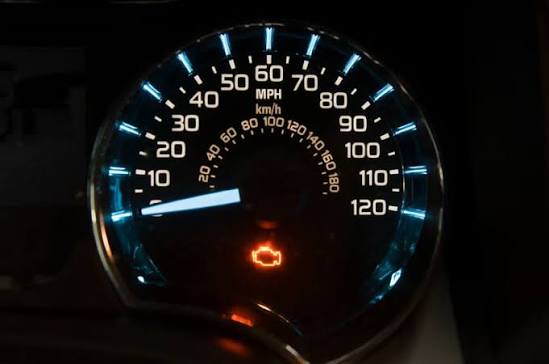
Why does my check engine light come on and off? It’s one of the most common questions drivers search for, and it usually means your car’s computer detected a problem, then stopped seeing it.
That doesn’t mean the issue is gone. It often means the fault is intermittent, not constant.
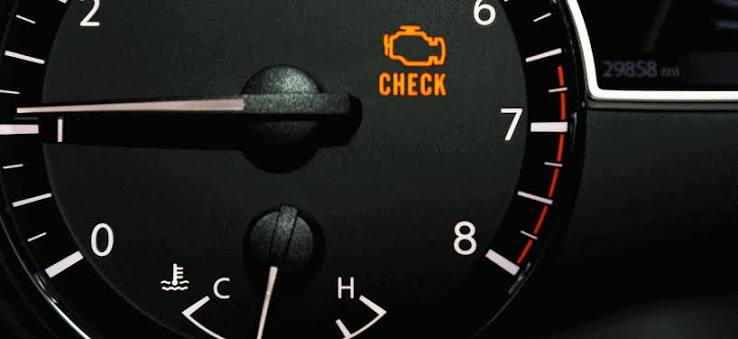
Your check engine light is controlled by the OBD-II system. This system runs checks constantly while you drive.
If it detects an issue once, it turns the light on. If that same issue doesn’t repeat on the next check, the light can turn off by itself.
This is why the light seems random. It isn’t random at all, it’s tied to specific driving conditions.
The important part is that the trouble code stays saved in your car’s computer. A mechanic can pull that code even after the light goes off.
So the light turning off is not the same as the problem being solved.
Several parts commonly cause this on-and-off pattern. Most are related to fuel, air, ignition, or emissions systems.
Below are the most frequent causes drivers and mechanics run into.
This is the single most common cause. A gas cap that isn’t sealed properly lets fuel vapors escape.
That triggers the EVAP system to log a fault. Once you tighten or replace the cap, the light can turn off on its own after a few drive cycles.
Always check this first before assuming anything serious is wrong.
The oxygen sensor measures unburned oxygen in the exhaust. It helps the engine balance fuel and air correctly.
When it starts failing, it may only send bad readings under certain conditions. That’s why the light comes and goes instead of staying on constantly.
Ignoring this long-term can hurt your fuel economy.
The mass airflow sensor tracks how much air enters the engine. A dirty or failing sensor sends inconsistent data.
This can trigger the check engine light only during acceleration or highway driving. Cleaning or replacing the sensor often resolves it.
Worn spark plugs or a weak ignition coil can cause occasional engine misfires. These misfires don’t always happen on every drive.
That inconsistency is exactly why the check engine light appears to flicker on and off. A misfire that happens only under load is a classic example.
The catalytic converter reduces harmful emissions. As it starts to fail, it may only trigger a fault when the exhaust reaches a certain temperature.
Once the exhaust cools down, the code can clear temporarily. This is a repair you don’t want to delay.
The EGR valve manages exhaust gas recirculation to reduce emissions. When it sticks or clogs, it can cause rough idle or a pinging sound.
This often triggers the check engine light intermittently rather than continuously. It tends to show up more during specific engine loads.
Small cracks in vacuum hoses can shift or expand with engine heat. That means the leak isn’t always present in the same way.
A leak that only shows up when a hose is warm can cause the light to come and go unpredictably.
If the engine doesn’t reach its correct operating temperature, the thermostat or coolant sensor can log a fault. This is more common in colder months.
The light may only appear on cold starts or short trips, then clear on longer drives.
Humidity, temperature swings, and even altitude can affect sensor readings. Your car’s computer expects certain conditions during its self-tests.
If those conditions vary, some tests only fail occasionally. That directly explains random-seeming light behavior.
Every car built after 1996 in the US uses the OBD-II standard. It’s a built-in computer system that constantly monitors your engine, transmission, and emissions.
It doesn’t just check once and stop. It runs continuous background tests during normal driving, called monitors.
Each monitor checks a specific system, like the oxygen sensors, fuel system, or catalytic converter. A monitor needs certain conditions to run, like a warm engine or steady highway speed.
If those exact conditions don’t happen often, the monitor may not complete for days. That’s part of why some check engine lights seem to appear and disappear randomly.
Understanding this helps explain why the same car can show the light on a cold morning but not on a warm afternoon drive.
Costs vary by vehicle, but this gives you a general sense of what to expect. Always confirm with a local shop for an accurate quote.
| Likely Cause | Typical Repair Cost Range |
|---|---|
| Gas cap replacement | $15 to $40 |
| Oxygen sensor replacement | $150 to $400 |
| Mass airflow sensor | $200 to $400 |
| Spark plugs (full set) | $100 to $300 |
| Ignition coil | $150 to $350 per coil |
| Catalytic converter | $900 to $2,500 |
| EGR valve | $200 to $500 |
| Vacuum hose repair | $100 to $250 |
| Thermostat replacement | $150 to $300 |
Notice how much cheaper the early fixes are compared to catalytic converter replacement. This is exactly why catching the issue early matters.
It helps to know how this light compares to other warnings you might see. Not every dashboard light behaves the same way.
The oil pressure light usually stays on and signals an immediate mechanical risk. The battery light points specifically to charging system issues.
The check engine light is broader. It can represent dozens of different systems, which is why it needs a scan tool to interpret properly.
This is also why it can flicker on and off, while lights tied to a single sensor tend to behave more consistently.
A driver fills up their tank, doesn’t fully tighten the cap, and the light appears two days later. After retightening the cap, it clears itself within a few drive cycles.
Another common scenario involves a worn ignition coil. The light appears only on cold starts, then disappears once the engine warms up and runs smoothly.
A third example is a vacuum hose that expands slightly with engine heat. The leak seals itself once things warm up, so the code clears until the next cold start.
These examples show why the same symptom, a flickering light, can point to very different root causes.
Some causes are simple enough to check without a mechanic. Start with these before booking an appointment.
If these steps don’t clear the light after a few drive cycles, it’s time for professional diagnosis.
A proper diagnosis goes beyond just reading the code. Mechanics use the code as a starting point, not a final answer.
They’ll typically inspect related wiring and connectors first, since a damaged wire can mimic sensor failure. Smoke tests are often used to find hidden vacuum leaks.
For emissions-related codes, they may run the car through specific drive conditions to force the monitor to complete. This confirms whether the original issue is truly resolved or just temporarily quiet.
A good shop will also check for related codes, since one failing part can sometimes trigger secondary codes.
The OBD-II system doesn’t run one test. It runs a full cycle of tests, called drive cycles, over multiple trips.
If a sensor fails once but passes on the next cycle, the computer may clear the active light. The stored code, however, usually remains for a set number of clean cycles.
This is a built-in feature of the system, not a glitch in your car.
It’s designed this way to avoid overreacting to a single unusual reading.
In most cases, yes, especially if the light is steady and not flashing. Your car should still drive normally in the short term.
That said, “safe for now” isn’t the same as “nothing to worry about.” Ignoring an intermittent light can let a small issue turn into a bigger repair.
If you notice rough idling, poor acceleration, or unusual smells alongside the light, treat it as more urgent.
You don’t need to guess. There’s a clear process for figuring out what’s actually going on.
Before anything else, remove and reseat your gas cap. Listen for the clicking sound that confirms a tight seal.
If the cap is cracked or the seal is worn, replace it. This alone fixes a surprising number of cases.
A basic OBD-II scanner plugs into a port under your dashboard. It will show you the exact stored trouble code.
Many auto parts stores will scan this for free. This step turns guessing into a real diagnosis.
Pay attention to when the light appears. Does it happen during acceleration, on cold mornings, or after refueling?
This pattern gives a mechanic valuable clues. It narrows down which system is likely involved.
If the same code keeps returning after a few drive cycles, it’s time for a professional inspection. Repeated codes mean the underlying issue hasn’t actually been resolved.
A mechanic can test the specific component instead of just reading the code.
A steady check engine light usually points to a non-emergency issue. It’s worth attention, but it typically doesn’t mean stop driving immediately.
A flashing check engine light is different. It usually signals an active engine misfire that could damage your catalytic converter.
If your light is flashing, reduce speed and get to a mechanic as soon as possible.
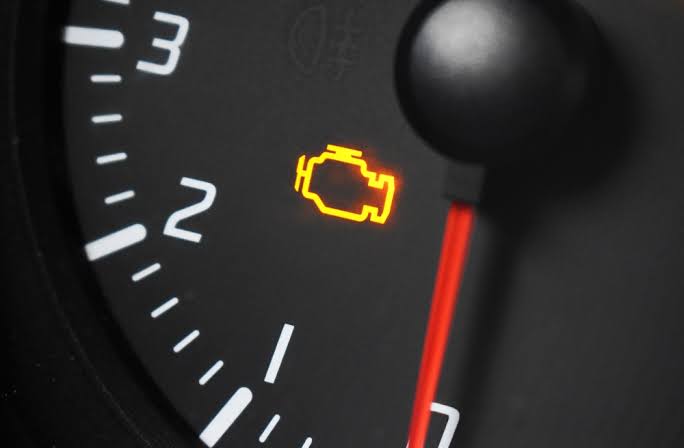
Ignoring a check engine light that comes and goes doesn’t make the underlying issue disappear. It often gets worse over time.
A minor sensor issue can eventually damage more expensive parts, like the catalytic converter. What starts as a small repair can turn into a much larger bill.
Fuel efficiency also tends to drop the longer these issues go unresolved.
Many drivers assume the light going off means everything is fine. That’s one of the most common and costly mistakes.
Others reset the code themselves without fixing the actual cause. The light may stay off temporarily, but the code will return once the fault repeats.
Skipping a proper scan and guessing at the cause is another common misstep.
Not every check engine light needs an emergency visit, but some situations do. Treat these as urgent.
If you see any of these signs, don’t wait for a routine appointment.
Regular maintenance prevents most of the common triggers. Simple habits go a long way here.
These steps reduce the chances of surprise dashboard warnings.
If the light comes on and off repeatedly over a week or two, don’t keep waiting for it to stop. Get a scan even if the light is currently off.
Stored codes remain readable for a good amount of time, so a mechanic can still diagnose the issue even during an “off” period. Waiting for the light to stay on constantly before acting often means the problem has already progressed.
A quick scan takes only a few minutes at most auto parts stores or repair shops. There’s little downside to checking early, and it can save you from a much larger repair bill later.
Older vehicles with higher mileage tend to show intermittent check engine lights more frequently. Aging sensors, worn hoses, and older ignition components naturally become less consistent over time.
Vehicles that see mostly short trips are also more prone to this pattern. Short drives often don’t give the engine enough time to reach full operating temperature, which can affect certain sensor readings.
This doesn’t mean newer cars are immune. Any vehicle can develop a loose connection or a failing sensor regardless of age.
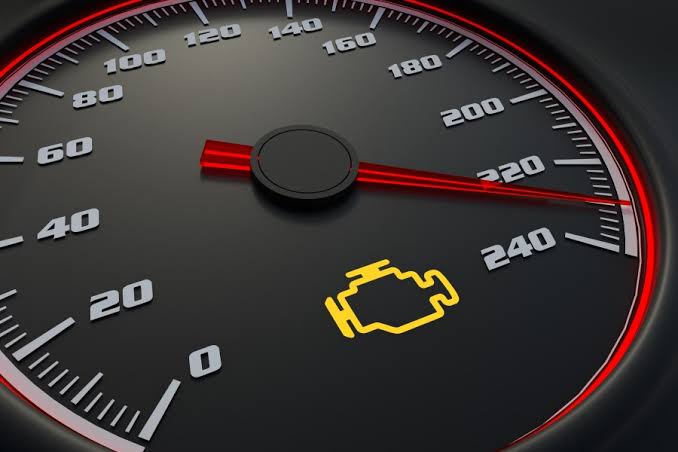
This usually means the OBD-II system detected an issue once but didn’t see it repeat on the next check. The fault code still stays stored in memory.
No, it does not confirm a fix. It only means the problem wasn’t detected during the most recent test cycle.
A loose or faulty gas cap is the most frequent cause. Tightening or replacing it often resolves the issue.
In most cases it’s not immediately dangerous, especially with a steady light. Get it scanned soon to avoid bigger problems.
This pattern often points to an oxygen sensor or mass airflow sensor issue. These sensors can misread under increased engine load.
Yes, cold starts can affect the thermostat, coolant sensor, and other components. The light may appear more often during winter months.
Yes, a basic scanner is affordable and easy to use. It gives you the exact stored code instead of guessing.
A steady light usually signals a non-emergency issue worth checking soon. A flashing light often means an active misfire needing immediate attention.
You can reset it, but that doesn’t fix the cause. The light and code will likely return once the issue repeats.
There’s no fixed timeline, but getting it scanned within a week or two is a reasonable target. Waiting longer risks turning a small issue into a costly one.
Never assume a light going off means the repair is done. Treat it as a pause, not an ending, until a scan confirms otherwise.
Keep a simple log of when the light appears, such as cold mornings or right after refueling. This small habit makes diagnosis faster and often cheaper.
Don’t wait for a second or third occurrence before checking the code. The earlier you catch the pattern, the easier and less expensive the fix tends to be.
Finally, don’t rely on memory alone for warning signs. Pair the check engine light with how the car actually feels, sounds, and drives before deciding how urgent the issue is.
A check engine light that comes on and off usually points to an intermittent fault, not a fixed one. Common causes include a loose gas cap, failing sensors, worn spark plugs, or small vacuum leaks.
The light turning off doesn’t mean the problem is solved, since the trouble code stays stored in your car’s computer. Getting it scanned early helps you catch small issues before they become expensive repairs.
If the light starts flashing or you notice performance changes, treat it as urgent and get your car checked right away. Staying proactive protects both your engine and your wallet.