

Why does it burn to pee after sex is one of the most common health questions people search but rarely talk about openly.
That burning sensation when you urinate after intercourse is uncomfortable, alarming, and sometimes a sign of something that needs treatment.
The good news is that most causes are treatable and many are preventable.
From urinary tract infections and STIs to vaginal dryness and product irritation.
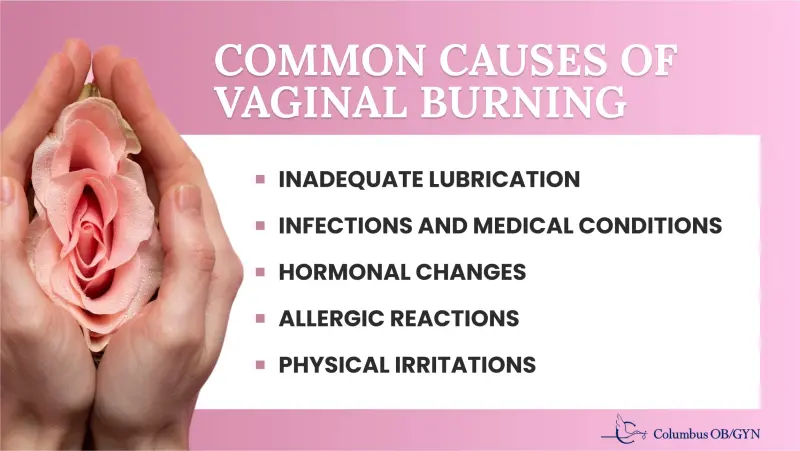
The medical term for painful or burning urination is dysuria. When it happens specifically after sexual activity, it is called post-coital dysuria.
It can feel like stinging, burning, or sharp pain either during urination, at the start of it, or all the way through. The sensation can come from inside the urethra or from the external skin around the genitals.
Knowing whether the burning is internal or external helps narrow down the cause significantly.
Internal burning is felt inside the urethra or bladder. It typically points toward a urinary tract infection, STI, urethritis, or interstitial cystitis.
It often comes with other symptoms like urinary urgency, frequent urination, cloudy urine, or pelvic pressure. These symptoms need medical attention sooner rather than later.
External burning is felt on the skin of the vulva, vaginal opening, or the tip of the penis. It usually points to friction irritation, vaginal dryness, or an allergic reaction to a product used during sex.
External burning tends to resolve on its own within 24 to 48 hours if the underlying irritant is removed.
A urinary tract infection is one of the most common reasons it burns to pee after sex. Sexual activity can push bacteria from the genital or anal area toward the urethral opening, where it travels up into the bladder and causes infection.
The most common bacteria responsible is Escherichia coli, which normally lives in the digestive tract. Friction during intercourse makes it easier for bacteria to enter the urethra, especially in women whose urethra is only about 3 to 4 centimeters long.
Women are significantly more likely to develop post-sex UTIs than men. Up to 60% of women will experience at least one UTI in their lifetime, and a large portion of those are linked to sexual activity.
This pattern is sometimes called honeymoon cystitis or post-coital cystitis because symptoms appear predictably within 24 to 48 hours after intercourse.
| Symptom | When It Appears |
|---|---|
| Burning when urinating | 24–48 hours after sex |
| Frequent urge to urinate | 24–48 hours after sex |
| Cloudy or strong-smelling urine | 24–72 hours after sex |
| Pelvic pressure or discomfort | Ongoing |
| Blood in urine (hematuria) | Variable |
| Fever, chills, back pain | Signs of kidney involvement |
If you have fever, back pain, or vomiting alongside burning urination, the infection may have spread to the kidneys. That requires urgent medical care.
UTIs are treated with a short course of antibiotics. A doctor will typically ask for a urine sample to confirm the infection and identify the bacteria before prescribing treatment.
Do not attempt to self-treat a UTI with cranberry juice or over-the-counter painkillers alone. These can ease symptoms but do not clear the infection.
Several sexually transmitted infections cause burning urination as one of their primary symptoms. The most common ones are chlamydia, gonorrhea, trichomoniasis, and herpes.
These infections cause inflammation of the urethra (urethritis) or surrounding tissue, which creates burning when urine passes through. Unlike a UTI, symptoms from an STI may take one to two weeks to appear after exposure.
| STI | Burning Urination | Other Common Symptoms |
|---|---|---|
| Chlamydia | Yes | Often no symptoms, discharge |
| Gonorrhea | Yes | Discharge, pelvic pain |
| Trichomoniasis | Yes | Itching, frothy discharge, odor |
| Herpes (HSV) | Yes | Sores, blisters, flu-like symptoms |
| Mycoplasma genitalium | Yes | Discharge, urethral discomfort |

A UTI is caused by bacteria already on your body being pushed into the urinary tract. An STI is transmitted from a sexual partner and affects the reproductive and urinary systems differently.
An STI will not show up on a standard urine dipstick test. You need specific STI testing, including swabs or blood tests depending on the infection. If you suspect an STI, see a healthcare provider promptly.
Chlamydia, gonorrhea, and trichomoniasis are all curable with appropriate antibiotic treatment. Herpes is managed with antiviral medication that reduces outbreaks and duration.
Both you and your partner should be tested and treated to prevent reinfection.
When the vagina does not produce enough lubrication during sex, friction irritates the delicate tissues of the vaginal walls, vulva, and urethral opening. That irritated tissue burns when urine passes over it.
This type of burning is typically external and usually goes away within 24 to 48 hours once the tissue heals.
Hormonal changes are a major driver. Estrogen levels drop during menopause, perimenopause, postpartum recovery, and while breastfeeding, all of which reduce natural lubrication. Certain medications including antihistamines, antidepressants, and hormonal contraceptives can also reduce vaginal moisture.
Insufficient foreplay before penetrative sex is one of the most common and easily addressed causes.
Postmenopausal women are particularly affected. Reduced estrogen thins vaginal tissue and decreases lubrication in a cluster of changes called genitourinary syndrome of menopause (GSM). This can make even gentle intercourse cause enough friction to irritate the urethra.
Using a good-quality water-based lubricant before and during sex significantly reduces friction and the risk of post-sex burning.
Many products used during sex contain ingredients that irritate the urethra, vulva, and vaginal tissue. This irritation causes burning when urinating afterward because urine contacts the inflamed skin.
Common culprits include spermicidal lubricants, flavored or warming lubricants, latex condoms in people with latex sensitivity, scented personal care products, and contraceptive sponges or diaphragms.
Product irritation typically causes burning that is external rather than internal. It tends to come with itching, redness, or a rash on the vulva or genital skin.
If the burning only happens after using a specific product and resolves when you stop using it, an irritant reaction is the likely cause.
Switch to unscented, water-based lubricants without glycerin or warming agents. If you suspect latex sensitivity, try polyisoprene or polyurethane condoms instead. Avoid any scented soaps, sprays, or wipes near the genitals, as these disrupt the natural pH and microbiome of the vagina.
A yeast infection is caused by an overgrowth of Candida, a fungus naturally present in the vagina. Sex can disrupt the vaginal pH balance, and semen is alkaline, which can temporarily upset the acidic environment that keeps Candida in check.
This disruption can trigger a yeast infection that causes external burning, intense itching, thick white discharge, and burning when urinating as urine contacts irritated tissue.
| Feature | Yeast Infection | UTI |
|---|---|---|
| Location of burning | External (vulva) | Internal (urethra/bladder) |
| Discharge | Thick, white, cottage-cheese-like | Cloudy, possibly strong odor |
| Itching | Intense | Rare |
| Urinary urgency | Mild | Significant |
| Fever | No | Possible if severe |
Yeast infections are treated with antifungal medication, available as over-the-counter vaginal creams or oral fluconazole. Treatment typically resolves symptoms within a few days.
If you are unsure whether you have a UTI or yeast infection, see a doctor before treating, as the treatments are completely different.

Bacterial vaginosis happens when the normal bacterial balance in the vagina shifts, allowing harmful bacteria to overgrow. Sex can trigger or worsen BV by introducing new bacteria or by altering vaginal pH.
BV primarily causes a thin, grayish discharge with a strong fishy odor. It can also cause vaginal irritation and mild burning when urinating if the surrounding tissue becomes inflamed.
Unusual gray or white discharge with a fishy smell is the hallmark sign of BV. Itching and burning around the vaginal opening can accompany the discharge. Many women with BV have no obvious symptoms at all, which is why testing is important.
BV is treated with antibiotic medication (metronidazole or clindamycin) prescribed by a doctor. It is not treated with antifungal medications, which are designed for yeast infections.
Urethritis is inflammation of the urethra itself. It can be caused by a bacterial infection (including STIs like chlamydia or gonorrhea), or by non-infectious causes like friction during sex.
The mechanical friction during intercourse can directly irritate the urethra, causing temporary inflammation without any infection present. This is called non-infectious urethritis or post-coital urethral syndrome.
Postcoital urethral syndrome is a recognized condition where burning urination after sex occurs without a detectable infection. It is thought to be caused by urethral inflammation from friction, minor trauma, or product irritation.
Symptoms typically resolve within 24 to 48 hours without treatment. Staying well hydrated helps flush the urethra gently and can ease discomfort. Urinating after sex also reduces irritation by clearing the urethra.
Interstitial cystitis (IC), sometimes called bladder pain syndrome, is a chronic condition causing bladder pressure, pelvic pain, and frequent urination. Sex, especially vigorous intercourse, can trigger or worsen symptoms.
Burning urination after sex in someone with IC is related to bladder inflammation rather than infection. A urine test will come back negative for bacteria, which can make diagnosis frustrating.
IC is more common in women and often coexists with other conditions like fibromyalgia and irritable bowel syndrome.
IC has no single cure, but symptoms are managed through dietary changes, pelvic floor physical therapy, bladder training, and in some cases medication. A urologist or urogynecologist can provide a proper diagnosis and management plan.
Pelvic floor dysfunction is closely linked to IC. A hypertonic (overly tight) pelvic floor can worsen urinary symptoms after sex. Pelvic floor therapy can be remarkably effective for this overlap.
The pelvic floor muscles support the bladder, uterus, and rectum. When these muscles are too tight (hypertonic) or too weak, urination can be painful, especially after the muscle activity involved in sexual intercourse.
A hypertonic pelvic floor can create a burning or stinging sensation during urination because the muscles around the urethra are tense and not releasing properly. This can be mistaken for a UTI but will not respond to antibiotics.
Burning or difficulty urinating after sex without any infection found on testing is a key indicator. Other signs include pain during sex (dyspareunia), difficulty fully emptying the bladder, and pelvic pressure or discomfort unrelated to urination.
A pelvic floor physiotherapist can assess and treat pelvic floor dysfunction through targeted exercises, manual therapy, and relaxation techniques.
While UTIs are less common in men, burning urination after sex does happen in males. One important cause specific to men is prostatitis, which is inflammation of the prostate gland.
The prostate sits close to the urethra, so when it becomes inflamed (due to bacterial infection or other causes), it creates discomfort during and after urination. Sexual activity can aggravate prostate inflammation and trigger burning urination afterward.
STIs, urethritis from friction, and yeast infections (less common but possible) can all cause burning urination in men after sex. Men with a longer history of sexual activity and multiple partners have higher STI testing priority.
Men who experience burning urination after sex, especially with discharge or pelvic pain, should see a doctor for evaluation. Prostatitis and STIs in men are both treatable with appropriate care.
Urine that is highly concentrated due to dehydration can irritate the urethra and surrounding tissue, especially when that tissue is already mildly inflamed or sensitive from recent sexual activity.
Dark yellow or amber urine is a sign of dehydration. Drinking enough water throughout the day keeps urine diluted and less irritating, which reduces the chance of burning after sex.
This is one of the simplest and most overlooked contributing factors to post-sex urinary discomfort.

| Symptom | Urgency |
|---|---|
| Fever above 38°C (100.4°F) | Urgent — possible kidney infection |
| Back or flank pain with burning | Urgent — possible pyelonephritis |
| Blood in urine | See doctor within 24 hours |
| Symptoms lasting more than 2–3 days | See doctor |
| Unusual discharge (color, odor) | See doctor for STI testing |
| Sores or blisters on genitals | See doctor — possible herpes |
| Burning that worsens over 48 hours | See doctor |
Tell your doctor how soon after sex the burning started, whether it is internal or external, any products used during sex, whether your partner has any symptoms, and your contraception method. This information helps them quickly identify the most likely cause.
Urinating after sex is one of the most effective and evidence-based prevention strategies. It helps flush bacteria out of the urethra before they can reach the bladder. Try to urinate within 15 to 30 minutes of intercourse.
Staying well hydrated before and after sex keeps urine dilute and less irritating to already-sensitive urethral tissue.
Use a high-quality, unscented, water-based lubricant to reduce friction. Avoid lubricants with glycerin, warming agents, or fragrances that can disrupt vaginal pH.
| Prevention Strategy | Who It Helps Most |
|---|---|
| Urinate within 30 minutes of sex | Everyone, especially women |
| Stay well hydrated | Everyone |
| Use water-based, unscented lubricant | People with dryness or irritation |
| Avoid spermicides and scented products | People with product sensitivity |
| Wipe front to back (women) | Women (reduces bacterial transfer) |
| Shower before sex | Everyone |
| Use condoms | STI prevention |
| Avoid douching | Women (protects vaginal pH) |
| Pelvic floor exercises | People with IC or pelvic floor issues |
Gently washing the genital area with warm water (not soap inside the vagina) after sex removes bacteria from the surface before they can travel upward. Women should avoid douching, as it disrupts the protective bacterial balance of the vagina.
Men should wash under the foreskin if uncircumcised. Both partners maintaining good general hygiene reduces the bacterial load that sex can introduce to the urinary tract.
Pregnant women are more susceptible to UTIs because hormonal changes alter the urinary tract, the growing uterus can press on the bladder, and the immune system is modified during pregnancy.
A UTI during pregnancy requires prompt treatment as untreated infections carry a risk of premature birth and kidney infection. Any burning urination during pregnancy should be evaluated by a healthcare provider quickly, even if symptoms seem mild.
Many antibiotics commonly used for UTIs are safe during pregnancy. A doctor will select the appropriate antibiotic based on the bacterial strain identified in a urine culture. Do not self-treat with over-the-counter products during pregnancy without medical advice.
Menopause causes a significant decline in estrogen, which thins the vaginal and urethral tissue and reduces natural lubrication. This is part of the genitourinary syndrome of menopause (GSM) and makes post-sex burning much more common in postmenopausal women.
Even gentle intercourse can create enough friction to irritate the urethra when tissue is atrophied and dry. Many postmenopausal women mistakenly believe they have recurring UTIs when the underlying problem is actually GSM.
Local vaginal estrogen therapy (available as a cream, ring, or suppository) is highly effective at restoring tissue health and reducing burning and dryness. It is considered safe and does not carry the same risks as systemic hormone therapy.
Over-the-counter vaginal moisturizers used regularly (not just before sex) and high-quality lubricants used during sex also significantly reduce friction and post-sex symptoms.
If you are fairly confident the burning is from minor friction or product irritation (external, mild, and appeared immediately after sex with a known trigger), some simple steps can ease discomfort while it heals.
Drink plenty of water to dilute urine and reduce stinging. Avoid any further irritants including scented soaps, tight synthetic underwear, and any product that touched the affected area. A cool, clean cloth gently placed on the external area can reduce surface irritation temporarily.
Cranberry juice and supplements may have a modest preventive role for recurrent UTIs but do not treat an active infection. Apple cider vinegar, baking soda, and over-the-counter pain relief alone are not appropriate treatments for infections.
If symptoms do not improve within 24 to 48 hours, or if they worsen at any point, see a doctor. Internal burning that does not resolve quickly is almost always infection-related and needs testing and treatment.
| Cause | Burning Type | Needs Doctor? | Treatment |
|---|---|---|---|
| UTI | Internal | Yes | Antibiotics |
| STI (chlamydia, gonorrhea) | Internal | Yes | Antibiotics/antivirals |
| Vaginal dryness | External | Not always | Lubricant, estrogen therapy |
| Product irritation | External | Not usually | Remove irritant |
| Yeast infection | External | Possibly | Antifungal |
| Bacterial vaginosis | External | Yes | Antibiotics |
| Urethritis (non-infectious) | Internal | If persistent | Hydration, rest |
| Interstitial cystitis | Internal | Yes | Specialist care |
| Pelvic floor dysfunction | Internal | Yes | Pelvic floor PT |
| Prostatitis (men) | Internal | Yes | Antibiotics/specialist |
| Dehydration | Internal/External | No | Water intake |
In females, post-sex burning is most often caused by a UTI triggered by bacteria entering the short urethra during intercourse, or by friction from vaginal dryness. Both are treatable with appropriate medical care.
Occasional mild burning from friction or minor irritation can be normal and resolves within 24 hours. Burning that is severe, internal, or lasts longer than 48 hours is not normal and needs medical evaluation.
Not every sexual encounter leads to a UTI, but sex is a significant risk factor. Urinating after sex, staying hydrated, and avoiding spermicides substantially reduce the risk for most people.
Mild irritation-related burning typically resolves within 24 to 48 hours. Burning from a UTI or STI will persist or worsen until treated with appropriate medication, usually antibiotics.
In males, post-sex burning is less common but can be caused by STIs such as chlamydia or gonorrhea, urethritis from friction, prostatitis, or dehydration causing concentrated urine to irritate the urethra.
Yes. Urinating within 15 to 30 minutes of sex is one of the most effective ways to flush bacteria from the urethra before they reach the bladder, significantly reducing UTI risk.
Yes. A yeast infection inflames and irritates the vulva and vaginal opening, and urine passing over that irritated external tissue causes burning. The burning from a yeast infection is external, not internal.
Chlamydia, gonorrhea, trichomoniasis, herpes, and mycoplasma genitalium can all cause burning urination. Unlike UTI burning, STI-related burning often comes with discharge, sores, or develops one to two weeks after exposure.
Yes. Lubricants containing glycerin, fragrances, warming or cooling agents, or spermicide can irritate the urethra and surrounding tissue, causing burning when urinating after sex. Switch to unscented, water-based lubricants.
See a doctor if burning lasts more than 48 hours, is accompanied by fever, back pain, or unusual discharge, or if you have reason to suspect an STI. Prompt treatment prevents infections from worsening or spreading.
Why does it burn to pee after sex is a question with many possible answers, and most of them are treatable.
UTIs are the most common cause, triggered when bacteria enter the urethra during intercourse.
STIs, vaginal dryness, product irritation, yeast infections, bacterial vaginosis, urethritis, and pelvic floor dysfunction are all on the list too.
The key is paying attention to whether the burning is internal or external, how long it lasts, and whether it comes with other symptoms like discharge, fever, or pelvic pain.
Mild external irritation that clears within a day or two usually does not need treatment beyond removing the irritant and staying hydrated.
But internal burning, burning that worsens, or burning with any accompanying symptoms always deserves medical evaluation.
Prevention is straightforward: urinate after sex, use quality lubricant, stay hydrated, and get tested regularly if you are sexually active.
Your urinary and sexual health are closely connected, and small habits make a significant difference.