
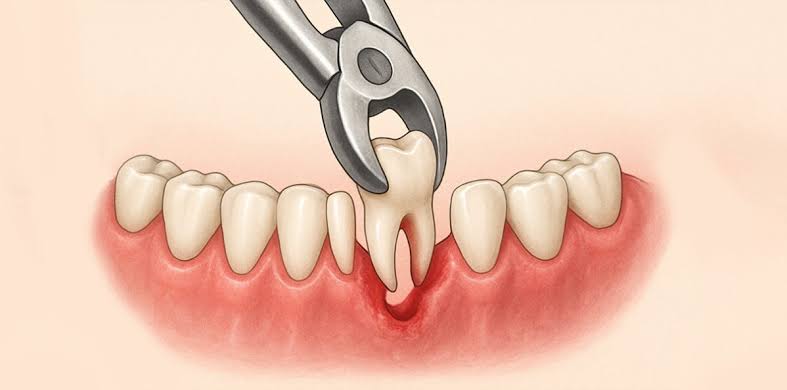
Why do wisdom teeth hurt is one of the most common dental questions people search for, and the answer involves more than just growing pains. Wisdom teeth, also known as third molars, are the last set of teeth to emerge in the human mouth.
They usually appear between the ages of 17 and 25, a time when the jaw is often too small to accommodate them properly. The result is a range of painful conditions from impaction to infection that can seriously disrupt daily life.
| Factor | Detail |
|---|---|
| Age of eruption | 17 to 25 years old |
| Number of wisdom teeth | Up to 4 (one in each corner) |
| Most common cause of pain | Impaction due to lack of jaw space |
| Infection name | Pericoronitis |
| Pain type | Throbbing, aching, sharp, or radiating |
| When to see a dentist | Pain lasting more than a few days or with swelling |
| Treatment options | Home care, antibiotics, extraction |
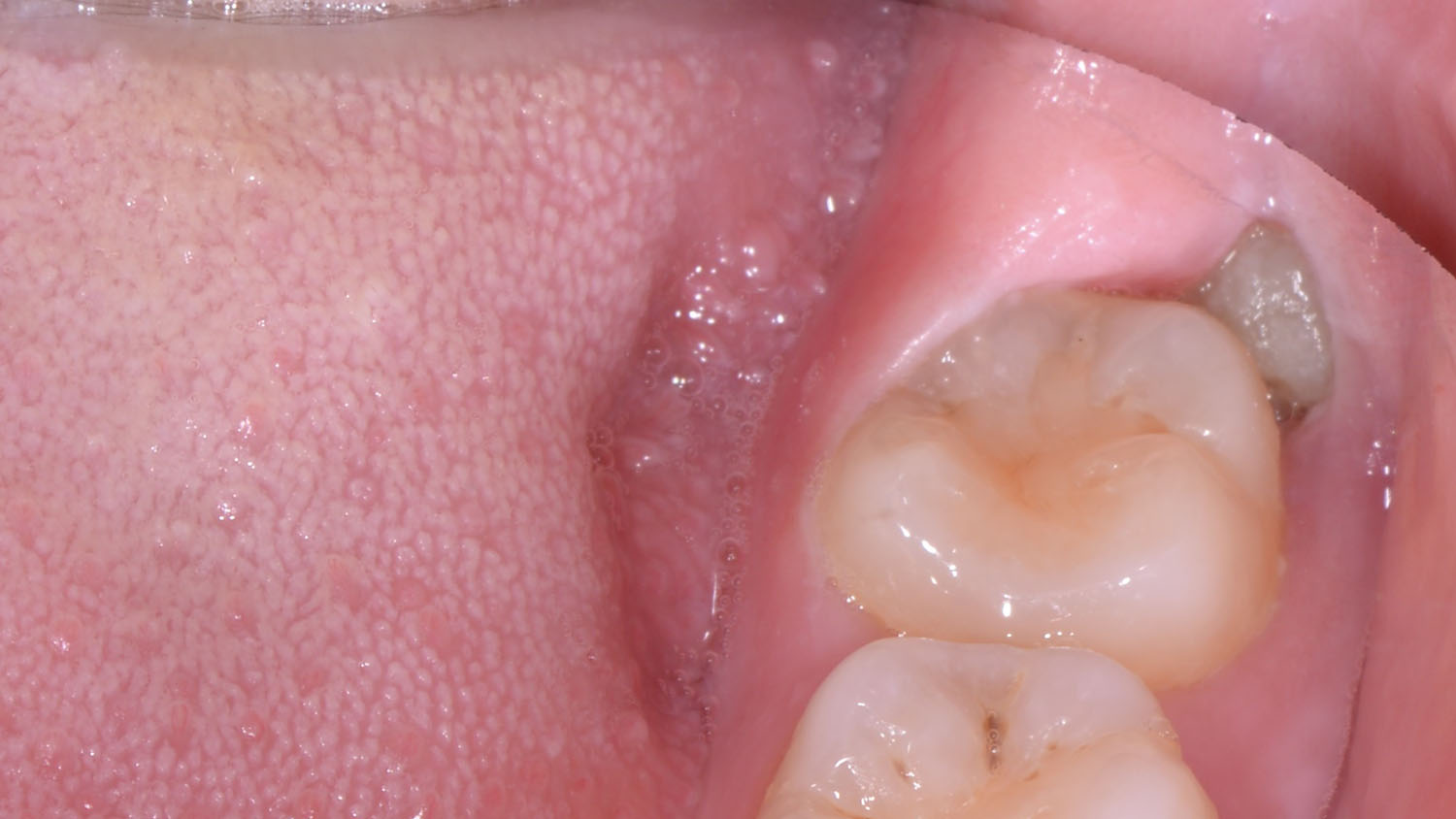
Wisdom teeth are the third and final set of molars located at the very back of the mouth. Anthropological evidence suggests these teeth were once essential for grinding tough, raw plant matter that early humans consumed.
Modern human jaws have evolved to be smaller over time, but we still grow these extra molars. The result is often a painful mismatch between jaw space and tooth size. When there is not enough room for wisdom teeth to emerge correctly, pain almost always follows.
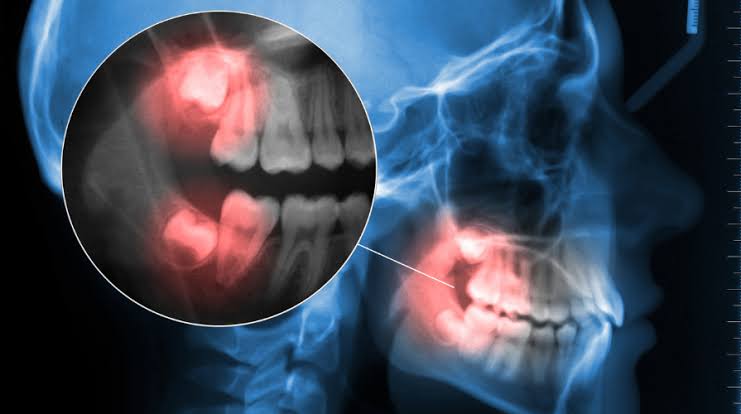
Impaction is the leading cause of wisdom tooth pain. It occurs when a wisdom tooth becomes trapped beneath the gum line or stuck against an adjacent molar because there is not enough space for it to fully emerge.
An impacted wisdom tooth may push sideways, grow at an angle, or only partially break through the gum. All of these scenarios create pressure on surrounding tissue, nerves, and bone that produces persistent and often intense pain.
Impaction ranges in severity. Partial impaction means the tooth has partially broken through the gum. Full bony impaction means the tooth remains entirely enclosed within the jawbone.
Even when a wisdom tooth has enough space to emerge properly, the process of cutting through gum tissue is painful. As the tooth pushes upward, it irritates and inflames the surrounding gum.
This eruption pain is usually temporary. It tends to feel like soreness or tenderness at the back of the mouth and may come and go over several weeks as the tooth slowly pushes through.
The pain during eruption is typically milder than impaction pain but can still cause significant discomfort, especially while eating or biting down.
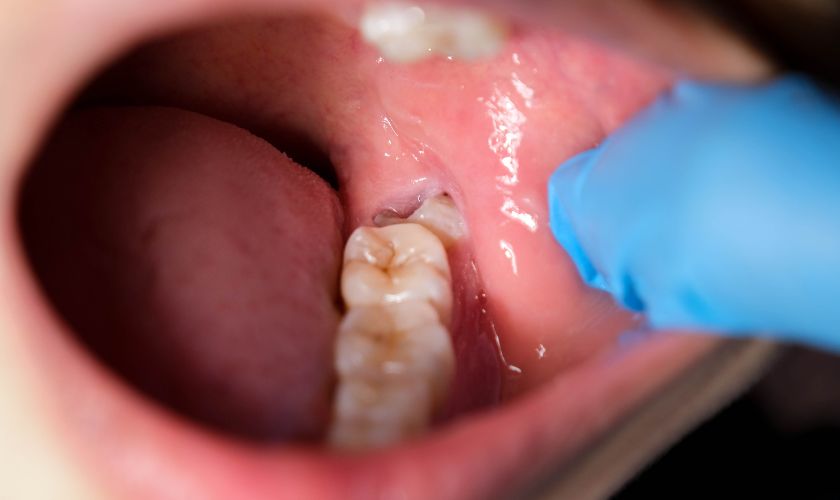
Pericoronitis is one of the most common and painful complications of wisdom tooth eruption. It occurs when a wisdom tooth only partially emerges, leaving a flap of gum tissue partially covering the tooth crown.
This gum flap creates a pocket where food particles and bacteria accumulate. Since the area is difficult to clean, bacteria thrive and cause an infection that produces swelling, pain, and sometimes a foul taste or odor.
Approximately 81% of people in their twenties experience pericoronitis at some point. It can be acute and sudden, or chronic and recurring. Without proper treatment, it tends to worsen over time.
Wisdom teeth sit at the very back of the mouth, making them notoriously difficult to brush and floss properly. This poor accessibility means plaque and food debris accumulate easily, leading to decay.
A cavity in a wisdom tooth feels like any other cavity but is often harder to detect and treat due to the tooth’s remote location. The decay can progress quickly if unaddressed, leading to significant toothache and eventual infection.
Many dentists recommend removing wisdom teeth early partly because of how cavity-prone they are due to their position.
As wisdom teeth push against neighboring second molars, they create significant pressure. This pressure can shift the alignment of surrounding teeth, particularly if you have had orthodontic work done.
The pain from this pressure is often felt not just at the site of the wisdom tooth but across the jaw and into surrounding teeth. It may feel like a generalized jaw ache rather than a localized toothache.
In some cases, wisdom teeth erode the roots of adjacent molars, causing lasting structural damage that requires additional treatment beyond just the wisdom tooth removal.
In rare but serious cases, an impacted wisdom tooth can lead to the development of a cyst or benign tumor in the surrounding jawbone. These fluid-filled sacs expand over time and destroy bone tissue.
Cyst formation is one of the reasons dentists recommend monitoring wisdom teeth with regular X-rays even when pain is not yet present. A cyst can develop silently and cause significant damage before symptoms become obvious.
In cases where bone loss or nearby tooth damage has already occurred, restoration becomes part of the conversation alongside extraction. Someone researching who does dental implants in Chula Vista, CA would typically go through a similar evaluation, using imaging to check how much bone remains before any replacement option is considered.
If a cyst is detected, surgical removal of both the cyst and the impacted tooth is typically required to prevent further bone loss.
If you have recently had a wisdom tooth removed, dry socket is a painful complication to be aware of. It occurs when the blood clot that forms in the empty socket is dislodged or dissolves before the wound heals.
Without the protective clot, the underlying bone and nerves are exposed to air, food, and bacteria. The pain from dry socket is typically sharp, throbbing, and radiates toward the ear and jaw.
Dry socket usually develops two to four days after extraction and requires a dental visit for treatment. It is not self-resolving and worsens without care.
The most obvious symptom is a dull ache or throbbing pain at the very back of the mouth, behind your existing molars. This is where wisdom teeth push through, and the pain is usually localized there first.
The pain may be constant or intermittent. Pain that comes and goes is often a sign the tooth is erupting in an abnormal position or causing periodic inflammation in surrounding tissue.
The gum tissue around an erupting or impacted wisdom tooth frequently becomes inflamed. You may notice redness, puffiness, or even spontaneous bleeding when brushing or touching the area.
Swollen gums that do not improve within a few days, especially if accompanied by warmth or a bad taste, indicate infection that needs prompt dental evaluation.
Wisdom tooth pain commonly radiates into the jaw. You may find it difficult to open your mouth fully, a condition called trismus, particularly when pericoronitis or a nearby infection is present.
Jaw stiffness is a red flag that the problem is progressing beyond simple eruption discomfort. It often means the surrounding muscles and tissue are inflamed and the infection may be spreading.
The nerves around wisdom teeth are closely connected to the ear and temple region. As a result, wisdom tooth pain frequently refers into the ear, head, and even the neck.
Many people mistakenly attribute these referred pains to earaches, tension headaches, or sinus issues when the actual source is a problematic wisdom tooth at the back of the jaw.
When bacteria accumulate in a gum flap or around a partially erupted wisdom tooth, they produce a persistent bad breath and sometimes a foul or metallic taste in the mouth.
This is one of the most telling signs of pericoronitis. Even with regular brushing, the odor and taste persist because the infection site is deep under the gum flap and difficult to clean manually.
Wisdom tooth pain often intensifies when chewing, especially on the affected side of the mouth. The pressure of biting down aggravates inflamed tissue and can make eating painful enough that people change their diet entirely.
Persistent difficulty eating, especially when accompanied by swelling or fever, is a sign the condition has moved beyond simple eruption pain and needs dental care.
| Symptom | Likely Cause | Severity |
|---|---|---|
| Soreness at back of mouth | Normal eruption | Mild |
| Throbbing jaw pain | Impaction | Moderate to severe |
| Swollen red gum flap | Pericoronitis | Moderate to severe |
| Pain when chewing | Eruption or impaction | Mild to moderate |
| Earache or headache | Referred nerve pain | Moderate |
| Foul taste and bad breath | Infection / pericoronitis | Moderate to severe |
| Fever with jaw swelling | Spreading dental infection | Severe — see dentist urgently |
This is the most common type. The tooth is angled forward, toward the front of the mouth, pushing directly into the second molar. It creates significant pressure and is a frequent source of radiating jaw pain.
The tooth is growing in the correct vertical direction but there is still not enough room in the jaw for it to fully emerge. The tooth may be partially visible above the gum line.
The tooth lies completely on its side, growing perpendicular to the other teeth. This type almost always causes severe pain and virtually always requires surgical removal.
The tooth angles backward toward the rear of the jaw. This is the least common impaction type but can still cause pain and complications if left untreated.
Dissolve half a teaspoon of salt into a glass of warm water. Swish it around the back of your mouth for 30 seconds and repeat three to four times a day. Saltwater has natural antibacterial properties and helps reduce inflammation around the affected gum tissue.
Apply a cold pack wrapped in a cloth to the outside of your cheek for 15 to 20 minutes during the first 48 hours of a flare. Cold reduces inflammation and numbs the area.
After the first two days, switch to a warm compress to loosen stiff jaw muscles and improve circulation. If swelling increases with heat, return to cold immediately.
Ibuprofen (600–800 mg every six to eight hours) addresses both pain and the underlying inflammation. Acetaminophen can be alternated for consistent coverage. Always follow the recommended dosage and check with a healthcare provider if you have any medical conditions.
Clove oil contains eugenol, a natural analgesic compound. Apply a small amount to a cotton ball and gently press it against the sore gum tissue. It can temporarily numb the area and provide short-term relief while you arrange a dental appointment.
Dilute hydrogen peroxide with an equal amount of water and use it as a brief mouth rinse. This can help reduce bacterial load around the affected area. Do not swallow. This is a supplemental measure, not a replacement for professional care.
| Situation | Home Care Appropriate? | Dentist Needed? |
|---|---|---|
| Mild soreness during eruption | Yes | Monitor only |
| Pain lasting more than 3 days | Temporary only | Yes |
| Swelling with fever | No | Yes — urgently |
| Recurring infections | No | Yes — extraction likely |
| Sharp pain after extraction | No | Yes — possible dry socket |
| Jaw stiffness or difficulty swallowing | No | Yes — emergency |
If over-the-counter painkillers are not managing your wisdom tooth pain, the underlying cause is likely more serious than simple eruption discomfort. This level of pain warrants a same-day or next-day dental visit.
Swelling that spreads from the gum into the jaw, cheek, or neck indicates an infection that may be progressing. Left untreated, dental infections can spread into deeper tissues and become life-threatening.
A fever accompanying wisdom tooth pain is a systemic sign that your body is fighting an active infection. This combination requires prompt dental or medical evaluation and often prescription antibiotics.
Pus draining from around the wisdom tooth, or a visible lump on the gum filled with fluid, indicates an abscess. An abscess is a serious dental infection that will not resolve without professional drainage and treatment.
In rare cases, dental infections spread to the throat and airway. Difficulty swallowing, breathing, or opening your mouth combined with severe swelling is a medical emergency requiring immediate hospital attention.
Wisdom tooth removal is one of the most commonly performed oral surgery procedures. Depending on the complexity, it can be done by a general dentist or an oral surgeon.
The procedure takes about 30 to 60 minutes. Local anesthesia numbs the area. For complex extractions or anxious patients, sedation options are available. The dentist makes an incision in the gum, removes any bone blocking access to the tooth, and extracts it in sections if necessary.
| Day | What to Expect |
|---|---|
| Day 1 | Numbness fades, moderate bleeding and swelling begin, rest required |
| Day 2–3 | Peak pain and swelling (worst days for most patients), jaw stiffness |
| Day 4–5 | Pain and swelling begin to reduce |
| Day 7 | Most patients near end of major discomfort |
| Day 14 | Full soft tissue healing for most uncomplicated cases |
Recovery typically takes three to four days for simple cases. Impacted wisdom teeth with surgical removal may take up to two weeks. Pain after extraction usually lasts from three days to one week unless a complication such as dry socket or infection develops.
Avoid using a straw, spitting forcefully, or rinsing vigorously in the first 24 hours. These actions can dislodge the blood clot and lead to dry socket. Stick to soft foods like yogurt, mashed potatoes, and smoothies. Keep your head slightly elevated when resting to reduce swelling.
Take prescribed or recommended pain medication on schedule rather than waiting for pain to peak before dosing. Keep the extraction site clean using gentle saltwater rinses starting from day two.
Many dentists recommend removing wisdom teeth before they cause problems, particularly in teenagers and young adults. Roots are shorter and the jawbone is less dense at this stage, making extraction easier and recovery faster.
The American Dental Association recommends having wisdom teeth evaluated before age 20. Early monitoring through X-rays allows your dentist to predict future impaction or alignment problems before pain develops.
Not every wisdom tooth needs removal. If wisdom teeth emerge fully, grow in proper alignment, and are accessible enough to clean properly, they can remain in place. Your dentist will assess each case individually.
Wisdom teeth hurt because the modern jaw often lacks enough space for them to emerge properly. The resulting impaction, gum irritation, and tissue inflammation trigger intense nerve pain in the surrounding area.
Eruption pain can last several weeks as the tooth pushes through. Impaction or infection pain persists until treated by a dentist. Post-extraction pain typically peaks on days two to three and resolves within one week.
Mild eruption soreness can ease temporarily, but pain caused by impaction, pericoronitis, or infection will not resolve without treatment. Recurring or worsening pain always requires a dental evaluation.
Impacted wisdom tooth pain is typically a deep, throbbing ache at the back of the jaw. It often radiates toward the ear, temple, or neck and may worsen when chewing or opening the mouth wide.
Occasional mild soreness during eruption can stretch over weeks, but persistent pain lasting more than a few days, especially with swelling, is not normal and should be evaluated by a dentist promptly.
Pericoronitis is an infection of the gum tissue surrounding a partially erupted wisdom tooth. A gum flap traps bacteria, causing swelling, throbbing pain, bad breath, and sometimes difficulty opening the mouth.
Warm saltwater rinses, cold compresses on the cheek, ibuprofen, and clove oil applied to the gum are the most effective short-term relief options. These manage symptoms but do not address the underlying cause.
Seek emergency dental care if you have severe pain unresponsive to medication, spreading swelling, fever, pus, difficulty breathing or swallowing, or a jaw that will not open properly. These are signs of a serious infection.
No. Wisdom teeth that fully erupt, align correctly, and can be properly cleaned may not need removal. Dentists evaluate each tooth individually and recommend extraction only when problems exist or are predicted.
Signs of a wisdom tooth infection include throbbing pain, swollen red gums, a bad taste or smell in your mouth, jaw stiffness, difficulty swallowing, fever, and sometimes visible pus near the affected tooth.
Why do wisdom teeth hurt comes down to a fundamental mismatch between modern jaw size and the evolutionary legacy of a third set of molars our ancestors genuinely needed.
Whether the pain stems from impaction, pericoronitis, decay, or the simple process of eruption, the discomfort is real and in many cases will not resolve without dental care.
Understanding the type of pain you are experiencing helps you respond appropriately, whether that means managing symptoms at home for a few days or seeking urgent dental attention for a spreading infection.
The most important step is never to ignore wisdom tooth pain that persists, intensifies, or comes with swelling and fever. Early intervention almost always leads to faster relief, easier treatment, and a healthier outcome for your long-term oral health.