
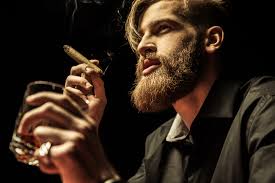
Why do people smoke cigars — despite all the health warnings, rising prices, and growing restrictions? Millions of people around the world still light up a cigar regularly, and their reasons go far deeper than simple habit.
Cigar smoking is tied to culture, identity, celebration, relaxation, and social connection in ways that few other rituals can match. It is a practice that has lasted centuries and shows no signs of disappearing.
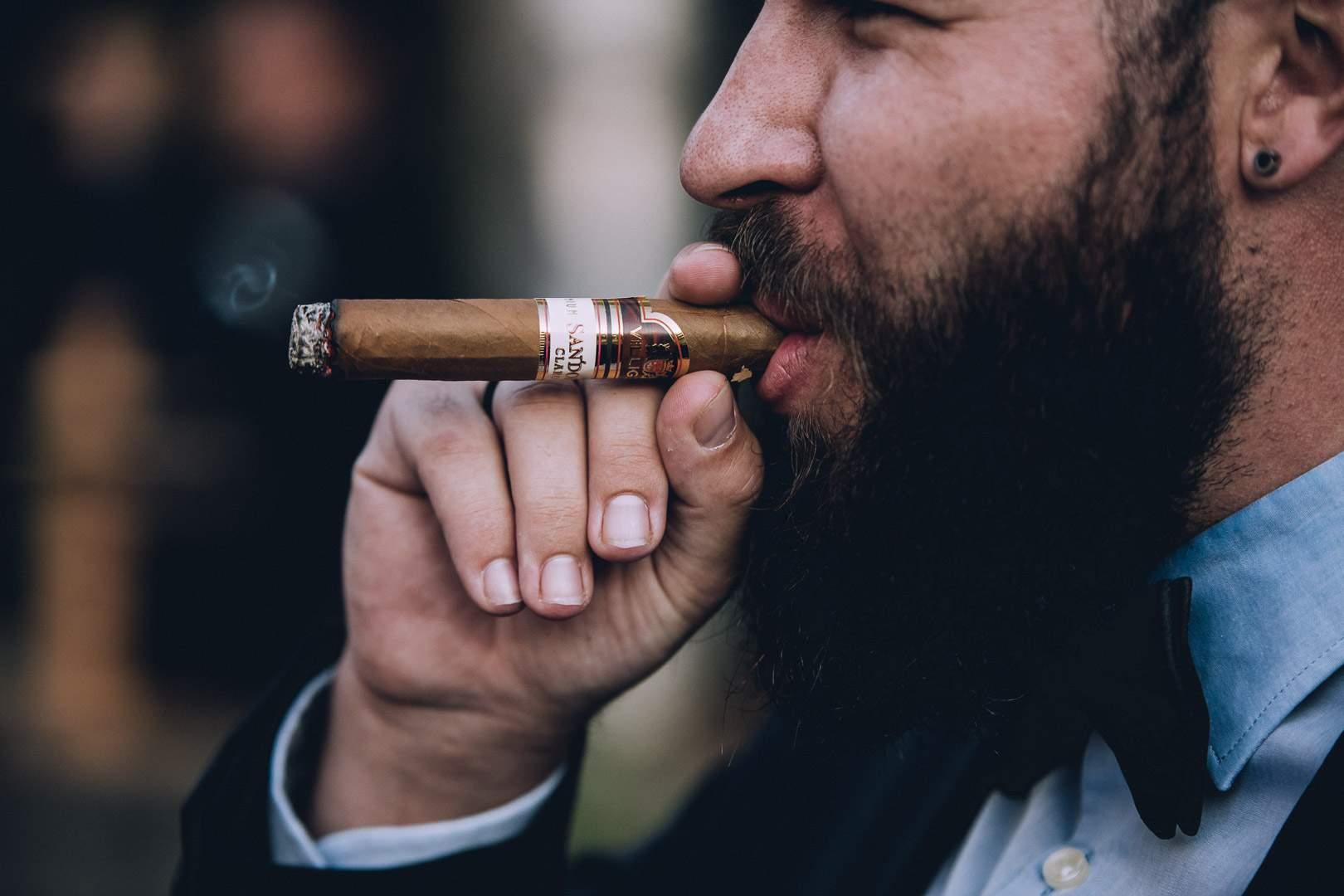
Cigar smoking dates back well over a thousand years. The Mayan and Aztec civilizations were among the first to roll tobacco leaves and smoke them in ceremonies and rituals.
When European explorers arrived in the Americas in the 15th and 16th centuries, they brought tobacco back to Europe. Cigars quickly became a symbol of wealth, power, and sophistication among the European elite.
By the 19th and 20th centuries, cigars had become deeply linked to success, masculinity, and cultural identity across the Western world. Leaders, writers, generals, and businessmen all made the cigar part of their public image.
| Statistic | Data |
|---|---|
| U.S. cigar market value (2022) | Approx. $22 billion |
| Projected annual market growth | 4% through 2026 |
| Most common age group of smokers | Adults aged 25 to 44 (13% of demographic) |
| Gender split | Men make up approx. 85% of cigar consumers |
| Occasional vs. daily smokers | About 75% smoke occasionally, not daily |
| High school students who report smoking cigars | 7.7% |
| Nicotine in one large cigar | 100–200 mg (vs. ~8 mg in one cigarette) |
The most commonly cited reason people smoke cigars is simple: it helps them relax. The slow, deliberate process of preparing and smoking a cigar forces a person to slow down and be present.
A typical cigar takes anywhere from 30 minutes to 2 hours to smoke. That time cannot be rushed. It creates a built-in window of calm in an otherwise hectic day.
Many smokers describe the experience as meditative. Selecting a cigar, inspecting it, cutting the cap, toasting the foot — each step is a ritual that shifts the mind away from daily stress and into the present moment.
Cigars are deeply associated with marking life’s important milestones. Lighting one up at a wedding, the birth of a child, a promotion, a graduation, or closing a major deal has become a tradition in many cultures worldwide.
The phrase “pass out cigars” has been part of the American cultural vocabulary for generations. It signals that something worth celebrating has happened.
This celebratory association gives cigars a meaning that goes beyond the tobacco itself. The cigar becomes a prop in a larger story — a physical way of saying “this moment matters.”
Cigar smoking is inherently social. Unlike cigarettes, which are often smoked alone in a few quick minutes, cigars are shared experiences that unfold slowly over time.
Cigar lounges create spaces where people gather, converse, and build relationships. The shared ritual of smoking creates a sense of belonging and camaraderie that is hard to replicate elsewhere.
Many cigar enthusiasts describe their local lounge or smoking group as a genuine community — a place where conversation flows naturally and friendships are built over time.
Throughout history, cigars have been linked to power and affluence. Famous leaders like Winston Churchill, JFK, and Fidel Castro made the cigar a symbol of their authority and personality.
Today, premium hand-rolled cigars from brands like Cohiba, Davidoff, Montecristo, and Padron can cost anywhere from $20 to several hundred dollars per stick. Owning and smoking premium cigars signals taste, knowledge, and financial success.
A significant portion of cigar consumers fall within higher income brackets. For many, selecting and smoking a quality cigar is an expression of their socioeconomic status and refined personal taste.
The ritual of cigar smoking is a core part of its appeal. From the moment you pick a cigar from a humidor to the final draw, every step engages the senses in a specific way.
The aroma of unlit tobacco, the texture of the wrapper, the sound of the cut, the sight of the smoke curling upward — all of these combine into an experience that is deeply sensory and hard to replicate.
For many enthusiasts, the preparation is half the pleasure. The ritual itself becomes a form of mindfulness, drawing full attention to a single slow-moving experience.
Unlike cigarettes, which are largely uniform in flavor, premium cigars offer an astonishing range of taste profiles. Earthy, spicy, sweet, creamy, cedar, coffee, chocolate, leather — no two cigars smoke exactly alike.
Many cigar smokers approach the hobby the same way wine lovers approach wine. They explore different origins, wrapper types, blends, and aging methods to develop a refined palate.
Cuba, Nicaragua, the Dominican Republic, Honduras, and Ecuador are among the most respected origins for premium tobacco. Each region produces tobacco with distinct characteristics shaped by soil, climate, and curing techniques.
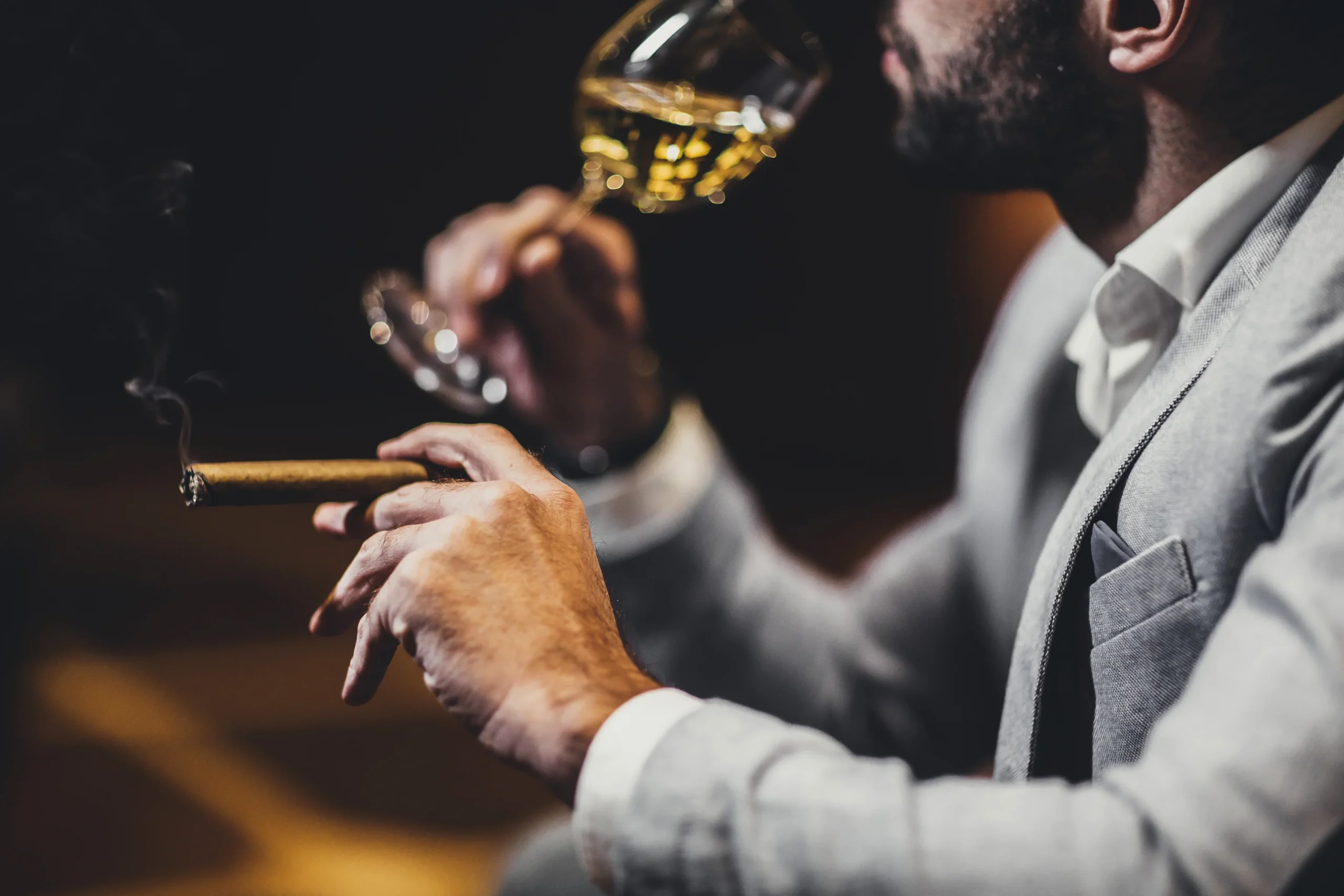
One of the growing trends in cigar culture is pairing cigars with drinks. A well-matched pairing can enhance both the cigar and the beverage in the same way food and wine pairings work.
Common cigar pairings include whiskey, bourbon, rum, cognac, coffee, and craft beer. The goal is to match the strength and flavor profile of the cigar to the drink so neither overpowers the other.
Arnold Schwarzenegger pairs his Davidoff cigars with cognac. Michael Jordan is known to enjoy a Macanudo alongside a drink on the golf course. These celebrity associations have helped mainstream the pairing culture.
Research and anecdotal evidence both suggest that the cigar ritual functions as a form of mindfulness practice for many smokers. The slow pace and sensory engagement pull attention away from rumination and into the present.
This is similar to how meditation, journaling, or a long walk can serve as mental resets. The cigar creates a structured moment of reflection that is built into the smoker’s day.
The psychological benefit is not just relaxation — it is a sense of control and intentionality. The smoker is actively choosing to step back, slow down, and do something just for themselves.
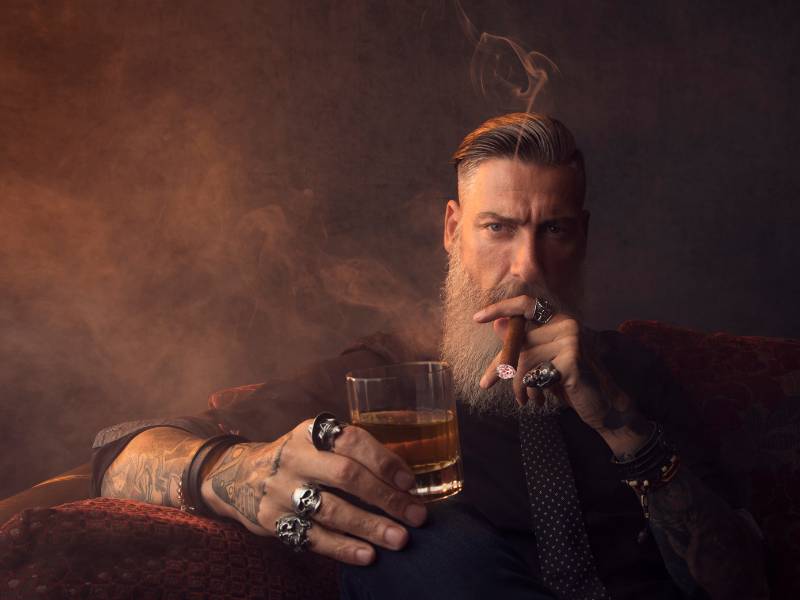
For many people, the type of cigar they smoke and how they smoke it is a form of self-expression. A preference for full-bodied Nicaraguan puros versus mild Connecticut shade-wrapped cigars says something about taste, personality, and even worldview.
Cigar culture has its own language, rituals, and unwritten rules. Learning them and participating in them becomes a way of belonging to a group and expressing a particular version of identity.
This identity dimension is especially strong among men, who make up the vast majority of cigar smokers. For them, cigars can represent a masculine ritual tied to tradition, achievement, and camaraderie.
It is important to be honest about the role of nicotine. Cigars contain significant amounts of it. A large cigar can contain as much nicotine as an entire pack of cigarettes — between 100 and 200 milligrams — according to the National Cancer Institute.
Even without deep inhalation, nicotine is absorbed through the lining of the mouth. It produces a calming, focus-enhancing effect that reinforces the smoking behavior. Over time, the relief from nicotine withdrawal itself becomes part of why people return to cigars.
Research published in medical literature identifies this as “negative reinforcement” — where the relief of an unpleasant state (craving, withdrawal) makes the behavior more likely to repeat.
The cultural power of cigars owes a great deal to the famous figures who made them iconic.
| Famous Smoker | Preferred Brand | Known For |
|---|---|---|
| Winston Churchill | Romeo y Julieta | Rarely seen without one; a cigar size (Churchill) is named after him |
| Mark Twain | Various | Reportedly smoked up to 22 cigars a day; said “If I cannot smoke in heaven, then I shall not go” |
| John F. Kennedy | H. Upmann Petit Upmann | Ordered 1,000+ before signing the Cuban trade embargo |
| Fidel Castro | Cohiba | Cohiba was created specifically for him in the 1960s |
| Arnold Schwarzenegger | Davidoff | Known for celebrating with cigars throughout his career |
| Michael Jordan | Macanudo | Regularly photographed smoking on golf courses |
| Al Pacino | Various | Longtime enthusiast; frequents the Grand Havana Room |
| Jay-Z | Montecristo No. 2 | Known cigar aficionado |
A common misconception is that cigars are a safer alternative to cigarettes. Many cigarette smokers transition to cigars believing they are making a healthier choice. This belief is largely false — but the reasons people prefer cigars over cigarettes are still worth understanding.
| Factor | Cigars | Cigarettes |
|---|---|---|
| Frequency of use | Mostly occasional (75% smoke non-daily) | Usually daily habit |
| Smoking duration | 30 minutes to 2 hours per smoke | 5 to 10 minutes |
| Social perception | Associated with luxury and success | Associated with addiction |
| Inhalation | Usually not deeply inhaled | Typically inhaled |
| Flavor variety | Extremely wide range | Limited variety |
| Price point | $5 to $500+ per cigar | Lower per unit |
| Cultural status | Celebration and ritual | Everyday habit |
People who prefer cigars over cigarettes often cite the occasional rather than compulsive nature of use, the stronger social and celebratory association, and the richer sensory experience as key reasons for their preference.
Cuba is the spiritual home of cigar culture. Cuban cigars, particularly brands like Cohiba and Montecristo, are considered the gold standard by enthusiasts worldwide.
The craftsmanship of Cuban cigar rollers — called torcedores — is recognized globally. Rollers in Havana’s famous factories hand-roll every cigar using techniques passed down through generations.
Even after decades of U.S. trade embargoes, Cuban cigars retain their legendary status and are among the most sought-after and counterfeit products in the world.
Nicaragua has become the dominant force in the premium cigar world over the past two decades. Brands like Padron, AJ Fernandez, and Liga Privada are produced there and are celebrated by aficionados globally.
Nicaraguan tobacco is known for its bold, full-bodied character with rich earthy and spicy notes. The volcanic soil in regions like Jalapa and Estelí produces tobacco with exceptional complexity.
The Dominican Republic is home to Arturo Fuente, one of the most respected cigar families in the world. Dominican cigars tend to be medium-bodied with elegant, refined profiles.
Honduras produces some of the most complex and full-flavored cigars outside of Nicaragua and Cuba, with brands like Alec Bradley and Rocky Patel drawing on Honduran tobacco.
| Cigar Size | Length | Ring Gauge | Character |
|---|---|---|---|
| Robusto | 5 inches | 50 | Popular everyday smoke; balanced |
| Churchill | 7 inches | 47 | Long, elegant; associated with tradition |
| Torpedo / Belicoso | 6 inches | 52 at foot | Complex; tapered head concentrates flavors |
| Corona | 5.5 inches | 42 | Classic; mild to medium |
| Gordo / Toro | 6 inches | 60 | Modern favorite; large ring delivers cooler smoke |
| Lancero | 7.5 inches | 38 | Slender; showcases wrapper flavors |
The wrapper leaf is the outermost tobacco leaf and has an enormous influence on flavor and appearance.
Connecticut Shade — Light tan, creamy, and mild. Often the choice for new smokers or those who prefer a lighter experience.
Maduro — Dark brown to almost black. Fermented longer for a sweet, full-bodied, rich flavor profile with notes of dark chocolate, espresso, and dried fruit.
Colorado/Habano — Medium brown with a spicy, earthy character. Common on Nicaraguan and Cuban-style blends.
Oscuro — Very dark, oily wrapper. Even richer and sweeter than Maduro. Full-bodied and bold.
Claro — Very light, almost green-tinged. Mild with a grassy, natural tobacco character.
Part of what makes cigar culture distinctive is the etiquette that surrounds it. Knowing these rules signals that you are a genuine enthusiast rather than a casual dabbler.
Never cut too deep. You cut only the cap — the rounded sealed end — not beyond the shoulder of the cigar. Cutting too far down causes the wrapper to unravel.
Never ash aggressively. Cigar ash should be allowed to fall naturally or tapped gently. A long, firm ash is considered a sign of quality construction.
Never re-light repeatedly. A cigar that has gone out more than once or twice is considered a poor-quality smoke. A premium cigar that is smoked at the right pace should rarely go out.
Never inhale deeply. Cigars are meant to be puffed and the smoke savored in the mouth. Deep inhalation significantly increases health risks and is considered a sign of inexperience.
Respect the lounge. In cigar lounges, basic courtesy applies — do not blow smoke at others, keep conversations respectful of other smokers, and honor the lounge’s house rules.
Being thorough about why people smoke cigars requires acknowledging what cigars actually do to the body. Many smokers underestimate cigar risks compared to cigarettes, but medical evidence tells a clear story.
Cancer risk: Cigar smokers face 4 to 10 times higher risk of dying from cancers of the mouth, esophagus, and larynx compared to non-smokers, according to public health research. Regular smokers also face elevated lung cancer risk.
Nicotine dependence: A single large cigar can deliver the same amount of nicotine as an entire pack of cigarettes. Even without inhaling, nicotine is absorbed through the mouth lining and can create dependence.
Heart and lung disease: Daily cigar smokers have elevated risk for heart disease, emphysema, and chronic bronchitis — comparable to cigarette smokers at similar exposure levels.
Oral health: Cigars cause tooth staining, chronic bad breath, gum disease, and contribute significantly to oral cancers. Over 75% of people diagnosed with oral cancer after age 50 are current or former tobacco users.
Secondhand smoke: Cigar smoke contains the same toxic and carcinogenic compounds as cigarette smoke and poses risk to those nearby, even non-smokers.
Cigar lounges have become social institutions in many cities. They offer a rare space in modern life where conversation happens face-to-face, technology is set aside, and time slows down.
Premium lounges often feature leather seating, well-stocked humidors, a selection of beverages, and a carefully maintained environment for proper smoking. Many have private membership tiers, host events, and function as networking hubs for business professionals.
The rise of cigar bars and lounges globally reflects a broader cultural appetite for analog, in-person experiences in an increasingly digital world.
A growing segment of younger adults — particularly in the 25 to 35 age range — are discovering cigar culture for the first time. Their motivations tend to differ slightly from older generations.
Anti-digital escape: Many cite cigars as a deliberate break from screens and social media. The long smoke gives a reason to put the phone away.
Craft and connoisseurship: The same generation that drove the craft beer, specialty coffee, and artisan whiskey movements is now exploring premium tobacco as another area of sensory expertise.
Community: Cigar lounges offer genuine face-to-face social interaction at a time when many people feel isolated by digital communication.
Occasional indulgence: Unlike cigarettes, which carry the stigma of daily addiction, cigars are more easily framed as an occasional luxury — something enjoyed intentionally rather than compulsively.
If you are new to cigars and curious about what the experience involves, starting well makes a significant difference.
Start mild. Connecticut shade-wrapped cigars from brands like Macanudo, Romeo y Julieta, or Arturo Fuente are mild, smooth, and forgiving for new palates.
Buy from a proper shop. A good tobacconist will help you find something appropriate for your experience level, explain the differences between blends, and ensure the cigar has been properly stored.
Smoke slowly. One to two puffs per minute is the ideal pace. Smoking too fast overheats the cigar, ruins the flavor, and makes it harsh.
Pair with something simple. A black coffee or still water works well for a first cigar. It cleanses the palate without competing with the tobacco flavors.
Do not inhale. Especially as a beginner, keep the smoke in your mouth and appreciate the flavor there. Do not draw smoke into your lungs.
People smoke cigars for relaxation, celebration, social bonding, and ritual enjoyment. For most occasional smokers, the perceived lifestyle benefits outweigh the perceived risk, especially since many believe occasional use is less dangerous than daily cigarette smoking.
Yes. Cigars contain nicotine — a highly addictive substance. A large cigar can deliver as much nicotine as a full pack of cigarettes, even without deep inhalation, because nicotine is absorbed directly through the mouth lining.
Cigars are smoked slowly over 30 minutes to 2 hours, are rarely inhaled deeply, and are typically smoked occasionally rather than daily. They are associated with celebration and luxury, whereas cigarettes are generally considered an everyday habit.
Yes. A single large cigar contains 100 to 200 milligrams of nicotine, compared to approximately 8 milligrams in one cigarette. This is one reason even occasional cigar smoking can lead to nicotine dependence.
Cigars symbolize celebration, success, luxury, and tradition. They have been associated with powerful and accomplished figures throughout history — from Winston Churchill to Michael Jordan — reinforcing their cultural status as markers of achievement.
The tradition of smoking cigars at major life events dates back centuries across multiple cultures. The cigar signals that a moment is significant enough to mark with a special ritual. Handing out cigars at births, weddings, and promotions has become a longstanding custom.
In many social circles, cigar smoking is perceived as more acceptable because it is associated with special occasions rather than daily addiction. However, public spaces increasingly restrict all tobacco use equally, and social attitudes continue to shift toward tobacco-free norms.
A cigar lounge is a dedicated space for smoking cigars, usually offering a well-maintained humidor, comfortable seating, and often beverages. People go for the community, the atmosphere, and the chance to enjoy cigars in a proper environment away from restrictions.
The most respected premium brands include Cohiba, Montecristo, Romeo y Julieta, Arturo Fuente, Padron, Davidoff, and Liga Privada. Each offers distinct flavor profiles and price points ranging from accessible to collector-level.
Occasional cigar smoking lowers the risk of dependence compared to daily use, but does not eliminate it. Because cigars deliver high amounts of nicotine even without inhalation, regular use — even a few cigars per week — can lead to cravings and dependence over time.
Why do people smoke cigars comes down to a rich mix of psychology, culture, tradition, and sensory pleasure that goes far beyond simple tobacco use.
People smoke cigars to celebrate, to relax, to connect with others, to signal status, to explore flavor, and to participate in a ritual that links them to centuries of human history.
Famous figures from Winston Churchill to Michael Jordan have made the cigar an enduring symbol of achievement and refinement.
The cigar market continues to grow in 2026 because the core human needs it serves — community, mindfulness, celebration, and identity — are timeless.
That said, the health risks are real and significant.
Anyone who chooses to smoke cigars deserves full knowledge of what they are taking on — and those who choose not to smoke deserve equal respect.
Whether you light up occasionally or simply appreciate the culture from a distance, the story of why people smoke cigars is ultimately a story about what humans look for in ritual, pleasure, and belonging.