
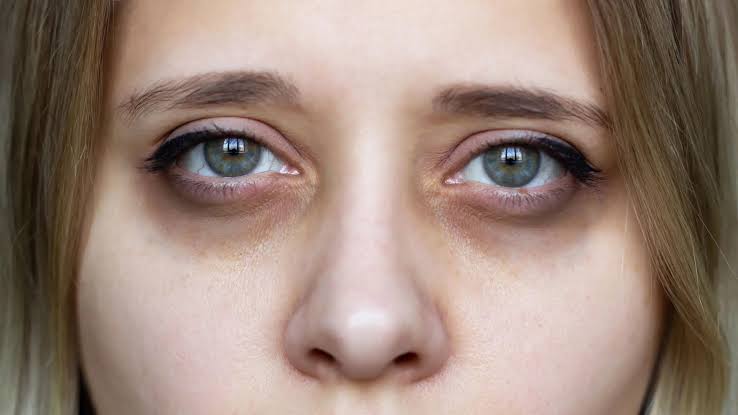
Why do my eyes look sunken in is a question many people ask when they notice hollow shadows or a tired, hollowed-out appearance under their eyes. Sunken eyes happen when the skin and fat under the eyes thin out or shift, letting the bone structure show through more clearly.
Common causes include aging, dehydration, poor sleep, weight loss, and genetics, though sometimes it signals a medical issue like anemia or an eye injury.
Most cases are cosmetic and manageable with lifestyle changes, but persistent or sudden sunken eyes may need medical attention.
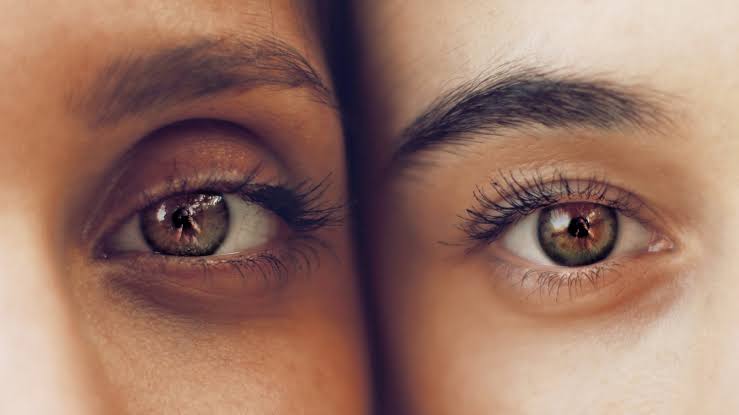
Sunken eyes are eyes that appear dark or hollow, as if they’re sitting deeper within their sockets than usual. The skin under the eyes is delicate, which is why it sometimes appears sunken and darker than the rest of the face.
The medical term for this look is tear trough hollows, or in more clinical cases, enophthalmos. It describes a visible change in the eye area, not a disease itself.
In most cases, sunken eyes are caused by aging, dehydration, lack of sleep, or genetics. These factors reduce fat and collagen around the eyes, making the bone structure more visible.
Sunken eyes can be prevalent in older adults, but younger people experience them too, especially with poor sleep habits or rapid weight loss.
Aging is one of the most common reasons eyes start to look hollow. As we get older, our bodies lose collagen, which is responsible for keeping skin firm and full.
This collagen loss is often first noticeable in the face, particularly in the thin, delicate skin around the eyes, making them appear to recede into the skull.
Poor sleep is a major, very fixable cause. Either not enough sleep or poor-quality sleep, such as difficulty falling asleep or waking up repeatedly, can lead to sunken eyes and dark circles.
Chronic sleep deprivation compounds this effect over time, making the hollow appearance harder to reverse with just one good night’s rest.
Not drinking enough water shows up quickly around the eyes. Dehydration can take a toll on your health and your skin, contributing directly to the appearance of sunken eyes.
The skin under the eyes is especially thin, so even mild dehydration can make hollows and shadows more noticeable than elsewhere on the face.
Some people are simply born with a more hollow eye structure. A person’s genetics can cause deep-set or sunken eyes, since the position of the eyes in the sockets is largely determined by DNA.
If sunken eyes run in your family, this is likely a lifelong trait rather than a sign of an underlying health issue.
Losing weight quickly affects the whole face, including the eye area. Extreme weight loss may cause blood vessels below the eyes to become more prominent, and skin can become more transparent, deepening the sunken look.
Diets that cause rapid weight change can shift fatty tissue around the face, hollowing out areas that used to appear fuller.
What you eat plays a real role in how your eyes look. A lack of essential nutrients like vitamin C, vitamin K, or iron can weaken the skin and worsen the appearance of sunken eyes.
Iron deficiency specifically can lead to anemia, which makes skin appear paler and creates more contrast with the hollows under the eyes.
Smoking accelerates skin aging around the eyes more than many people realize. Smoking causes collagen and skin elasticity degradation, which speeds up the hollowing process over time.
Research has also linked smoking with tear-trough hollowing among other visible signs of premature facial aging.
Sometimes sunken eyes appear suddenly after an injury. If you have an eye injury or a fracture of the bones around your eyes, inflammation and swelling can create this appearance.
This type of sunken eye often affects just one side and should be evaluated by a doctor to rule out serious orbital damage.
Allergic rhinitis, also called hay fever, can cause dark circles to form under the eyes and give them a sunken look. Sinus infections can produce a similar temporary effect.
Unlike aging-related hollows, this type of sunken appearance often improves once the underlying allergy or sinus issue is treated.
Certain medications list changes in facial appearance as a side effect, including a sunken look around the eyes. Adrenal fatigue and other endocrine problems have also been linked to this appearance.
If sunken eyes appear alongside other unexplained symptoms, reviewing current medications with a doctor is a reasonable first step.
| Cause | Typical Onset | Reversible? |
|---|---|---|
| Aging | Gradual, over years | Partially, with treatment |
| Lack of sleep | Days to weeks | Yes, with better sleep |
| Dehydration | Hours to days | Yes, quickly |
| Genetics | Lifelong | Not naturally |
| Rapid weight loss | Weeks to months | Partially |
| Nutrient deficiency | Weeks to months | Yes, with diet changes |
| Smoking | Gradual, over years | Partially |
| Eye injury | Sudden | Depends on severity |
| Allergies/sinus issues | Days, comes and goes | Yes, once treated |
| Medications | Varies | Often, after stopping |
Yes, this is a very common part of aging. Most of the time, it’s not considered a medical problem. As we get older, we lose fat and bone density around our faces, including near the eyes.
There’s also a decline in the supporting structures that hold facial tissue in place, which naturally deepens the eye area over time.
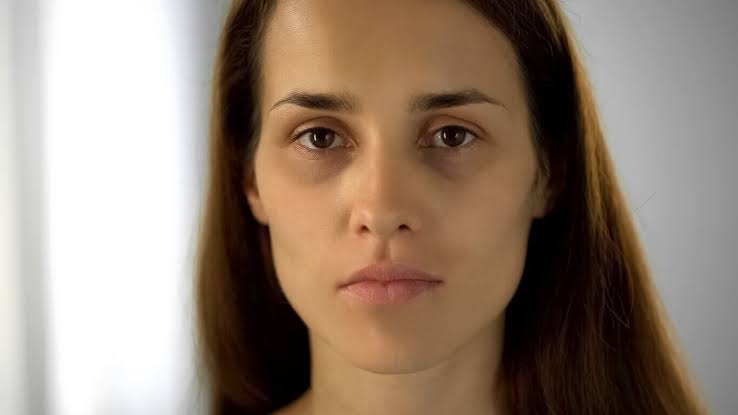
Sunken eyes rarely show up completely alone. Dark shadows or discoloration under the eyes are the most commonly reported companion symptom.
Some people with more pronounced hollowing, especially from enophthalmos, may experience double vision or blurred vision due to changes in eye positioning.
Facial asymmetry is another possible sign, where one side of the face looks noticeably different from the other in more advanced cases.
While most sunken eyes are cosmetic, some cases need medical attention. If a child has sunken eyes along with diarrhea and vomiting, see a doctor, since this could indicate serious dehydration.
Other warning signs of dehydration include excessive thirst, low urine output, dry mouth, and in severe cases, lethargy or decreased responsiveness.
Sudden sunken eyes on just one side, especially after trauma, should always be evaluated promptly to rule out an orbital fracture.
| Symptom Combination | Possible Concern |
|---|---|
| Sunken eyes + vomiting/diarrhea (children) | Severe dehydration |
| Sudden, one-sided sunken eye | Possible orbital fracture |
| Sunken eyes + double vision | Enophthalmos, needs evaluation |
| Sunken eyes + extreme fatigue | Possible anemia or illness |
| Sunken eyes + unexplained weight loss | Needs medical review |
These two often appear together but aren’t identical. Dark circles refer to discoloration under the eyes, while sunken eyes describe an actual change in shape and depth.
People with sunken eyes notice a hollow space along with dark shadows underneath, and the two conditions often intensify each other’s visible effect.
Enophthalmos is the medical term for when your eyes are sunken in. The word breaks down from “en,” meaning in, and “ophthalmos,” meaning eye.
This condition is typically caused by structural changes to the eye socket, such as bone fractures, rather than the everyday causes like dehydration or poor sleep.
Many home strategies can noticeably improve sunken eyes over time. Staying hydrated is one of the simplest and most effective steps, since dehydration directly worsens the hollow look.
Getting between 7 and 9 hours of sleep each night allows your body to heal and rejuvenate, helping reduce both hollowing and dark circles.
A nutrient-rich diet with vitamins A, C, and E supports healthy cell regeneration, keeping skin firmer and reducing the appearance of sunken eyes.
| Remedy | How It Helps |
|---|---|
| Drink more water | Plumps skin, reduces hollow look |
| 7-9 hours of sleep | Reduces dark circles and hollowing |
| Cold compress | Reduces puffiness, brightens appearance |
| Iron-rich foods | Addresses anemia-related paleness |
| Vitamin C/E rich foods | Supports collagen and skin firmness |
| Limit smoking/alcohol | Slows collagen breakdown |
Diet plays a bigger role in eye appearance than many people expect. Iron-rich foods like lean red meat, kale, spinach, beans, chickpeas, and lentils can help address anemia-related paleness around the eyes.
Leafy greens, citrus fruits, nuts, and carrots provide vitamins that support skin regeneration and firmness in the delicate under-eye area.
When lifestyle changes aren’t enough, several medical options exist. Dermal fillers using hyaluronic acid are a popular, minimally invasive option for restoring volume under the eyes.
In cases involving significant loose skin, eyelid cosmetic surgery, known as blepharoplasty, can remove excess skin contributing to the sunken appearance.
For structural causes like bone fractures, treatment depends heavily on the underlying cause and severity, often requiring specialist evaluation.
| Treatment | Best For |
|---|---|
| Dermal fillers | Volume loss from aging |
| Blepharoplasty | Excess loose eyelid skin |
| Hydration/lifestyle changes | Mild, temporary sunken eyes |
| Iron supplementation | Anemia-related paleness |
| Surgical repair | Orbital fractures |
Some causes, like genetics, can’t be prevented, but many others can be managed proactively. Consistent hydration and sleep habits go a long way in preventing early hollowing.
Avoiding rapid weight loss diets and limiting smoking and heavy alcohol use can also slow down age-related collagen breakdown around the eyes.
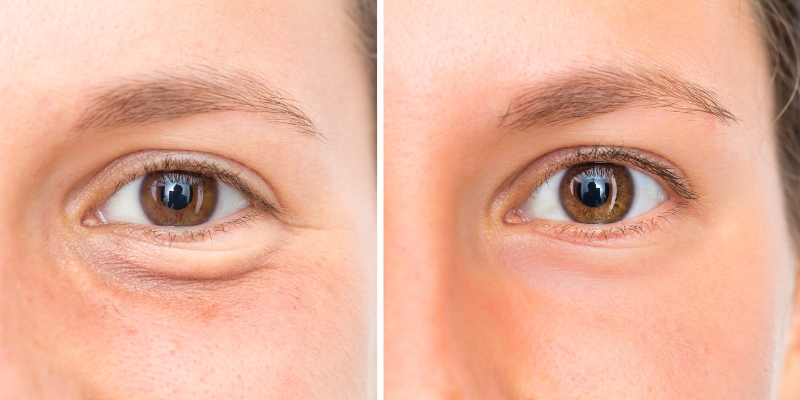
In children, sunken eyes are most often linked to dehydration rather than aging or genetics. This is especially true if it appears suddenly alongside vomiting or diarrhea.
Watching for additional signs like dry mouth, reduced urination, or unusual sleepiness helps parents catch dehydration early before it becomes severe.
Sun exposure can indirectly worsen the appearance of sunken eyes. Sun exposure causes the body to produce more melanin, which darkens skin, including the delicate area under the eyes.
If you already have darker under-eye skin due to genetics, sun exposure can intensify this discoloration, making hollows more visible by contrast.
Most sunken eyes don’t require medical care, but some situations warrant a visit. A doctor will typically ask for a medical history and examine the face and eyes to decide if treatment is necessary.
Sudden onset, one-sided hollowing, vision changes, or signs of severe dehydration are all reasons to seek prompt medical evaluation rather than waiting it out.
Chronic stress can contribute to sunken eyes indirectly, mostly by disrupting sleep and eating habits. When you’re stressed, your body often produces more cortisol, which can affect skin elasticity over time.
Poor sleep from stress compounds with reduced appetite or unhealthy eating, both of which speed up the hollow, tired appearance around the eyes.
Managing stress through regular routines, relaxation techniques, or simply prioritizing rest can indirectly improve how rested your eyes look.
Extended screen use doesn’t cause structural sunken eyes, but it can make existing hollows look more pronounced. Eye strain leads to squinting and reduced blinking, which can create fatigue lines around the eyes.
Taking regular breaks from screens and ensuring proper lighting while working can reduce this temporary, strain-related appearance of tired, hollow eyes.
While not a permanent fix, certain makeup techniques can visually soften sunken eyes for special occasions. A color corrector in a peach or salmon tone can help neutralize dark shadows under the eyes.
Light-reflecting concealer applied in a triangle shape under the eyes can help bounce light and reduce the appearance of hollowing temporarily.
Avoiding heavy shimmer directly in the hollow area, and instead applying it to the brow bone, can also create a more lifted, less sunken look.
| Technique | Effect |
|---|---|
| Peach/salmon color corrector | Neutralizes dark shadows |
| Light-reflecting concealer | Bounces light, softens hollows |
| Triangle concealer placement | Brightens under-eye area broadly |
| Shimmer on brow bone, not hollow | Creates lifted appearance |
| Setting powder, light layer | Prevents concealer from creasing |
How you sleep can subtly affect how your eyes look each morning. Sleeping flat on your back without elevation can allow fluid to pool differently around the eyes overnight.
Using an extra pillow to slightly elevate your head may help reduce puffiness and shadowing, making sunken eyes look less pronounced upon waking.
Since dehydration is one of the most common and reversible causes of sunken eyes, understanding proper hydration matters. General guidance suggests around 8 cups of water daily for most adults, though needs vary by activity level and climate.
Signs of adequate hydration include pale yellow urine, moist lips, and skin that bounces back quickly when gently pinched.
Consistently drinking water throughout the day, rather than large amounts at once, tends to be more effective for maintaining skin plumpness around the eyes.
Regular physical activity supports healthy blood circulation, which can benefit skin appearance throughout the face, including around the eyes. Improved circulation helps deliver nutrients and oxygen to skin cells more efficiently.
Moderate exercise also supports better sleep quality, indirectly reducing one of the most common contributors to a tired, hollow-eyed appearance.
Recovery time depends heavily on the underlying cause. Dehydration-related sunken eyes can improve within a day or two of consistent water intake.
Sleep-related hollowing often improves within a week of consistently getting 7 to 9 hours of rest each night.
Age-related or genetic hollowing, however, typically requires cosmetic treatment like fillers for noticeable, lasting improvement rather than lifestyle changes alone.
| Cause | Expected Improvement Timeline |
|---|---|
| Dehydration | 1-2 days with proper water intake |
| Poor sleep | 1-2 weeks of consistent rest |
| Nutrient deficiency | Several weeks with diet changes |
| Aging/genetics | Requires cosmetic treatment |
| Allergies/sinus issues | Days, once treated |
A few everyday habits can unintentionally worsen the sunken look. Rubbing your eyes frequently can break down the delicate collagen in the surrounding skin over time.
Skipping sunscreen around the eye area allows UV damage to accelerate collagen loss, deepening hollows faster than they would otherwise develop.
Excessive caffeine or alcohol intake can also worsen dehydration, undoing the benefits of an otherwise healthy hydration routine.
Sudden sunken eyes are often caused by dehydration, poor sleep, or occasionally an eye injury needing evaluation.
Yes, poor or insufficient sleep is one of the most common and reversible causes of sunken eyes.
Usually not, but sudden or severe cases can indicate dehydration, anemia, or trauma needing medical review.
Yes, staying hydrated often noticeably reduces the hollow appearance within a day or two.
Yes, genetics strongly influence eye socket shape and can cause a naturally hollow look.
Yes, rapid or extreme weight loss reduces facial fat, making eyes appear more hollow.
No, enophthalmos is a specific medical condition usually caused by bone or socket trauma.
Dermal fillers offer temporary improvement, typically lasting several months to over a year.
Yes, allergic rhinitis can cause dark circles and a temporary hollow appearance under the eyes.
Yes, especially if paired with vomiting or diarrhea, since this can signal dehydration.
Sunken eyes are usually the result of everyday factors like aging, dehydration, poor sleep, or genetics rather than a serious medical problem. Paying attention to how suddenly the change appeared, and whether it affects one eye or both, helps determine if home care is enough or a doctor’s visit is needed.
Simple habits like staying hydrated, prioritizing sleep, and eating a nutrient-rich diet can noticeably improve the appearance for many people. For more persistent or age-related hollowing, treatments like dermal fillers or eyelid surgery offer longer-lasting results.
If sunken eyes appear suddenly, affect only one side, or come with vision changes, seek medical evaluation right away. For most people, though, sunken eyes are a manageable cosmetic concern rather than a health emergency.