

Why do my eyes burn when I cry is a question millions of people ask — and it is more common than you might think. Crying is a natural human response to emotion, yet it often comes with an uncomfortable sting or burning sensation that feels contradictory.
Tears are supposed to soothe and protect your eyes, so why do they sometimes hurt? The answer is rooted in the chemistry of your tears, the health of your tear film, and any underlying eye conditions you may not even know you have.
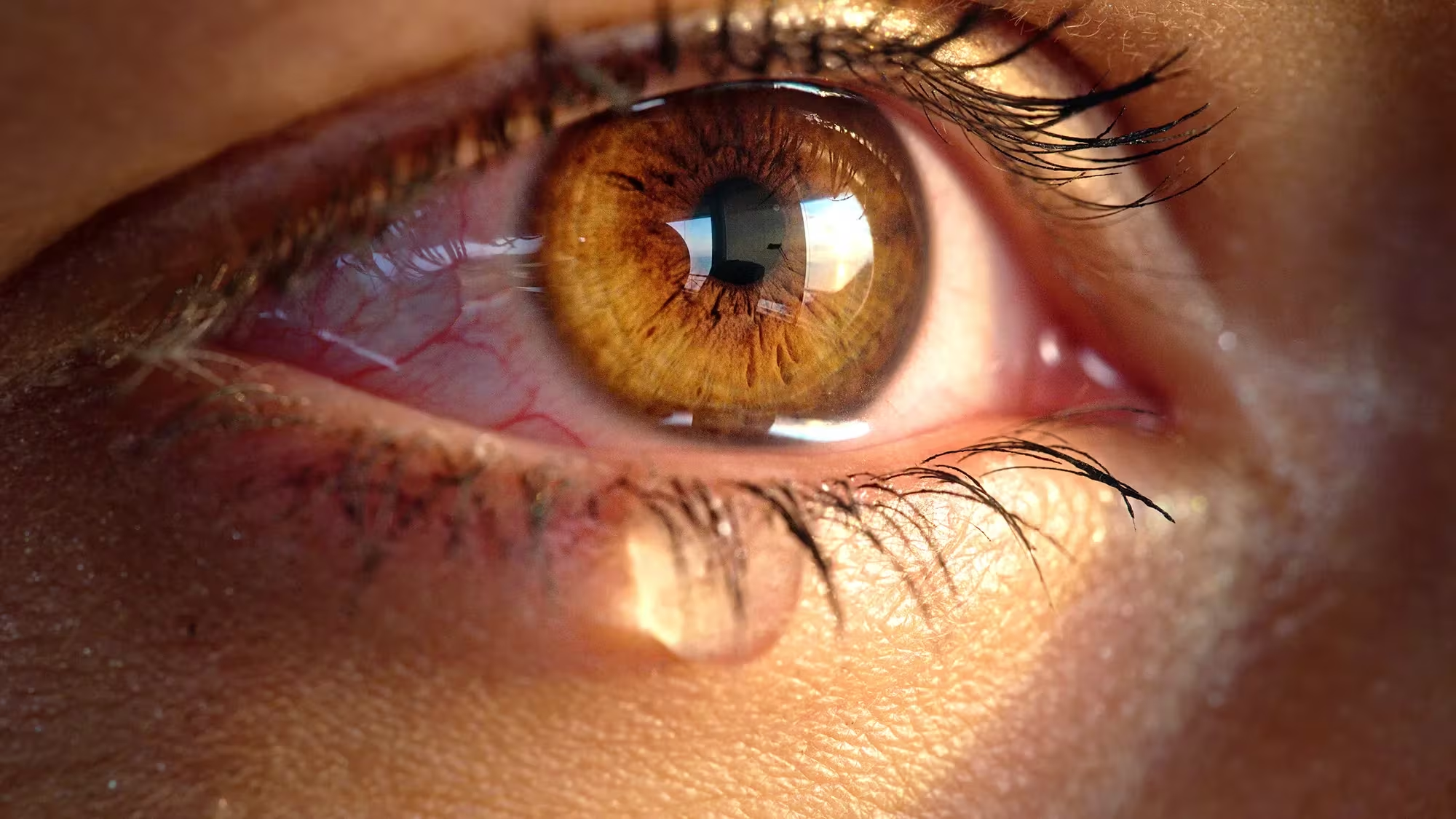
Yes, mild burning or stinging during or after crying is completely normal for most people. It happens because emotional tears have a different chemical makeup than the tears your eyes produce throughout the day.
That said, the intensity and frequency of the burning matters. Occasional, brief stinging that resolves within minutes is typical. Persistent, intense, or worsening burning after every episode of crying is a signal worth investigating.
Understanding what is behind the sensation helps you distinguish between a harmless reaction and something that needs attention.
Your tears are a sophisticated biological fluid — not simply salty water. They contain water, oils, proteins, enzymes, antibodies, electrolytes, and stress hormones, all working together to protect and lubricate your eye surface.
The average person produces between 15 and 30 gallons of tears every year, according to the American Academy of Ophthalmology. Those tears are not all the same type or composition.
Understanding the three types of tears is the starting point for understanding why your eyes burn when you cry.
| Tear Type | Produced By | Purpose | Composition |
|---|---|---|---|
| Basal tears | Lacrimal glands continuously | Lubrication, oxygen delivery, debris removal | Balanced water, oils, proteins |
| Reflex tears | Triggered by irritants | Flush out smoke, dust, onions, foreign objects | Higher salt, more antibodies, enzymes |
| Emotional tears | Triggered by emotional stress | Release stress hormones, social communication | Stress hormones, leucine enkephalin, ACTH, higher salt |
Each type of tear is chemically distinct. This difference is central to why your eyes burn during emotional crying specifically.
Emotional tears are chemically different from basal tears in ways that directly irritate the eye surface.
Research from institutions including the Schepens Eye Research Institute has found that emotional tears contain elevated levels of stress-related substances. These include leucine enkephalin (a natural painkiller released during stress), adrenocorticotropic hormone (ACTH — a stress response marker), and higher concentrations of sodium chloride (salt).
When these tears flood your eye surface in large volumes, the sudden surge of salt and stress-related proteins disrupts the delicate osmotic balance of the tear film. This hyperosmolarity stresses the corneal epithelial cells, triggering inflammation and the familiar burning sensation.
The chemical signal sent by emotional tears is essentially telling your eye surface that something significant is happening internally — and your cornea responds with irritation.
The tear film is a thin, three-layered coating that covers the surface of your eye with every blink. When it is healthy and balanced, you feel nothing. When it is disrupted, you feel burning, dryness, and irritation.
The oily layer is the outermost layer, produced by the meibomian glands in your eyelids. It prevents tears from evaporating too quickly and keeps the surface smooth for clear vision.
The watery layer is the thickest middle layer. It hydrates the eye, delivers oxygen and nutrients, and washes away debris. This is the layer that surges dramatically during emotional crying.
The mucous layer sits closest to the eye surface. It helps the tear film spread evenly and stick to the cornea.
During emotional crying, the watery layer floods the eye, but the oily and mucous layers do not scale proportionally. This imbalance destabilizes the entire tear film, leading to rapid evaporation and dry spots on the cornea — even while your eyes are visibly wet with tears.
All tears contain sodium chloride (salt). But during prolonged emotional crying, salt concentration builds up on the corneal surface as tears evaporate faster than they are replaced by fresh fluid.
This concentrated salt creates an osmotic imbalance that stresses the delicate cells of the corneal epithelium. The nerves in the cornea — which are among the most sensitive in the entire human body — detect this chemical change and signal burning or stinging.
This is the same mechanism that makes sweat sting your eyes after exercise. The salt concentration is the culprit, not the water itself.
In dry or windy environments, the evaporation rate increases and the salt concentration on the cornea becomes even higher, making burning after crying more intense.
When your eyes encounter irritants — smoke, dust, onion fumes, strong cleaning products, or even chlorine in a swimming pool — your lacrimal glands produce reflex tears to flush them out.
Reflex tears are specifically designed to fight irritants. They contain a higher concentration of antibodies, lysozyme (an antibacterial enzyme), and salt compared to basal tears.
It is this elevated salt and antibody content that causes stinging as reflex tears do their work. The burning is a sign the tears are actively fighting the irritant, not a sign that something is wrong.
Once the irritant is flushed away, the burning typically stops quickly. This is different from the lingering sting that may follow emotional crying.
Dry eye syndrome is the most frequent underlying reason why eyes burn more intensely during crying. It affects tens of millions of people worldwide and is often undiagnosed.
Dry eye occurs when your eyes either do not produce enough tears or produce tears of poor quality. The result is an unstable tear film that cannot properly protect and hydrate the corneal surface.
When someone with dry eye cries emotionally, the surge of watery tears initially provides brief relief — but these emotional tears evaporate quickly, leaving the cornea even more exposed than before. The burn that follows is worse than in people with healthy tear production.
Paradoxically, dry eyes can also cause reflex tearing — the eyes produce excess watery tears trying to compensate for the dryness. But since these tears are missing the critical oily layer, they do not solve the problem and the irritation cycle continues.
| Risk Factor | Details |
|---|---|
| Age over 50 | Tear production naturally decreases with age |
| Female hormones | Hormonal changes after menopause reduce tear quality |
| Screen time | Reduced blink rate dries the tear film faster |
| Contact lens wear | Lenses absorb moisture from the tear film |
| Certain medications | Antihistamines, antidepressants, and blood pressure drugs reduce tear production |
| Autoimmune conditions | Sjögren’s syndrome specifically attacks moisture-producing glands |
| Dry or air-conditioned environments | Accelerate tear evaporation |
| Dehydration | Reduces availability of water for tear production |
If you frequently experience burning eyes when crying, dry eye syndrome is the first condition to rule out with an eye care professional.

Blepharitis is a chronic inflammation of the eyelids characterized by redness, swelling, and crusty or flaky debris at the base of the eyelashes. It is one of the most common eye conditions and a major contributor to burning eyes during crying.
The meibomian glands — which produce the oily layer of the tear film — run along the inner edge of the eyelids. In blepharitis, these glands become clogged or infected, reducing the quality and quantity of oil they produce.
Without adequate oil in the tear film, tears evaporate far too quickly. When emotional tears flood a compromised tear film, rapid evaporation leaves behind concentrated salt on the corneal surface — intensifying the burn significantly.
Blepharitis can be caused by bacterial overgrowth on the eyelid margin, seborrheic dermatitis (dandruff of the scalp and eyebrows), rosacea, Demodex mites infesting the eyelash follicles, or meibomian gland dysfunction (MGD).
People with blepharitis commonly experience a gritty or burning sensation in the eyes, excessive tearing, red or swollen eyelids, crusty eyelashes — especially in the morning, dry eyes despite apparent tearing, and increased light sensitivity.
Blepharitis does not go away on its own, but it can be effectively managed with a daily lid hygiene routine.
Allergic conjunctivitis is another common reason eyes burn more intensely during crying. When allergens such as pollen, dust mites, pet dander, or mold enter the eyes, the immune system releases histamine to fight them.
Histamine sensitizes the nerve endings in the eye, making the surface more reactive to any stimulation — including the chemical changes that occur during emotional or reflex tearing.
If you cry during allergy season and your eyes burn particularly badly, the allergic inflammation is amplifying what would otherwise be mild irritation from the tears themselves.
Eye allergies typically affect both eyes at the same time and are accompanied by itching, redness, sneezing, and nasal congestion. This combination of symptoms helps distinguish allergy-related burning from other causes.
Rubbing your eyes while crying makes allergic burning significantly worse. Mechanical friction inflames the conjunctiva and can spread allergen particles deeper into the eye surface.
Wearing contact lenses during emotional crying can intensify burning for several reasons.
Contact lenses absorb components of emotional tears, concentrating salt and stress-related proteins directly against the cornea. The lens acts like a sponge that holds irritants in close contact with the most sensitive surface of the eye.
Contact lenses also reduce oxygen delivery to the cornea and can dry out during prolonged crying, as the tear film is disturbed by the large volume of emotional tears flowing across the lens surface.
If you frequently experience intense burning while crying with contact lenses, remove them during an emotional episode and allow your eyes to recover with lubricating drops before reinserting.
Wearing glasses on high-stress or emotionally demanding days is a simple preventive measure recommended by many optometrists.
Cosmetics are a frequently overlooked cause of burning eyes during crying. Mascara, eyeliner, eye shadow, and even foundation can migrate into the eyes when tears flow, introducing chemical irritants to the corneal surface.
Waterproof makeup formulations are particularly problematic. They contain stronger binding agents and solvents that, when dissolved by tears, can create mildly caustic compounds that sting the eyes.
Face creams, sunscreens, and serums around the eye area can also wash into the eyes during crying, especially if they contain retinoids, alpha hydroxy acids, or fragrances.
Removing eye makeup before emotionally intense situations (movies, funerals, difficult conversations) and choosing hypoallergenic, ophthalmologist-tested products reduces the risk of cosmetic-related burning.
When your body is dehydrated, tear production suffers. Tears require water — and when the body is short on fluids, the lacrimal glands produce fewer and lower-quality tears.
Dehydrated tears tend to have a higher salt concentration than normal, which makes them more likely to irritate the cornea. Even a moderate level of dehydration can make eyes feel drier, grittier, and more prone to burning.
Drinking adequate water throughout the day — typically 8 or more glasses — is one of the simplest and most underused strategies for improving tear quality and reducing eye sensitivity.
Caffeine and alcohol both have dehydrating effects that can worsen tear film quality over time, contributing to eye dryness and increased burning sensitivity.

The environment you are in when you cry can significantly affect how much your eyes burn.
| Environmental Factor | Effect on Eye Burning |
|---|---|
| Low humidity (dry air, heated rooms) | Accelerates tear evaporation, concentrates salt on cornea |
| Air conditioning or heating vents | Directs dry air across the eye surface, worsening evaporation |
| Wind exposure | Rapidly strips the tear film, increases burning |
| Smoke or air pollution | Introduces irritants that trigger reflex tearing and burning |
| High altitude | Lower humidity and air pressure dries the tear film faster |
| Bright sunlight or UV exposure | Irritates the corneal surface and sensitizes nerve endings |
Being in a dry, heated indoor environment — typical of winter months or air-conditioned offices — makes post-crying burning noticeably worse. Using a humidifier in your home or workplace helps maintain ambient moisture levels that reduce eye dryness.
One of the most instinctive responses to crying is rubbing the eyes. It feels momentarily soothing — but it almost always intensifies the burning and prolongs recovery.
Rubbing inflames the delicate conjunctival tissue lining the inner eyelids and eye surface. It can cause micro-abrasions on the corneal epithelium, especially if hands are not clean or nails are long.
In people with allergies, rubbing releases more histamine from mast cells in the eye tissue, dramatically increasing itching and burning.
Instead of rubbing, gently press a clean, cool cloth against closed eyes, or use preservative-free artificial tears to rinse and lubricate the surface without mechanical friction.
Most cases of post-crying eye burning respond well to simple at-home care. Here are the most effective approaches:
Use artificial tears. Preservative-free lubricating eye drops add moisture, dilute irritants, and help restore the tear film balance. Apply 1–2 drops in each eye after crying. Use preservative-free formulations if you need drops more than 4 times a day.
Apply a cool compress. A clean cloth dampened with cool water and placed over closed eyelids for 5–10 minutes reduces inflammation and soothes burning from allergies or excessive tearing.
Apply a warm compress for blepharitis. If clogged meibomian glands are the issue, a warm compress for 5–10 minutes softens blocked oil and allows it to flow, improving tear film quality. Follow with gentle lid cleansing.
Clean your eyelids gently. For blepharitis, use a clean washcloth moistened with diluted baby shampoo to gently scrub along the eyelash base. Rinse thoroughly with clean water.
Blink more frequently. Blinking redistributes the tear film across the corneal surface, reducing dry spots and salt buildup. Consciously blinking during and after crying helps stabilize the tear film.
Stay hydrated. Drink water before and after an emotional episode to support healthy tear composition.
Use a humidifier. Maintaining indoor humidity between 40–60% reduces tear evaporation and makes post-crying recovery faster and more comfortable.
Remove contact lenses. Take out lenses before an anticipated emotional episode or as soon as burning begins. Give your eyes time to recover before reinserting.
Avoid rubbing. As tempting as it feels, keep your hands away from your eyes. Use a tissue to gently absorb excess tears from the corners of the eyes instead.
Several over-the-counter products are effective for managing burning eyes when crying:
| Product Type | Best For | Examples |
|---|---|---|
| Preservative-free artificial tears | Dry eye, post-crying irritation | Systane Ultra PF, Refresh Optive PF |
| Antihistamine eye drops | Allergy-related burning and itching | Zaditor, Alaway |
| Allergy/redness relief drops | Short-term allergy symptom relief | Visine Allergy |
| Lubricating gel eye drops | Severe dryness, overnight use | Systane Gel, GenTeal Gel |
| Heated eye masks (reusable) | Blepharitis, meibomian gland issues | Bruder Moist Heat Eye Compress |
| Lid cleaning wipes | Blepharitis daily hygiene | OCuSOFT Lid Scrub, CLIRADEX |
Avoid using redness-relieving drops (those containing tetrahydrozoline or naphazoline) as a regular solution for burning eyes. These vasoconstrictors reduce visible redness temporarily but do not address the underlying cause and can cause rebound redness with frequent use.
When home remedies are not enough, an eye care professional has several effective treatment options.
Prescription cyclosporine drops (Restasis, Cequa): These anti-inflammatory eye drops reduce corneal inflammation and help restore healthy tear production in chronic dry eye disease. They take 3–6 months to show full effect.
Antibiotic eye drops or ointments: For blepharitis caused by bacterial overgrowth, prescription antibiotics reduce the microbial load on the eyelid margin and lower inflammation.
Steroid eye drops: Short-term use of corticosteroid drops controls acute inflammation in the eye surface or eyelids. They are not recommended for long-term use due to potential side effects including elevated eye pressure.
Punctal plugs: Tiny silicone plugs inserted into the tear drainage ducts slow tear drainage and keep more moisture on the eye surface. This is a simple, painless office procedure that helps moderate to severe dry eye.
Intense pulsed light therapy (IPL): A non-laser light treatment applied to eyelid skin that liquefies blockages in the meibomian glands and reduces eyelid redness. Effective for blepharitis related to rosacea or meibomian gland dysfunction.
Thermal pulsation (LipiFlow): A device applied to the eyelids delivers controlled heat and massage to unclog the meibomian glands from the inside and outside simultaneously. Often produces significant improvement in tear film quality.
Allergen immunotherapy: For patients with severe eye allergies, a course of allergy shots or sublingual drops can desensitize the immune system to specific allergens, reducing the baseline inflammation that makes crying burn worse.

Persistent burning eyes — not just when crying but throughout the day — may point to a systemic condition that requires medical management.
Sjögren’s syndrome is an autoimmune disorder that specifically targets the moisture-producing glands throughout the body, including the lacrimal glands. It causes severe dry eye and makes crying particularly uncomfortable. It is more common in women over 40.
Rosacea is a chronic skin condition that frequently involves the eyelids and meibomian glands (ocular rosacea). It disrupts the oily layer of the tear film, causing persistent burning and sensitivity.
Rheumatoid arthritis and other autoimmune conditions can cause secondary dry eye through inflammation that affects lacrimal gland function.
Diabetes affects the small blood vessels and nerves throughout the body, including those that supply the cornea and lacrimal glands. Diabetic patients frequently experience dry eye and increased corneal sensitivity.
Thyroid eye disease causes the eyes to be pushed forward slightly, increasing surface area exposed to air and accelerating tear evaporation.
If you have a known autoimmune or systemic condition and experience frequent burning eyes when crying, work with both your primary physician and an eye specialist for coordinated management.
Most cases of burning eyes when crying are mild and self-limiting. But there are clear signs that professional evaluation is needed.
| See an Eye Doctor If… | Reason |
|---|---|
| Burning persists for hours after crying | Possible tear film dysfunction or infection |
| Burning is getting worse over time | Underlying dry eye or blepharitis may be progressing |
| You have blurred vision along with burning | Corneal involvement needs assessment |
| Eyes are red and swollen for more than 24 hours | Could indicate conjunctivitis or allergic reaction |
| You have discharge or crusting around the lashes | Signs of infection or significant blepharitis |
| Home remedies provide no relief after 2 weeks | Need professional diagnosis and prescription treatment |
| You have a known autoimmune condition | Requires coordinated eye care |
| You wear contacts and burning is frequent | Contact lens fit, material, or solution may need changing |
An optometrist or ophthalmologist can diagnose the cause of burning eyes through a slit-lamp examination, tear film analysis, corneal staining, and meibomian gland imaging. Treatment is highly effective once the specific cause is identified.
What you eat and how you live directly affects the quality of your tear film — and by extension, how much your eyes burn when you cry.
Omega-3 fatty acids are among the most evidence-supported nutritional supplements for dry eye and blepharitis. Found in fish oil, flaxseed oil, and walnuts, omega-3s reduce eyelid inflammation and improve meibomian gland oil quality. Many ophthalmologists recommend 1,000–2,000 mg of EPA/DHA daily.
Vitamins A, C, E, and B12 all support eye health and tear film stability. Vitamin A is especially critical — deficiency directly impairs goblet cells that produce the mucous layer of the tear film.
Hydration is fundamental. The tear film is primarily water, and even mild chronic dehydration thickens tear film composition and reduces lubrication.
Reduce screen time and take breaks. The average blink rate drops from 15–20 blinks per minute to about 5–7 blinks per minute when staring at screens. This reduced blinking dries the tear film substantially over a workday.
Follow the 20-20-20 rule. Every 20 minutes of screen use, look at something 20 feet away for 20 seconds. This gives the tear film time to redistribute and reduces cumulative dryness.
Limit alcohol and caffeine. Both have diuretic effects that can dehydrate the body and reduce tear volume and quality over time.
You cannot always prevent crying — nor should you. But you can reduce the burning that follows with consistent habits:
Use artificial tears before anticipated emotional events like funerals, difficult conversations, or emotionally charged films. Pre-lubricating the eye surface buffers the sudden influx of emotional tears.
Maintain a daily lid hygiene routine if you have blepharitis. Clean eyelids consistently reduce meibomian gland blockage and improve background tear film quality.
Wear glasses rather than contact lenses on emotionally demanding days. This simple switch eliminates the lens-related concentration of tear irritants on the cornea.
Choose hypoallergenic, ophthalmologist-tested makeup. Waterproof formulas increase the risk of chemical irritation during crying.
Keep a humidifier running in dry environments. Maintaining air moisture above 40% significantly reduces tear evaporation and post-crying burn.
Manage underlying conditions proactively. Treating seasonal allergies with antihistamines before symptoms peak, or keeping dry eye under control with daily lubricating drops, means your baseline eye health is better when emotional tears do arrive.
Emotional tears have a different chemical composition than regular lubricating tears — they contain higher salt, stress hormones, and proteins that can irritate the corneal surface rather than soothe it.
Mild, brief stinging is normal and affects most people. Intense burning that lasts for hours or worsens over time is not typical and may indicate dry eye syndrome, blepharitis, or allergies that need treatment.
During crying, the volume of tears may temporarily mask irritation. Afterward, as tears evaporate, concentrated salt and proteins remain on the corneal surface, triggering the burning sensation once the tear flow slows.
Yes. In people with dry eye, emotional tears evaporate quickly because the oily layer of the tear film is compromised. This leaves the cornea more exposed than before crying, temporarily worsening dryness and burning.
Contact lenses absorb components of emotional tears, trapping concentrated salt and proteins directly against the cornea. Removing lenses before or during emotional episodes reduces this significantly.
Yes. Allergic inflammation sensitizes corneal nerve endings, making the eye surface more reactive to the chemical changes in emotional tears. The combination of histamine release and tear composition disruption causes intense burning.
Apply preservative-free artificial tears immediately, use a cool compress over closed eyelids for 5–10 minutes, blink frequently to redistribute the tear film, and avoid rubbing — rubbing always makes burning worse.
If burning is intense, lasts more than an hour, is accompanied by redness or blurred vision, or is getting worse over time, yes — see an optometrist or ophthalmologist for a tear film evaluation and diagnosis.
Yes. Adequate hydration supports better quality tear production. Dehydration increases the salt concentration in tears, making them more irritating to the corneal surface during any episode of increased tearing.
Yes. Dry eye syndrome, blepharitis, allergic conjunctivitis, Sjögren’s syndrome, ocular rosacea, and meibomian gland dysfunction are all conditions that cause chronic eye sensitivity and make crying consistently more painful.
Why do my eyes burn when I cry has a clear answer rooted in biology: emotional tears are chemically distinct from the tears your eyes produce all day, and the sudden surge of salt, stress hormones, and proteins can destabilize the tear film and irritate the sensitive corneal surface. For most people, this burning is brief, mild, and completely normal.
But if the burning is intense, lingers for hours, or happens every single time you shed tears, it is likely a sign of an underlying condition — most commonly dry eye syndrome, blepharitis, or eye allergies.
Simple remedies like preservative-free artificial tears, cool compresses, proper hydration, and lid hygiene solve the problem for most people. If symptoms persist, an eye doctor can identify the cause and provide targeted treatment that makes a real difference. Your eyes should recover quickly after crying — and with the right care, they will.