

If you ask yourself “Why Do I Feel Tired When I Wake Up?” almost every morning, you’re not alone. Millions of people open their eyes feeling groggy, heavy, and unrested, even after sleeping a full seven or eight hours.
The honest answer is that waking up tired rarely comes from one single cause. It’s usually a mix of sleep quality, timing, lifestyle habits, and sometimes an underlying health condition working against you.

Most morning grogginess comes from sleep inertia, the natural transition period your brain goes through as it shifts from sleep to full alertness. This normally fades within 15 to 60 minutes.
But if the tiredness lingers all day, the real cause is usually poor sleep quality, an inconsistent sleep schedule, caffeine or alcohol close to bedtime, or an undiagnosed sleep disorder like sleep apnea.
Sleep inertia is the grogginess and slower thinking you feel right after waking up. It happens because your brain doesn’t switch from sleep to full wakefulness instantly.
It’s more intense if your alarm interrupts a deep sleep stage instead of a lighter one. This is one of the most common answers to “why do I wake up tired” even when you slept enough hours.
Sleep inertia is temporary and usually fades within an hour, but a few habits can make it worse or longer-lasting.
Sleeping for eight hours doesn’t guarantee good rest. If your sleep is fragmented by frequent awakenings, you may never reach the deep and REM stages your body needs to feel recovered.
Quality sleep means cycling through all four sleep stages multiple times a night without constant interruption.
Your body naturally releases cortisol in the final stretch of sleep to help you wake up gently. An alarm that goes off during deep sleep instead skips that natural process, leaving you groggier than usual.
Going to bed and waking up at different times each day confuses your internal body clock, also called your circadian rhythm. This makes it harder for your body to predict when it should feel sleepy or alert.
Alcohol can help you fall asleep faster, but it fragments sleep later in the night and reduces time spent in restorative deep sleep. That’s why a night of drinking often ends with a groggy morning.
Caffeine blocks adenosine, the chemical that builds up sleep pressure throughout the day. If you drink coffee too late, leftover caffeine can quietly reduce sleep quality even if you fall asleep fine.
Sleep apnea causes repeated pauses or shallow breathing during sleep. Your brain briefly shifts to lighter sleep to restart normal breathing, which prevents deep, restorative rest without you fully realizing it.
This condition causes an uncontrollable urge to move your legs at night. Frequent leg movements disturb sleep depth, leaving you tired even after a full night in bed.
A room that’s too hot, too bright, or too noisy can trigger small awakenings you don’t remember. Over time, these micro-disruptions add up to noticeably worse sleep quality.
Low iron levels, for example, are linked to fatigue and can make waking up feel harder than it should. Vitamin D and B12 deficiencies are also commonly connected to low morning energy.
An anxious mind often struggles to fall into deep sleep and may wake more easily during the night. Persistent stress hormones can keep your body in a lighter, less restorative sleep state.
Depression is closely linked to fatigue and low energy, including feeling exhausted right after waking. If low mood and tiredness are both persistent, it’s worth discussing with a healthcare provider.
Everyone has a natural chronotype, or internal preference for when they sleep and wake best. Waking up at a time that fights your chronotype, such as an early alarm for a natural night owl, can make mornings feel miserable regardless of hours slept.

| Feature | Sleep Inertia | Chronic Morning Fatigue |
|---|---|---|
| Duration | 15–60 minutes after waking | Lasts most or all of the day |
| Cause | Normal brain transition from sleep to wake | Poor sleep quality, sleep disorders, or health issues |
| Frequency | Happens to almost everyone | Happens most or every morning |
| Needs medical attention | Usually not | Often yes, if persistent |
Go to bed and wake up at the same time daily, including weekends. This trains your circadian rhythm to expect sleep and wake times, making mornings noticeably easier over time.
Keep your bedroom cool, dark, and quiet. Avoid screens right before bed, since blue light can delay your body’s natural release of sleep hormones.
Avoid caffeine in the afternoon and evening, and limit alcohol close to bedtime. Both substances quietly reduce the amount of deep, restorative sleep you get.
Natural light exposure shortly after waking helps reset your circadian rhythm and supports better sleep timing the following night.
Regular exercise supports deeper sleep, though intense workouts too close to bedtime can have the opposite effect and delay sleep onset.
A sleep tracker or journal can help you notice patterns, such as which nights lead to the most grogginess. This information is also useful if you eventually speak with a doctor.
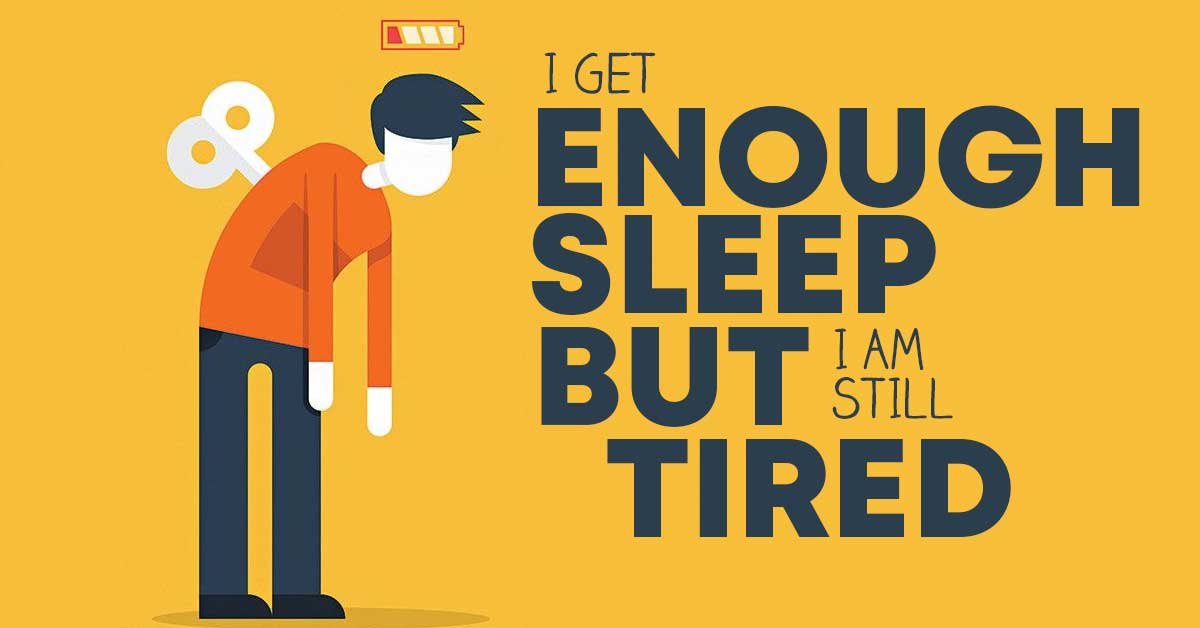
Occasional grogginess isn’t usually a concern. But you should speak with a healthcare provider if you consistently wake up exhausted despite sleeping enough hours, especially alongside other symptoms.
These signs can point to sleep apnea, restless legs syndrome, or another condition that a sleep specialist can properly diagnose.

Sleeping for 8 hours doesn’t guarantee restorative sleep. Fragmented or low-quality sleep can leave you fatigued even with a full night in bed.
Yes, this is usually sleep inertia, a natural transition period. It typically fades within 15 to 60 minutes.
Most people feel normal within 15 to 60 minutes, though it can occasionally last up to two hours.
Yes, caffeine consumed too late in the day can disrupt sleep quality even if you fall asleep without trouble.
Yes, alcohol reduces time spent in deep, restorative sleep, which often leads to grogginess the next morning.
Mild dehydration can contribute to fatigue and grogginess, so drinking enough water during the day may help.
This pattern often points to normal sleep inertia rather than an underlying disorder, since the tiredness fades on its own.
Yes, an uncomfortable mattress or pillow can cause micro-awakenings throughout the night without you realizing it.
Persistent fatigue is a common symptom of depression, especially when paired with low mood or loss of interest in daily activities.
Sleep apnea causes repeated breathing interruptions during sleep, preventing deep rest even if total sleep time seems adequate.
Yes, stress and anxiety can keep your body in lighter sleep stages, reducing the restorative quality of your sleep.
Yes, sleeping much longer than needed can leave you groggy, a pattern sometimes called sleep drunkenness.
Sleeping in disrupts your regular sleep schedule, which can throw off your circadian rhythm and cause extra grogginess.
Yes, iron deficiency anemia is linked to daytime tiredness and can make waking up feel especially difficult.
Regular exercise supports deeper sleep over time, though workouts too close to bedtime may make falling asleep harder.
Reduced sunlight exposure in winter can lower serotonin levels, which may leave you feeling more sluggish in the morning.
Yes, frequent leg movements at night reduce sleep depth, which can leave you tired even after a full night in bed.
A short nap of 20 minutes or less can help, but longer naps late in the day may interfere with nighttime sleep.
Yes, keeping the same sleep and wake times, even on weekends, helps regulate your internal clock and can reduce morning grogginess.
See a doctor if you consistently feel exhausted despite adequate sleep, especially with snoring, gasping, or persistent low mood.
So, why do you feel tired when you wake up? For most people, it’s a combination of natural sleep inertia and everyday habits like inconsistent bedtimes, caffeine, or alcohol quietly lowering sleep quality.
The good news is that small, consistent changes to your sleep schedule and environment can make a real difference within days. If tiredness persists despite your best efforts, don’t ignore it, since it could be a sign of an underlying sleep or health condition worth checking with a professional.