
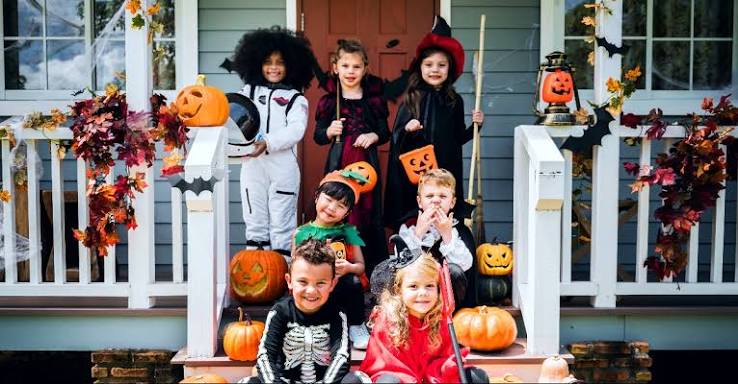
Why Do Christians Not Celebrate Halloween? Every October, the same question resurfaces in churches, homes, and online forums. Why do some Christians skip trick-or-treating altogether while others hand out candy without a second thought?
The honest answer is that Christians are not unified on Halloween. Some avoid it entirely because of its pagan roots and occult symbolism. Others see it as a harmless cultural tradition they can enjoy with a few boundaries.
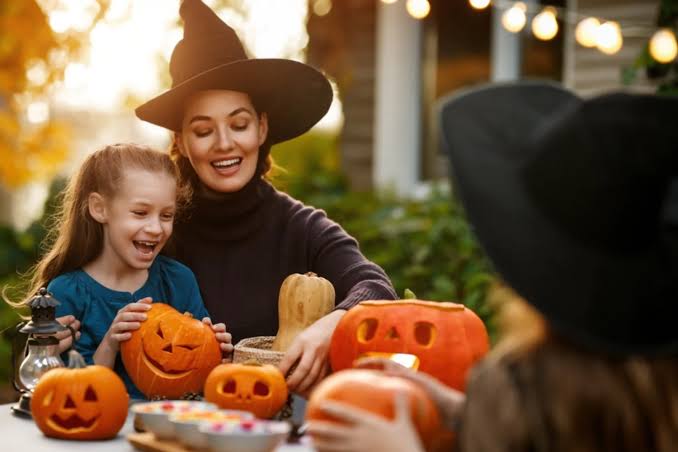
Many Christians do not celebrate Halloween because they connect it to pagan festivals like Samhain, occult imagery, and death-focused themes that conflict with their faith. Others avoid it simply as a matter of personal conviction, not doctrine, since Scripture never mentions Halloween by name.
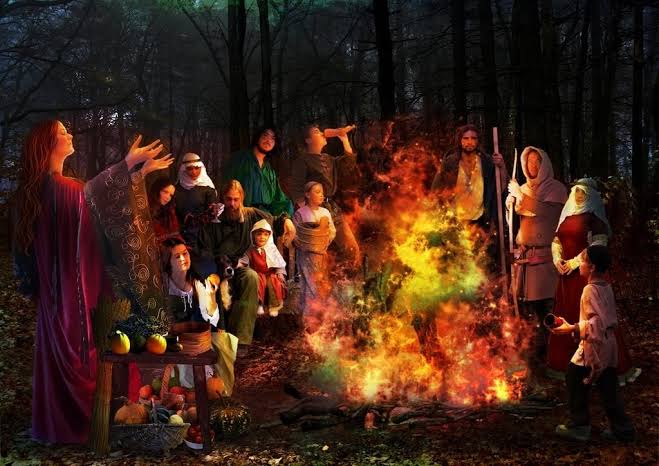
The most common reason cited is Halloween’s link to Samhain, a Celtic harvest festival marking the end of summer. Ancient Celts believed the boundary between the living and the dead thinned on this night.
Critics argue that costumes, jack-o’-lanterns, and ghost imagery trace back to practices meant to ward off spirits. For Christians who take this history seriously, celebrating the holiday feels like honoring customs the Bible warns against.
Not everyone agrees with this history, though. Some historians and theologians argue Halloween’s roots are more Christian than pagan, tied to All Hallows’ Eve before All Saints’ Day.
Halloween is never mentioned in Scripture, since it did not exist in its modern form during biblical times. Christians who avoid the holiday instead rely on broader biblical principles about avoiding occult practices.
| Bible Reference | Principle Applied |
|---|---|
| Deuteronomy 18:10-12 | Warns against divination, sorcery, and consulting the dead |
| Leviticus 19:31 | Instructs against turning to mediums or spiritists |
| Ephesians 5:11 | Calls believers to expose, not participate in, deeds of darkness |
| 1 Timothy 4:7 | Encourages rejecting “profane and old wives’ fables” |
| Philippians 4:8 | Directs focus toward what is true, noble, and pure |
Christians who avoid Halloween usually apply these verses as general wisdom rather than direct commands about the holiday itself.
Here are the most commonly cited reasons, drawn from pastors, theologians, and everyday believers.
Plenty of Christians see Halloween differently. Many Catholics observe All Hallows’ Eve as a lead-in to All Saints’ Day, a recognized part of the church calendar.
Other believers argue the modern holiday has been stripped of its pagan meaning entirely. To them, a child dressed as a superhero collecting candy has nothing to do with ancient ritual.
Focus on the Family and similar ministries note that dressing up is not inherently sinful, and that context and intent matter more than the calendar date. Many families choose modest costumes and skip anything tied to violence or the occult.
| Group | Common Approach |
|---|---|
| Catholic | Often observes All Saints’ and All Souls’ traditions |
| Evangelical / Protestant | Mixed, varies by church and family |
| Reformed / some Baptist churches | Frequently avoid it, cite pagan roots |
| Mainline Protestant | Often participates with few restrictions |
| Orthodox Jewish (for context) | Typically does not observe Halloween |
There is no single “Christian rule” on Halloween. Each denomination, and often each family, makes its own decision.
Families who skip Halloween rarely do nothing on October 31st. Several traditions have grown specifically as faith-based alternatives.
There is no universal formula, but most pastors suggest a few guiding questions rather than strict rules.
Answering these honestly tends to matter more than the holiday’s history itself.
Most pastors agree it is not inherently sinful. The concern usually centers on specific imagery or intent, not the calendar date itself.
Harvest festivals let families enjoy costumes, candy, and community without imagery tied to death or the occult. They give churches a controlled, family-friendly alternative.
It is linked to All Hallows’ Eve, the night before All Saints’ Day. Its deeper roots also connect to the Celtic festival of Samhain, so historians debate which influence came first.
Many Catholics do, often tying it to All Saints’ Day observances on November 1st. Practices vary widely by country and parish.
Reformation Day marks October 31, 1517, when Martin Luther posted his Ninety-Five Theses. Some Protestant families celebrate it instead of Halloween.
Many Christian parents allow trick-or-treating with simple guidelines, like avoiding violent or occult-themed costumes. It ultimately comes down to family conviction.
Nothing directly, since Halloween did not exist in its modern form during biblical times. Christians instead apply broader verses about avoiding occult practices and dark imagery.
Yes, many churches host trunk-or-treat events in parking lots. It offers a safe, community-based version of trick-or-treating.
Traditional Halloween imagery includes skeletons, ghosts, and graves. Critics argue this focus contrasts with a Christian emphasis on life and resurrection.
It varies by congregation. Some Baptist churches avoid it entirely, while others host harvest festivals as a compromise.
Not inherently. Most concerns focus on what the costume represents rather than costumes themselves.
There is no fixed age, but many parents begin simple conversations around ages 4 to 6, when children start noticing decorations and costumes.
No, Jehovah’s Witnesses do not celebrate Halloween due to its ties to pagan and spiritist practices.
Orthodox Christians generally do not have a Halloween tradition, though some observe related feast days tied to saints.
Halloween is the secular, costume-focused evening of October 31st. All Saints’ Day, observed November 1st, is a religious day honoring saints and departed believers.
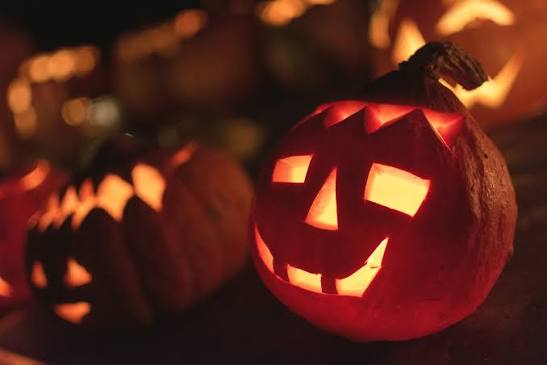
Most objections aren’t to pumpkin carving itself but to carving faces tied to spirits or death symbolism. Many Christian families carve pumpkins without any concern at all.
Rarely. The concern usually centers on symbolism and imagery, not the candy or costume material itself.
Many large churches host harvest festivals or trunk-or-treat nights specifically timed around October 31st. This lets them offer an alternative without ignoring the season entirely.
Most recommend prayerful discussion within the family rather than following a blanket rule. Personal conviction plays a bigger role than denominational stance.
Some critics raise this point, noting Christmas also has pre-Christian influences. Supporters respond that Christmas centers on Christ’s birth, while Halloween’s core imagery does not carry the same redemptive focus.
There is no single Christian rule about Halloween, only a range of convictions shaped by history, denomination, and personal belief. Some families avoid it entirely because of its pagan associations and death-focused imagery, while others celebrate it as a harmless cultural tradition or lean into faith-based alternatives like Reformation Day and harvest festivals.
What matters most, according to most pastors, is intentionality. Whether a family trick-or-treats, hosts a harvest party, or skips the night altogether, the decision usually comes down to conscience rather than command.