
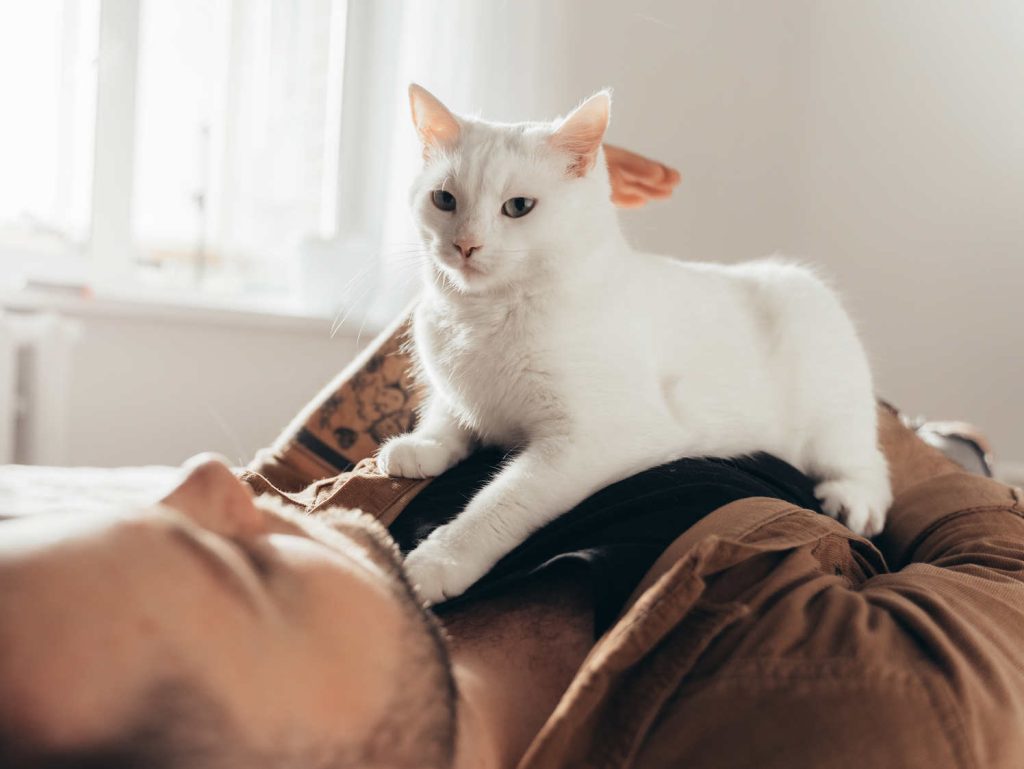
Why do cats lay on your chest is one of the most searched cat behavior questions among pet owners worldwide.
If your fluffy feline keeps climbing onto your chest every time you lie down, you are not alone — and there are actually several adorable, science-backed reasons behind this sweet habit.
Cats are complex creatures. They seem aloof one moment and deeply affectionate the next. Chest-laying is one of the most visible signs that your cat trusts and loves you.
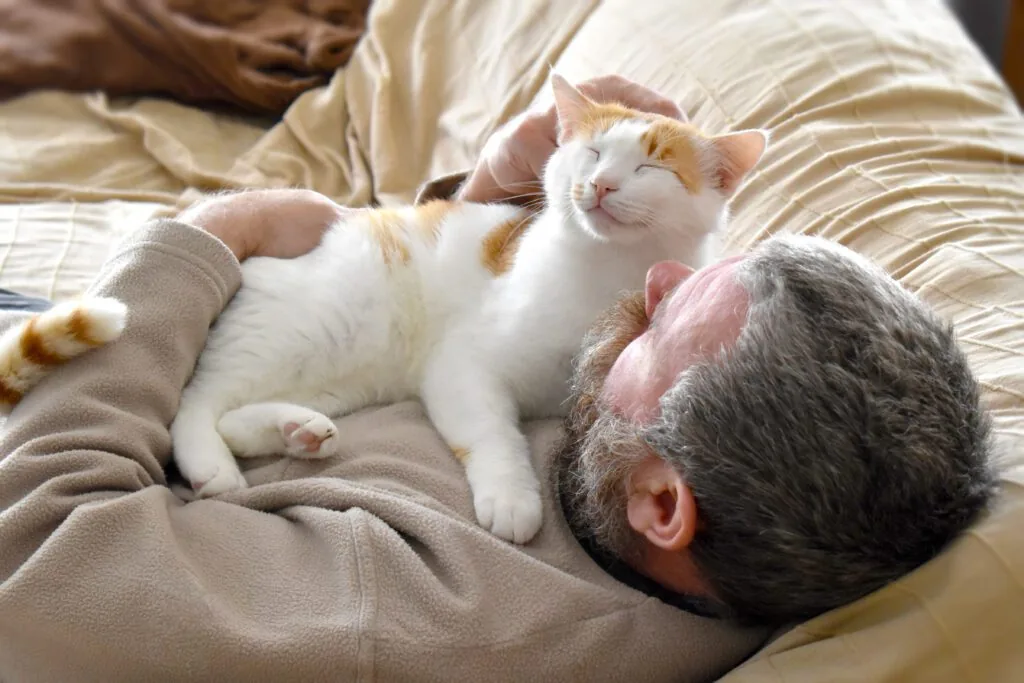
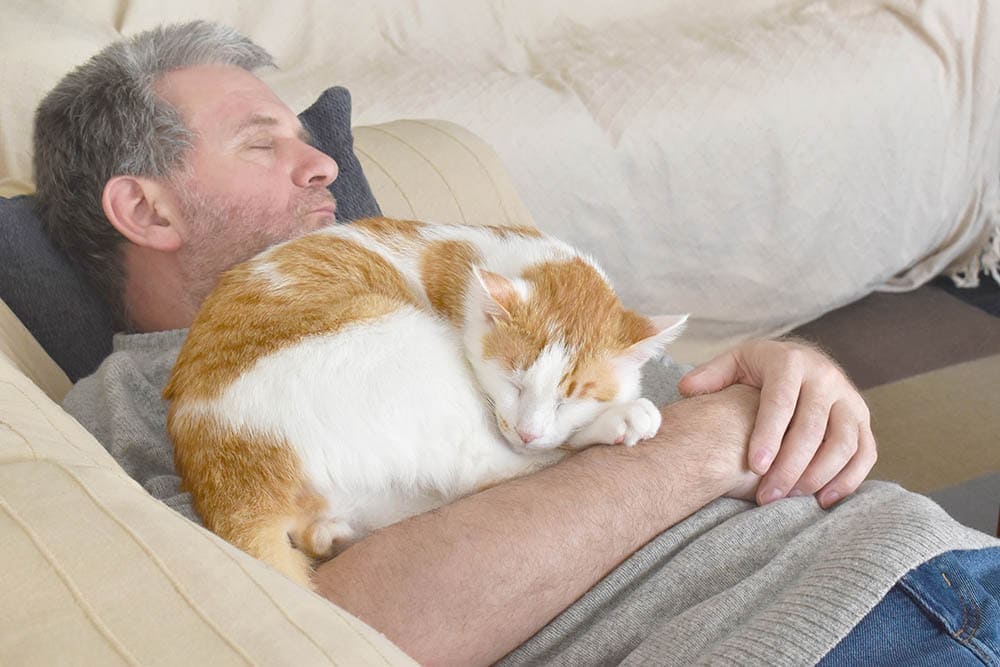
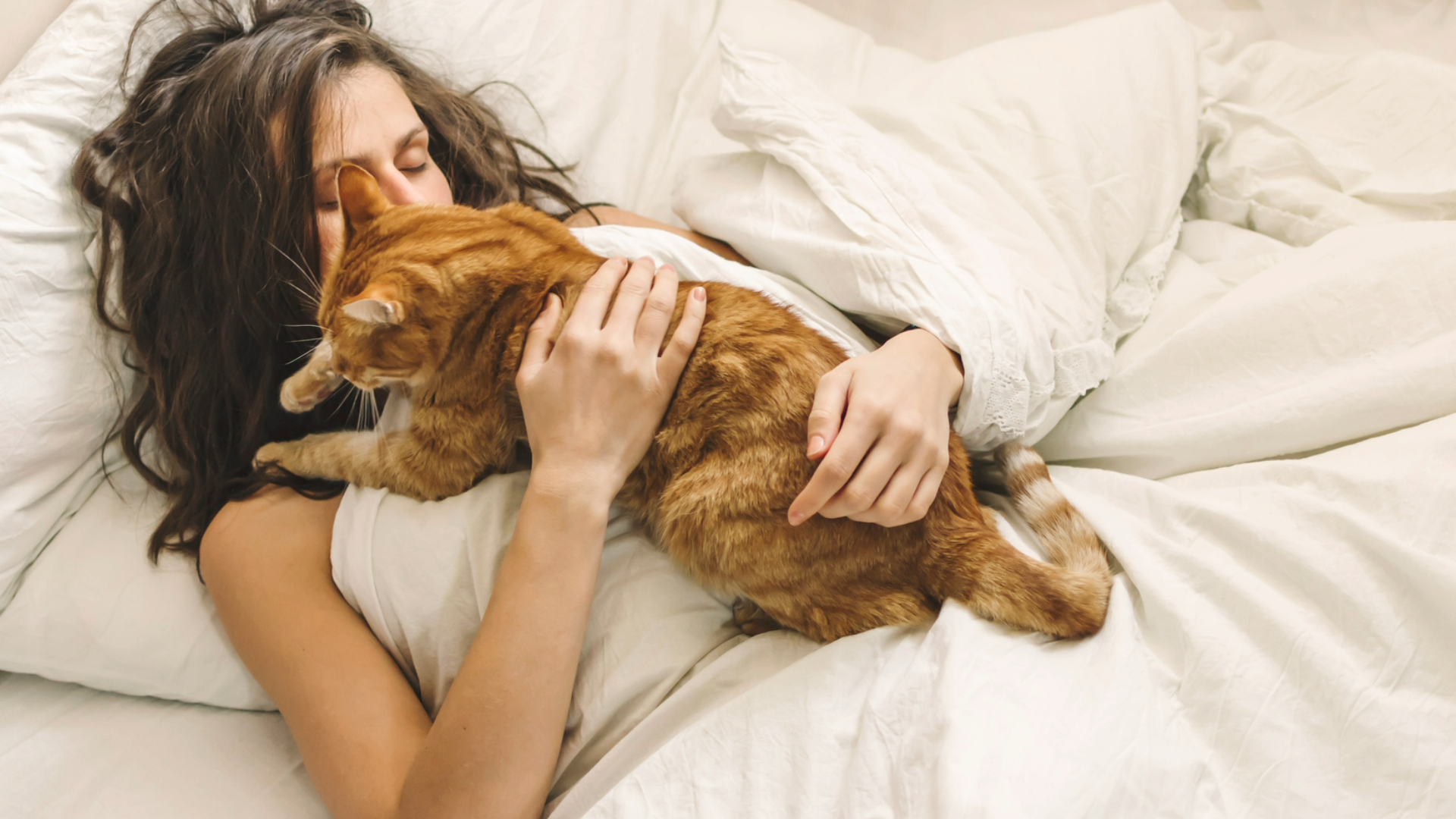
The simplest and most honest answer is love. Cats are not as emotionally detached as their reputation suggests. When your cat chooses your chest over their soft bed nearby, it is a clear sign of deep affection.
Cats form secure attachment bonds with their owners, similar to how infants bond with caregivers. Research published in the journal Current Biology confirmed that cats develop real emotional attachments to humans. Laying on your chest is one of the most direct ways they express this.
Your chest is not just warm — it is you. Your smell, your heartbeat, your voice. To your cat, lying on your chest means being as close to their favorite person as physically possible.
Your heartbeat is one of the most soothing sounds in nature for a cat. When a kitten is born, they spend weeks pressed against their mother, listening to her heartbeat. That rhythm becomes deeply associated with safety, warmth, and nourishment.
When your cat lays on your chest as an adult, they are reconnecting with that feeling. Your steady heartbeat tells them: everything is okay. This is the same reason babies are calmed by being held close to a parent’s chest.
Your cat is not just seeking warmth. They are seeking the specific comfort of a living, breathing body they trust.
Cats have a naturally higher body temperature than humans — around 101–102°F (38–39°C). To maintain this, they are constantly seeking warm spots. A sunny window, a warm laptop, a pile of fresh laundry — your cat has no shame about finding heat.
Your chest, covered in blankets, radiates consistent warmth. You are essentially a living heated cat bed. Unlike a radiator or electric blanket, you also smell familiar, move in calming rhythmic patterns, and respond to them with petting.
Warmth-seeking behavior is deeply wired into cats. It is not laziness — it is biological intelligence.
In the wild, cats are both predators and prey. This means they are always slightly on guard, especially during sleep. A sleeping cat is vulnerable. They expose their belly, lower their alertness, and become easy targets.
When a cat chooses to sleep on your chest, they are making themselves vulnerable on purpose. They trust you completely. They know you will not harm them, and they believe you will protect them while they rest.
This is one of the highest compliments a cat can give a human. If your cat sleeps on your chest, you have earned their deepest trust.
Cats communicate through scent more than any other method. They have scent glands on their cheeks, chin, forehead, and paws. When they rub against you or lay on you, they are depositing pheromones onto your body.
This behavior is called scent marking. It does not mean your cat owns you (well, maybe a little). It means they are creating a shared scent profile. To your cat, a person who smells like them is a safe person. Familiar smells mean security.
When your cat lays on your chest regularly, they are strengthening that scent bond every single time. Other cats in the household will also detect this and understand your cat’s relationship with you.
Beyond the heartbeat, your breathing creates a gentle rocking motion. Your chest rises and falls in a slow, predictable rhythm. For a cat, this movement mimics being carried or rocked — something deeply associated with being safe and cared for.
Cats that sleep on chests often press their bodies flat and synchronize their own breathing with yours. It is a form of co-regulation, similar to how humans feel calmer in the presence of another calm person.
Your breathing is, quite literally, a lullaby to your cat.
Cats experience stress and anxiety just like humans. New environments, loud noises, strangers, other animals, or changes in routine can all trigger anxiety in cats.
When your cat is feeling uncertain, your chest becomes a safe haven. Being close to you — hearing your heartbeat, smelling your familiar scent, feeling your warmth — tells their nervous system that everything is under control.
This behavior often increases when something has changed in your home. A new baby, a new pet, moving furniture, or a change in your schedule can all send your cat running to your chest for reassurance.
Cats are natural climbers and observers. They love elevated positions because it gives them a better view of their territory and makes them feel safer from ground-level threats.
Your chest, especially when you are lying down, is elevated from the floor. It gives your cat a wide view of the room. They can monitor the door, watch for movement, and feel secure knowing no threat can sneak up on them from behind — because you are behind them.
This explains why cats often face outward when lying on your chest. They are not being rude. They are standing guard.
You have probably noticed that your cat does not just lay on your chest — they also knead and purr. These behaviors go back to the earliest days of life. Kittens knead their mother’s belly to stimulate milk flow. Purring starts as a communication signal between kitten and mother.
When your adult cat kneads on your chest and purrs, they are experiencing a deep sense of comfort that takes them back to infancy. It is not a conscious decision. It is a reflex triggered by feeling safe, warm, and loved.
If your cat kneads on your chest, consider it one of the most sincere compliments they can offer.
Sometimes the reason is simple and slightly self-interested. Your cat knows that when they lay on your chest, you pay attention to them. You pet them. You talk to them. You stop scrolling through your phone.
Cats are smart. They learn quickly what behaviors get results. If laying on your chest has historically led to scratches behind the ears and soft words, your cat has filed that information away.
This is especially true around feeding time or when your cat has not had much interaction with you during the day.
This one might surprise you. Cats are territorial animals. In multi-cat households or homes with dogs, your cat may lay on your chest specifically to establish their place as your primary companion.
But even in single-cat homes, some cats appear to lay on their owners as a form of protection. They position themselves where they can observe the room and react to any threat. Whether they can actually protect you is debatable — but their intention seems real.
Your cat views you as part of their territory. And they take that seriously.
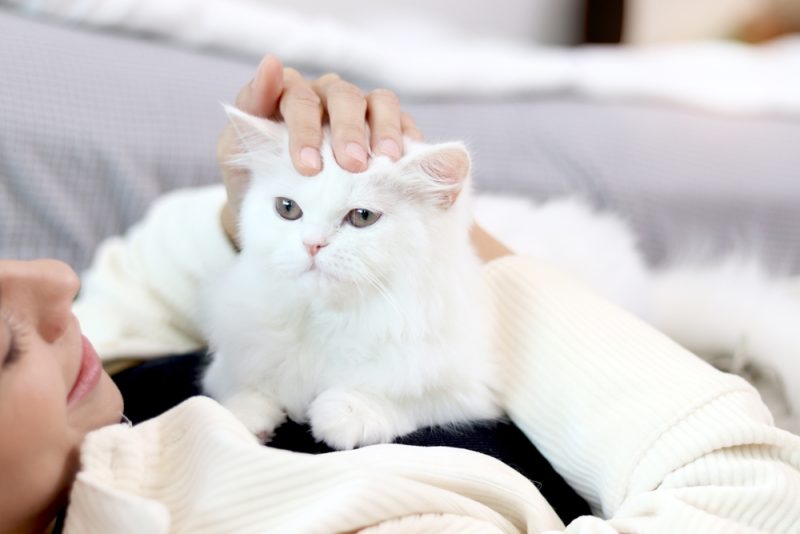
For most healthy adults, letting your cat lay on your chest is perfectly safe and even beneficial. Studies have shown that the presence of a cat can lower heart rate and blood pressure.
However, there are situations where you should be cautious.
| Situation | Recommendation |
|---|---|
| You have pet allergies or asthma | Limit chest sleeping; consult your doctor |
| You are a light sleeper | Consider a separate cat bed nearby |
| Your cat is overweight (over 12 lbs) | May affect breathing comfort |
| Children under age 5 | Do not allow cats to sleep on chest |
| You are pregnant | Consult a physician before allowing |
| Your cat is an outdoor cat | More risk of parasites; maintain deworming schedule |
| Your cat has not been dewormed | Update preventive treatments first |
There is real science behind the feel-good sensation of having your cat on your chest.
Research suggests that interactions with cats release oxytocin — the bonding hormone — in both the human and the cat. This improves mood, reduces stress, and strengthens the relationship between owner and pet.
The weighted sensation of a cat on your chest is similar to a light weighted blanket. It activates the parasympathetic nervous system, which is the body’s rest and recovery mode. This can improve sleep quality and reduce nighttime anxiety.
For people dealing with depression, loneliness, or chronic stress, a cat that sleeps on their chest can provide genuine therapeutic benefit. This is why cats are used in many animal-assisted therapy programs.
If your cat stares at you while lying on your chest, it is communicating. Slow blinks from a cat are the equivalent of a cat kiss — a sign of total trust and affection.
Try slow-blinking back. Many cats will return the slow blink, deepening the sense of connection. This is one of the simplest and most effective ways to communicate love back to your cat.
Direct staring without blinking, however, can signal that something has caught their attention or that they are assessing a potential threat in the environment.
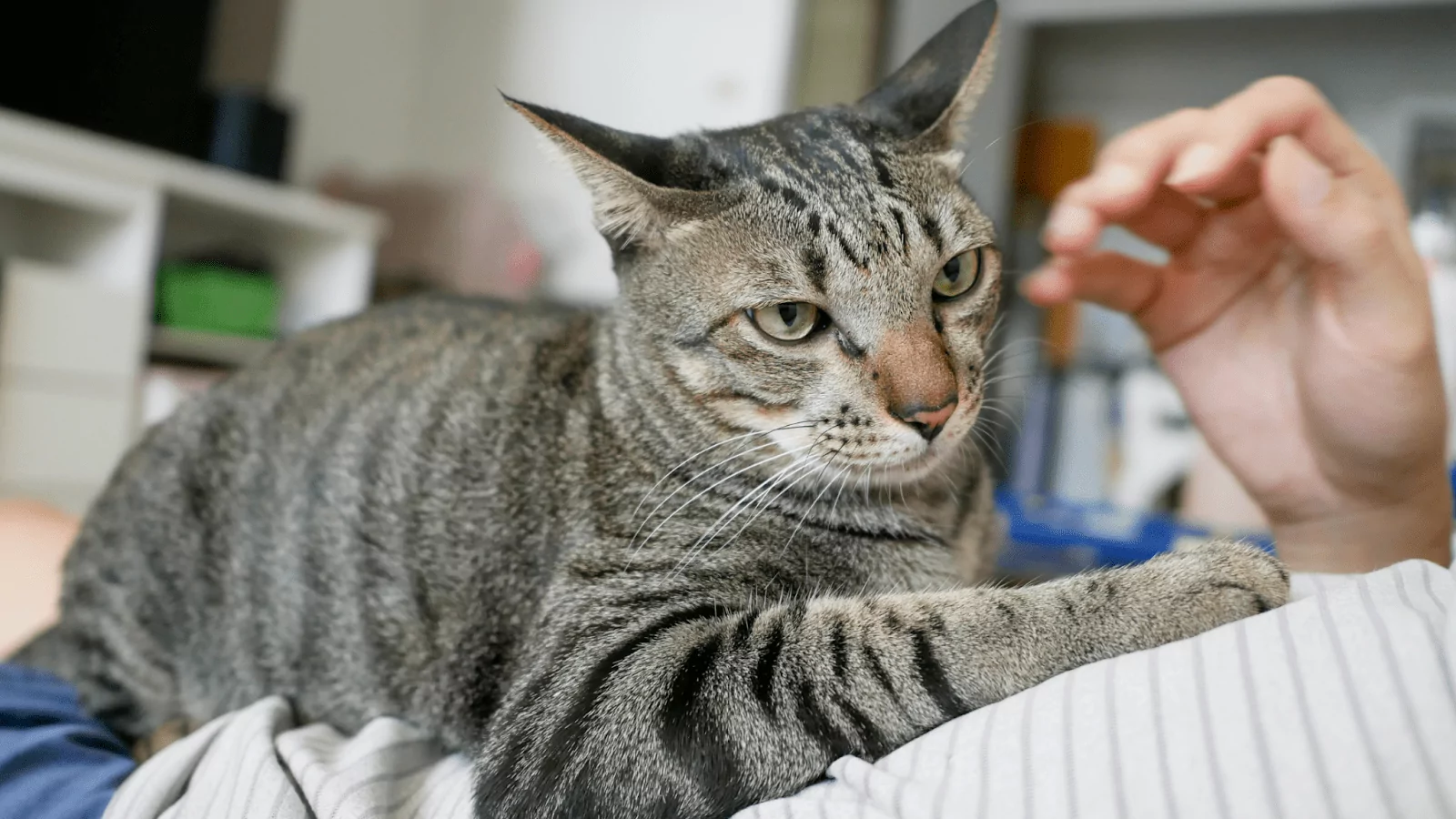
Cats are crepuscular, meaning they are most active at dawn and dusk. At night, when the household is quiet and there are fewer distractions, your cat may feel more drawn to closeness.
Nighttime is also when you are still and calm. You are not moving around, making noise, or giving them reasons to stay alert. Your slow breathing and warmth make you the perfect nighttime companion.
Some cats develop a strict nighttime routine of chest-sleeping. This is completely normal and usually reflects how settled and secure they feel in your home.
Kneading is a comfort behavior that begins in kittenhood. Kittens knead against their mother to stimulate milk flow. When cats carry this behavior into adulthood, it signals that they feel deeply at ease with you.
If your cat kneads your chest before or while lying down, it means your chest has become associated with maternal comfort. This is a deep compliment, even if their claws are a little sharp.
You can gently place a soft blanket between your cat and your chest to protect your skin while still allowing them to knead comfortably.
Cats are more emotionally perceptive than many people realize. Research has shown that cats respond to human emotional cues, including facial expressions, vocal tones, and body language.
When you are sad, your body language changes. You are still, quiet, and perhaps breathing differently. Your cat picks up on these signals and may interpret them as an invitation to be close.
Some cats appear to actively comfort their owners during distress. Whether this is empathy in the human sense is debated — but the behavior is real and consistent.
Your cat may not understand your feelings, but they understand you. And when you seem to need comfort, they offer the only thing they know how to give: their presence.
If you want to encourage this behavior:
Keep your bedtime routine calm and consistent. Avoid sudden movements when your cat approaches. Use a soft, welcoming voice. Let them settle at their own pace. Gentle petting during these moments reinforces that this is a welcome behavior.
If you want to discourage this behavior:
Never push your cat away harshly — this can damage trust and cause anxiety. Instead, gently lift them and place them on a nearby cat bed. Do this consistently. You can also make your chest less accessible by using thicker blankets or keeping a cushion on your chest.
Providing a high-quality, warm cat bed placed near your sleeping area gives your cat a comparable alternative. Heated cat beds are especially effective because they address the warmth-seeking motivation.
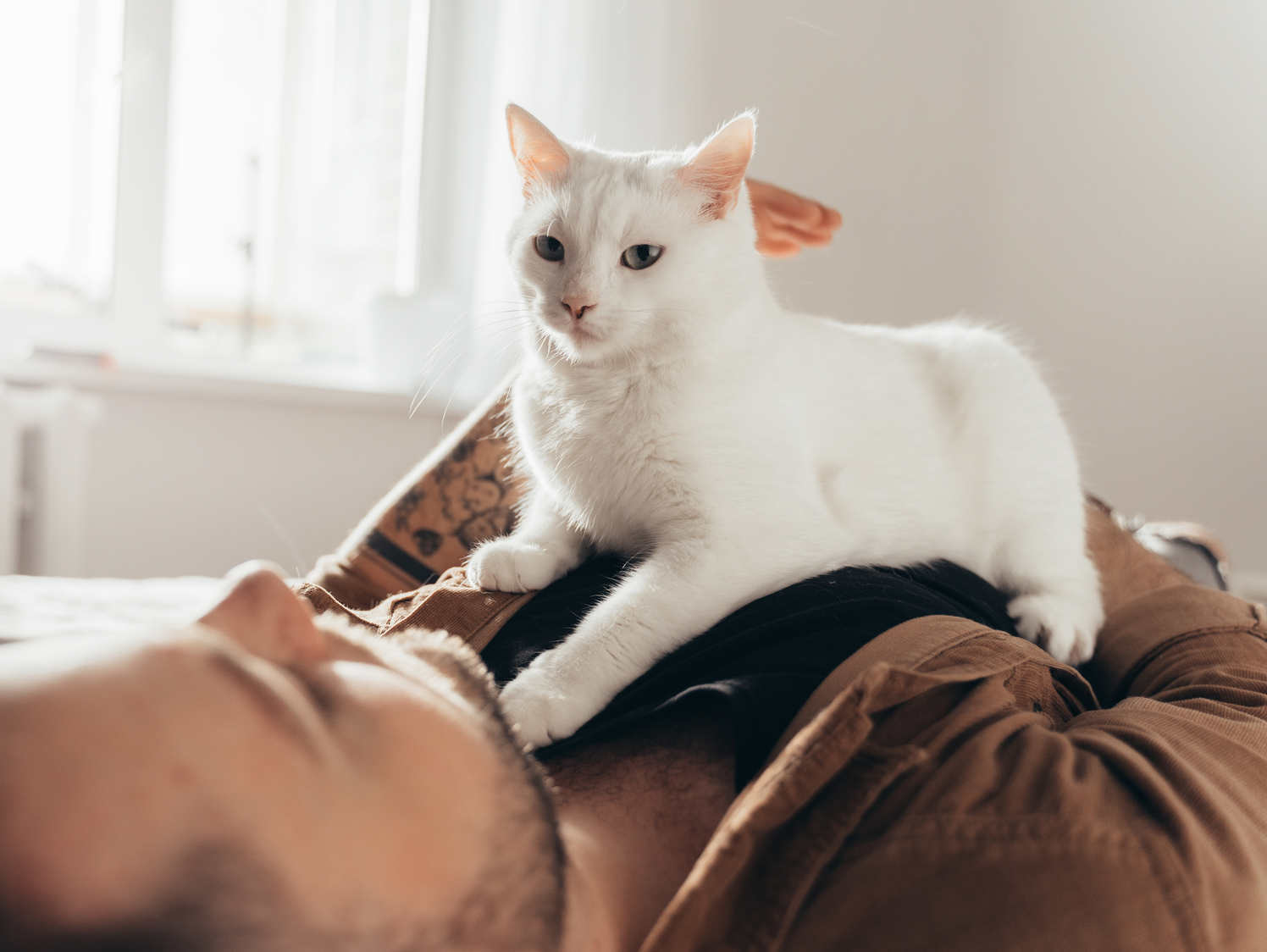
Close up view of the calm white cat laying at his bearded owner and looking at the camera while relaxing. Tattooed man stroking his pet. Animals and people concept
Both behaviors show affection, but they are slightly different in meaning.
| Behavior | What It Means |
|---|---|
| Sleeping on your lap | Affection, warmth, trust |
| Sleeping on your chest | Deep bonding, heartbeat comfort, full trust |
| Sleeping next to you | Trust, independence, needs personal space |
| Sleeping at your feet | Bonded but maintains escape route |
| Sleeping on your face | Extreme attachment, scent bonding |
Chest sleeping generally represents a deeper level of trust and attachment than lap sleeping. It requires the cat to be fully exposed and elevated — both vulnerable positions for a prey animal.
Not every cat is a chest sleeper, and that does not mean they love you less. Personality, background, and early socialization all play a role.
Cats that were not handled frequently as kittens may be less comfortable with close contact. Rescue cats with unknown histories may take years to develop this level of trust. Breeds known for independence, like Norwegian Forest Cats or Russian Blues, may prefer sleeping nearby rather than on top of you.
If your cat sleeps in the same room as you, rests their head on your leg, or chooses to sit within arm’s reach — these are all equally valid expressions of feline love.
Your chest offers warmth, a steady heartbeat, and a rhythmic breathing motion — all of which cats find deeply soothing and reminiscent of their mother’s presence from kittenhood.
Yes, absolutely. Chest sleeping is one of the clearest signs your cat trusts and loves you deeply. It means they feel safe and secure with you.
Purring signals contentment and relaxation. When your cat purrs on your chest, it means they are completely comfortable and happy in that moment.
Kneading is a kittenhood comfort behavior. When cats knead your chest, they are associating you with maternal warmth and safety — a sign of deep emotional bonding.
For healthy adults without allergies, it is generally safe. However, if your sleep quality suffers or you have respiratory issues, consider a nearby cat bed as an alternative.
Slow, relaxed staring is a sign of affection and trust in cats. If they slow-blink at you, slow-blink back — it is the cat version of saying “I love you.”
Cats feel calmer and more affectionate when the house is quiet. Your still, warm body at night is more inviting than during the busy daytime hours.
A change in routine, a new stressor, or even your cat aging and becoming more affectionate can trigger this new behavior. It usually signals they are seeking more closeness or reassurance.
For most people, no. But those with cat allergies, asthma, or respiratory issues should be cautious. Always keep up with your cat’s deworming and flea treatments.
Warmth is definitely part of the reason. Cats love heat sources, and your chest provides consistent, comfortable warmth — especially under blankets.
Why do cats lay on your chest comes down to one core truth: your cat adores you. Every time your cat climbs onto your chest and settles in with a purr, they are communicating trust, love, warmth-seeking, and security all at once. They are drawn to your heartbeat, your familiar scent, and the emotional safety that your presence provides.
This behavior is rooted in early kittenhood memories and strengthened through every positive interaction you have with your cat. It is one of the most tender and meaningful things a cat can do. Whether your cat does it every night or only occasionally, treat it as the compliment it truly is.
If you are comfortable and your health allows it, embrace these quiet chest-to-chest moments with your feline friend. They will not last forever — but the bond they build absolutely will.