
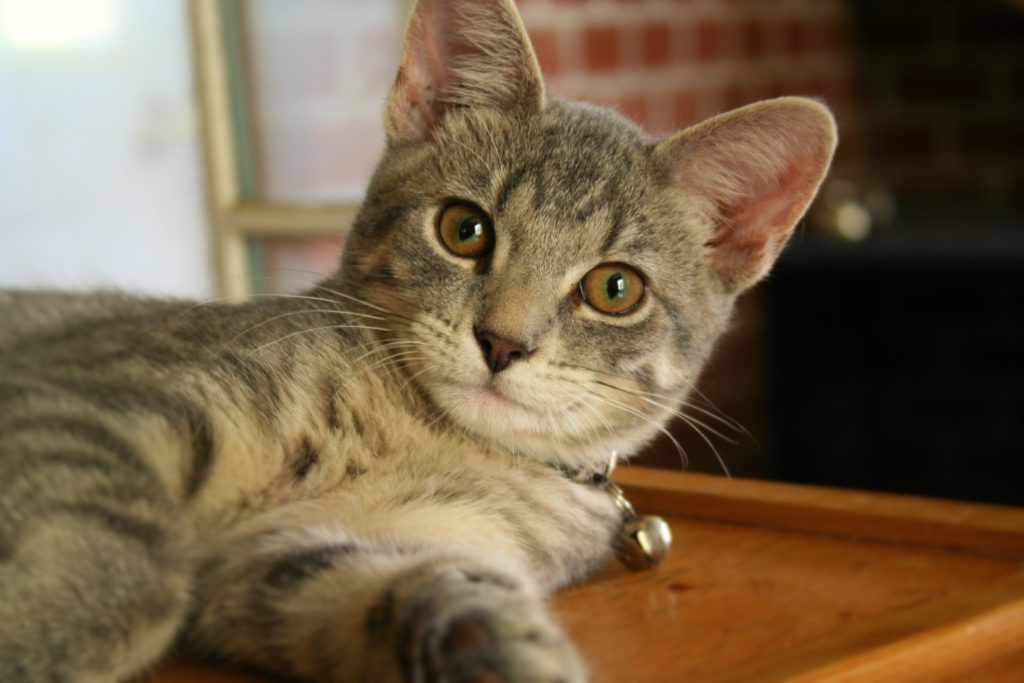
Why do cats eyes dilate is one of the most searched questions by cat owners who notice their feline’s pupils suddenly going wide and round. It can happen in a flash — one moment your cat has narrow slit-like pupils, and the next their eyes look like two giant black moons.
Sometimes it is completely harmless. Other times, it is your cat’s silent way of telling you something is wrong.
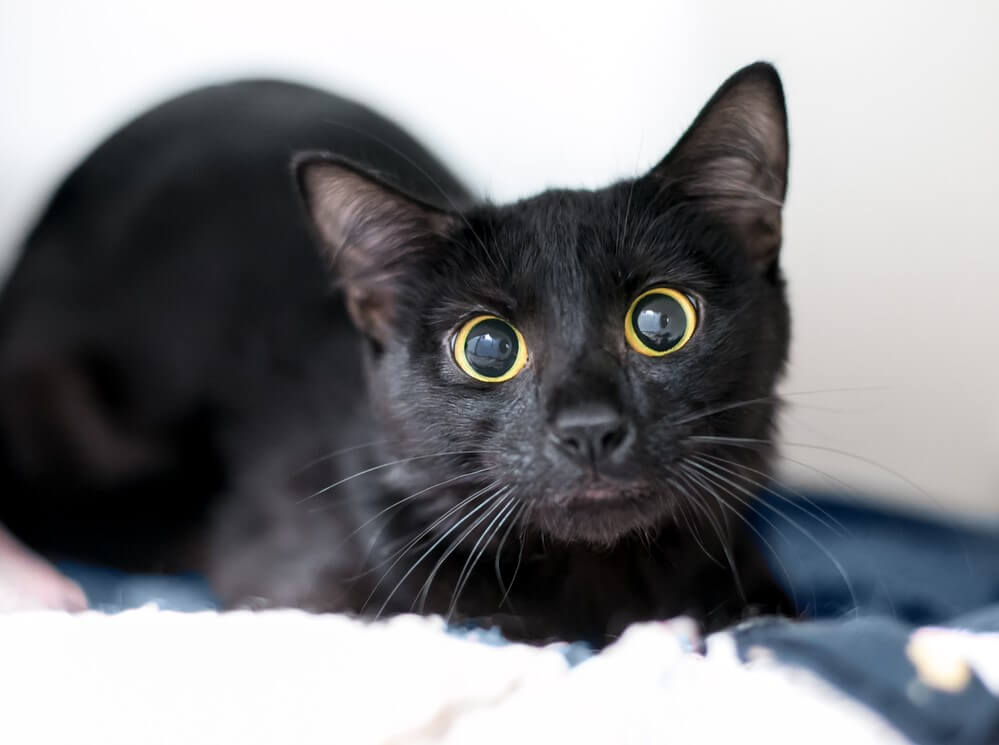
When a cat’s eyes dilate, the black part of the eye (the pupil) grows larger than usual. The iris — the colored ring around the pupil — becomes a thin outline as the pupil expands.
This happens because the muscles inside the iris relax, allowing the pupil to open wide. It is a reflex, meaning the cat does not control it consciously.
In normal lighting, a cat’s pupils are vertical slits. When dilated, they become large, round circles. This shape change is very noticeable and easy to spot.
A cat’s eye is built for low-light hunting. The pupil controls how much light reaches the retina at the back of the eye.
Behind the retina sits a special reflective layer called the tapetum lucidum. This layer bounces light back through the retina a second time, doubling the light available for vision. This is why cats’ eyes glow in photos.
When light is low, the pupil dilates to let in as much light as possible. When light is bright, the pupil shrinks into a narrow slit to protect the retina from damage.
Not every case of wide pupils means trouble. Most of the time, cats eyes dilate for completely natural reasons. Here are the most common ones.
This is the number one reason why do cats eyes dilate. In dim rooms, at night, or during dusk and dawn, the pupil opens wide to capture as much light as possible.
Cats are crepuscular animals, meaning they are most active at dawn and dusk. Their eyes are highly adapted to these low-light conditions.
If your cat’s pupils shrink back to slits when you turn on a bright light, you have nothing to worry about.
When a cat is excited — whether chasing a toy, watching a bird outside, or expecting their meal — their pupils can blow out wide.
This happens because adrenaline is released during excitement. Adrenaline triggers the fight-or-flight system, which automatically dilates the pupils.
You will often see this in kittens especially, whose eyes go wide during even the smallest play session.
A loud noise, a stranger, a dog, or anything unexpected can cause a sudden dilation. The cat’s nervous system kicks into alert mode.
Wide pupils during fear help the cat take in more visual information about the threat. This is a survival instinct.
Look for other fear signals alongside the eyes: flattened ears, arched back, puffed tail, or crouching low.
When a cat spots prey — even just a toy or a moving shadow — their pupils dilate automatically. This sharpens their vision and improves their ability to judge distance.
This is an ancient instinct that even the most pampered indoor cat still carries. The pupils widen to give them the best possible vision for the chase.
A new smell, an odd sound, or something moving unexpectedly can trigger a brief dilation. It is the cat’s way of paying full attention.
This type of dilation is short-lived. Once the cat processes the new stimulus, the pupils return to normal within seconds to a minute.
Cats living in darker homes, especially during winter months with shorter daylight hours, may have more persistently dilated pupils just because of the ambient light levels.
This is still normal. The key test is whether the pupils constrict when exposed to brighter light. If they do, all is fine.
| Feature | Normal Dilation | Abnormal Dilation |
|---|---|---|
| Duration | Brief, resolves quickly | Persistent, lasts hours or longer |
| Light response | Pupils constrict in bright light | Pupils stay dilated in bright light |
| Both eyes | Usually both eyes affected equally | May affect only one eye |
| Other symptoms | None | Redness, squinting, lethargy, vomiting |
| Context | Darkness, play, fear, excitement | No obvious trigger |
| Pupils same size | Yes | May be uneven (anisocoria) |
When dilation is persistent, unexplained, or paired with other symptoms, a medical cause is very likely. This is where you need to pay close attention.
High blood pressure is one of the most common medical reasons why do cats eyes dilate, especially in older cats. It often develops secondary to kidney disease or hyperthyroidism.
The elevated blood pressure damages the blood vessels in the retina, causing sudden or gradual pupil dilation. In severe cases, the retina can detach, leading to sudden blindness.
If your senior cat suddenly has wide pupils and seems confused or bumps into things, high blood pressure should be your first concern.
Glaucoma means the pressure inside the eye (intraocular pressure) has become too high. Fluid builds up inside the eye and cannot drain properly.
The affected eye becomes painful, red, and the pupil dilates. It can affect one or both eyes. If left untreated, glaucoma causes permanent blindness.
This condition requires urgent veterinary treatment. Early diagnosis can save your cat’s vision.
PRA is a genetic condition seen most often in Abyssinian and Persian cats. The cells in the retina slowly break down over time.
One of the earliest signs is night blindness followed by dilated pupils. The condition progresses to full blindness over one to two years.
There is no cure, but early detection helps manage the quality of life for affected cats.
As cats age, the iris can begin to thin and lose tissue. This is called iris atrophy and is a natural aging change in older cats.
The thinning iris cannot constrict properly, so the pupils may appear slightly dilated or have an irregular, ragged-edged appearance.
It usually affects only one eye. In mild cases, vision is preserved. It is generally not painful but should be confirmed by a vet.
Neurological problems — such as brain tumors, spinal cord injuries, or ear infections — can disrupt the nerve pathways that control pupil size.
Horner’s Syndrome is a specific neurological condition causing one pupil to behave differently from the other. The affected eye may have a drooping upper eyelid, a sunken eyeball, and a raised third eyelid alongside the dilation.
This condition requires immediate veterinary evaluation.
Anisocoria means one pupil is significantly larger than the other. This is always a medical concern and should be treated as an emergency.
Causes include glaucoma, retinal damage, corneal ulcers, Horner’s Syndrome, FeLV (feline leukemia virus), FIV (feline immunodeficiency virus), toxoplasmosis, or trauma.
Do not wait if you see uneven pupils. Call your vet immediately. Delayed treatment can permanently damage your cat’s vision.
Many household substances cause pupil dilation in cats. These include ADHD medications left on counters, muscle relaxants, marijuana, and certain flea and tick products containing pyrethrins.
Toxic plants are another major risk. Symptoms of poisoning alongside dilated pupils include vomiting, drooling, tremors, weakness, and difficulty walking.
If you suspect poisoning, contact a vet or animal poison control immediately. Time is critical.
Some medications — especially opioid-based pain relievers and certain eye drops — can cause pupil dilation as a side effect.
If your cat has recently started a new medication and you notice wide pupils, mention it to your vet at the next visit. Do not stop medications without veterinary advice.
Dysautonomia is a rare neurological disorder affecting the autonomic nervous system. It causes persistently dilated pupils alongside a range of other symptoms.
These symptoms include elevated third eyelids, vomiting, weight loss, difficulty swallowing, a slow heart rate, and respiratory problems. The cause remains unknown.
It is uncommon but serious. A vet will need to rule out other causes before arriving at this diagnosis.
When the retina separates from the back of the eye, the result can be sudden, dramatic pupil dilation. The cat may show sudden vision loss, bumping into furniture, or apparent disorientation.
Retinal detachment is often caused by severely high blood pressure. It is a medical emergency requiring same-day veterinary attention.
Early treatment can sometimes reattach the retina and restore partial vision. Hours matter.
A tumor inside the eye or in the brain can push on the structures controlling pupil size. This may cause one pupil to dilate while the other remains normal.
The affected eye may also appear red with discharge. The cat may show behavioral changes, lethargy, or sudden weight loss alongside the eye changes.
Any unexplained one-sided pupil dilation in a senior cat warrants a full veterinary workup.
Cats fed homemade diets without proper supplementation can develop a thiamine deficiency. This affects the nervous system and can cause dilated pupils, seizures, and tremors.
The good news is that this condition is reversible once the cat receives thiamine injections and returns to a properly balanced diet.
Always consult a veterinary nutritionist when preparing homemade cat food.
| Condition | Eye Sign | Other Symptoms | Urgency |
|---|---|---|---|
| Hypertension | Both pupils dilated, unresponsive | Confusion, weight loss | High |
| Glaucoma | One eye dilated, red, painful | Squinting, eye bulging | Emergency |
| Anisocoria | Unequal pupil sizes | Varies by cause | Emergency |
| Retinal Detachment | Sudden dilation, vision loss | Bumping into things | Emergency |
| PRA | Gradual dilation, night blindness | Progressive vision loss | Moderate |
| Iris Atrophy | Ragged pupil edges | Usually no pain | Low to moderate |
| Horner’s Syndrome | One eye drooping, uneven pupils | Facial asymmetry | High |
| Toxin Exposure | Both eyes dilated | Vomiting, tremors, drooling | Emergency |
| Brain Tumor | One eye dilated | Behavioral change, lethargy | High |
| Dysautonomia | Fixed dilated pupils | Third eyelid raised, weak | High |
Knowing when to call the vet is just as important as knowing the causes. Here are the red flags that always require professional attention.
Pupils that stay dilated even in bright light. A healthy cat’s pupils should constrict quickly when exposed to a bright light source. If they stay wide, something is preventing normal function.
One pupil larger than the other (anisocoria). Uneven pupils are never normal unless your vet has already confirmed a benign cause. Treat this as an emergency.
Sudden onset dilation with no obvious cause. If your cat was acting normally and suddenly has wide, fixed pupils for no clear reason, seek veterinary care the same day.
Dilation combined with vision changes. If your cat is stumbling, bumping into objects, walking in circles, or seems suddenly confused, their vision may be severely compromised.
Eye redness, cloudiness, or discharge. These signs alongside dilated pupils point to infection, injury, or serious eye disease.
Behavioral changes with eye changes. Lethargy, hiding, refusal to eat, vomiting, or extreme aggression paired with dilated eyes suggest a systemic medical condition.
You can do a quick informal check at home to assess whether your cat’s pupil dilation is concerning.
Take your cat into a well-lit room or use a small flashlight. Hold it about 12 inches from their face and observe both pupils.
A healthy cat’s pupils will constrict noticeably within one to two seconds. If the pupils do not change, change unevenly, or only one eye responds, call your vet.
Do not shine the light directly into the eyes for more than a second or two. This is just a quick observational check, not a medical exam.
Cats communicate a lot through their eyes combined with their body posture. Understanding the full picture helps you decode what your cat is feeling.
Wide pupils + relaxed body + slow blink = content and comfortable, probably just in dim light.
Wide pupils + crouched body + flattened ears = fear or threat response. Your cat feels unsafe.
Wide pupils + twitching tail + low crouch = hunting mode. Something has caught their attention.
Wide pupils + upright body + arched back + puffed fur = defensive aggression. Your cat feels cornered or threatened.
Wide pupils + rubbing against you + trilling = excitement and affection. A happy, engaged cat.
Wide pupils + staring blankly + no reaction to stimuli = potential medical issue. Evaluate urgently.
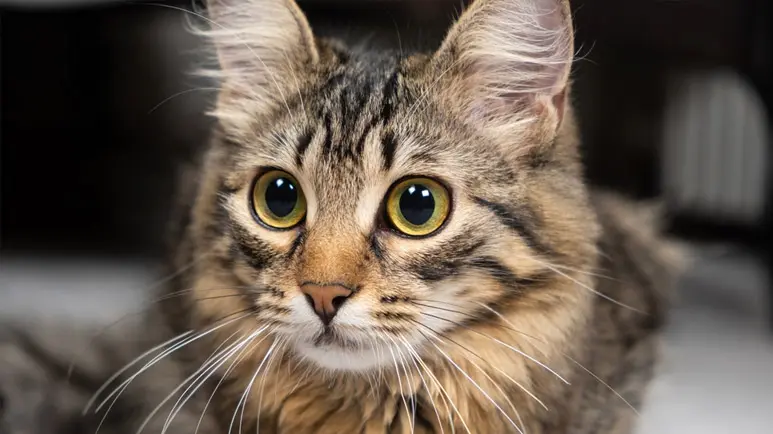
Kittens often have wider pupils than adult cats simply because they are more excitable and their nervous systems are still maturing.
Adult cats in their prime (ages 2-7) should have very responsive pupils that change quickly based on light and emotion.
Senior cats (ages 10+) are where medical causes become more likely. Hypertension, iris atrophy, and PRA all increase in prevalence with age. Any persistent dilation in a senior cat should be evaluated promptly.
Certain cat breeds carry higher genetic risks for conditions linked to pupil dilation.
| Breed | Condition Risk |
|---|---|
| Abyssinian | Progressive Retinal Atrophy (PRA) |
| Persian | PRA, glaucoma |
| Siamese | Glaucoma, retinal issues |
| Burmese | Glaucoma |
| British Shorthair | Hypertension-related eye issues |
| Maine Coon | Hypertrophic cardiomyopathy (linked to BP issues) |
If you own a high-risk breed, regular veterinary eye exams are especially important as your cat ages.
When you bring your cat to the vet for abnormal pupil dilation, expect a thorough evaluation.
The vet will take a detailed history — when did it start, is it getting worse, any recent medications or toxin exposure, any other symptoms. This information shapes the diagnostic direction.
A complete physical exam follows, including checking blood pressure, which is critically important for older cats. An ophthalmic exam uses special lights and instruments to examine the internal eye structures.
Blood work and urine testing help rule out underlying systemic conditions like kidney disease, hyperthyroidism, and infections. In some cases, imaging like X-rays or an ultrasound is needed to look for tumors or other structural changes.
Treatment depends entirely on the underlying cause, ranging from blood pressure medication to surgery to supportive care.
When your cat gazes at you with dilated pupils, it usually means excitement, affection, or heightened attention. It is a sign they are emotionally engaged with you.
No, persistent dilation in bright light is not normal. It can indicate hypertension, neurological disease, retinal problems, or toxin exposure and should be evaluated by a vet.
Adrenaline released during aggression or predatory behavior automatically widens the pupils. This is an instinctive response that maximizes their visual field before a strike.
Unequal pupil sizes (anisocoria) indicate a neurological, ocular, or systemic problem affecting one side. This is a medical emergency and requires immediate veterinary attention.
Yes. Chronic or acute stress triggers the same fight-or-flight response as fear, releasing adrenaline that dilates the pupils. Prolonged stress also has broader health consequences for cats.
Yes, mild dilation can occur during excitement and positive emotional states like receiving attention or anticipating food. Context and body language help distinguish this from fear-based dilation.
In low light, the pupil opens wide to capture more light and send it to the retina, maximizing the cat’s ability to see. This is a completely normal physiological reflex.
Yes. Opioids, certain eye drops, and some systemic medications list pupil dilation as a side effect. If concerned, discuss any recent medication changes with your vet.
Take your cat to the vet immediately if the dilation is persistent in bright light, if the pupils are unequal, if vision changes are present, or if other symptoms like vomiting, lethargy, or redness are present.
Mydriasis is the medical term for abnormally and persistently dilated pupils. It can result from nerve damage, retinal disease, toxins, glaucoma, brain conditions, or medication effects.
Why do cats eyes dilate is a question with many answers, ranging from the completely ordinary to the genuinely urgent. Most of the time, wide pupils are simply your cat’s body responding to darkness, excitement, play, or a moment of fear. These cases resolve on their own within seconds to minutes and require no intervention.
The critical skill as a cat owner is learning to recognize when dilation crosses the line from normal to abnormal. Persistent dilation in bright light, unequal pupil sizes, sudden vision loss, or dilation paired with other symptoms are all red flags that demand prompt veterinary attention.
Conditions like feline hypertension, glaucoma, and retinal detachment are time-sensitive — catching them early can mean the difference between preserved vision and permanent blindness. Pay attention to your cat’s eyes. They communicate far more than most owners realize.