

Why can’t babies have water is one of the most searched parenting questions online — and for good reason. It seems counterintuitive. Water is healthy, hydrating, and essential for life.
Yet giving water to a baby under six months old is genuinely dangerous and can lead to life-threatening complications. Pediatricians, the American Academy of Pediatrics (AAP), and the World Health Organization (WHO) all agree on this.
Understanding exactly why babies cannot have water — and when it finally becomes safe — is critical knowledge for every new parent, grandparent, and caregiver in 2026.
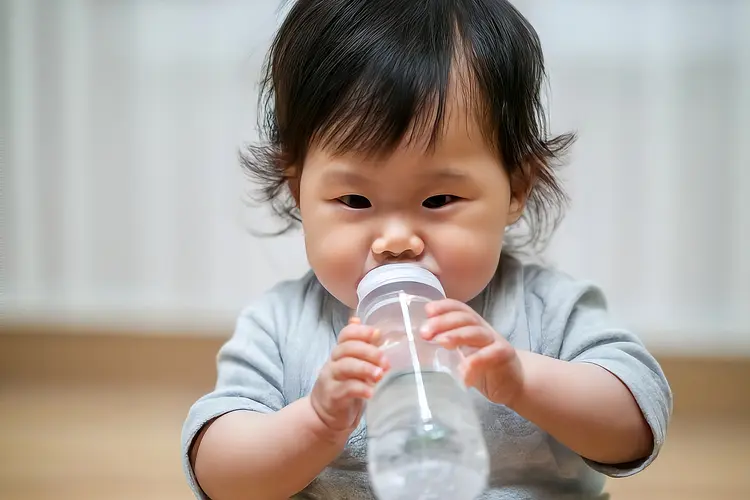
The AAP, WHO, and CDC all share the same clear recommendation. Babies under six months of age should not be given water under any circumstances — not even on a hot day, not even a small sip.
“The American Academy of Pediatrics is pretty strong with their recommendations that babies in the first several months should only have breast milk and/or formula. Not water,” says pediatrician Dr. Joanna Buckingham of Cleveland Clinic. “Babies get all the hydration they need from formula and breast milk — more than that can be risky.”
This is not a precautionary suggestion. It is a firm medical guideline backed by decades of clinical research and supported by every major pediatric health organization in the world.
Water Introduction Timeline by Age
| Baby’s Age | Can They Have Water? | Recommended Amount |
|---|---|---|
| 0 to 6 months | No | None — breast milk or formula only |
| 6 to 9 months | Yes, small amounts | 4 to 6 oz (120–180 mL) per day max |
| 9 to 12 months | Yes, gradually increasing | 6 to 8 oz (180–240 mL) per day |
| 12 months and older | Yes, freely | Water plus cow’s milk alongside diet |
The number one reason why babies cannot have water is that their kidneys are simply not mature enough to handle it safely.
Adult kidneys are roughly the size of a large avocado. Newborn kidneys are about the size of a grape. They have significantly less filtering capacity and far less ability to regulate fluid balance and excrete excess water.
When you give a baby water, the kidneys cannot process and remove the excess fluid quickly enough. The water then backs up into the bloodstream. This overwhelms the body’s sodium balance in a way that can quickly become a medical emergency.
A baby’s kidneys continue developing throughout the first several months of life. By around six months, they reach a level of maturity sufficient to handle small amounts of water. Before that point, even a moderate quantity of water in a short period can trigger serious harm.
When a baby drinks water, it dilutes the sodium in their bloodstream. This leads to a condition called hyponatremia — literally meaning “too little salt in the blood.”
Sodium is an essential electrolyte. It regulates fluid balance inside and outside cells, supports nerve function, and keeps the brain operating normally. When sodium levels drop too low, the results are dangerous.
In adults, the brain has some room to swell inside the skull without immediately fatal consequences. In babies, the brain-to-skull ratio is much larger. Any swelling of brain tissue can compress critical structures faster and with more severe consequences than in adults.
“When you give a baby water, it can dilute the sodium in their bloodstream. That can cause a condition called hyponatremia, or what some people may call water intoxication,” explains Dr. Buckingham.
Sodium Levels and Risk in Babies
| Serum Sodium Level | Status | Risk |
|---|---|---|
| 135 to 145 mEq/L | Normal | No risk |
| 130 to 134 mEq/L | Mild hyponatremia | Monitoring required |
| 125 to 129 mEq/L | Moderate hyponatremia | Medical evaluation needed |
| Below 125 mEq/L | Severe hyponatremia | Emergency — seizure and brain swelling risk |
Water intoxication sounds unusual, but it is a well-documented and potentially fatal condition in infants. It occurs when a baby consumes more water than their immature kidneys can process.
The excess water floods the bloodstream, dilutes electrolytes, and causes the brain to swell. In severe cases this leads to seizures, coma, brain damage, and in the most extreme cases, death. The CDC documented cases of hyponatremic seizures in infants caused specifically by water consumption.
According to St. Louis Children’s Hospital, infant kidneys are unable to remove excess water quickly, and the ensuing loss of sodium directly affects brain activity, resulting in symptoms including seizures. This is not a theoretical risk. It happens, and it happens faster in infants than most parents expect.
Symptoms of Water Intoxication in Babies
| Symptom | Severity Level |
|---|---|
| Irritability and fussiness | Early warning sign |
| Vomiting | Early warning sign |
| Lethargy or unusual sleepiness | Moderate concern |
| Swelling of hands or feet | Moderate concern |
| Hypothermia (low body temperature) | Serious |
| Muscle cramps or twitching | Serious |
| Seizures | Emergency — call 911 immediately |
| Loss of consciousness or coma | Life-threatening emergency |
If you notice any of these signs after your baby has consumed water, go to the emergency room immediately. Do not wait.
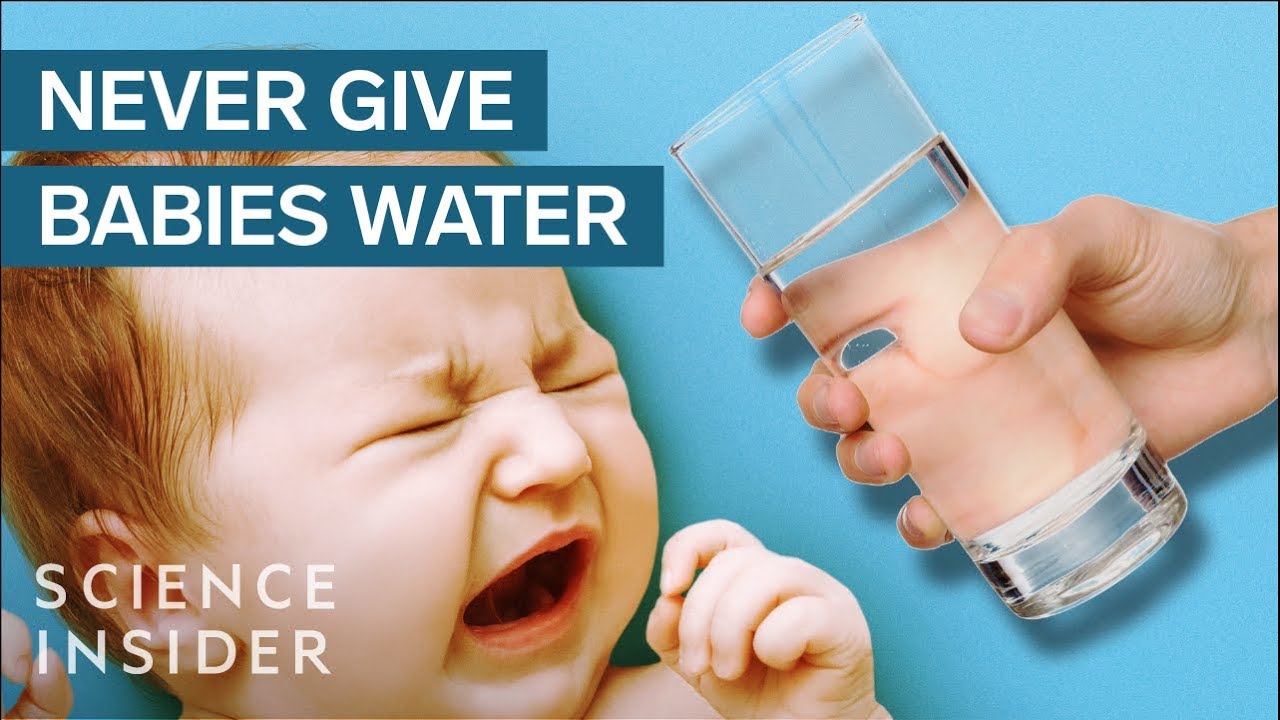
A newborn’s stomach is only about the size of a cherry at birth and can hold just 1 to 2 teaspoons (5 to 10 mL) of liquid. By one month of age, it grows to roughly the size of an egg, holding about 2.7 to 5 ounces (80 to 150 mL).
That is an extremely limited amount of space. Every ounce of water your baby drinks occupies room that should be filled by breast milk or formula — nutrients their growing body critically needs.
Water has zero caloric value and zero nutritional value for an infant. When water displaces breast milk or formula, the baby misses out on the fats, proteins, vitamins, and minerals required for healthy brain development, organ growth, and weight gain.
Proper weight gain is one of the most important indicators of a healthy baby in the first months of life. Pediatricians track growth carefully because it reflects organ development, neurological progress, and overall health.
“Giving babies water dilutes their calorie intake,” explains Dr. Buckingham. “Proper weight gain is such an important indication of your baby’s health in those first few months. We want them to be getting those calories.”
A baby who fills up on water will drink less breast milk or formula. This caloric shortfall, if repeated over days or weeks, directly impacts growth milestones, immune function, and neurological development in ways that may not be immediately visible but are measurably significant.
Many parents do not realize this, but breast milk is already more than 80% water. Formula, when mixed correctly, provides the precise balance of hydration, nutrition, electrolytes, and calories that an infant needs.
The WHO specifically states that breastfed babies do not need any extra water even in hot weather. Formula-fed babies who receive correctly prepared bottles are equally well hydrated. There is no scenario in the first six months where a baby requires additional water.
This is also why adding extra water to formula to stretch it further is dangerous. It dilutes the nutrients and electrolytes formula is specifically calibrated to deliver, creating the same risks as giving plain water directly.
Hydration Content Comparison
| Liquid | Water Content | Nutritional Value for Baby |
|---|---|---|
| Breast milk | Over 80% | Complete — proteins, fats, antibodies, vitamins |
| Properly mixed formula | Approximately 85% | Complete — all nutrients calibrated for age |
| Plain water | 100% | None — zero calories, zero nutrients |
| Diluted formula | Over 90% | Dangerous — nutrients and sodium depleted |
Accidents happen. If your baby took a small accidental sip of water from your glass or grabbed a bottle during bath time, try not to panic. A truly small amount — a single sip — is unlikely to cause serious harm in most healthy, full-term babies.
Monitor your baby closely for the next few hours. Watch for signs of irritability, unusual lethargy, swelling, or vomiting. If you notice any of these symptoms or are uncertain how much water they consumed, call your pediatrician immediately.
If you believe your baby consumed more than a small sip, go to the emergency room rather than waiting. Early intervention for hyponatremia significantly improves outcomes.
This is an important and often overlooked risk. When babies are submerged or dunked during infant swimming lessons, they can inadvertently swallow pool water.
Dr. James Keating of St. Louis Children’s Hospital specifically warned that repeated dunking of infants can cause them to gulp water and has caused seizures in infants at the poolside. The AAP also advises caution with infant swimming programs for babies under six months for exactly this reason.
If you choose to take your infant to a swimming class, make sure dunking or submerging is avoided entirely. Keep all activities above the surface until your baby is old enough to safely handle incidental water ingestion.
This is one of the most common reasons parents feel tempted to give water. On a hot summer day, the instinct to offer a cool drink feels natural and caring.
However, if your baby is under six months old and exclusively breastfed or formula-fed, they are already fully hydrated. The solution on a hot day is to offer more frequent breast or formula feedings — not water.
If your breastfed baby seems extra warm or fussy in hot weather, nurse more frequently. If your formula-fed baby seems thirsty, offer an extra bottle prepared at the correct concentration. Both approaches meet hydration needs safely without any risk of water intoxication.
The only exception is illness. If a baby has a high fever, persistent vomiting, or diarrhea, contact your pediatrician immediately. They may recommend an oral rehydration solution like Pedialyte rather than plain water to replace lost electrolytes safely.

Around six months of age — when your baby begins solid foods — you can start introducing small amounts of water. This timing is not coincidental. Solid foods require additional hydration, and by six months the kidneys have developed enough to handle small volumes safely.
Start with just a few teaspoons or small sips offered in an open cup alongside solid food meals. The goal at this stage is not hydration — breast milk or formula still handles that — but rather introducing the skill of cup drinking.
The CDC and AAP both recommend a maximum of 4 to 8 oz per day between 6 and 12 months. This amount should supplement, never replace, breast milk or formula feeds.
Water Introduction Guide by Age
| Age | Water Amount | How to Offer |
|---|---|---|
| Under 6 months | None | Breast milk or formula only |
| 6 to 9 months | 4 to 6 oz per day max | Small sips in an open cup with meals |
| 9 to 12 months | 6 to 8 oz per day | Open cup or straw cup with meals |
| 12 months and older | Freely, with guidance | Cup throughout the day |
Once your baby reaches six months, the type of water you offer matters. Here is what pediatricians recommend.
Tap water is generally safe if your local water supply meets drinking water standards. Check with your local health department if you have any concerns about lead pipes or chemical contaminants. If unsure, filtered water is a perfectly appropriate choice.
Well water requires extra caution. Have it tested for bacterial and chemical contamination through your state health department before using it for your baby.
Distilled water is not ideal for babies because it lacks minerals and fluoride, both of which support healthy development and dental health.
Sparkling or carbonated water is not recommended. Even occasional carbonation can cause bloating, gas, and reflux discomfort in infants. Flavored sparkling waters often contain sodium or added sugars that are not appropriate for babies.
Since babies cannot tell you they are thirsty, you need to watch for physical signs that indicate whether their hydration levels are adequate.
A well-hydrated baby will produce 4 to 6 full, wet diapers every 24 hours. Their mouth and lips will appear moist. They will be alert, active, and responsive during wakeful periods.
Signs of dehydration include fewer than four wet diapers per day, dry or cracked lips, a sunken fontanelle (the soft spot on top of the head), unusual lethargy, and crying without tears after three months of age.
Hydration Signs in Babies
| Sign | Well Hydrated | Possibly Dehydrated |
|---|---|---|
| Wet diapers per day | 4 to 6 or more | Fewer than 3 to 4 |
| Lips and mouth | Moist | Dry or cracked |
| Fontanelle (soft spot) | Flat or slightly raised | Sunken |
| Eyes | Normal appearance | Sunken-looking |
| Skin pinch test | Snaps back immediately | Returns slowly |
| Activity level | Alert and active | Unusually sleepy or limp |
| Crying | Tears present after 3 months | No tears visible |
If you suspect dehydration, contact your pediatrician right away. Do not attempt to correct it at home by giving water — your doctor will guide the appropriate treatment.
Premature babies have even less kidney maturity and even more fragile sodium balance than full-term newborns. The six-month guideline applies at minimum — and in many preterm cases, pediatricians recommend waiting even longer before introducing water.
Premature babies also have a larger surface area relative to their body size, which increases fluid loss through the skin. This makes their fluid management even more delicate. Always follow the specific guidance of your NICU team or pediatric specialist rather than applying general guidelines meant for full-term infants.
Gripe water is a common remedy many parents reach for when babies are gassy or colicky. However, many gripe water products contain water as their primary ingredient, along with herbs, sodium bicarbonate, or other additives.
Giving gripe water to babies under six months introduces water into the system and carries the same risks outlined above — particularly sodium dilution. Several pediatric organizations do not recommend gripe water for infants under six months.
Always read ingredient labels carefully and consult your pediatrician before giving any water-containing product, herbal remedy, or juice to a baby under six months old.

Some parents, when running low on formula, are tempted to add extra water to stretch what they have. This is extremely dangerous and carries the same risks as giving water directly.
Infant formula is precisely calibrated to deliver specific concentrations of nutrients, electrolytes, and calories. Adding extra water disrupts this balance, dilutes sodium, and creates the same conditions that lead to hyponatremia and water intoxication.
The AAP explicitly warns against diluting formula. Always follow the manufacturer’s instructions for mixing formula exactly as written. If you are unable to afford adequate formula, contact your pediatrician or local WIC program for assistance. Never stretch formula with additional water.
Safe vs Unsafe Practices with Baby Fluids
| Practice | Safe? | Why |
|---|---|---|
| Breast milk on demand | Safe | Complete nutrition and hydration |
| Correctly mixed formula | Safe | Calibrated nutrients and sodium |
| Adding water to formula | Dangerous | Dilutes nutrients, risks hyponatremia |
| Plain water under 6 months | Dangerous | Overwhelms kidneys, risks seizures |
| Gripe water under 6 months | Consult doctor | May contain water, herbs, or additives |
| Juice under 12 months | Not recommended | Sugar, no nutritional benefit |
| Water at 6 months, small amounts | Safe | Kidneys mature enough to handle |
Even well-meaning parents can accidentally over-feed liquid in some circumstances. Here is what to watch for.
Overfeeding formula — particularly if diluted — can lead to over-hydration. Signs include rapid weight gain beyond expected growth curves, puffiness or swelling in the hands and feet, unusual fussiness, reduced interest in feeding, and vomiting.
If your baby seems to be consuming more liquid than expected or shows any of these signs, contact your pediatrician for guidance on appropriate feeding volumes for their age and weight.
Babies’ kidneys are too immature to process water safely, and water displaces the breast milk or formula that provides all their nutrition. Even small amounts can dilute sodium levels and cause a dangerous condition called hyponatremia.
A single small sip is unlikely to cause serious harm in a healthy full-term baby. Monitor for irritability, lethargy, or swelling, and call your pediatrician immediately if you are concerned or your baby shows any symptoms.
No. Babies under six months get all the hydration they need from breast milk or formula, even in hot weather. Simply offer more frequent feedings instead of water to keep them safely hydrated.
Water intoxication occurs when a baby drinks more water than their immature kidneys can excrete. The excess water dilutes sodium in the blood, causing hyponatremia, which can lead to brain swelling, seizures, and in severe cases death.
Babies can begin drinking small amounts of water at around 6 months of age, when they start solid foods. The CDC recommends no more than 4 to 8 oz per day between 6 and 12 months.
Between 6 and 9 months, limit water to 4 to 6 oz per day. Between 9 and 12 months, up to 8 oz per day is appropriate. Breast milk or formula should remain the primary source of nutrition and hydration until 12 months.
No. Diluting formula is dangerous because it reduces the concentration of essential nutrients and electrolytes, replicating the same risks as giving plain water directly. Always mix formula exactly as instructed on the packaging.
Yes, and this is a real risk. Repeated dunking or submersion can cause infants to gulp pool water, leading to water intoxication and seizures. Avoid submersing babies under six months during swim activities.
Safe tap water or filtered water is appropriate for most babies over 6 months. Avoid distilled water, carbonated water, and untested well water. Bottled water is an acceptable alternative if tap water quality is a concern.
A well-hydrated baby produces 4 to 6 wet diapers per day, has moist lips and mouth, a flat fontanelle, and is alert and active during wake periods. These signs confirm adequate hydration from breast milk or formula alone.
Why can’t babies have water is a question every parent deserves a clear, medically accurate answer to.
The reason is straightforward and serious: a baby’s kidneys are not yet mature enough to process water safely, and water carries zero nutrition while occupying precious stomach space that should be filled with breast milk or formula.
Giving water to a baby under six months can cause hyponatremia — a dangerous drop in blood sodium that leads to brain swelling, seizures, and potentially life-threatening outcomes.
Breast milk and properly prepared formula provide everything an infant needs for the first six months of life, including all necessary hydration.
Once your baby reaches six months and begins solid foods, small supervised amounts of water can be introduced gradually. Until then, trust the guidance of your pediatrician, the AAP, and the WHO — and keep water away from your baby entirely.