
Why are my teeth yellow when brushing them every day is one of the most searched dental questions in 2026, and the answer goes much deeper than hygiene.
Millions of people brush twice daily, use whitening toothpaste, and still look in the mirror to see a dull or yellow smile. The frustration is real, but it is also completely explainable.
Brushing removes plaque and surface bacteria, but it cannot change your tooth structure, reverse enamel loss, or remove deep intrinsic stains. This guide covers every cause, backed by dentist knowledge, and gives you the clearest path to a brighter smile.
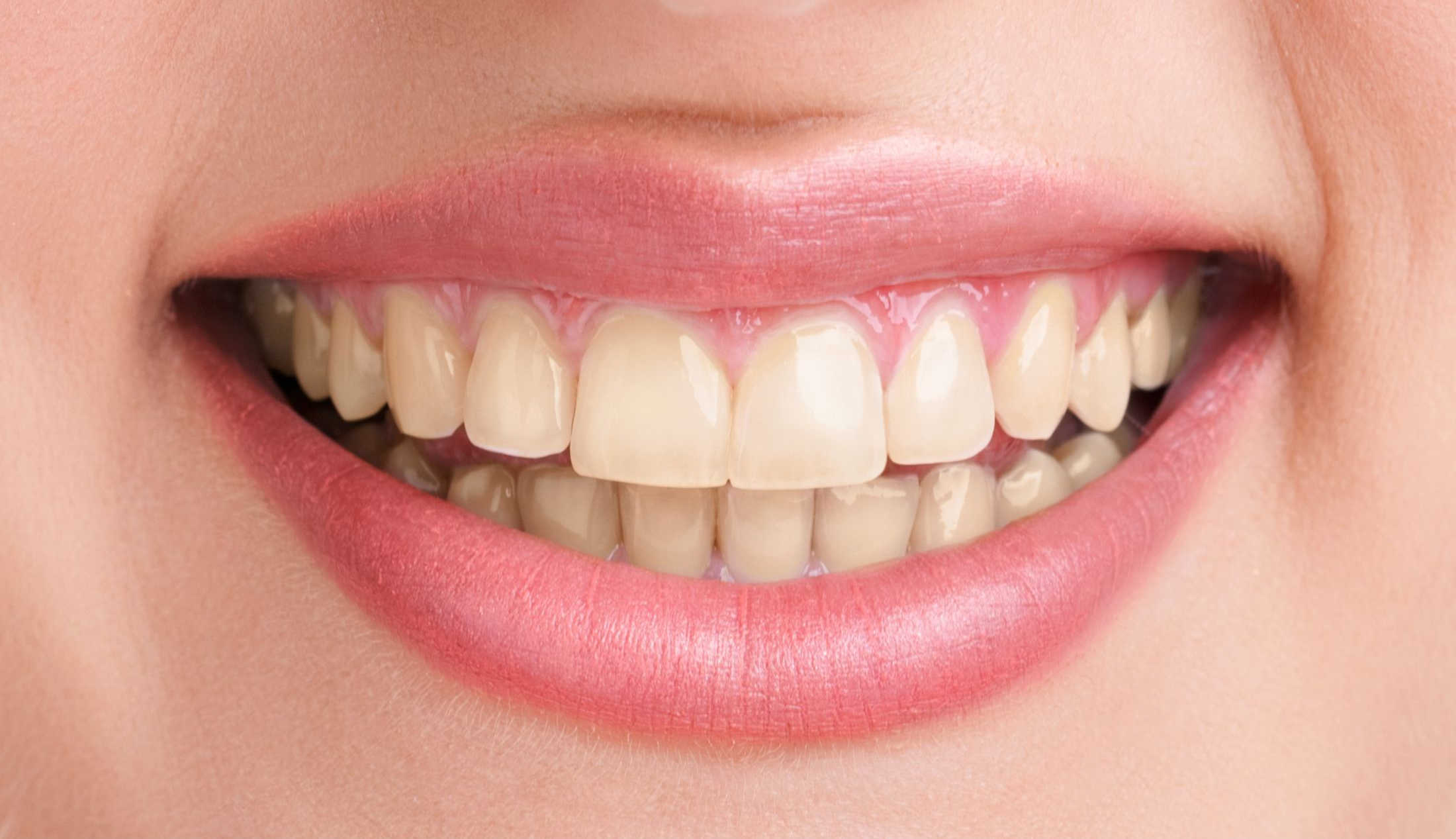
Most people believe that brushing equals whitening. That belief leads to a lot of confusion and frustration.
Brushing is designed to remove plaque, bacteria, and fresh food debris from tooth surfaces. It is the foundation of good oral health and prevents cavities and gum disease.
What brushing cannot do is change the natural color of your dentin, remove hardened tartar, reverse enamel erosion, or treat intrinsic staining caused by genetics, age, or medications. Once you understand this, the yellow mystery starts to make sense.
Your teeth are made of layers, and understanding those layers explains almost every case of yellowing.
The outer layer is enamel. It is the hardest substance in the human body, naturally white to slightly translucent, and acts as a protective shell over the tooth.
Beneath the enamel sits dentin. Dentin is naturally yellow or off-white, and it makes up the bulk of the tooth’s inner structure. When enamel is thin or worn, that yellow dentin shows through clearly, giving teeth a yellow appearance even when perfectly clean.
| Tooth Layer | Natural Color | Role |
|---|---|---|
| Enamel | White to translucent | Outer protection layer |
| Dentin | Yellow to off-white | Inner structural layer |
| Pulp | Pink-red | Nerves and blood supply |
| Cementum | Light yellow | Covers tooth roots |
One of the most overlooked reasons teeth stay yellow is brushing incorrectly. Many people think more pressure means cleaner teeth, but that is wrong.
Brushing too hard wears down enamel over time, exposing more of the yellow dentin beneath. Using harsh back-and-forth scrubbing motions damages gum tissue and misses the curved surfaces of each tooth.
The correct method is gentle circular motions for two full minutes, covering front, back, and chewing surfaces. A soft-bristled toothbrush is always recommended by dentists to protect enamel.
Even daily brushing leaves some plaque behind, especially in hard-to-reach areas between teeth and along the gumline.
Plaque is a sticky, colorless bacterial film that forms constantly on teeth. When plaque is not fully removed, it hardens into tartar within 24 to 72 hours. Tartar has a yellowish or brownish color and cannot be removed with any toothbrush.
Only a professional dental cleaning with specialized scaling tools can remove tartar. This is why regular dental visits every six months are critical even for people with excellent brushing habits.
Certain foods and beverages contain chromogens, which are highly pigmented molecules that attach to tooth enamel. These cause extrinsic staining that builds up gradually with every sip and bite.
Coffee, black tea, red wine, dark berries, soy sauce, tomato-based sauces, and dark sodas are the biggest culprits. The tannins in tea and red wine make chromogens extra sticky, helping them bond to enamel more aggressively.
Even with daily brushing, some pigment stays embedded in the microscopic pores of enamel. Over months and years, the accumulation creates a visible yellow layer that brushing alone cannot lift.
| Food or Drink | Staining Compound | Staining Level |
|---|---|---|
| Coffee | Tannins and chromogens | High |
| Black tea | Tannins | High |
| Red wine | Tannins and chromogens | Very High |
| Dark berries | Anthocyanins | High |
| Tomato sauce | Acidic pigments | Medium-High |
| Dark soda | Artificial colorants | Medium |
| Soy sauce | Dark pigments | High |
| Curry | Curcumin pigment | High |
Acidic foods and beverages dissolve enamel through a process called acid erosion. As enamel thins, the yellow dentin beneath becomes increasingly visible. This is a structural change, not a stain, and it cannot be reversed by brushing.
Citrus fruits, sports drinks, carbonated beverages, vinegar-based foods, and acidic juices are the main dietary culprits. Acid reflux and GERD are also major contributors because stomach acid regularly reaches the teeth.
Prevention is the only solution for acid erosion since enamel cannot grow back once it is lost. Rinsing with water after acidic foods and waiting 30 minutes before brushing protects softened enamel from additional damage.
Tobacco is one of the most aggressive causes of tooth discoloration and produces stains that daily brushing simply cannot remove.
Nicotine is colorless on its own but turns yellow and brown after reacting with oxygen. Tar is a thick, dark compound that coats enamel and seeps deep into its porous surface, creating embedded stains that require professional intervention.
Research shows that smokers have a tooth discoloration rate of 28% compared to 15% in non-smokers. The longer someone uses tobacco, the more deeply embedded and permanent those stains become. Quitting tobacco is one of the most impactful steps for improving tooth color.
Aging is an unavoidable factor in tooth color, and it affects everyone regardless of how well they brush.
As you get older, enamel gradually wears down from decades of chewing, acid exposure, and daily use. At the same time, dentin continues growing inward throughout your lifetime, becoming thicker, denser, and more yellow.
Studies confirm that tooth luminosity, meaning brightness, steadily decreases with age while yellow tones increase. This dual process means that even people with perfect oral hygiene will see their teeth become more yellow as the decades pass.
Some people are simply born with naturally thinner enamel or more intensely yellow dentin. This is determined by genetics, not oral hygiene.
If enamel is genetically thinner, more of the yellow dentin shows through, creating a naturally yellow appearance from childhood. This is completely normal and not a sign of disease or neglect.
Two people can follow identical brushing routines and have noticeably different tooth shades purely because of genetic differences. Genetics also determines how porous the enamel is and how easily it absorbs staining compounds.
Several common medications cause tooth discoloration as a documented side effect. Tetracycline antibiotics are the most well-known example. When taken during childhood while teeth are developing, tetracycline causes permanent gray or yellow-brown banding deep within the tooth structure.
Other medications linked to discoloration include antihistamines, antihypertensive drugs, antipsychotic medications, and some mouthwashes containing chlorhexidine. Chemotherapy and radiation therapy to the head and neck region can also cause significant darkening of teeth.
These stains are intrinsic, sitting within the dentin itself. Regular brushing and most whitening products cannot reach or reverse them. Professional cosmetic dental treatments are typically the only effective option.
| Medication or Treatment | Type of Staining | Treatment Option |
|---|---|---|
| Tetracycline antibiotics | Intrinsic gray or brown banding | Veneers or bonding |
| Antihistamines | Mild intrinsic darkening | Professional whitening |
| Chlorhexidine mouthwash | Extrinsic brown staining | Professional cleaning |
| Chemotherapy | Intrinsic darkening | Cosmetic dentistry |
| Radiation to head and neck | Structural changes | Dentist evaluation |
| Iron supplements | Extrinsic dark staining | Professional cleaning |
Fluorosis occurs when a child is exposed to too much fluoride during the years when permanent teeth are forming, typically before age eight.
Mild fluorosis appears as faint white spots or streaks on tooth enamel. In moderate or severe cases, it creates yellow, brown, or even pitted discoloration across the tooth surface.
Fluorosis is an intrinsic condition set during tooth development. It cannot be changed by brushing and typically requires cosmetic dental treatment such as microabrasion, whitening, veneers, or bonding for visible improvement.
Bruxism is the habit of grinding or clenching teeth, often during sleep without awareness. It places extreme mechanical pressure on enamel and gradually wears it down.
As enamel thins from grinding, the yellow dentin beneath becomes more visible. The edges of front teeth are often the first area to show this yellowing or a translucent appearance from enamel loss.
A custom night guard from your dentist prevents further grinding-related damage. Once enamel is worn, protecting what remains is the priority because it will not grow back.
Saliva is the mouth’s natural defense against staining and enamel erosion. It neutralizes acids, washes away food particles, and helps remineralize enamel continuously throughout the day.
When saliva production drops, a condition called xerostomia or dry mouth develops. Without adequate saliva, acids linger longer, staining compounds bind more easily, and enamel weakens faster.
Dry mouth can be caused by certain medications, medical conditions, dehydration, or mouth breathing. Staying well hydrated and using saliva-stimulating products recommended by your dentist helps protect tooth color.
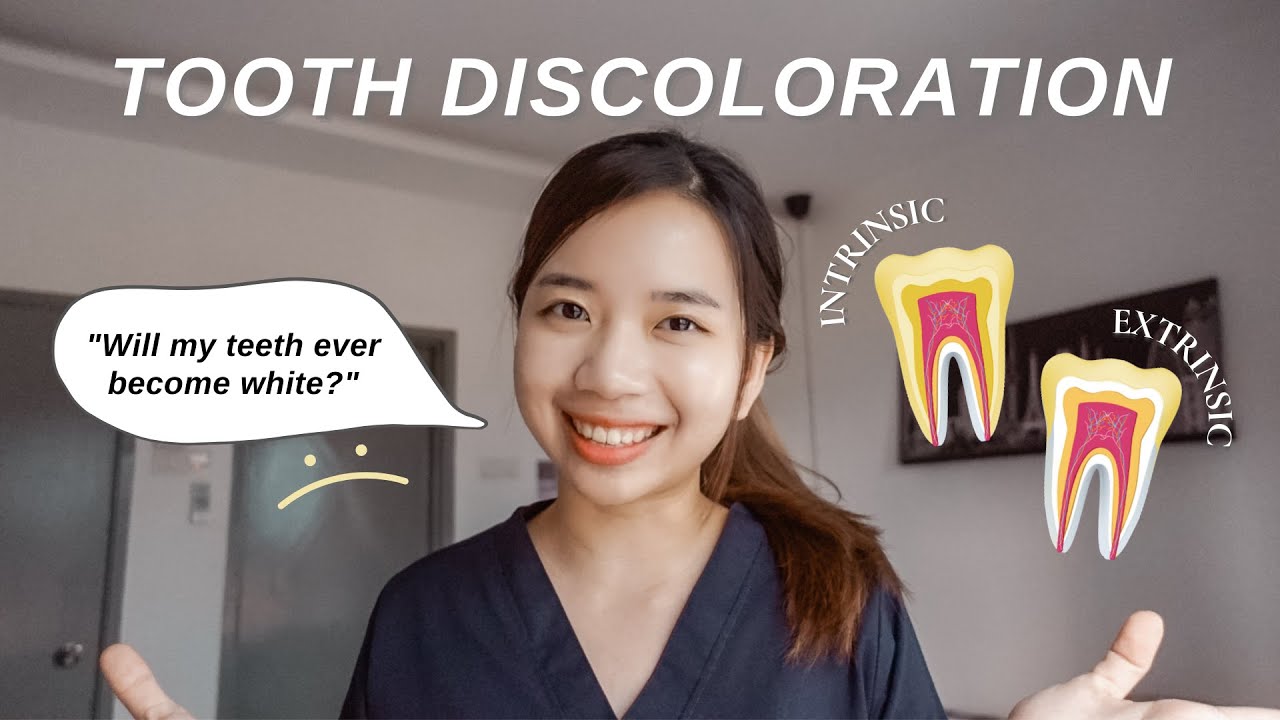
Understanding which type of staining you have determines which solution will actually work. Treating the wrong type wastes time, money, and effort.
Extrinsic stains sit on the outer surface of enamel. They are caused by food, drinks, tobacco, and plaque buildup. Extrinsic stains respond well to whitening toothpastes, professional cleaning, and bleaching treatments.
Intrinsic stains are embedded within the tooth structure itself. They are caused by genetics, aging, medications, fluorosis, and dentin color showing through thinned enamel. These require professional cosmetic treatments because surface-level products cannot reach them.
| Feature | Extrinsic Staining | Intrinsic Staining |
|---|---|---|
| Location | Outer enamel surface | Within tooth structure |
| Main Causes | Coffee, tea, tobacco, plaque | Genetics, aging, medications |
| Removed by Brushing | Partially | No |
| Whitening Toothpaste | Helps with mild stains | Limited effect |
| Professional Cleaning | Very effective | Does not address root cause |
| Bleaching Treatments | Effective | Moderate to limited |
| Veneers or Bonding | Rarely needed | Often best solution |
Whitening toothpaste is one of the most popular over-the-counter products for yellow teeth. Understanding what it can and cannot do sets realistic expectations.
Whitening toothpastes contain mild abrasives that polish the tooth surface and remove recent surface stains more effectively than standard toothpastes. Some also contain small amounts of hydrogen peroxide or blue covarine for additional lightening effect.
The American Dental Association confirms that whitening toothpastes can reduce extrinsic staining but have no significant impact on intrinsic stains or the tooth’s natural internal color. They work best as a maintenance tool after professional whitening rather than as a standalone brightening solution.
Flossing is closely tied to tooth color in a way most people overlook. The spaces between teeth collect plaque, food debris, and staining compounds that a toothbrush physically cannot reach.
When inter-dental plaque is left unaddressed, it hardens into tartar and creates a yellow or brown discoloration between teeth that makes the entire smile look darker.
Flossing daily removes this accumulated material and contributes meaningfully to a brighter overall appearance. It also prevents gum disease, which can itself cause tissue discoloration and recession that exposes more yellow tooth structure.
A professional cleaning every six months is the most important step anyone with yellow teeth can take, regardless of their home routine.
Dental hygienists use specialized ultrasonic and hand scaling tools to remove tartar that has hardened beyond what any toothbrush can address. After scaling, professional polishing removes additional surface stains and leaves teeth with a smoother surface that is more resistant to new stain attachment.
For anyone asking why are my teeth yellow when brushing them every day, a professional cleaning is almost always the first step a dentist recommends before evaluating whitening options.
When home care is optimized and professional cleaning is complete, targeted whitening treatments can address remaining discoloration. Options range from over-the-counter products to in-office professional procedures.
Whitening strips use hydrogen peroxide at lower concentrations. They are applied directly to teeth and are effective for mild to moderate extrinsic staining over a period of days to weeks.
Custom take-home trays made by a dentist hold whitening gel precisely against each tooth surface. This produces more even and consistent results than generic strips and allows the patient to whiten on their own schedule under professional guidance.
In-office professional whitening uses high-concentration hydrogen peroxide or carbamide peroxide applied by a dental professional. It produces the fastest and most dramatic results and is particularly effective for age-related yellowing and deeper extrinsic staining.
| Whitening Method | Active Ingredient | Best For | Duration of Results |
|---|---|---|---|
| Whitening toothpaste | Mild abrasives | Surface maintenance | Ongoing |
| OTC whitening strips | Low-dose hydrogen peroxide | Mild extrinsic stains | 6 to 12 months |
| Custom dentist trays | Carbamide or hydrogen peroxide | Moderate staining | 1 to 2 years |
| In-office whitening | High-dose hydrogen peroxide | Deep or widespread staining | 1 to 3 years |
| Porcelain veneers | Cosmetic shell | Intrinsic or structural staining | 10 to 20 years |
| Dental bonding | Composite resin | Localized discoloration | 3 to 10 years |
When yellowing comes from intrinsic causes that bleaching cannot address, porcelain veneers and dental bonding are the most effective cosmetic solutions available.
Porcelain veneers are thin ceramic shells bonded permanently to the front surface of each tooth. They completely mask discoloration caused by genetics, tetracycline staining, fluorosis, or significant enamel loss. Veneers are highly durable and naturally stain-resistant, lasting ten to twenty years with proper care.
Dental bonding uses tooth-colored composite resin to cover discolored areas directly on the tooth surface. It requires minimal or no enamel removal and can be completed in a single appointment. Results typically last three to ten years depending on diet and oral habits.
Strategic dietary changes work alongside your brushing routine to slow new staining and protect enamel for the long term.
Drinking staining beverages like coffee and tea through a straw reduces direct contact with tooth surfaces meaningfully. Rinsing your mouth with plain water immediately after consuming staining foods or drinks dilutes and flushes away pigments before they settle into enamel pores.
Waiting at least 30 minutes after acidic foods or drinks before brushing is also important. Brushing immediately after acid exposure removes softened enamel minerals, accelerating erosion and worsening yellowing over time.
Many home whitening remedies circulate online, but not all of them are safe or effective. Knowing the difference protects your enamel.
Baking soda is a mild abrasive that can gently polish away minor surface stains. Many ADA-approved whitening toothpastes include baking soda in controlled concentrations for safe daily use.
Oil pulling with coconut oil has minimal whitening evidence but is generally safe and may reduce surface bacteria as a complementary habit. Activated charcoal and lemon juice are two remedies that dentists universally warn against. Activated charcoal is excessively abrasive and scratches enamel. Lemon juice is highly acidic and causes permanent enamel dissolution that makes teeth more yellow over time.
What you eat affects not just staining but the structural integrity of your enamel. A diet rich in enamel-supporting nutrients helps preserve tooth color naturally.
Calcium and vitamin D are essential for strong enamel. Dairy products, leafy greens, and fortified foods provide these foundational minerals. Phosphorus from eggs, fish, and nuts also supports enamel remineralization.
Crunchy vegetables like carrots, celery, and apples act as natural toothbrushes, stimulating saliva production and physically scrubbing away some surface debris during chewing. Staying well hydrated with plain water throughout the day supports saliva production and naturally rinses teeth between brushing sessions.
Most yellow teeth are a cosmetic concern rather than a health emergency. However, some patterns of discoloration deserve prompt professional evaluation.
A single tooth that turns dark gray or brown rapidly may indicate internal trauma, nerve damage, or infection. This requires an X-ray and clinical examination to determine the cause and appropriate treatment.
If yellow teeth are accompanied by pain, sensitivity to hot or cold, or changes in texture such as rough or pitted enamel, these signs may indicate enamel erosion, decay, or an underlying condition that needs treatment before any whitening is attempted.
An effective anti-yellowing routine combines daily habits, dietary awareness, and professional care into one consistent system.
Brush twice daily for two minutes using a soft-bristled toothbrush and a fluoride toothpaste. Use gentle circular motions and cover all tooth surfaces including the inside surfaces that most people miss.
Floss every day, rinse with a fluoride mouthwash, limit staining beverages or use a straw, stay hydrated with water throughout the day, and attend professional cleanings every six months without exception. This system will not reverse existing staining but will dramatically slow new discoloration and protect the results of any whitening treatment you pursue.
Understanding why are my teeth yellow when brushing them every day means recognizing that tooth color is shaped by biology, lifestyle, structure, and age all at once.
| Cause | Stain Type | Primary Solution |
|---|---|---|
| Poor brushing technique | Extrinsic | Improve technique, use soft brush |
| Plaque and tartar buildup | Extrinsic | Professional cleaning every 6 months |
| Staining foods and drinks | Extrinsic | Limit intake, use straw, rinse after |
| Acid erosion | Structural | Avoid acids, protect enamel with fluoride |
| Tobacco use | Extrinsic-deep | Quit tobacco, professional whitening |
| Natural aging | Intrinsic-structural | Professional whitening, veneers |
| Genetics | Intrinsic | Veneers, bonding, or professional bleaching |
| Medications (tetracycline) | Intrinsic | Veneers or dental bonding |
| Fluorosis | Intrinsic | Microabrasion, veneers, bonding |
| Teeth grinding (bruxism) | Structural | Night guard, enamel protection |
| Dry mouth | Extrinsic and structural | Hydration, saliva stimulants, dentist care |
Brushing only removes surface plaque and fresh stains. It cannot change dentin color, reverse enamel thinning, or remove tartar and deep intrinsic staining caused by genetics, age, or medications.
No. Brushing too hard erodes enamel faster and exposes the yellow dentin underneath, making teeth more yellow over time. Always use a soft-bristled toothbrush with gentle pressure.
Coffee, black tea, red wine, dark berries, tomato sauces, and soy sauce are the worst offenders because they contain tannins and chromogens that bond aggressively to tooth enamel.
Whitening toothpaste removes mild surface stains but cannot change the tooth’s natural internal color or treat intrinsic staining. It works best as a maintenance tool rather than a primary whitening treatment.
No. Many people with excellent hygiene still have naturally yellow teeth due to genetics, thin enamel, aging, or medications. Yellow teeth are a color issue, not always a cleanliness issue.
Dentists use professional-grade hydrogen peroxide or carbamide peroxide treatments, custom-fitted whitening trays, in-office whitening, or cosmetic options like veneers for intrinsic discoloration.
With professional whitening treatments, age-related yellowing can improve significantly. However if the yellowing is from structural enamel loss revealing dentin, veneers or bonding may provide more lasting results.
Every six months is the standard recommendation. Professional cleaning removes tartar and embedded surface stains that home brushing cannot address and resets your baseline tooth brightness.
Yes. Tar and nicotine from tobacco penetrate enamel pores and create deeply embedded stains that regular brushing cannot remove. Professional whitening can help, but quitting tobacco is the most effective long-term step.
For intrinsic yellowing from tetracycline staining, severe fluorosis, or significant enamel loss, porcelain veneers offer the most complete and durable color correction available today.
Why are my teeth yellow when brushing them every day is a question with more than one answer, and understanding those answers is the key to finally solving it.
Brushing is essential and non-negotiable for oral health, but it was never designed to whiten teeth on its own.
Yellow color can come from the natural structure of dentin showing through thinning enamel, from deeply embedded stains caused by coffee, tea, tobacco, and aging, from genetic factors outside your control, or from medications that changed your tooth color from the inside.
The good news is that every cause has a corresponding solution, from improving your brushing technique and diet to professional cleaning, bleaching treatments, and cosmetic dental options like veneers.
Schedule a consultation with your dentist today to identify exactly what is causing your yellowing and build a personalized plan to achieve the brighter, healthier smile you deserve in 2026.