
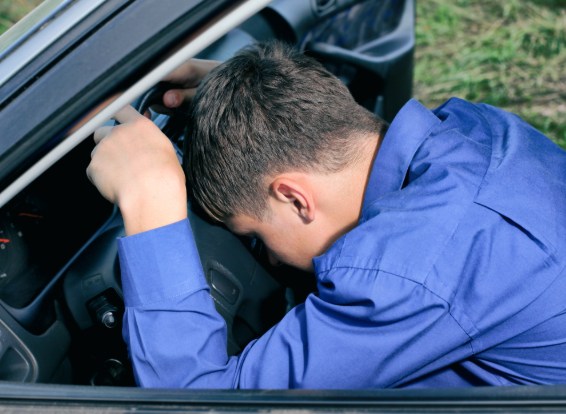
A drunk driving crash can leave more than a damaged car behind. Medical bills, missed work, insurance calls, and unanswered questions can quickly become part of daily life. The road to resolving a claim usually begins with one practical step: getting the facts organized.
Seeking legal help after a drunk driving accident can bring those facts into one place and give the claim a clear structure. The process then moves through the investigation, insurance process, records, negotiations, and, if needed, a lawsuit. Here is what that process can look like from start to finish.
The first stage is usually a review of the accident and its effects. An attorney may look at the police report, medical records, insurance information, photographs, witness details, and other available records. The goal is to understand what happened and identify the issues that may shape the claim.
The review can also include the driver’s conduct and information about suspected intoxication. Police observations, test results, citations, and witness accounts may become part of the available record. The information gathered at this stage helps establish what needs closer review.
Once the facts are collected, the investigation can become more detailed. Evidence from the crash scene may include photographs, vehicle damage, traffic camera footage, and statements from people who saw the collision. Records connected to the other driver’s conduct may also be examined.
Time matters because some evidence may not remain available for long. Traffic footage can be deleted, memories can become less clear, and physical evidence can change. Gathering available information early can give the claim a stronger factual record without assuming that any single piece of evidence decides the outcome.
Insurance companies become a major part of the process after an accident claim begins. The policies must be identified, and the insurer may request information about the crash, injuries, treatment, and losses. Communications may continue as the claim is reviewed.
A settlement offer can also arrive during this stage. It may be based on the information the insurer has at that point, which means the claim record can continue to develop. Legal help after a drunk driving accident may include reviewing these communications and discussing how the available evidence and documented losses relate to the claim.
A claim is not only about the damaged vehicle or the first medical bill. Records can show how an injury affects a person’s work, treatment, daily activities, and finances. Medical bills, treatment notes, wage records, and other documents can help create a picture of the losses connected to the accident.
Keeping records in one place can also reduce confusion as the claim moves forward. Important information may include:
Good records do not guarantee a particular result, but they can make the facts easier to review and discuss.
After evidence and losses have been reviewed, settlement discussions may take place. The insurer may make an offer, and the available records can be used to assess whether that offer addresses the documented claim. Negotiations can involve several rounds rather than one conversation.
A settlement may resolve the claim if both sides agree to its terms. Before that happens, the available evidence, losses, and other case details may continue to be reviewed. The process is shaped by the facts of the individual accident rather than a fixed formula.
Some claims do not reach an agreement through insurance negotiations. A lawsuit may then be filed, subject to the applicable legal process and deadlines. Filing does not necessarily mean the case will go to trial, because settlement discussions can continue during litigation.
The parties may exchange documents, answer questions, identify evidence, and prepare their positions. If the matter remains unresolved, trial preparation may follow.
Legal representation does not remove the injured person from the process. Continued medical care, record keeping, and timely communication can remain part of the claim. It is also important to keep relevant documents and provide requested information to the legal team.
The path from the first consultation to resolution can feel like a long chain of connected steps. The case is reviewed, evidence is gathered, insurance issues are addressed, losses are documented, and negotiations may follow. If those efforts do not resolve the matter, litigation can become the next stage. Knowing what comes after seeking help can make the process less unfamiliar and give readers a clearer view of what lies ahead.