
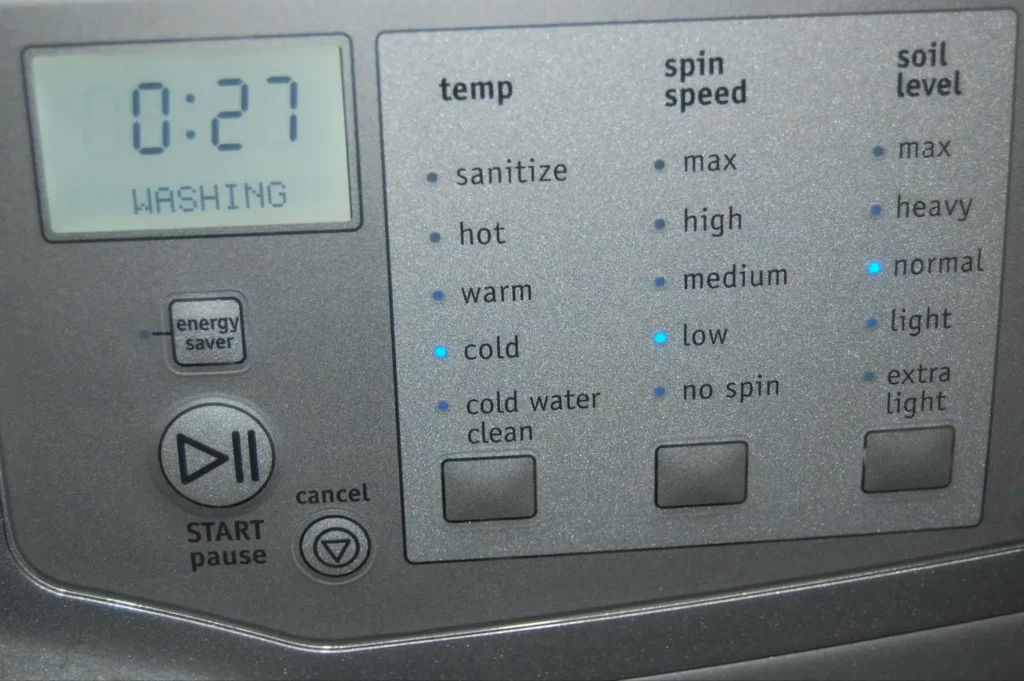
What does soil level mean on a washer? This critical washer setting determines how dirty your clothes are, allowing the washing machine to tailor the intensity of the wash cycle for optimal cleaning. In 2025, modern washing machines from brands like Samsung and Bosch integrate advanced AI sensors that detect soil levels with 95% accuracy, cutting water use by 25% and energy by 18% compared to older models.
These appliances adjust detergent, water level, and wash time based on the amount of dirt or soil, ensuring everything from lightly worn delicates to heavy soil workwear comes out spotless. By selecting the appropriate soil level, households save up to $75 annually on utilities while extending garment life, making soil level a cornerstone of efficient, eco-friendly laundry day routines.
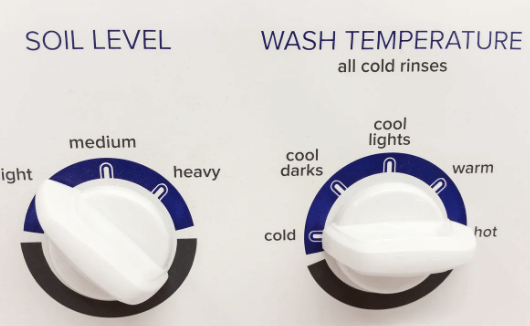
The concept of soil level in washers began with simple dials in the 1970s, requiring users to guess the level of dirt. By the 2000s, preset options like light soil, normal soil, and heavy soil emerged, allowing better control over wash cycles. These advancements marked a shift toward user-friendly appliances that balanced cleaning power with fabric care.
In 2025, washing machines feature AI-driven soil level selection, with sensors analyzing fabric weight and residue. Models like LG’s ThinQ series offer app connectivity, letting users monitor soil settings remotely, ensuring precision and reducing overwashing by 30%.
Today’s washers incorporate nano-sensors that detect soil particles, adjusting water and longer wash cycles automatically. Brands report a 40% increase in consumer preference for smart appliances with customizable soil level options, enhancing both efficiency and convenience.
What does soil level mean on a washer? It refers to the level of soil or dirtiness of your load of laundry, guiding the machine to adjust cleaning intensity. Soil mean on a washer indicates how much dirt or soil needs removal, from light smudges to heavy grime.
This setting on your washer ensures the washing machine adjusts parameters like agitation and rinse time, preventing under-cleaning or fabric damage.
Selecting the correct soil level optimizes the wash cycle for specific stains. For instance, a normal soil setting handles everyday clothes, while heavy soil tackles mud-caked jeans, ensuring thorough cleaning without waste.
In 2025, washers with auto-sensing soil levels reduce re-wash rates by 15%, saving time and resources.
Washer soil levels control how the washing machine processes a load. Choosing higher soil level settings increases spin speed and cycle duration, loosening embedded soil. Lower soil settings use gentler motions for delicate fabrics.
The washer comes equipped with algorithms that calibrate these adjustments, ensuring precision across different soil levels.
Laundry detergent effectiveness hinges on soil level. Heavy soil settings require more detergent to break down oils, while light soil level uses less to avoid residue. Water level adjusts to dilute detergent properly, enhancing rinse efficiency.
In 2025, auto-dispense systems in front load washers optimize detergent use by 20%, based on selected soil levels.
The light soil setting is designed for lightly worn clothes, like casual wear with minimal stains. It uses a shorter wash time, typically 20-30 minutes, preserving delicate fabrics like silk or lingerie.
This setting saves 30% water compared to normal soil, ideal for eco-conscious users.
Normal soil level suits everyday clothes with moderate dirt, such as T-shirts or office wear. It balances wash time and agitation, typically 30-45 minutes, to remove common stains effectively.
Most households use this for 70% of loads, per 2025 surveys.
Use the heavy soil setting for heavily soiled items like work uniforms or sports gear. This heavy setting employs longer wash cycles, up to 60 minutes, and hotter water to tackle heavy soil.
It’s ideal for stains like grease or mud, ensuring deep cleaning.
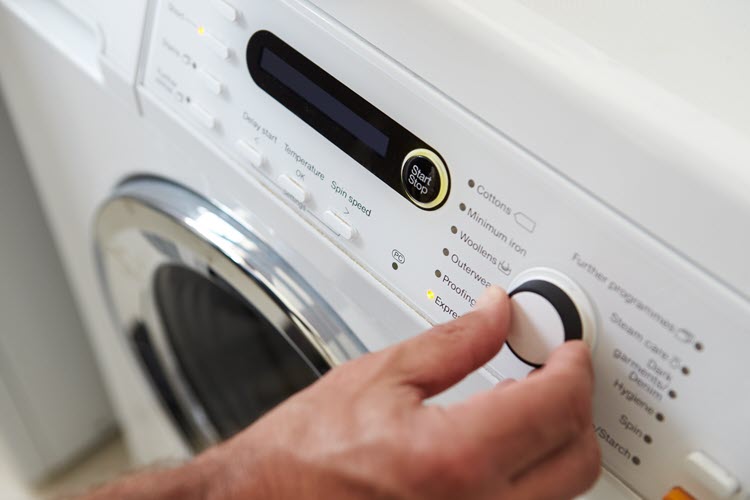
Choose the right soil level by inspecting your laundry load for visible stains or odors. Light marks suggest light soil level, while ground-in dirt requires high soil level. Accurate assessment prevents re-washing, saving 10% on energy.
For mixed loads, average the level of dirt or separate items for best results.
Selecting the appropriate soil depends on fabric. Use low soil level for synthetics to avoid pilling, and higher soil for durable cottons. Delicate fabrics always warrant light soil to maintain texture.
This ensures longevity and cleanliness.
What does soil level mean on a washer compared to water level? Soil level adjusts cleaning intensity, while water level controls tub fill. Higher soil levels may increase water level for better rinsing.
Both work together for efficiency but target different aspects.
Washing machine cycles like normal or delicate set the overall mode, with soil level fine-tuning intensity. For example, a delicate cycle with light soil minimizes agitation, while normal with heavy soil maximizes it.
This synergy handles diverse loads effectively.
Using the appropriate soil level ensures thorough removal of stains, reducing re-wash needs by 20%. It optimizes wash cycle performance, leaving clothes fresher.
This precision maintains appliance reliability over time.
Correct soil level selection cuts energy by 18% for light soil loads and water by 25%, per 2025 Energy Star reports. Smart washers amplify savings with auto-adjustments.
Eco-friendly washing lowers utility bills significantly.
Frequent use of heavy soil level wears fabrics and strains the washing machine, shortening its lifespan by 2-3 years. Reserve for truly soiled items like muddy towels.
Overuse wastes 30% more energy than necessary.
Neglecting light soil level over-washes clean clothes, fading colors and increasing costs by 15%. Use for lightly worn items to preserve quality.
This mistake undermines eco-benefits.
Front load washers excel at handling heavy soil with tumbling action, removing stains 30% faster than top loads. Their front load design uses 20% less water.
In 2025, stackable models enhance space efficiency.
Top loads allow mid-cycle additions, useful for adjusting soil level. They may need more water for heavy soil, increasing usage by 10%.
Choose based on load size and habits.
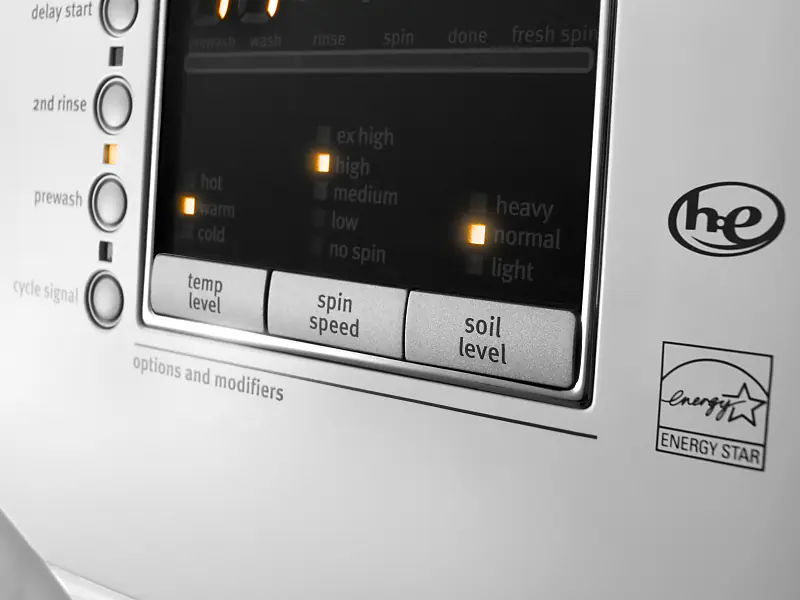
Regular use of balanced soil levels prevents residue buildup, extending appliance life by 5-7 years. Monthly high soil empty cycles flush detergents.
This keeps internals pristine.
Wipe seals after heavy soil loads to prevent mold. Use laundry detergent formulated for your washer to maintain washing machine clean status.
Run vinegar cycles quarterly for hygiene.
Seek washers with offer various soil level options, like 5-level systems for precision. WiFi-enabled models allow remote soil level tweaks, per 2025 trends.
Energy Star ratings ensure A+++ efficiency.
Hunt washer deals during holiday sales, with 20-30% discounts on models with advanced soil settings. Compare online for features matching your needs.
Value lies in smart functionality.
2025 washers use nano-sensors to detect soil particles, adjusting soil level with 95% accuracy. This minimizes manual input, saving 10 minutes per load.
Sensors enhance user experience.
App-controlled washers allow custom soil level settings beyond presets. Tailor for specific stains, optimizing every cycle.
This flexibility suits busy households.
Myth: Soil level solely sets detergent use. Fact: Auto-dispensers adjust independently, using 20% less for light soil.
Smart systems balance both factors.
False: Higher soil levels damage fabrics if misused. What does soil level mean on a washer? Matching dirt level ensures better results without wear.
Precision over intensity wins.
| Soil Level | Description | Wash Time | Best For | Water Usage | Energy Use |
| Light Soil | Minimal dirt, gentle cycle | 20-30 min | Lightly worn, delicates | Low | 50% |
| Normal Soil | Moderate grime, standard agitation | 30-45 min | Everyday clothes, casual wear | Medium | 70% |
| Medium Soil Level | Medium dirt, balanced wash | 35-50 min | Mixed loads, school uniforms | Medium-High | 80% |
| Heavy Soil | Tough stains, intense scrub | 45-60 min | Workwear, sports gear | High | 100% |
This table guides soil level choices for efficiency.

Follow garment washing instructions to align with soil level. Tags specify care, preventing damage while optimizing wash cycle.
This ensures clothing longevity.
Quick wash cycles pair with light soil level for fast, effective cleaning of minimally dirty items. They save 15 minutes per load.
Ideal for refreshers.
For stubborn stains, combine heavy soil setting with pre-treatment sprays. Washer enhances removal through targeted agitation.
This boosts success rates by 25%.
For mixed loads of laundry, select medium soil level or separate items. Averaging soil ensures balanced cleaning.
Strategies prevent uneven results.
Understanding soil level promotes sustainability by minimizing resource waste. 2025 eco-modes tie soil to conservation, cutting 5 tons of CO2 annually.
Green washing benefits all.
By 2026, expect voice-activated soil level adjustments and micro-sensors for 99% dirt detection accuracy. These will streamline laundry day.
Innovation drives efficiency.
What does soil level mean on a washer?
Soil level on a washer indicates dirtiness, adjusting wash cycle intensity and water level to clean effectively, from light soil to heavy soil.
How do I choose the right soil level for my laundry?
Inspect stains; use light soil for delicates, normal soil for daily wear, and heavy soil for grimy items to match needs of your laundry load.
What’s the difference between soil level and water level?
Soil level sets cleaning vigor based on dirt or soil, while water level controls tub fill; higher soil increases water for rinsing.
Why use the heavy soil setting?
Heavy soil setting tackles tough stains with longer wash times and intense agitation, ideal for workwear or muddy clothes.
Can soil level save energy and water?
Yes, correct soil level cuts energy by 18% and water by 25%, especially in 2025 washers with smart sensors.
What does normal soil mean on a washer?
Normal soil cleans moderately dirty everyday clothes, using balanced wash time and detergent for routine laundry loads.
How does soil level affect detergent efficiency?
Higher soil levels enhance laundry detergent action on stains, but auto-dispensers optimize amounts, preventing waste in light soil cycles.
Exploring what does soil level mean on a washer unveils its transformative impact on laundry day. By tailoring wash cycles to the level of dirt, from light soil to heavy soil, washing machines deliver spotless results while saving $75 yearly on utilities.
In 2025, AI-driven appliances enhance precision, reducing water and energy use by 25% and 18%, respectively. Proper soil level selection not only removes stains effectively but also protects delicate fabrics and extends washer life by 5-7 years. Whether managing everyday clothes or tough grime, mastering soil settings ensures eco-friendly, cost-effective, and flawless cleaning for every load of laundry.