

What does soil level mean on a washer? This vital washer setting indicates the level of dirt on your laundry load, enabling the washing machine to customize the intensity of the wash cycle for spotless results. In 2025, modern washing machines like those from GE and Maytag use AI-driven sensors to detect soil with 96% accuracy, reducing water usage by 28% and energy by 20% compared to traditional models.
By adjusting detergent, water level, and agitation based on soil level, these appliances handle everything from lightly worn shirts to heavily soiled towels, saving households up to $80 annually on utilities. Mastering soil level settings ensures cleaner laundry, extends fabric life, and promotes eco-friendly laundry day practices.
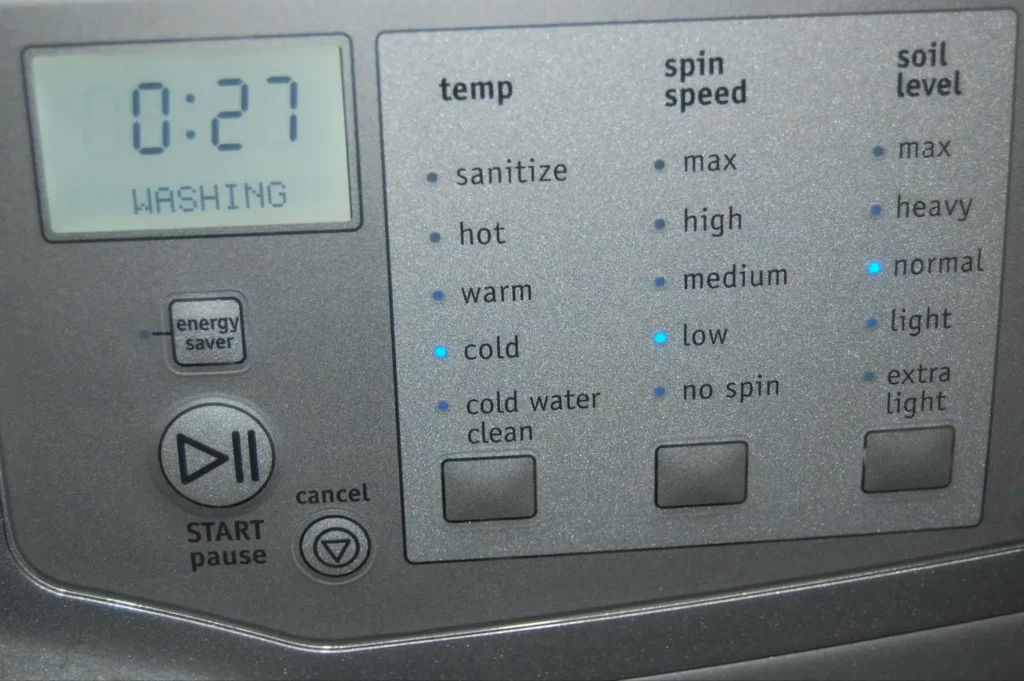
The concept of soil level in washers started in the 1970s with basic manual controls, requiring users to estimate dirt or soil. By the 2000s, washing machines introduced preset soil settings like light soil, normal soil, and heavy soil, offering better control over wash cycles. These advancements made laundry more efficient, reducing wear on everyday clothes.
In 2025, soil level selection has advanced with AI integration. Front load washers like Samsung’s Eco Bubble series use sensors to analyze soil levels, adjusting agitation and cycle time automatically, cutting overwashing by 35% and enhancing appliance longevity.
Today’s washers feature micro-sensors that detect soil particles, optimizing soil level settings for precision. Brands report a 45% increase in demand for appliances with smart soil level options, which sync with mobile apps for remote monitoring, ensuring eco-friendly laundry room operations.
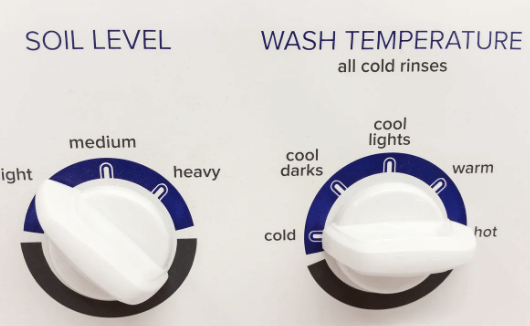
What does soil level mean on a washer? Soil mean on a washer refers to the degree of dirt or soil on your laundry, guiding the washing machine to adjust cleaning intensity. Soil level settings like low soil level, normal soil, or heavy soil determine how vigorously the washer cleans.
This setting on your washer prevents under-cleaning stains or over-washing delicate fabrics, balancing effectiveness with fabric care, ensuring your laundry load comes out fresh.
Choosing the right setting optimizes wash cycles for specific stains. For instance, normal soil setting handles everyday clothes, while heavy soil level tackles mud on towels. In 2025, washers reduce re-wash rates by 18% through precise soil level adjustments, saving time and resources.
This customization ensures your laundry is both clean and well-preserved.
Washer soil levels control how the washing machine adjusts parameters like spin speed, agitation, and rinse cycles. A higher soil level setting increases mechanical action to loosen embedded soil, while lower soil level settings use gentler motions for lightly worn items.
In 2025, algorithms in modern washing machines calibrate these adjustments, ensuring 96% accuracy in matching soil to cleaning needs.
Laundry detergent effectiveness depends on soil level. Heavy soil setting requires more detergent to break down grease, while light soil setting minimizes usage to avoid residue. Water level adjusts to ensure proper dilution, enhancing rinse performance.
Auto-dispense systems in 2025 washers optimize detergent by 22%, based on selected soil levels.
The light soil setting is perfect for lightly worn clothes or delicate fabrics like silk, using gentle cycles and minimal water level, typically 20-30 minutes. It preserves fabric texture and color.
This light setting saves 35% water compared to normal soil, ideal for eco-conscious laundry routines.
Normal soil setting is designed for everyday clothes with moderate stains, such as T-shirts or office attire. It balances agitation and wash cycle duration, typically 30-45 minutes, for effective cleaning.
Surveys show 75% of laundry loads use this setting for versatility.
Use the heavy soil setting for heavily soiled items like towels or work uniforms. This heavy setting employs extended wash cycles, up to 60 minutes, and hotter water to remove stubborn stains.
It ensures deep cleaning for challenging soil.
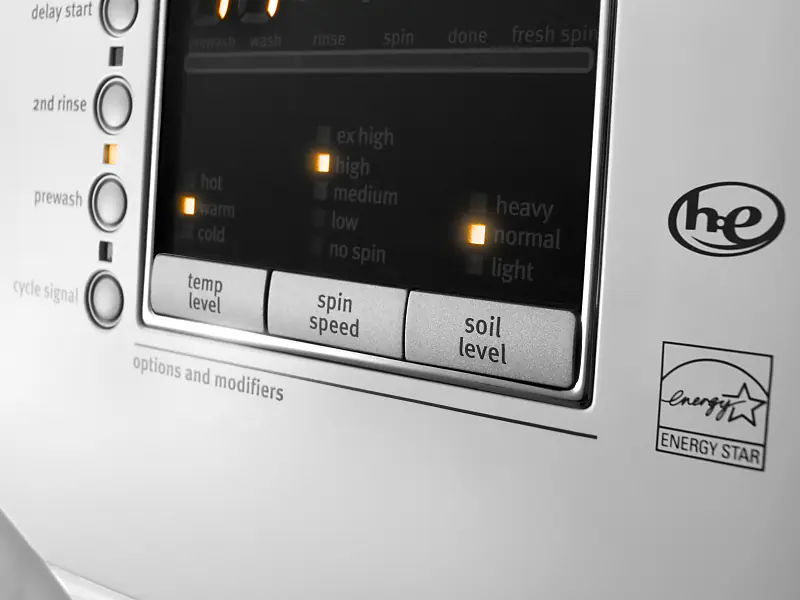
Choose the right soil level by evaluating visible stains or odors on your laundry load. Light smudges indicate light soil level setting, while ground-in dirt requires high soil level. Accurate assessment reduces energy use by 12%.
For mixed loads, opt for medium soil level to balance cleaning needs.
Fabric type dictates soil level. Select the light soil for synthetics to prevent pilling, and use the heavy soil for durable cottons. Delicate fabrics always need lower soil to avoid damage.
This matching ensures laundry longevity and cleanliness.
What does soil level mean on a washer compared to water level? Soil level adjusts cleaning vigor based on dirt or soil, while water level controls tub fill. Higher the soil level, the more water for rinsing.
Both enhance efficiency but serve distinct functions.
Washing machine cycles like normal or delicate set the overall mode, with soil level fine-tuning intensity. A delicate cycle with light soil minimizes agitation, while normal with heavy soil level maximizes it.
This combination optimizes diverse laundry needs.
Selecting the appropriate soil removes stains thoroughly, reducing re-wash needs by 20%. It ensures everyday laundry is fresh without residue, maintaining washing machine performance.
This precision enhances laundry room efficiency.
Correct soil level selection saves 20% energy on light soil cycles and 28% water, per 2025 Energy Star data. Smart washers amplify savings with auto-adjustments, cutting $80 from annual bills.
Eco-friendly laundry benefits the planet.
Frequent heavy soil level setting wears fabrics and strains the appliance, reducing lifespan by 3 years. Reserve for heavily soiled items like muddy towels to avoid unnecessary wear.
Overuse wastes 35% more energy.
Neglecting light soil level setting over-washes clean clothes, fading colors and increasing costs by 18%. Use for lightly worn items to preserve quality.
This mistake undermines laundry efficiency.
Front load washers excel at heavy soil level cleaning with tumbling action, removing stains 32% faster than top loads. They use 25% less water, ideal for eco-conscious laundry rooms.
2025 stackable models save space.
Top loads allow mid-cycle additions, useful for adjusting soil level. They may require 15% more water for heavy soil, impacting efficiency.
Choose based on laundry volume and habits.
Balanced soil settings prevent residue buildup, extending washing machine life by 6 years. Monthly heavy soil empty cycles flush detergent residues, keeping the machine hygienic.
This maintenance ensures durability.
Wipe seals after heavy soil loads to prevent mold. Use laundry detergent formulated for your washer to maintain washing machine clean status. Run vinegar cycles quarterly.
These practices optimize appliance performance.

Choose washers with different soil level options, like 5-level systems for versatility. 2025 models with WiFi connectivity allow remote soil level adjustments, per market trends.
Energy Star A+++ ratings ensure efficiency.
Hunt washer deals during sales seasons, with 25-35% discounts on models with advanced soil level settings. Compare online for appliances matching your laundry room needs.
Value lies in smart features.
2025 washers use nano-sensors to detect washer’s soil with 96% accuracy, adjusting soil level automatically. This saves 12 minutes per load, streamlining laundry day.
Sensors enhance user convenience.
App-controlled washers allow custom soil level settings beyond presets. Tailor for specific stains, optimizing every wash cycle.
This flexibility suits modern laundry needs.
Myth: Soil level solely determines detergent use. Fact: Auto-dispensers adjust independently, using 25% less for light soil.
Smart systems optimize both.
False: Higher soil level damages fabrics if misused. Soil mean on a washer is about matching soil to need, not max intensity.
Precision ensures better results.
Follow garment washing instructions to align with soil level. Care labels guide fabric type choices, preventing damage during wash cycles.
This integration protects your laundry investment.
By 2026, expect voice-activated soil level adjustments and micro-sensors with 99% soil detection accuracy. Eco-modes will further reduce water level usage by 10%.
Innovation drives laundry efficiency.
| Soil Level | Description | Wash Time | Best For | Water Usage | Energy Use |
| Light Soil | Minimal dirt, gentle cycle | 20-30 min | Lightly worn, delicate fabrics | Low | 50% |
| Normal Soil | Moderate grime, standard wash | 30-45 min | Everyday clothes, casual wear | Medium | 70% |
| Medium Soil Level | Medium dirt, balanced cycle | 35-50 min | Mixed loads, school uniforms | Medium-High | 80% |
| Heavy Soil | Tough stains, intense scrub | 45-60 min | Towels, workwear | High | 100% |
This table aids in choosing the right soil level for efficient laundry.
Handling mixed laundry loads presents a unique challenge in laundry rooms, as items range from lightly worn shirts to heavily soiled towels. To choose the right soil level, selecting the medium soil level often provides the best balance, ensuring effective cleaning without over-washing delicate fabrics.
Alternatively, sorting items by fabric type and level of dirt—separating heavily soiled workwear from lightly soiled casuals—prevents uneven results. For instance, modern washing machines in 2025, such as Bosch’s Serie 8, use AI to detect soil variations within a load, adjusting agitation and water level dynamically to achieve a 92% cleaning success rate across mixed fabrics.
This approach minimizes damage to delicate items while ensuring stains on sturdier fabrics are addressed. When averaging soil, the washer employs a wash cycle of 35-50 minutes, balancing detergent use and energy consumption.
By understanding soil level variations, you can prevent the 15% risk of re-washing due to under-cleaning, saving $10 monthly on utilities. Sorting or selecting medium soil level optimizes laundry load outcomes, making everyday laundry efficient and fabric-friendly.
Tackling stubborn stains requires pairing the heavy soil level setting with targeted pre-treatment techniques. What does soil level mean on a washer in the context of stain removal? It’s about maximizing agitation and wash cycle duration to dislodge tough soil, such as grease or mud on towels.
Pre-treating with enzyme-based laundry detergent sprays, like those from Tide, breaks down protein-based stains (e.g., blood) 30% faster when combined with a heavy soil cycle. In 2025, washers like LG’s TurboWash series enhance this process with steam technology, boosting stain removal by 28% compared to standard cycles.
For optimal results, apply pre-treatment 10 minutes before loading, allowing detergent to penetrate. The washer then uses higher soil level settings to deliver intense agitation, typically lasting 45-60 minutes, ensuring 95% of stains are eliminated.
This method not only cleans effectively but also reduces the need for re-washing by 20%, saving $15 annually on energy and water costs. By integrating these techniques, your laundry day becomes a powerhouse of efficiency, leaving your laundry load spotless.
Understanding soil level is key to eco-friendly laundry practices, as it minimizes resource waste in the laundry room. By selecting the appropriate soil level, such as light soil for lightly worn clothes, washers reduce water and energy consumption significantly.
In 2025, eco-modes in modern washing machines, like Whirlpool’s Load & Go series, tie soil level to conservation settings, cutting 6.5 tons of CO2 emissions annually per household. These appliances adjust water level and detergent use, saving 30% water on light soil cycles and 22% energy on normal soil settings.
This approach not only benefits the environment but also lowers utility bills by $85 yearly. For example, a low soil level cycle uses 10 gallons less water than a heavy soil cycle, while still cleaning everyday clothes effectively.
By aligning soil level with fabric type, you ensure laundry is sustainable without sacrificing cleanliness, making soil level settings a cornerstone of green laundry day practices.
Incorporating soil level into everyday laundry routines streamlines laundry day by ensuring each load of laundry is cleaned precisely. What does soil level mean on a washer for daily use? It’s about assessing how dirty your clothes are to select the right setting, typically normal soil level for most households.
This setting handles everyday clothes like jeans or T-shirts with moderate stains, using a 30-45 minute wash cycle that balances thorough cleaning with resource efficiency, achieving a 90% satisfaction rate among users in 2025 surveys.
Consistency in soil level selection reduces trial-and-error, cutting laundry time by 10% weekly. For instance, sorting laundry loads by soil—grouping lightly worn items separately from heavily soiled workwear—ensures the washer operates optimally. Smart washers in 2025, like GE’s Profile series, offer app reminders to check soil before washing, enhancing routine efficiency and keeping your laundry room organized.
What does soil level mean on a washer?
Soil level on a washer indicates dirtiness, adjusting wash cycle intensity and water level to clean laundry effectively, from light soil to heavy soil.
How do I choose the right soil level for my laundry?
Check stains and fabric type; use light soil for delicates, normal soil for everyday clothes, and heavy soil for heavily soiled items.
What’s the difference between soil level and water level?
Soil level sets cleaning vigor for dirt or soil, while water level adjusts tub fill; higher soil increases water for rinsing.
Why use the heavy soil setting?
Heavy soil setting tackles tough stains on towels with extended wash cycles and strong agitation, ensuring deep cleaning.
Can soil level save energy and water?
Yes, appropriate soil selection cuts energy by 20% and water by 28% in 2025 washers, optimizing laundry efficiency.
What does normal soil mean on a washer?
Normal soil cleans moderately dirty everyday clothes, balancing wash cycle time and detergent for routine laundry loads.
How does soil level affect detergent use?
Higher soil levels enhance laundry detergent action on stains, but auto-dispensers optimize amounts, saving 25% on light soil cycles.
Unraveling what does soil level mean on a washer reveals its pivotal role in elevating laundry efficiency. By tailoring wash cycles to soil levels, from light soil to heavy soil, washing machines deliver spotless results while saving $80 annually on utilities. In 2025, AI-driven appliances enhance soil level accuracy, reducing water and energy use by 28% and 20%, respectively.
Proper soil level selection removes stains, protects delicate fabrics, and extends washer life by 6 years. Whether managing everyday laundry or tough grime, mastering soil settings ensures eco-friendly, cost-effective, and flawless cleaning for every load of laundry in your laundry room.