
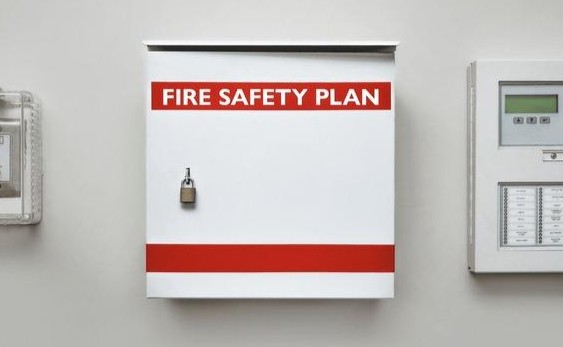
Fire safety regulations for commercial properties are structured guidelines that ensure buildings are designed, equipped, and maintained to prevent fires and protect occupants. These regulations combine local fire codes, national standards, and industry best practices to create a comprehensive fire protection framework.
In most cases, compliance involves aligning your fire system with both municipal laws and widely accepted standards like those set by the National Fire Protection Association (NFPA).
Many businesses work with experts such as Empire Fire Protection Services to navigate these layered requirements and keep their fire protection systems up to code. Let’s understand them in detail.
Local fire codes are enforced by city or state authorities and are legally binding. They focus on building safety, system installation, and occupancy-specific risks.
Alongside these, the Occupational Safety and Health Administration (OSHA) ensures that workplaces follow fire safety practices that protect employees during emergencies. While local codes govern the structure and systems, OSHA emphasizes how people interact with those systems.
Failing to meet these codes can lead to penalties or even the temporary closure of the business.
NFPA standards provide detailed technical guidance that complements local fire codes. Here’s a quick look at some of the most important ones for commercial properties:
Focuses on building design, occupancy safety, and emergency exits. It ensures people can evacuate quickly and safely during a fire or emergency.
Covers how often fire protection systems, like sprinklers, must be inspected and serviced. It ensures systems remain functional over time, not just at installation.
Sets standards for fire alarm systems, including installation, performance, and testing. It ensures timely alerts and clear communication during emergencies.
Understanding regulations is one thing – implementing them correctly is another. Professional fire services help install, inspect, and maintain systems in line with both local codes and NFPA standards.
Their involvement reduces compliance risks and ensures your fire protection setup works exactly as intended when it matters most.
Staying informed about these regulations helps create a safer workplace while keeping your business fully compliant.