
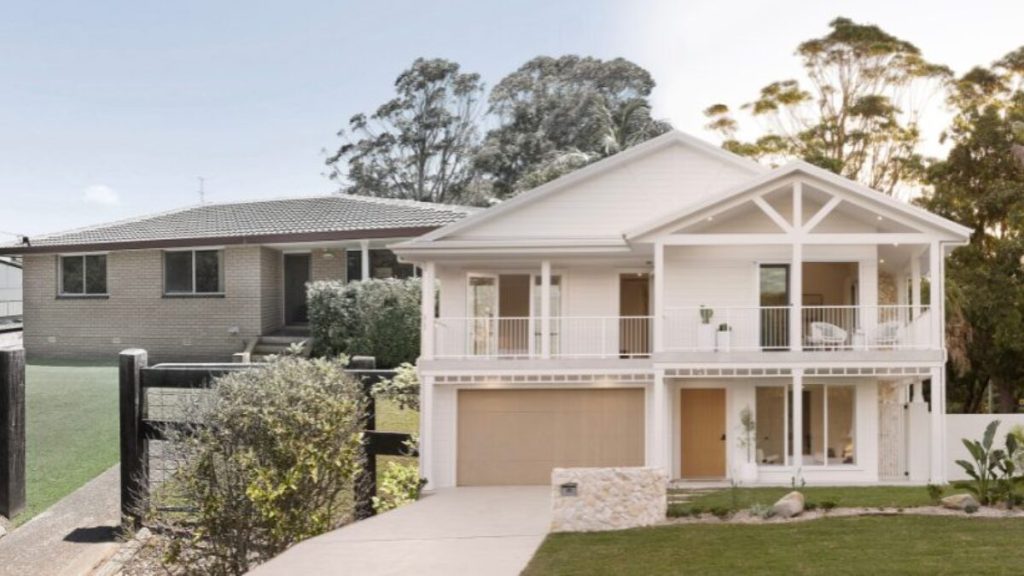
You love your neighbourhood, your morning coffee spot is just around the corner, and the kids are settled into nearby schools. There’s just one problem: your house no longer works for you. Perhaps the rooms feel cramped, the layout is awkward, or years of renovations have left the property looking like a collection of mismatched additions.
Moving isn’t necessarily the answer. Sometimes, the best opportunity is already sitting beneath your feet.
A knockdown rebuild allows homeowners to replace an outdated house with a completely new one while keeping the land and location they love. Working with experienced knockdown rebuild builders can make the process more manageable, helping you understand what’s possible, avoid unnecessary expenses and create a home designed around your needs.
Renovating an older property can seem like the obvious choice, particularly when the existing structure appears reasonably sound. However, extensive renovations often reveal problems that weren’t visible during the initial inspection.
Outdated plumbing, ageing electrical systems, structural limitations and unexpected repairs can quickly stretch a renovation budget.
Rebuilding offers several potential advantages:
Of course, rebuilding isn’t always the cheaper option. Comparing detailed renovation and rebuilding estimates is essential before making a decision.
Before getting excited about floor plans and kitchen finishes, establish what can actually be built on your land.
Every property has constraints that influence the size, position and design of a new home.
Planning regulations may determine building height, setbacks, site coverage and other design considerations.
Some properties also have restrictions relating to heritage protection, significant trees or environmental conditions.
A builder familiar with local requirements can help identify potential complications before you commit to a design.
The condition of the land can significantly influence construction costs.
Sloping blocks, difficult soil conditions, drainage issues and limited access may require additional engineering or preparation.
For example, a property with restricted driveway access might need specialised equipment during demolition, increasing the overall expense.
Understanding these factors early helps establish a realistic budget.
One of the biggest advantages of rebuilding is the opportunity to create a home that genuinely suits your lifestyle.
Instead of starting with an attractive floor plan, consider how you use your current home and what you would change.
Think about where everyone gathers, which rooms feel underused and whether your storage needs have changed.
A well-designed home should accommodate changing circumstances.
A spare bedroom might eventually become a home office, while a separate living area could provide teenagers with their own space.
Consider flexible rooms, accessible entrances and practical storage that will remain useful for years.
Window placement, building orientation and outdoor connections can dramatically influence how comfortable a home feels.
Thoughtful design can maximise daylight, encourage natural airflow and reduce reliance on artificial lighting.
These decisions are generally easier to incorporate during the initial design stage than after construction begins.
The advertised price of a new home rarely represents the entire project cost.
Demolition, site preparation, temporary accommodation and additional approvals may need to be funded separately.
Before proceeding, ask for a detailed breakdown covering:
Pay particular attention to provisional allowances and exclusions. An attractive initial quote can become considerably more expensive when essential items haven’t been included.
Maintaining a contingency fund can provide financial breathing room if unforeseen issues arise.
Rebuilding is a major commitment, so selecting the right construction team deserves careful consideration.
Look beyond display homes and promotional photographs. Ask about completed projects, relevant experience and how unexpected problems are handled.
Request references from previous clients and discuss how frequently you’ll receive progress updates.
A reliable builder should explain the construction process, outline responsibilities and provide realistic expectations about timelines.
It’s also worth understanding how design changes are priced and approved once construction begins.
A knockdown rebuild offers something that moving or renovating cannot always provide: the opportunity to completely rethink your living environment without giving up a familiar location.
The key is approaching the project with realistic expectations, careful budgeting and a clear understanding of your property’s possibilities.
Take time to explore different layouts, identify your priorities and ask questions before signing contracts. The decisions made during planning will influence your home’s comfort and functionality long after construction finishes.
With the right preparation and building team, an ageing property can become a modern, welcoming home that better reflects how you want to live.