
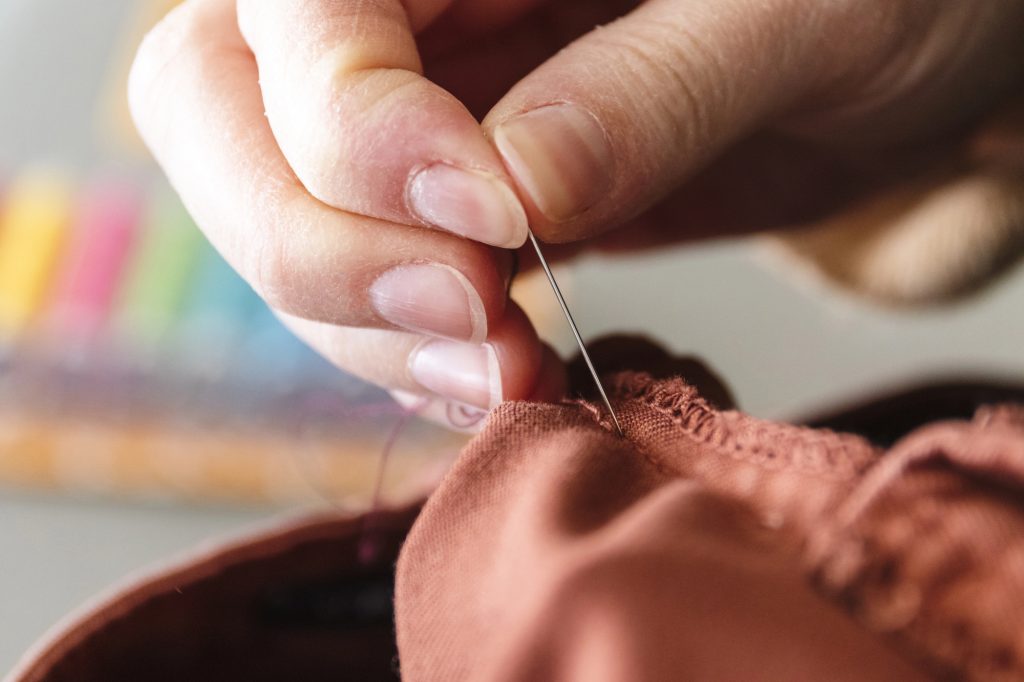
Not long ago, sewing was considered a skill passed down through generations out of necessity. Grandmothers taught mothers, mothers taught daughters, and knowing how to stitch a hem or darn a sock was simply part of everyday life. Then came mass-produced fast fashion, and for a few decades, sewing faded into the background. Today, it is making a remarkable comeback, and for reasons that go far deeper than nostalgia.
A Hobby With Real-World Returns
Sewing occupies a unique space in the hobby landscape because it produces something tangible and functional. Unlike collecting or gaming, where the reward is largely experiential, sewing gives you a finished product: a garment, a quilt, a bag, an item that you will actually use. This is a significant draw for people who want their leisure time to feel productive.
There is also a financial dimension. A person who sews their own clothes and handles basic repairs at home saves a meaningful amount of money over time. Tailoring fees in most cities are not cheap, and being able to alter, repair, or create your own wardrobe pieces is a practical advantage that compounds over years.
The Vintage Machine Renaissance
Alongside the sewing revival is a renewed appreciation for vintage sewing machines. Models produced between the 1930s and the 1970s were built with all-metal components, tight tolerances, and a level of craftsmanship rarely seen in today’s mass-produced alternatives. These machines were designed to last for decades, and many of them are still running perfectly after more than half a century.
Part of the appeal is aesthetic. A vintage machine on a wooden cabinet looks beautiful in a home. But the practical appeal is just as strong. Many professional seamstresses swear by vintage models for the quality of their stitches and the simplicity of their mechanics. Fewer electronic components mean fewer failure points and simpler repairs.
Sourcing parts for these classic machines is now easier than ever. Vintage Singer Parts offers a wide selection of replacement components and supplies for vintage Singer models as well as other makes and models, making it practical for owners to keep their machines running in top condition.
Why Younger Generations Are Embracing It
One of the more surprising aspects of the sewing renaissance is its demographic reach. While sewing has traditionally been associated with older generations, younger adults and even teenagers are taking it up in significant numbers. Social media has played a major role: platforms like TikTok and Instagram are filled with sewing content, from quick repair tutorials to detailed garment construction videos. Seeing others complete beautiful projects in short video format makes the skill feel accessible and exciting.
There is also an environmental motivation. Fast fashion is one of the world’s most polluting industries, and many young consumers are actively looking for ways to reduce their participation in it. Sewing offers a direct solution: buy less, make more, repair instead of replace.
Where to Begin
If you are curious about learning to sew, the barrier to entry is lower than you might think. Countless free tutorials are available online covering everything from threading a machine to reading a pattern. Community centers and fabric stores frequently offer beginner classes. And starting with simple projects like tote bags, pillowcases, or hemming trousers gives you quick wins that build confidence for more complex work.
The most important thing is having a reliable machine. Whether you choose a new computerized model or restore a vintage classic, having equipment that functions smoothly makes the learning process far more enjoyable.
Frequently Asked Questions
Why are vintage sewing machines considered better by some sewers? Vintage machines from the mid-20th century were made with all-metal parts and precise engineering. Many sewers find their stitch quality superior to modern plastic-heavy models, and their durability is legendary.
How do I find parts for a vintage sewing machine? Specialty online retailers carry a wide range of parts for popular vintage brands. Searching by model number is the most reliable way to find the correct components.
Is sewing a good hobby for stress relief? Yes. Studies have linked repetitive hand-based crafts to reduced anxiety and improved focus. Many sewers describe the activity as meditative.
How much does it cost to start sewing? A decent beginner machine runs between $100 and $200 new, though a used vintage machine can cost less. Basic sewing notions like thread, needles, and pins add a modest additional cost.
Can sewing become a source of income? Absolutely. Many sewers sell custom-made items, offer alteration services, or create products for online marketplaces once they have developed their skills.