
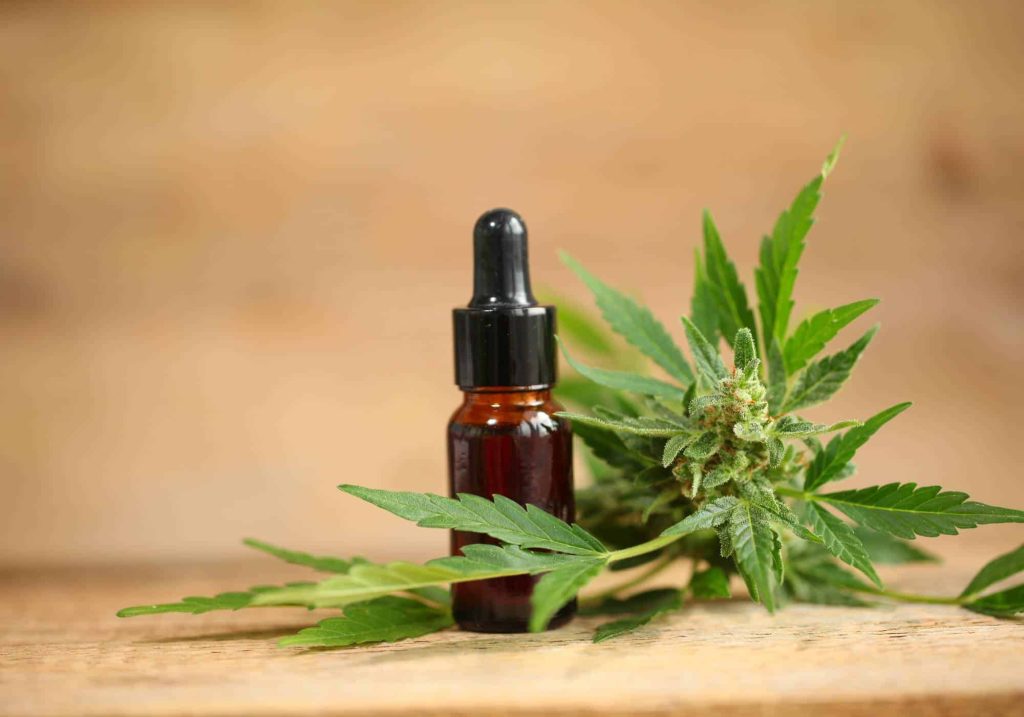
Long workdays leave muscles and thoughts exhausted. Sleep suffers after constant digital stimulation. Balanced wellness habits include calmer nighttime choices. Many adults prefer evening rituals before resting. Within those habits, Fresh Bros THCA flower fits in mindful recovery practices.
Recovery begins before sleep starts each night. Bright screens delay melatonin release inside the brain. Tight shoulders signal lingering physical strain. Calm environments help overstimulated minds settle.
A rushed bedtime weakens physical repair during overnight cycles. In contrast, slower evenings encourage steadier breathing before sleep. Light stretching reduces stiffness after demanding office schedules.
Mental clarity rarely appears after fragmented sleep patterns. Poor rest weakens attention during meetings and daily tasks. Small distractions feel harder to ignore during afternoons.
For example, exhausted professionals reread identical emails. Athletes experience slower reaction times after broken rest. Students struggle to remember details during academic preparation.
Several wellness habits strengthen daytime concentration:
Each habit strengthens cognitive recovery during overnight hours. Better focus follows stronger rest without artificial stimulation.
Modern schedules create nonstop pressure across personal responsibilities. Because stress rarely disappears, recovery habits matter. Many adults choose slower nighttime environments after exhausting workdays.
Some people pair herbal tea with meditation before sleep. Others prefer journaling after difficult emotional situations. In similar wellness spaces, Fresh Bros THCA flower complements quiet recovery moments without overpowering nighttime balance.
That distinction matters for wellness-focused consumers seeking manageable experiences. Heavy stimulation interrupts natural sleep preparation before bedtime. Softer evening habits encourage calmer transitions toward overnight restoration.
Eight restless hours rarely restore exhausted minds. Deep sleep cycles handle physical repair and memory processing each night. Interrupted sleep patterns weaken those biological recovery functions.
Late-night scrolling creates stronger mental stimulation before bedtime. Stress hormones remain elevated under constant digital exposure. Calm surroundings help the body recognize natural sleep signals earlier.
Helpful nighttime adjustments include:
Each adjustment improves comfort before overnight recovery begins.
Wellness rarely depends on dramatic lifestyle transformations. Repeated habits shape physical recovery and mental sharpness over time. Better sleep begins through smaller behavioral adjustments each evening.
People notice clearer mornings after improving nighttime consistency. Reduced tension influences patience during demanding interactions. Balanced recovery supports emotional control during stressful situations.
Practical combinations
| Wellness Goal | Helpful Evening Practice |
| Mental calm | Breathing exercises |
| Physical recovery | Gentle stretching |
| Faster sleep onset | Reduced screen exposure |
| Sharper focus | Consistent sleep timing |
Simple choices create stronger long-term improvements than extreme approaches.
Sleep affects far more than simple physical energy levels. Emotional reactions become harder controlling after repeated restless nights. Focus weakens quickly under constant mental fatigue and stress.
Well-rested individuals often manage workplace pressure more calmly afterward. Clear thinking also improves communication during difficult personal interactions. Recovery habits strengthen both physical and cognitive resilience over time.
Wellness routines now emphasize sustainable balance instead of constant productivity. Slower evenings create healthier boundaries between work and personal recovery. That shift explains why calming nighttime practices continue gaining wider acceptance.
Can THCA flower replace healthy sleep habits?
No. Healthy sleep patterns still require environmental and behavioral improvements. THCA flower fits in broader wellness practices.
Why do evening rituals improve recovery?
Consistent nighttime habits signal relaxation before sleep begins. Calm transitions reduce overstimulation caused by modern digital lifestyles.
Does mental focus depend upon physical recovery?
Yes. Physical exhaustion affects concentration, emotional control, and decision-making quality. Better recovery strengthens sharper thinking during demanding situations.
What wellness habits pair well with THCA flower?
Stretching, reading, breathing exercises, and reduced screen exposure pair well. Quiet nighttime environments improve overall relaxation quality.