
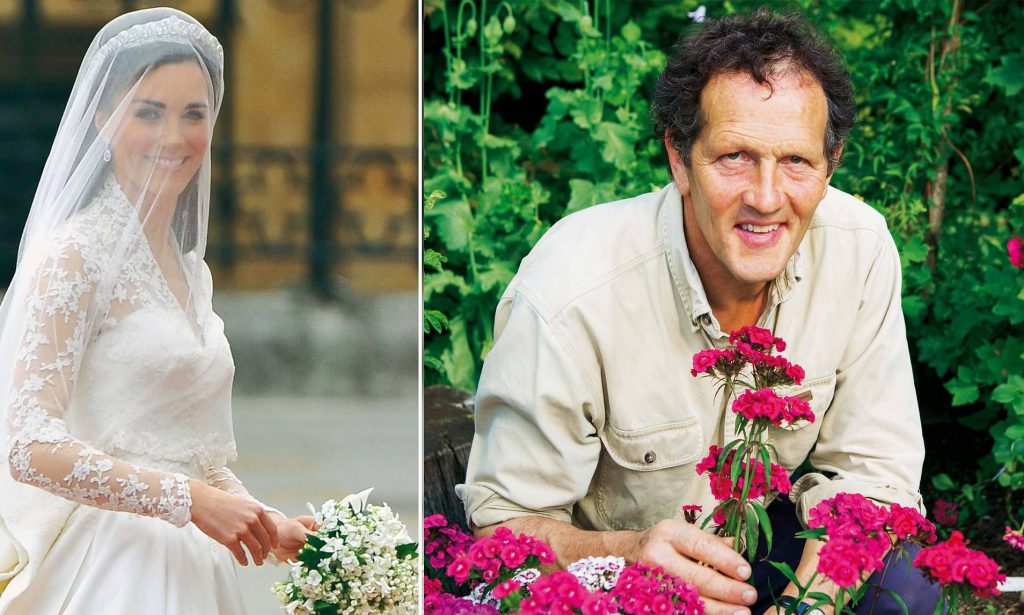
Monty Don daughter wedding has captured the curiosity of gardening enthusiasts and fans worldwide, offering a rare glimpse into the personal life of Britain’s beloved horticulturist.
The 70-year-old Gardeners’ World presenter has carefully maintained privacy around his family celebrations, making moments like his daughter Freya’s wedding particularly special.
Born on July 8, 1955, Monty Don has built an extraordinary career spanning television, writing, and broadcasting, while nurturing a loving family with his wife Sarah.
| Category | Details |
|---|---|
| Full Name | Montagu Denis Wyatt Don OBE DL VMH |
| Date of Birth | July 8, 1955 |
| Age | 70 years old (as of 2026) |
| Birthplace | Iserlohn, West Germany |
| Nationality | British |
| Wife | Sarah Erskine Don |
| Marriage Date | July 29, 1983 |
| Years Married | 43 years (as of 2026) |
| Children | 3 (Adam, Tom, Freya) |
| Daughter’s Name | Freya Don |
| Daughter’s Age | Late 30s (born mid-1980s) |
| Grandchildren | George, Daisy Rose |
| Current Residence | Longmeadow, Ivington, Herefordshire |
| Famous Property | Longmeadow Garden (2 acres) |
| Net Worth | £1-4 million (estimated 2026) |
| Primary Career | Television Presenter, Writer, Horticulturist |
| Main Show | Gardeners’ World (BBC) |
| Years on TV | 37+ years (since 1989) |
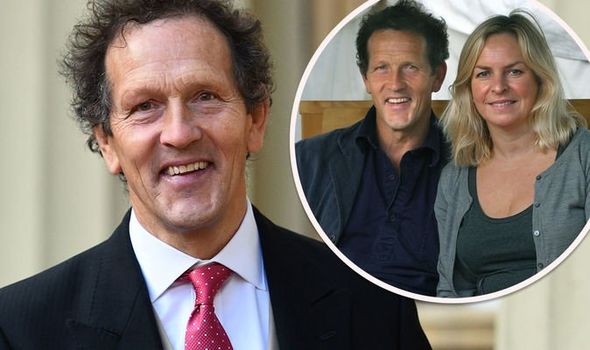
The Monty Don daughter wedding represents a beautiful chapter in the Don family’s story, blending their signature love of nature with intimate family celebration. Freya Don, Monty and Sarah’s only daughter, married in a ceremony that perfectly reflected the family’s values of simplicity, authenticity, and connection to the natural world.
Unlike high-profile celebrity weddings splashed across tabloids, the Don family chose to keep Freya’s wedding private and understated. This decision aligns perfectly with Monty’s lifelong philosophy of maintaining boundaries between his public television persona and his family’s personal moments.
The exact date of Freya Don’s wedding has not been publicly confirmed, though various sources suggest the celebration took place in 2025. The family’s commitment to privacy means specific details remain intentionally scarce.
Some confusion exists in online sources, as Monty’s son Adam’s wedding in July 2020 to Emily often gets conflated with references to “Monty Don’s child’s wedding.” Adam’s ceremony held special significance as it coincided with Monty and Sarah’s 37th wedding anniversary on July 29.
The Monty Don daughter wedding likely took place at the family’s beloved Longmeadow estate in Herefordshire. This 2-acre paradise has been the Don family home since 1991 and serves as the filming location for Gardeners’ World.
Longmeadow features several distinct garden areas perfect for an intimate wedding ceremony. The Jewel Garden showcases vibrant, exotic blooms with rich purples, oranges, and reds. The Cottage Garden offers soft, romantic aesthetics with fruit trees and gentle plantings.
The property’s natural beauty eliminated the need for elaborate decorations. Imagine vows exchanged under apple trees in full bloom, receptions amid carefully tended flower beds, and pathways lined with seasonal plantings—all grown and nurtured by Monty himself over decades.
True to the Don family’s horticultural heritage, Freya’s wedding embraced garden-centric aesthetics. Seasonal blooms likely included sweet peas, dahlias, roses, and other flowers grown at Longmeadow.
The décor philosophy emphasized sustainability and natural beauty rather than excessive opulence. This approach reflects Monty’s decades-long advocacy for organic gardening, seasonal planting, and working harmoniously with nature’s rhythms.
Floral arrangements probably featured blooms cut fresh from Longmeadow’s gardens rather than imported flowers. This sustainable choice aligned with the family’s environmental values and created meaningful connections to the land where Freya grew up.
As a proud father, Monty Don played a significant role in his daughter’s special day. Those who know Monty through his television work recognize his gentle, thoughtful demeanor—qualities that undoubtedly shone during this emotional family milestone.
In interviews over the years, Monty has spoken candidly about fatherhood’s challenges and joys. He once told The Guardian that his biggest fault was putting work above everything else, “to the detriment of my children, my wife, my health, my life.”
His daughter’s wedding represented a moment to prioritize family fully. Walking Freya down a petal-strewn garden path would have been deeply meaningful for a man who has spent decades creating beautiful spaces for his loved ones.
Sarah Don, Monty’s wife of 43 years, undoubtedly added personal touches drawn from her own 1983 wedding to Monty. A trained jeweller and architect, Sarah possesses keen aesthetic sensibilities that have shaped Longmeadow’s design.
Sarah has been Monty’s steadfast partner through business bankruptcy, health challenges, and career transformations. Her role in planning Freya’s wedding would have blended practical organization with emotional support, ensuring every detail reflected their daughter’s personality.
The limited public information about Freya Don’s wedding reflects the family’s intentional choice to protect intimate moments. In an era of social media oversharing, this restraint feels refreshing and authentic.
Monty has occasionally shared family moments on Instagram, but always with discretion. A brief caption celebrating milestones without excessive detail allows fans to share in his joy while respecting boundaries.
This approach demonstrates that meaningful celebrations don’t require audiences. The Monty Don daughter wedding mattered most to those present, not to public consumption.
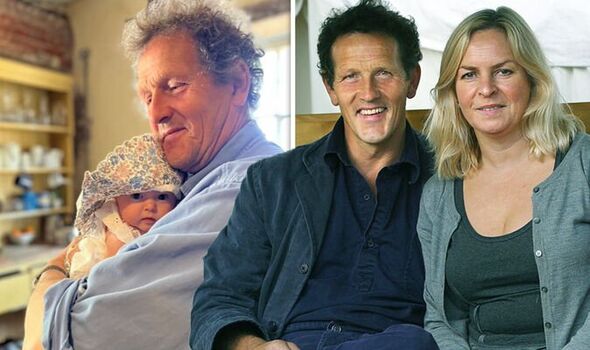
Freya Don is the youngest of Monty and Sarah Don’s three children. Born in the mid-1980s following her brothers Adam and Tom, Freya is currently in her late 30s as of 2026.
Freya grew up amid the gardens that millions of viewers now watch weekly on Gardeners’ World. Her childhood home at Longmeadow provided an extraordinary upbringing surrounded by nature’s beauty and seasonal rhythms.
While her brothers Adam and Tom experienced the family’s earlier years in London during the jewellery business era, Freya’s formative years centered entirely on rural Herefordshire. She witnessed her parents transform Longmeadow from a neglected property into one of Britain’s most beloved gardens.
Growing up with gardening as a family language undoubtedly shaped Freya’s worldview. Seasonal celebrations, harvest festivals, planting rituals—these rhythms structured her childhood.
Unlike her father’s public career, Freya has maintained a private life away from television cameras and public scrutiny. Details about her education, career, and personal interests remain largely unknown.
This privacy represents a conscious choice by the entire Don family. Monty has spoken about protecting his children from the pressures of his television fame, allowing them to develop their own identities separate from his public persona.
Sarah Don has courageously shared that Freya’s birth brought unexpected health challenges. In her book “The Jewel Garden” (co-written with Monty), Sarah discussed severe back pain following childbirth that left her unable to walk for nearly a year.
This difficult period tested the marriage and family resilience. Monty took on additional caregiving responsibilities while managing their new garden project and nascent writing career. The experience strengthened their bond and deepened their appreciation for family health.
Sarah’s candid discussion of these challenges has resonated with many parents who face unexpected complications. Her openness helped reduce stigma around postpartum health issues.
Details about Freya’s spouse remain private, respecting the couple’s desire for confidentiality. The identity, profession, and background of Freya’s partner have not been publicly disclosed.
This privacy extends to wedding photographs, guest lists, and ceremony specifics. The Monty Don daughter wedding exists primarily as a family memory rather than public documentation.
The Don family story encompasses triumph over adversity, deep marital commitment, and multi-generational bonds. Understanding this context enriches appreciation for milestones like Freya’s wedding.
Monty Don married Sarah Erskine on July 29, 1983, after a complicated courtship. They met at Cambridge University where Monty studied English and Sarah pursued training in jewellery and architecture.
Their relationship began under challenging circumstances. Sarah was already married when she and Monty met. After six months of social encounters, their mutual attraction led to difficult decisions.
Monty has spoken openly about the moral complexity of their situation, telling the White Wine Question Time podcast: “I’ve always felt a bit guilty about it, but at the same time there is a kind of ruthlessness. All is fair in love and war.”
Sarah left her first marriage to be with Monty. They married quickly following a family bereavement that made them realize life’s fragility. Forty-three years later, their bond remains strong.
In 1981, Monty and Sarah launched Monty Don Jewellery, a London-based costume jewellery business. Operating from a shop in Knightsbridge’s Beauchamp Place, they achieved remarkable success.
Their client list included Princess Diana, Boy George, and Michael Jackson. They secured outlets in prestigious department stores like Harrods, Harvey Nichols, and Liberty, with hundreds of outworkers producing their designs.
The 1987 stock market crash devastated their business. American sales—their largest market—evaporated overnight. The couple lost their house, business, and virtually all possessions.
Monty later wrote: “We were lambs to the slaughter and we lost everything… we sold every stick of furniture we had at Leominster market.” This bankruptcy forced complete reinvention.
Adam Don, the eldest child, married Emily in July 2020. Their wedding took place on July 29—the same date as Monty and Sarah’s anniversary. Monty posted a touching Instagram tribute: “Three years ago today, Sarah and I marked our son Adam’s wedding to Emily, a celebration we will never forget. On the same day 37 years ago we were married too.”
This generational alignment of wedding anniversaries created beautiful symbolism. The coincidence of dates allowed the family to celebrate love across generations simultaneously.
Tom Don, the middle child, has maintained an even lower public profile than his siblings. Details about his career, relationships, and current life remain private.
Both sons became fathers, making Monty and Sarah proud grandparents to George and Daisy Rose. Monty has described grandparenthood as “pleasure without responsibility,” relishing the role without primary caregiving pressures.
Monty Don comes from interesting lineage. On his paternal side, he descends from botanist George Don and the Keiller family, inventors of Keiller’s marmalade. His mother’s side connects to the Wyatt family of architects.
Born to Denis Thomas Keiller Don (a career soldier) and Janet Montagu Wyatt, Monty was the youngest of five children. His father’s military career meant frequent moves during childhood.
Monty’s twin sister Alison and his other siblings maintained private lives away from his growing fame. Family gatherings at Longmeadow bring multiple generations together in the gardens Monty has created.
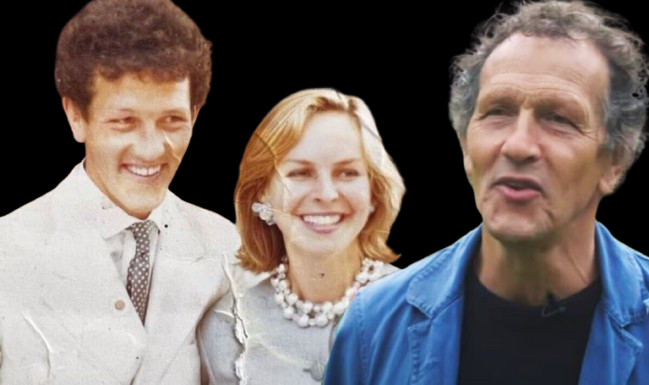
Understanding Monty Don’s career trajectory adds depth to appreciating family milestones like his daughter’s wedding. His professional journey demonstrates resilience, reinvention, and unwavering passion.
Born July 8, 1955, in Iserlohn, West Germany, where his father was stationed, Monty moved to Hampshire, England, as an infant. He grew up in a strict Christian household that valued discipline and hard work.
Monty attended various schools including Quidhampton School in Basingstoke and Malvern College. He struggled academically but developed a love for literature and nature.
Despite educational challenges, Monty gained admission to Magdalene College, Cambridge, studying English. This achievement came through “sheer bloody-mindedness,” as he later described it.
At Cambridge, Monty boxed to impress his father, a former army heavyweight champion. He became a Cambridge Half Blue before giving up after suffering a knockout and concussion.
The 1987 bankruptcy marked Monty’s darkest period. Unemployed from 1991 to 1993, he spent all of 1992 on the dole. Financial devastation could have destroyed the Don family.
Instead, they turned to gardening. In 1989, they moved to The Hanburies, a country house in Herefordshire, and began creating gardens. Though they eventually lost this property, the experience ignited Monty’s gardening passion.
In 1991, they purchased their current home in Ivington, Herefordshire, and began developing Longmeadow. This 2-acre property required extensive renovation, forcing the family to live elsewhere during initial construction.
Monty’s television debut came in 1989 with a gardening segment on ITV’s This Morning. His authentic, unpretentious style resonated immediately with viewers.
This led to further opportunities throughout the 1990s. He presented shows for both BBC and Channel 4, including Fork to Fork, Real Gardens, Lost Gardens, and Don Roaming.
Between 1994 and 1995, Monty appeared on Tomorrow’s World, the BBC’s science program. He also worked as a guest presenter for the Holiday program.
Monty considers himself “a writer who happens to have lots of television work.” He published over 25 books on gardening, nature, and personal narrative.
From February 1994 to May 2006, he wrote a weekly gardening column for The Observer. This regular platform established his voice and authority on horticultural topics.
His books blend practical advice with philosophical reflection. Titles include “The Complete Gardener,” “The Jewel Garden” (co-written with Sarah), and “Nigel: My Family and Other Dogs”—a tribute to his beloved golden retriever.
In 2003, Monty replaced Alan Titchmarsh as lead presenter of Gardeners’ World, the BBC’s flagship gardening program. Titchmarsh himself suggested Monty as his successor.
This appointment brought criticism initially. Monty was the first self-taught horticulturist to present the show in its 36-year history. Unlike predecessors with formal training, Monty’s expertise came from personal experience.
Viewers embraced his authentic, relatable approach. Rather than technical perfection, Monty emphasized gardening’s therapeutic, creative, and life-affirming qualities.
In 2008, Monty suffered a minor stroke and stepped away from the show. After viewing figures dropped below two million during his absence, the BBC restructured the program.
Monty returned as lead presenter in 2011, replacing Toby Buckland. He has remained the face of Gardeners’ World ever since, filming primarily from Longmeadow.
Beyond Gardeners’ World, Monty has presented numerous acclaimed documentary series exploring gardens worldwide:
In 2014, Monty became lead presenter for the BBC’s Chelsea Flower Show coverage, again replacing Titchmarsh. This prestigious role placed him at the center of British gardening’s most important annual event.
He has presented alongside Joe Swift and Sophie Raworth, bringing millions of viewers inside the world’s most famous flower show. In 2025, Monty created his first RHS Chelsea garden in collaboration with BBC Radio 2—a dog-friendly space later relocated to Battersea Dogs & Cats Home.
Monty’s contributions to horticulture, broadcasting, and charity earned him numerous honors:
In June 2020, Prospect magazine declared Monty “the nation’s gardener”—a title reflecting his cultural significance beyond gardening.
Comedian Joe Lycett has described Monty as a “gay icon,” highlighting his appeal across diverse audiences.
Monty has faced several health challenges throughout his career:
Despite these challenges, Monty continues working at age 70, though he has announced Rhineland Gardens will be his final international travel series.
No discussion of the Monty Don daughter wedding is complete without understanding Longmeadow’s significance. This 2-acre property represents the family’s heart, soul, and shared creative project.
In 1991, following the loss of The Hanburies after their business bankruptcy, Monty and Sarah purchased their current home in Ivington, Herefordshire. The property required extensive renovation.
The house is a Tudor hall house characterized by natural materials and filled with cherished items accumulated over decades. Monty describes it as “scruffy, quirky, and spacious,” designed around creative life rather than entertaining or impressing.
When they arrived, the garden was largely neglected. Monty and Sarah envisioned transforming it into a series of distinct garden rooms, each with unique character and purpose.
Since returning to Gardeners’ World in 2011, Monty has filmed primarily from Longmeadow. Millions of viewers feel they know these gardens intimately through weekly episodes.
This arrangement allows Monty to work from home, reducing travel stress and allowing more family time. Viewers appreciate the authenticity of seeing a real, lived-in garden rather than sterile show gardens.
For Freya, Adam, and Tom, Longmeadow represents their childhood home and family identity. Every tree, path, and flower bed carries memories of growing up.
When Freya married at Longmeadow, she exchanged vows in gardens her father spent decades creating. Every bloom held meaning, every path had been walked countless times, every view felt like home.
This emotional resonance elevates the Monty Don daughter wedding beyond mere event to profound family milestone.
The Don family’s dogs deserve mention in any family discussion. These beloved companions have become television celebrities themselves while remaining integral family members.
Nigel, a golden retriever, became the most famous of Monty’s dogs through regular Gardeners’ World appearances. His calm presence beside Monty during gardening segments endeared him to millions.
Nigel died on May 11, 2020, at age 11. Monty told BBC Radio 4’s Today program that Nigel had been “more than a companion” and helped him through depression struggles.
The outpouring of public grief following Nigel’s death demonstrated how deeply viewers connected with this gentle dog. Monty wrote a book titled “Nigel: My Family and Other Dogs” celebrating their relationship.
A topiary tribute to Nigel stands in Longmeadow’s Cottage Garden, ensuring his memory remains physically present in the gardens he loved.
Monty’s 2025 Chelsea Flower Show garden was specifically designed around dog needs—lawn for running, water for wallowing, shade-providing trees. This project reflected his belief that gardens should welcome all family members, including pets.
The coppice at Longmeadow serves as a cemetery for deceased family pets. Marked headstones honor Beaufort, Red, Poppy, Barry, and cats Stimpy and Blue.
This sacred space demonstrates the Don family’s deep connection to their animal companions. Visiting these graves while walking Longmeadow’s paths keeps memories alive.
At Freya’s wedding, the family’s current dogs likely roamed freely, adding joy and whimsy to the celebration. For a family so connected to their pets, excluding dogs would have felt incomplete.
Monty Don’s net worth is estimated between £1 million and £4 million as of 2026. This wealth accumulation reflects his diverse income streams across four decades.
As lead presenter of Gardeners’ World since 2003 (with a break 2008-2011), Monty earns substantial BBC salary. While exact figures aren’t publicly disclosed, lead presenters of flagship programs typically earn six-figure sums annually.
His Chelsea Flower Show presenting role adds additional income. Multiple documentary series throughout his career brought both immediate payment and ongoing royalties.
With over 25 published books, Monty generates significant royalty income. Bestsellers like “The Jewel Garden,” “The Complete Gardener,” and “Nigel: My Family and Other Dogs” continue selling years after publication.
His books appeal to both serious gardeners and general readers interested in his personal stories. This crossover appeal expands market reach beyond gardening enthusiasts.
Monty wrote for The Observer from 1994 to 2006, establishing steady income during his career-building phase. Since 2004, he has contributed to the Daily Mail and Mail Online, maintaining regular column writing.
These ongoing contributions provide reliable income streams beyond television’s seasonal nature.
As “the nation’s gardener,” Monty commands premium fees for public speaking, garden show appearances, and endorsements. His authentic, trusted reputation makes him valuable for brands aligned with his values.
The Longmeadow property in Herefordshire represents significant asset value. While property prices in rural Herefordshire are lower than London, a 2-acre estate with a renovated Tudor hall house and world-famous gardens holds substantial worth.
Despite his wealth, Monty maintains a relatively modest lifestyle. He drives a bright yellow truck over 12 years old, lives in a “scruffy” (his word) house filled with accumulated possessions rather than designer furnishings, and focuses spending on garden development.
This grounded approach reflects his values. The 1987 bankruptcy taught him that material possessions can vanish; what matters is creativity, family, and meaningful work.
Monty’s net worth provides security for his family, including supporting children and grandchildren when needed. The Monty Don daughter wedding could be celebrated without financial stress, allowing focus on meaning rather than cost.
Understanding the Don family’s guiding principles illuminates why Freya’s wedding took the form it did.
The Don family lives according to seasonal cycles. Planting, growing, harvesting, resting—these rhythms structure their year. Freya’s wedding timing likely considered which flowers would be blooming, what the garden would look like, and how weather patterns might affect outdoor celebrations.
This attunement to nature reflects deeper philosophy. Rather than imposing human will on the natural world, the Dons work cooperatively with ecological systems.
Monty has consistently advocated for simplicity in gardening and life. Rather than elaborate, high-maintenance plantings requiring constant intervention, he favors approaches that work with soil conditions, climate, and natural plant behaviors.
This philosophy extends to life events. The Monty Don daughter wedding embraced simplicity—beautiful because of authenticity rather than expense.
In an age of constant social media sharing, the Don family’s privacy feels radical. They share enough to connect with fans while protecting intimate moments.
This boundary-setting demonstrates healthy relationship with fame. Monty understands he is a public figure, but his children didn’t choose that life. Protecting their privacy allows them autonomous identity development.
Despite Monty’s admission of putting work before family at times, the Don family unit has remained strong through challenges. Business bankruptcy, health crises, demanding careers—these pressures could have fractured relationships.
Instead, shared experiences strengthened bonds. Working together at Longmeadow, supporting each other through difficulties, and celebrating milestones together created resilient family connections.
For the Dons, gardening is both literal practice and metaphorical framework. Gardens teach patience, acceptance of loss, celebration of growth, and appreciation of beauty’s transience.
Freya grew up learning these lessons through daily garden life. Her wedding at Longmeadow connected her marriage to these deeper truths about growth, change, nurturing, and seasonal cycles.
Garden weddings carry special meaning beyond mere aesthetics. For the Don family, choosing Longmeadow as Freya’s wedding venue represented profound symbolism.
Marrying at Longmeadow rooted Freya’s new beginning in her family’s place. Every plant her father tended, every path her mother designed, every tree under which she played as a child—all witnessed her marriage vows.
This geographical and emotional rootedness provides stability as she begins married life. She carries Longmeadow forward as part of her identity.
Gardens operate according to seasonal cycles—spring’s new growth, summer’s abundance, autumn’s harvest, winter’s rest. These cycles metaphorically parallel marriage’s seasons.
Timing Freya’s wedding during blooming season symbolized new beginnings, fertility, and abundance. The garden’s peak beauty blessed the marriage with nature’s generosity.
Choosing a garden wedding at the family home rather than commercial venue aligned with environmental values. No wasteful decorations shipped from distant locations, no energy-intensive indoor lighting, no disposable elements.
Everything biodegradable, locally sourced, and integrated into existing ecosystems demonstrated commitment to sustainable living.
Garden weddings necessarily limit guest lists—only so many people can gather comfortably in outdoor spaces. This constraint creates intimacy, ensuring everyone present shares genuine connection to the couple.
The Monty Don daughter wedding likely included only close family and dear friends, creating warm, meaningful celebration rather than large social performance.
Understanding Monty’s cultural impact contextualizes the interest in his daughter’s wedding. He’s not merely a television presenter but a cultural figure who has shaped British attitudes toward gardening.
Monty’s self-taught status and emphasis on learning through doing democratized gardening. Unlike predecessors with formal horticultural qualifications, Monty positioned himself as fellow learner rather than distant expert.
This approach empowered ordinary people to experiment, make mistakes, and develop their own gardening philosophies. Gardening became accessible creative practice rather than technical science.
Monty’s openness about depression and gardening’s therapeutic benefits reduced stigma around mental health. His candid discussions helped many viewers recognize their own struggles and seek help.
Describing gardening as his “cure” validated what many gardeners intuitively knew—working with soil, plants, and natural processes promotes psychological wellbeing.
Throughout his career, Monty has advocated for organic gardening, peat-free compost, wildlife-friendly practices, and sustainable approaches. His platform amplified these messages to millions.
Longmeadow operates according to organic principles—no chemical pesticides or synthetic fertilizers. This demonstration showed viewers that productive, beautiful gardens need not compromise environmental health.
Monty’s willingness to show failures, admit mistakes, and discuss Longmeadow’s imperfections distinguished him from polished television perfection. Viewers saw real gardens with weeds, pests, and challenges.
This authenticity made his success feel achievable. If Monty battled slugs and dealt with failures, viewers could forgive their own gardening mishaps.
Monty’s emphasis on seasonal eating, planting according to natural cycles, and accepting rather than fighting seasonal limitations encouraged viewers to align their lives with natural rhythms.
In an increasingly disconnected, 24/7 culture, this message of seasonal living offered counterbalance and grounding.
As Monty enters his eighth decade, questions arise about legacy and future plans.
Monty announced that Rhineland Gardens (2026) would be his final international travel series. The exhausting filming schedules and health considerations make extensive travel less appealing at age 70.
However, he continues presenting Gardeners’ World from Longmeadow. This arrangement allows ongoing work without travel demands.
With grandchildren George and Daisy Rose, Monty and Sarah are passing their knowledge to a third generation. Whether these grandchildren develop gardening passions remains to be seen, but Longmeadow provides extraordinary learning environment.
Freya, Adam, and Tom each carry forward aspects of their parents’ values—creativity, resilience, connection to place, and family commitment.
Questions about Longmeadow’s future after Monty and Sarah eventually step back remain open. Will the children maintain it? Could it become a public garden or educational center? These decisions lie ahead.
For now, Longmeadow continues as family home and working garden, providing beauty and meaning to those who created it.
Freya Don’s wedding is believed to have taken place in 2025, though the exact date hasn’t been publicly confirmed. The Don family maintains privacy around personal events, sharing limited details with the public. Some sources confuse Freya’s wedding with her brother Adam’s July 2020 marriage to Emily.
Freya Don is in her late 30s as of 2026. Born in the mid-1980s, she is the youngest of Monty and Sarah’s three children. Exact birth dates for the Don children remain private out of respect for their preference to stay out of the public spotlight.
The Monty Don daughter wedding likely took place at Longmeadow, the family’s 2-acre estate in Ivington, Herefordshire. This garden has been the Don family home since 1991 and serves as the filming location for Gardeners’ World. The natural beauty of Longmeadow provided the perfect setting for an intimate, garden-inspired celebration.
Details about Freya Don’s spouse remain private, including their name, profession, and background. The Don family has chosen not to publicly share information about Freya’s partner, respecting the couple’s desire for privacy. This discretion aligns with the family’s approach to maintaining boundaries between public and private life.
Monty Don’s net worth is estimated between £1 million and £4 million as of 2026. His wealth comes from television presenting (particularly Gardeners’ World and Chelsea Flower Show), book sales and royalties from over 25 published works, newspaper columns, public speaking, and the value of Longmeadow property.
Monty and Sarah Don married on July 29, 1983, making them married for 43 years as of 2026. They met at Cambridge University and navigated a complicated beginning to their relationship. Despite challenges including business bankruptcy and health issues, their marriage has endured and strengthened over more than four decades.
Yes, Monty Don has at least two grandchildren: George and Daisy Rose. He has described grandparenthood as “pleasure without responsibility,” enjoying time with his grandchildren without the primary caregiving pressures he experienced as a parent. His sons Adam and Tom are both fathers.
Nigel, Monty’s beloved golden retriever, died on May 11, 2020, at age 11. Monty described Nigel as more than a companion who helped him through depression. Nigel became famous through regular appearances on Gardeners’ World. A topiary tribute stands in Longmeadow’s Cottage Garden, and Monty wrote the book “Nigel: My Family and Other Dogs” celebrating their relationship.
Yes, Monty Don continues presenting Gardeners’ World in 2026. While he announced that Rhineland Gardens would be his final international travel series, he remains committed to Gardeners’ World, which films primarily at Longmeadow. This arrangement allows him to continue work without extensive travel demands.
Longmeadow features several distinct garden areas including the Jewel Garden (vibrant, exotic plantings), Cottage Garden (soft, romantic aesthetics), Vegetable Garden (productive food growing), Herb Garden, Writing Garden (where Monty works), Spring Garden, Orchard, and Coppice (woodland area containing family pet graves). Each section has unique character and purpose.
The Monty Don daughter wedding represents far more than a social event—it embodies the values, philosophy, and love that have guided the Don family through four decades.
Freya Don’s marriage at Longmeadow connected her new beginning to the gardens her father spent decades creating, grounding her future in family history and natural beauty.
At 70 years old in 2026, Monty Don has built an extraordinary legacy spanning television, writing, and horticulture. His journey from business bankruptcy to becoming “the nation’s gardener” demonstrates resilience and passion.
With Sarah by his side for 43 years, he has created not just beautiful gardens but a loving family including three children—Adam, Tom, and Freya—and grandchildren George and Daisy Rose.