
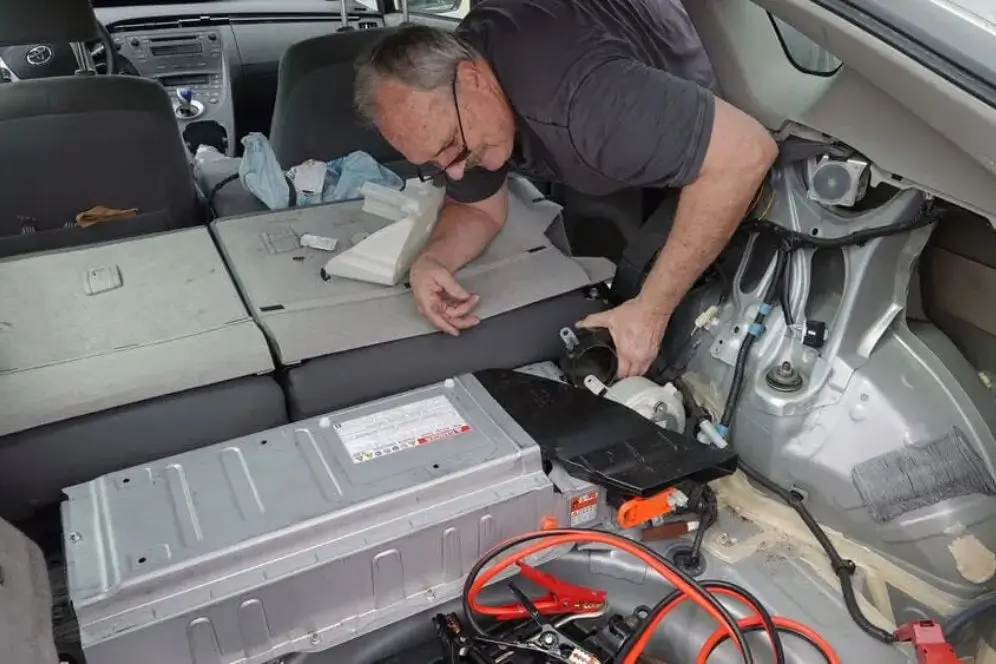
If you’re researching a hybrid battery replacement (or you’re a shop, fleet manager, or recycler planning inventory), you’ve probably noticed one thing: the hybrid battery price is rarely a simple, fixed number. In 2026, battery costs are shaped by a mix of chemistry, supply chains, testing standards, logistics, and even end-of-life recycling value.
This guide breaks down the real-world factors that influence pricing—so you can make a smarter purchase, plan a budget, or evaluate offers from suppliers and recyclers. Along the way, we’ll also point to a practical resource for hybrid battery handling and recovery via Recohub, a UAE-based company connecting collectors, recyclers, and refiners in the metals and battery recycling ecosystem.
When people ask about hybrid battery price, they usually mean one of several different things:
Each category has its own cost structure, risks, and warranty expectations—so comparing quotes requires looking beyond the headline number.
Hybrid vehicles commonly use NiMH (nickel-metal hydride) in older models and Li-ion chemistries in many newer mild-hybrid and full-hybrid designs. Chemistry matters because it changes:
In 2026, metals markets remain a major driver. When critical metals fluctuate, the downstream pricing of battery components and replacement packs often moves with them.
Not all hybrid packs are created equal. Two batteries can both be “hybrid,” but differ wildly in:
More complex packs typically cost more to manufacture and more to replace—especially if installation requires advanced diagnostics or programming.
This is one of the biggest pricing levers:
For repair shops and fleet operators, the most expensive battery isn’t always the OEM one—it’s the one that fails early and creates repeat labor and downtime.
Battery pricing isn’t only about the physical pack; it’s also about certainty. A seller that performs robust testing and provides documentation typically prices higher than a seller who can’t verify pack health.
Look for signs of serious quality control such as:
In other words: the hybrid battery price often reflects the cost of risk reduction.
Consumers often compare pack prices but forget that total replacement cost can include:
If you’re budgeting for 2026, request an “all-in” quote: parts, labor, programming, and core handling. That’s the only way to compare options apples-to-apples.
Battery logistics have become a larger share of costs—especially for lithium-based packs—because packaging, labeling, and compliant transport can be non-trivial. Your final number may vary based on:
This is where global logistics hubs can offer real advantages. Companies operating in established trade and logistics centers can often coordinate more reliable movement of battery materials, cores, and recycled outputs.
Here’s a factor many buyers overlook: your old hybrid battery isn’t necessarily “trash.” Depending on chemistry, composition, and condition, it can carry recoverable value.
Many suppliers build a core charge into pricing. If you return the old pack, you may receive a credit—reducing your net cost. For repair shops and dismantlers handling multiple packs, end-of-life recovery can materially impact monthly margins.
This is also where reputable recycling and recovery partners matter. Recohub, for instance, focuses on connecting collectors, recyclers, and refiners to restore value from metal-bearing waste streams, including batteries—an approach that can help businesses treat end-of-life packs as a managed asset, not a liability.
Whether you’re an individual owner or a business, these steps can reduce your total cost while keeping reliability high:
A warning light doesn’t always mean the entire pack is finished. Ask for diagnostic results, trouble codes, and test outcomes. Sometimes the issue is auxiliary (cooling fan, wiring, sensor, or software), and replacing the whole battery is unnecessary.
The best deal is the one with the lowest combined cost of:
Improper storage can degrade cells before installation. Quality sellers can tell you storage conditions and provide handling guidance.
If you’re a workshop, fleet, or recycler, have a defined process for collection, safe storage, and compliant movement of packs. This prevents last-minute expensive shipping and reduces safety risk.
While exact pricing varies by region and model, several broader trends are influencing the 2026 landscape:
The takeaway: in 2026, “battery cost” is as much about systems and supply chain as it is about the cells themselves.
If you’re looking for a reliable reference point for hybrid battery price dynamics—or you manage used packs and want a more structured way to handle them—Recohub’s hybrid batteries page is a helpful starting point. It reflects how value recovery and responsible processing can be part of the cost equation, especially for businesses that deal with recurring volumes.
Because Recohub operates from the UAE (Sharjah’s SAIF Zone) and positions itself around sourcing, processing, and trade & delivery, it’s particularly relevant for organizations that need logistics-friendly routes for battery movement and downstream recycling outcomes.
The smartest way to approach hybrid battery price in 2026 is to treat it as a full lifecycle number—purchase, install, warranty risk, and end-of-life value. When you understand the chemistry, pack complexity, testing standards, and logistics requirements, you’re far less likely to overpay—or to “save money” on a pack that becomes expensive later.
Next step: If you want a clearer view of options and considerations for a hybrid battery—including how end-of-life recovery can fit into the overall cost—explore Recohub’s hybrid batteries resource and use it as a baseline for smarter comparisons and planning.