
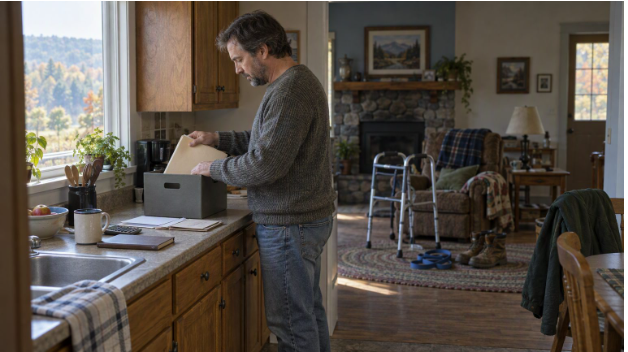
The first hospital bill never tells the whole story. Paychecks stop. Rehabilitation costs pile up. Bills trickle in for months from providers you never knew had a hand in the care. Which of these insurance will cover is a question you have to chase down the week of the injury, not months later.
A clear sense of what to do after a catastrophic injury makes that job easier. Once urgent care is underway, families in West Virginia can separate the bills that are due right now from the losses that will take months of documentation to prove. One person should organize the records and keep a dedicated expense log. Expected payments stay in a separate column until something arrives in writing. List the essential obligations too, beginning with the next rent or mortgage due date.
Start with a 30-day sheet: available funds, unavoidable due dates, and income expected during recovery. Then set accessible cash beside essential expenses and see what is left. Money from a pending benefit application does not count; you cannot spend it yet. Housing, utilities, and food come first, followed by treatment transportation and insurance premiums. Put each payment on a calendar.
Keep the plan short. If a gap opens before the next paycheck, ask creditors about hardship arrangements and get the terms in writing before you change a payment amount or agree to a new schedule. Leave retirement savings and high-interest loans alone until you have checked the taxes, the penalties, and the total repayment cost.
Caregiving can reduce a second paycheck, and the financial effects can be substantial. In 2023 research involving caregivers of veterans with traumatic brain injury, 62.3% had depleted assets or accumulated debt, and 41% had left the labor force because of caregiving. Brickell et al., 2024, and Carlozzi et al., 2023, reported these findings. A study on adult daughter caregivers’ lifetime welfare costs cited in research on caregivers of veterans with TBI put the cost at about $20,000 in annual lost wages and $164,726 over a lifetime.
Those figures describe a veteran caregiver population, not your household. But the caregiver’s missed work belongs in your budget from day one. As unpaid leave and reduced schedules happen, write them down, with dates and the employer’s confirmation. The caregiver’s time records should sit in their own section, separate from the injured person’s wage-loss entries, even when both absences show up on the same calendar.
One ledger, that is all it takes, whether a spreadsheet or a notebook, and store the supporting documents somewhere secure. For each entry, note the date, the provider or payee, the amount charged, the amount paid, the insurance status, and where the document lives. Every expense gets a reference number that matches a receipt, and any disputed balance should be marked as disputed, plainly enough that no one mistakes it for a paid one. Keep originals and back up digital files.
| Record category | What to keep | What the log should capture |
| Medical treatment | Bills, visit summaries, and rehabilitation plans | Service date, provider, balance, and next appointment |
| Insurance | Explanation-of-benefits forms and written decisions | Claim number, amount allowed, and response deadline |
| Household spending | Receipts for travel, equipment, and home changes | Purchase date, purpose, and payment method |
| Employment | Pay stubs, schedules, and employer correspondence | Hours missed, leave used, and pay difference |
| Daily care | Care calendars and task notes | Caregiver, time spent, and assistance provided |
Save pre-injury pay records first. Then compare scheduled hours with hours actually worked, period by period, and calculate missed hours at the documented rate for that period. Record actual pay received and any leave used, so paid time does not inflate the wage loss. Track lost bonuses or commissions separately, and keep employer contribution changes in their own field. Self-employed? Preserve invoices, contracts, appointment calendars, and prior tax records. A running estimate is not proof; attach a dated employer message or canceled job confirmation to each entry.
Keep a factual daily-life journal covering mobility help and supervision. Note treatment rides, tasks the injured person can no longer perform, and unpaid help with household work. Time counts, too. An entry like “needed help transferring into the shower for 20 minutes” records a specific task; “the day was difficult” records nothing.
Log every insurance exchange: date, the person’s name, and the organization contacted, plus the contact method and subject in the same entry. Save letters and claim decisions. If a phone call resolves an issue, send a short written confirmation describing the agreement and any promised response date.
Know what each document is. A medical bill requests payment for services. An explanation of benefits describes how your health plan processed a claim, including amounts allowed and any stated patient responsibility, and is not itself a payment demand. An insurer’s payment or denial decision records the claim outcome and may appear within that explanation or in a separate notice. Compare the documents before paying anything, and when you send paperwork, keep proof of submission, such as a portal receipt or mailing confirmation.
Releases and recorded statements can affect a family’s legal position. Before signing a release, ask what information or claims it covers and what the document would authorize; never assume every release has the same purpose. If someone requests a recorded statement, ask who is requesting it and how it relates to the claim, and write down your questions before responding.
Legal questions go to a West Virginia catastrophic injury attorney, who can walk through the steps families take after a catastrophic injury and review a proposed settlement before you sign it. Your insurer or benefits administrator can explain plan paperwork, including any forms still outstanding. Keep proposed settlement documents separate from routine billing forms. Save every request and note the response deadline.
Available help depends on coverage and eligibility. Check the injured person’s health plan for covered rehabilitation or equipment, then review disability coverage and workplace leave information. Ask the benefits office about required documents and application timing, when approved payments would start, and whether the employer needs updated medical paperwork before an absence can continue. A caregiver should ask their own employer about paid leave or schedule flexibility, and request the written policy rather than assuming approval.
Hospital billing offices may offer financial assistance applications or payment plans. Ask which services any arrangement covers, since separate providers issue separate bills, and request eligibility rules and decisions in writing. Enter application dates in your expense ledger and keep copies of what you submitted. Ask how the billing office will handle bills during the review, and save the written response.
A 2023 scoping review by Ana-Maria Popa and colleagues examined 12 publications on families caring for people with traumatic brain injury at home. It found recurring needs for healthcare navigation, caregiver support, and financial assistance. Advocacy and legal services appeared as well. Ask the discharge or rehabilitation team who coordinates follow-up care and where community support applications begin, then write down the contact person’s name and the next application requirement.
Budget for respite care and transportation to treatment, plus backup help when the primary caregiver must work. Ask potential helpers which tasks they can safely handle and what they would charge, rather than assuming every shift goes unpaid. Add the backup caregiver’s available hours to the weekly care calendar.
Treatment schedules change; work capacity changes. Your household plan has to change with them. Set aside a short weekly review for upcoming bills and unresolved insurance items, then add new care expenses to the ledger and assign each open item to a specific person. Each month, check the running income-loss estimate against pay records and revisit assistance applications, replacing estimates with confirmed amounts as paperwork arrives. You do not need every long-term answer today. A dated ledger and an organized file give your family a clearer basis for each decision as it comes.