
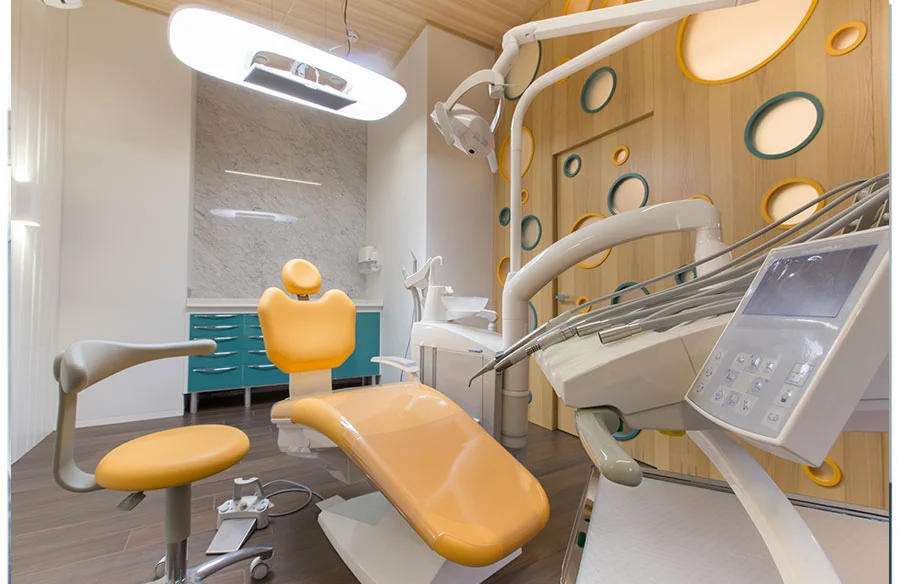
Walk into a medical practice or dental clinic on a Monday morning and you can almost feel the pace before anyone says a word. Phones ringing, patients arriving early, staff shifting between rooms, equipment being wheeled about, and someone, somewhere, trying to find the nearest coffee. These places work hard. The surfaces, floors, cabinetry, and fittings cop a fair bit of punishment, so choosing the right materials is not just a design decision. It is a practical one, and a fairly serious one at that.
In Australia, where healthcare spaces need to handle everything from humid coastal conditions to dry inland air and high daily foot traffic, durability matters more than a glossy finish that looks nice for a month and then starts peeling like old paint on a fibro fence. A smart material choice keeps a clinic looking professional, cleaning easier, and maintenance costs from creeping up like an uninvited bill.
Medical and dental environments are used all day, every day. Chairs slide, trolleys roll, disinfectants get sprayed, and hands touch surfaces constantly. Some materials may look elegant in a showroom, but if they scratch easily or soak up moisture, they can become a headache pretty quickly. Nobody wants a reception desk that marks every time a bag is placed on it or a treatment room bench that starts to look tired after a few months.
Durable materials do more than survive the workload. They help a practice stay hygienic, safe, and presentable. That matters to patients, too. A neat, well-kept space has a quiet kind of confidence about it. It tells people the practice pays attention to detail, which is exactly what many patients hope for when they walk through the door.
Floors in healthcare spaces take a constant beating. Shoes, spills, cleaning equipment, and the occasional rush between appointments all leave their mark. In busy Australian clinics, vinyl flooring is often a solid choice because it is tough, comfortable underfoot, and easier to clean than many alternatives. Commercial-grade sheet vinyl, in particular, tends to hold up well in treatment rooms and corridors.
Rubber flooring can also work well in some settings, especially where staff spend long hours on their feet. It softens footfall and offers decent grip, which is handy when things get hectic. In dental practices, polished concrete sometimes appears in modern designs, though it needs proper sealing if it is going to stand up to cleaning chemicals and repeated use.
Carpet might suit a small waiting area in some cases, but in treatment zones it usually brings more trouble than comfort. Dust and stains are not ideal companions in a clinical environment. If the practice is near the coast, extra thought should go into moisture resistance, since salty air and damp conditions can be a nuisance over time.
Benchtops and cabinetry deserve close attention. These are the workhorses of any practice. They need to resist scratches, heat, stains, and frequent cleaning without looking worn out. Compact laminate, solid surface materials, and high-pressure laminates often perform well in medical and dental spaces because they balance durability with a neat finish.
Solid surface materials are especially handy where seamless joins matter. Less room for grime to settle means less effort during cleaning, and that is always welcome when the day is packed. In some practices, stainless steel still plays an important role, especially in sterile or high-use areas. It is tough, simple to wipe down, and has a familiar clinical feel.
For cabinetry, moisture-resistant substrates are worth the investment. A cabinet might sit quietly for years, but once water starts creeping in from cleaning or accidental spills, cheaper boards can swell and warp before anyone has the chance to say, “that looked fine yesterday”.
Walls in a clinic or dental surgery need to do more than look nice. They often endure cleaning, contact from chairs and equipment, and the odd scuff from hurried movement. Washable, low-sheen paints are a practical option for many areas, as they are easier to maintain and less likely to show every mark. In high-contact zones, wall protection panels or vinyl wall coverings can be worth considering.
Australian practices often benefit from materials that cope well with temperature shifts. Air conditioning runs hard in summer, especially in places like Queensland and Western Australia, and that can affect finishes over time. A tough wall system helps reduce cracking, peeling, and the need for frequent touch-ups.
Australia is not one giant weather pattern. A clinic in Melbourne has different needs from one in Darwin. Humidity, heat, dust, and UV exposure all influence how materials perform. In sun-drenched locations, colour fading can become a real issue if materials are not properly rated. In areas with high humidity, mould resistance and moisture control become essential. Even indoor spaces can suffer when the climate is working against them.
That is where practical planning comes into play. A material that performs well in a suburban Sydney dental surgery may behave differently in a regional Queensland clinic where the air is heavier and the cleaning schedule is relentless. Working with products suited to Australian conditions helps avoid costly repairs and replacements later on.
Some parts of a practice get touched all the time. Door handles, reception counters, armrests, shelving edges, and light switches all sit in that category. These surfaces should be tough, easy to clean, and comfortable enough not to feel harsh or industrial. Fingerprints are part of life, of course, but materials that hide smudges better can make a space feel tidier between cleans.
In waiting areas, comfort matters too. Materials still need to be durable, but they should not feel cold or clinical in a way that puts people off. It is a fine balance. A clinic can be practical without feeling sterile in the unwelcoming sense. That is where finish, texture, and colour choice all come into play.
Joinery in medical and dental spaces gets opened, shut, wiped down, and leaned on all day long. Cheap hinges and flimsy boards rarely cope well. Soft-close hardware, strong edge banding, and moisture-resistant construction make a noticeable difference over time. It is the sort of detail people do not always notice on day one, but they definitely notice when doors start hanging crooked or drawers begin sticking.
For practices exploring dental fitouts, this is where good planning really pays off. The right materials can keep the whole space looking sharp while handling the daily reality of appointments, cleaning, and storage demands. A good-looking clinic is nice. A good-looking clinic that still behaves well after years of use is much better.
Healthcare environments rely on regular cleaning, and not all materials react kindly to strong disinfectants. Before choosing a finish, it makes sense to check how it responds to alcohol-based cleaners, bleach solutions, and repeated wiping. Some glossy surfaces lose their sheen, while others begin to fade or crack at the edges.
That is one reason why material testing matters. A surface may look impressive in a sample board, but the real test is how it handles actual use. A durable material should support infection control routines without grumbling about it, so to speak.
No one wants a clinic that feels dull or dated. Patients notice design, even if only on a subconscious level. Clean lines, calm colours, and quality finishes can make a big difference to the overall atmosphere. Yet style should never come at the expense of longevity. A lovely surface that chips easily is a bit like a fancy umbrella with a hole in it. Nice to look at, less nice in a storm.
Neutral tones often work well in medical and dental settings because they age gracefully and create a calm environment. Timeless materials also make future updates easier. If a practice wants to refresh signage, branding, or furniture later on, a durable neutral base gives plenty of room to move.
Choosing materials for a medical or dental environment is not a quick shopping exercise. It involves thinking about traffic, cleaning routines, climate, and the kind of impression the space should leave. In Australia, where conditions vary so widely from one region to another, that thought process becomes even more useful.
Durable materials save time, reduce maintenance stress, and help a practice stay looking polished long after the fitout is complete. They also support a smoother day-to-day flow for staff, which is no small thing when the schedule is packed and the waiting room is filling up.
At the end of the day, the best material choices are often the ones that quietly do their job without fuss. No drama, no constant repairs, no awkward surprises. Just solid, dependable performance. And in a busy medical or dental setting, that is worth its weight in gold.