
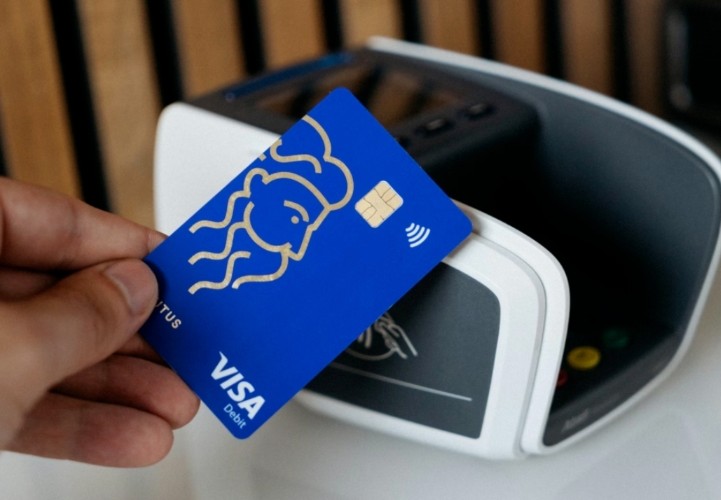
The leisure industry has undergone a quiet revolution in recent years, driven not by flashy attractions or marketing campaigns, but by the humble credit card terminal. These devices have evolved from clunky, unreliable machines into sophisticated payment hubs that fundamentally reshape how customers interact with entertainment venues, theme parks, cinemas, and sporting events.
What began as a simple convenience has become an operational necessity. Modern credit card terminals don’t just process payments—they reduce friction at critical moments, enhance security, and create opportunities for businesses to serve more customers with greater efficiency. This transformation touches every corner of the leisure sector, from small family-owned attractions to major entertainment complexes.
The credit card terminal’s journey mirrors the broader digitization of commerce. Early machines required manual card imprinting—a process that was slow, error-prone, and frustrating for both staff and customers. Clerks would place carbon paper over the card, run a mechanical slider across it, and hope the impression was legible enough for processing.
The shift to electronic authorization in the 1980s marked the first major leap forward. Suddenly, transactions could be verified in real-time, reducing fraud and chargebacks. But the real transformation came with the introduction of chip readers, contactless technology, and mobile integration. According to Federal Reserve payment data, contactless payments have grown exponentially, with adoption accelerating particularly in high-traffic leisure environments where speed matters most.
Today’s terminals are compact, wireless, and capable of accepting dozens of payment methods—from traditional magnetic stripe cards to smartphone wallets and wearable devices. This evolution has been particularly significant for leisure businesses, where long queues can directly impact customer satisfaction and revenue.
The connection between payment efficiency and customer experience isn’t always obvious, but it’s profound. In leisure environments, people are seeking enjoyment and relaxation—not standing in line to buy tickets or concessions. Modern credit card terminals address this friction in several concrete ways:
These advantages compound in high-volume settings. A theme park that shaves 30 seconds off each transaction can serve hundreds more customers per day, directly impacting both revenue and guest satisfaction scores.
As payment technology has advanced, so have the threats. Credit card fraud and data breaches pose serious risks to leisure businesses, which often process thousands of transactions daily. The Payment Card Industry Data Security Standard (PCI-DSS) establishes the baseline requirements for any business that handles card payments.
Compliance isn’t optional—it’s a contractual obligation that comes with accepting credit cards. The standard encompasses several critical security layers:
For leisure businesses, a security breach can be catastrophic—not just financially, but reputationally. Customers who experience fraud after visiting a venue may never return, and negative publicity spreads quickly through social media and review platforms. Investing in PCI-compliant terminals and maintaining rigorous security practices isn’t just about avoiding fines; it’s about preserving customer trust.
Not all credit card terminals are created equal, and the right choice depends heavily on a business’s specific operational needs. A cinema’s requirements differ dramatically from those of a water park or concert venue. Several factors should guide the selection process:
For businesses preparing to upgrade their payment infrastructure, solutions from DCCSupply provide a range of terminal options designed to suit different operational requirements and budget levels. Comparable providers such as Clover and Square also offer flexible payment systems and POS solutions that can scale with business growth and transaction volume.
The payment technology landscape continues to evolve rapidly, with several trends poised to further transform leisure experiences. Biometric authentication—using fingerprints or facial recognition instead of cards—is already being piloted in some venues, promising even faster transactions and enhanced security.
Artificial intelligence is enabling smarter fraud detection, analyzing transaction patterns in real-time to flag suspicious activity before it results in losses. Meanwhile, blockchain-based payment systems are being explored for their potential to reduce transaction fees and settlement times, though widespread adoption remains years away.
Perhaps most significantly, the integration of payment systems with customer data platforms is enabling personalized experiences. A returning customer might receive targeted promotions at the point of sale, or loyalty rewards could be automatically applied without requiring a separate card or app. According to McKinsey’s global payments research, this convergence of payment and customer experience technology represents one of the industry’s most promising growth areas.
The shift toward invisible payments—where transactions happen automatically in the background without requiring any customer action—is also gaining traction. Some venues are experimenting with systems where customers link their payment method to their entry ticket or wristband, then simply walk out with purchases that are charged automatically. While privacy concerns and technical challenges remain, the potential to eliminate checkout lines entirely could revolutionize high-volume leisure environments.
Credit card terminals have evolved from simple transaction tools into strategic assets that directly impact customer satisfaction, operational efficiency, and competitive positioning. Leisure businesses that treat payment technology as an afterthought risk falling behind competitors who recognize its central role in the modern customer experience.
The most successful venues view payment infrastructure through a holistic lens, considering not just the immediate transaction but the entire customer journey. Fast, secure, flexible payment options reduce friction at critical moments, allowing customers to focus on enjoyment rather than logistics. This seemingly small improvement can significantly influence whether customers return and what they say about their experience to others.
As payment technology continues to advance, the gap between leaders and laggards will likely widen. Venues that invest in modern terminals, maintain rigorous security standards, and stay current with emerging payment methods will be better positioned to meet rising customer expectations and operate more efficiently in an increasingly competitive market.
For leisure industry operators evaluating their payment infrastructure, the question isn’t whether to upgrade, but how quickly they can implement systems that meet both current needs and future demands. The terminals processing transactions today are shaping the customer experiences—and business outcomes—of tomorrow.