
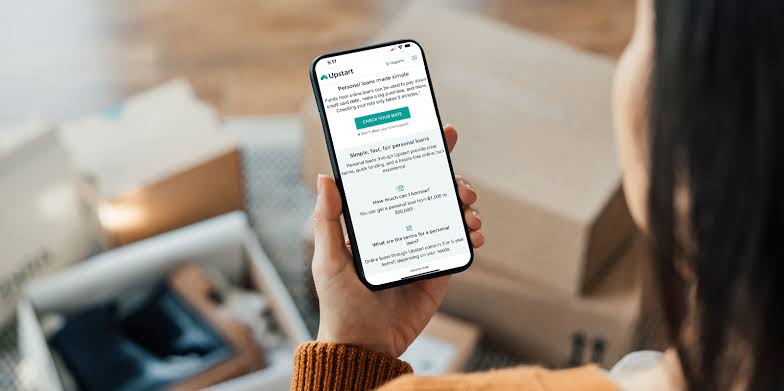
A car that won’t start, a home repair that can’t wait, or a utility bill landing before payday can throw your whole month off balance. Finding short-term finance under pressure is its own headache, especially filling out the same form on five sites with no idea which will say yes.
A digital broker reduces that work to a single encrypted application, matched against a network of regulated lenders. Applying through Swift Money lets you check multiple loan products at once, with no intermediary fees and no dent to your credit file.
Go direct to one lender, and you get one answer: approved on their terms, or turned away. A digital matchmaker instead runs your application through a waterfall of lenders.
Your form is checked first against prime lenders with the tightest criteria. Miss that tier and the system passes you down to the next group, built for adverse-credit cases.
That cascade happens behind the scenes in under a minute, landing you a match based on your real, current disposable income.
| Attributes of Matchmaker | Direct Single Lender Approach | Multi-Lenders’ Brokered Approach |
| Credit Score Check | Hard search at start of process | Soft search eligibility verification |
| Coverage of Application | 1 lender profile search | 10+ lenders on regulated panel |
| Commission Charged by Broker | None | No cost (£0) to consumer |
| Average Pay-out Time | 1 to 24 hours | 60 minutes using Faster Payments |
| Dealing with Adverse Credit | Binary pass or fail | Tiered matching approach |
Apply to half a dozen lenders separately and each leaves a hard mark on your report — a cluster of them in a short window reads as financial distress. Matchmakers sidestep that with soft-search technology at the matching stage.
That means you can shop the full market before anything touches your credit file.
There’s no good reason to pay upfront for a broker’s help finding fast money, and legitimate ones don’t ask you to. Instead, brokers earn a commission from the lender once a loan is arranged — tightly regulated, so what you pay in interest stays the same as going direct.
Every matched lender still sits within the UK’s statutory price caps:
| Fee Category | Statutory Regulatory Limit |
| Daily Interest & Charges | Maximum 0.8% per day of amount borrowed |
| One-Off Default Charge | Maximum £15 cap for missed payments |
| Total Cost Cap | Maximum 100% of original principal borrowed |
Have your financials ready, and the process moves fast.
Learning how Swift Money credit scoring models evaluate recent affordability helps you pick terms that fit, and responsible debt management strategies and free advice channels are worth a look before borrowing.
A few small details keep your application moving without stalling.
Applying between 9:00 AM and 3:00 PM on weekdays helps too, since underwriting teams are on hand for a second look if needed.
With regard to an online loan matcher, you eliminate the risk involved when dealing with one individual lender at a time while keeping your credit rating intact via the soft check on eligibility. With the help of panel-wide scanning, free-of-cost setup, and immediate bank transfer, you will be able to sort out your financial issues.
What is a loan matchmaker, and what makes it different from a direct lender?
A broker that checks multiple regulated lenders at once to find a match. A direct lender provides the funds itself and manages your agreement.
Will using a loan matchmaker leave a footprint on my credit file?
The initial match uses a soft check invisible to other lenders. A hard search only lands on your file once you accept a specific offer.
Are there any hidden charges or upfront fees for using this matching service?
No — it’s free for applicants. The platform earns a referral commission from the lender, with no added cost to you.
How quickly will the approved loan money land in my bank account?
The moment you sign electronically, most lenders will transfer money through Faster Payments within 15 to 60 minutes, depending on which bank you are using.
Can I be matched for a loan if my credit rating is poor?
Yes. The panel includes specialists who weigh current income stability more heavily than past credit history.