
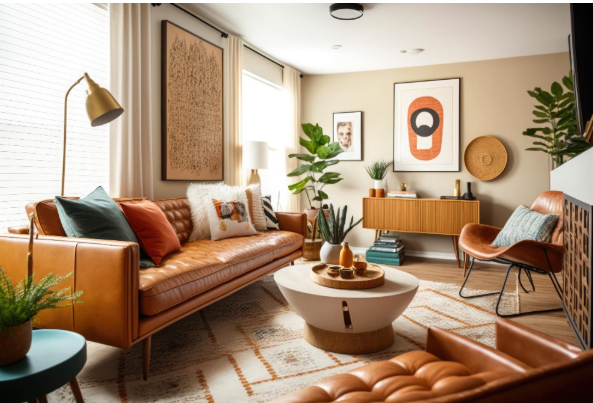
Home spaces carry more weight than decoration alone. People spend more time indoors now, with work, rest, and social activity often happening in the same environment. The bespoke soft furnishings by Aratamete help homeowners create interiors that feel more comfortable, personalised, and visually cohesive. This shift has pushed attention toward furniture and soft furnishing brands that shape comfort and atmosphere.
Aratamete appears in this space as a brand associated with interior styling and soft furnishings, focusing on how materials, texture, and design influence living environments.
Interest often comes from a simple need. Spaces feel functional but not comfortable, or visually complete but lacking warmth.
A living space is not defined only by furniture placement. Texture, lighting, fabric choice, and spatial flow influence how a room feels during daily use.
Soft furnishings play a strong role here. Cushions, curtains, throws, upholstery, and layered fabrics often change how a room is experienced without altering the structure.
Small adjustments sometimes shift the entire atmosphere of a space more than large furniture replacements.
Design choices influence comfort, even when not immediately noticed.
Soft furnishings act as the connecting layer between structure and comfort.
Hard surfaces like walls, floors, and furniture frames provide structure. Soft elements reduce harshness and introduce warmth.
Fabric choice affects light reflection, sound absorption, and visual tone. Heavier materials tend to create a grounded feel, while lighter fabrics introduce openness.
Colour tone also changes the perception of space. Neutral shades often support calm environments, while deeper tones introduce contrast and depth.
These elements work together rather than independently.
Visual design often focuses on colour or shape first. Texture influences experience more subtly.
A room with similar colour palettes can feel different depending on the fabric type. Smooth surfaces feel more structured. Woven or layered materials create softness.
People often notice comfort differences before identifying design reasons behind them.
Texture affects both visual perception and physical interaction.
Modern interiors often aim for a balance between simplicity and comfort.
Too many visual elements create clutter. Too little texture can make a space feel cold or incomplete.
Soft furnishing design sits between these two extremes. It allows visual consistency while introducing comfort through material layering.
A balanced space often feels easier to live in daily rather than only look at.
Material selection affects daily interaction with space.
Fabrics used in seating influence comfort during long periods of use. Curtain materials affect light levels throughout the day. Cushion density changes seating posture and relaxation.
Even small design decisions influence how often people naturally use certain spaces.
A comfortable environment tends to encourage longer and more relaxed time spent at home.
Colour affects the perception of space more than it is often acknowledged.
Light tones create a sense of openness, especially in smaller rooms. Darker tones introduce contrast and depth, often used to define specific areas within a room.
Neutral palettes often support long-term flexibility. They allow furniture or accent pieces to change without requiring a full redesign.
Colour consistency across soft furnishings helps unify different areas of a home.
Interiors need to change over time.
A home may shift from single occupancy to shared living or from active use to quieter routines. Soft furnishings often adapt more easily than structural changes.
Replacing fabrics, updating textures, or adjusting layering can refresh a space without renovation.
This flexibility makes soft furnishings a practical design element rather than only a decorative detail.
Design trends change frequently, though long-term living spaces often rely on stability.
Simple, well-chosen materials tend to last longer visually. Overly complex patterns or heavy design elements may feel dated more quickly.
Simplicity allows gradual updates without disrupting overall design harmony.
This approach reduces the need for frequent redesign while maintaining comfort.
Living environments influence emotional state more than expected.
Soft textures, balanced lighting, and consistent colour tones contribute to a calmer atmosphere. These elements do not operate independently but combine to shape the overall mood.
A space that feels comfortable often supports rest and focus without requiring conscious effort.
Interior design becomes part of daily well-being rather than only a visual presentation.
Aratamete sits within a broader movement toward thoughtful interior living, where comfort and design work together.
Soft furnishings play a central role in shaping how spaces feel, not only how they appear.
When texture, colour, and material align with daily use, living spaces become more consistent, comfortable, and adaptable over time.