
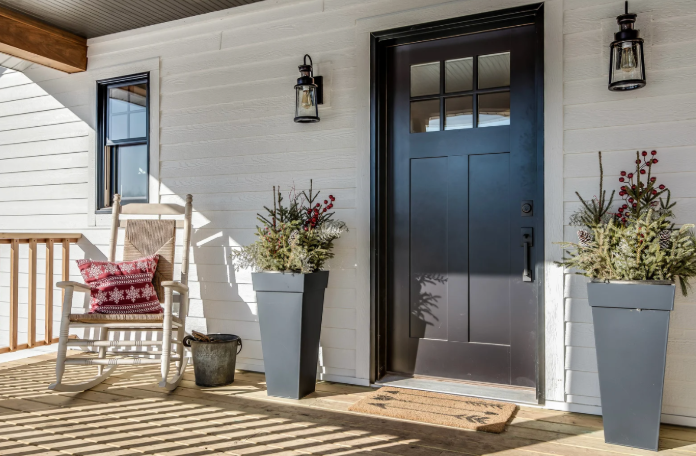
A front door does more than open and close. It affects security, insulation, and how a home looks from the street. A door that seals well helps control energy loss, notes RENOSY Atlanta specialists. A door that fits the home’s design improves curb appeal and can add value. According to Houzz, entry door updates remain one of the home projects owners choose most because they improve both function and appearance.
Material is one of the first choices that matters. Fiberglass, wood, and steel each perform differently in weather, maintenance, and lifespan. The right Custom Front Door Arvada CO should match the home’s style, hold up over time, and work well in daily use. Door Dudes Colorado is an expert when it comes to custom front doors in Arvada and nearby communities.
This guide from an expert contractor covers what to know before choosing a door, material, and installation approach.
There is a spectrum between a stock door from a home improvement store and a fully custom door built to specification.
Stock doors are pre-built in standard sizes, typically 32 or 36 inches wide by 80 inches tall. They are available in a limited range of styles and finishes. Lead time is zero. They are the least expensive option.
Semi-custom doors come from manufacturers in a wider range of standard sizes with more finish and glass options. You choose from available configurations rather than designing from scratch.
Fully custom doors are sized and designed to your exact specifications. They accommodate non-standard openings, unusual architectural features, and design elements not available in manufactured lines. Lead times run 4 to 12 weeks.
Most residential projects fall somewhere in the semi-custom to fully custom range.
If your entry has sidelights, a transom, unusual proportions, or an architectural style you want to match exactly, custom is usually the right path.
Material choice determines how much you will spend over the lifetime of the door, not just at purchase.
Here is an honest comparison.
Steel
Steel doors are the most secure and budget-friendly entry option. They are resistant to warping, splitting, and forced entry, and they insulate well due to foam-filled cores. The downside is surface aesthetics: steel can dent, and a dent is visible and difficult to fix without painting the entire door. Steel also requires periodic touch-up painting to prevent rust at exposed edges.
Cost installed: $600 to $3,000 for standard to decorative models
ROI at resale: Steel entry doors return approximately 188% of cost according to industry data, largely because of their security and durability appeal to buyers.
Fiberglass
Fiberglass is the most versatile material available for entry doors. It can be textured to mimic real wood grain convincingly, accepts paint and stain, resists denting and warping, and requires almost no maintenance. It handles Colorado’s temperature extremes well without the contraction and expansion problems that affect wood. Premium fiberglass with sidelights and glass inserts is the most popular choice for homeowners who want a high-end look without high-end maintenance.
Cost installed: $800 to $4,500, depending on design complexity
Lifespan: 20 to 30 years with minimal upkeep
Wood
Solid wood entry doors carry a warmth and authenticity that no other material replicates. They are also the highest-maintenance option. Wood swells and contracts with humidity and temperature, requires refinishing every three to five years, varying on sun exposure, and is vulnerable to moisture intrusion at the bottom edge if not properly sealed and maintained. In Arvada’s semi-arid climate, the dry winters and intense summer UV are particularly hard on painted and stained wood surfaces.
Cost installed: $1,500 to $8,000+, depending on species and design
ROI at resale: Approximately 55% on average, varying widely by quality
Wrought Iron / Steel with Glass
Iron and heavy-gauge steel doors with decorative glass panels are the premium architectural option. They project an unmistakable presence and are essentially impervious to forced entry. They also require specific structural considerations because of their weight, and installation takes significantly longer than lighter doors.
Cost installed: $2,500 to $12,000+
A front door installation involves more than the door slab itself.
The door unit includes the slab (the actual door), the pre-hung frame, weatherstripping, and threshold. This is what most people think of when they think “door.”
Sidelights are vertical glass panels flanking the door. They add light to the entry and architectural weight to the composition. They also add cost, typically $500 to $2,500 over a basic single door.
Transoms are horizontal glass panels above the door. Like sidelights, they add natural light and visual scale.
Hardware covers the handleset, deadbolt, and hinges. Entry-level hardware runs $50 to $150. Premium handlesets, smart locks, and commercial-grade deadbolts run $200 to $600 or more. Hardware choices affect both security and appearance, so do not treat them as an afterthought.
The frame and jamb need to be in sound condition. If the existing frame shows rot, soft spots, or evidence of water infiltration, it needs replacement before the new door is installed. A door mounted in a rotted frame will never seal properly.
A standard front door replacement takes two to four hours for an experienced installer. A larger project with sidelights, transoms, and framework can extend to a full day.
The installation sequence:
A door that is not level will not close properly, and one that is not sealed will leak air and moisture. Both problems develop quickly and are difficult to correct after installation is complete.
UV exposure at elevation accelerates fading and degradation of painted wood and some vinyl finishes. Fiberglass and steel with high-quality factory finishes handle Colorado’s altitude UV load significantly better than natural wood.
Temperature swings between seasons and sometimes within a single day create expansion and contraction stress on door materials and weatherstripping seals. Fiberglass handles this best among residential materials.
Security is a practical concern in any metro area. Multi-point locking systems, heavy-gauge steel or fiberglass construction, and reinforced strike plates all improve forced-entry resistance meaningfully over basic single-deadbolt installations.
Before you commit to any door company, a written estimate should specify:
A vague estimate that says “install new front door” without specifying which door is an estimate you cannot compare accurately to another bid.