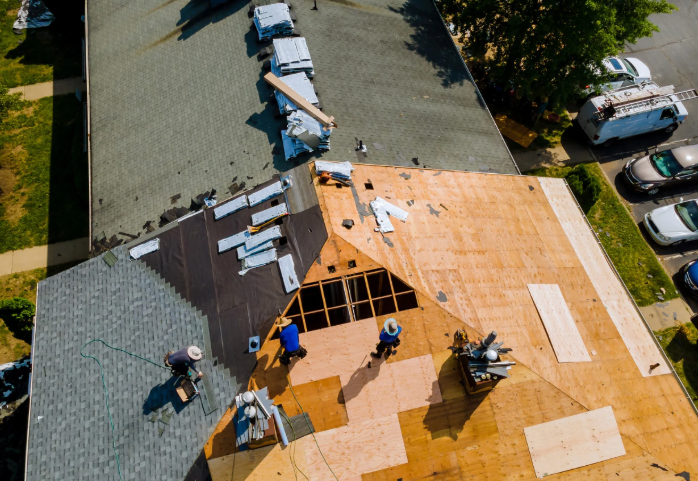
A commercial roof protects more than a building. It protects business operations, equipment, inventory, and the people inside. When a roof fails, the damage can spread quickly. Water intrusion can interrupt operations, ruin materials, and lead to costly repairs. According to the National Roofing Contractors Association, poor installation and lack of maintenance are among the top reasons commercial roofs fail before their expected lifespan.
Commercial roofing is also very different from residential roofing. The materials are different. Drainage systems are more complex. Load requirements are higher. Warranty terms are often stricter. A roofing decision on a commercial property affects long-term operating costs, building performance, and risk exposure.
For owners comparing various commercial roofing contractor Wyoming, understanding these differences is the first step. Blue Frog Roofing provides commercial roofing services across Wyoming.
Before signing any contract, it helps to know how commercial roofing systems work, what causes early failure, and what standards matter most in a quality installation.
Commercial Roofing Systems: What Is Available
Most commercial buildings have low-slope or flat roofs. These require different materials and installation methods than the pitched roofs on residential buildings. Choosing the right system depends on your building’s structure, your climate, your budget, and the roof’s expected lifespan.
The main commercial roofing systems:
- TPO (Thermoplastic Polyolefin). Currently, the most widely used flat roofing membrane in commercial construction. A white or light-colored surface reflects UV and reduces cooling loads. Heat-welded seams create a strong, continuous waterproof layer. Typically lasts 15 to 25 years with proper installation and maintenance. Lower material cost than some alternatives makes it popular for budget-conscious projects.
- EPDM (Ethylene Propylene Diene Monomer). A rubber membrane that has been used on commercial roofs since the 1960s. Black in its standard form, which absorbs heat but performs well in cold climates where heating is more of a concern than cooling. Highly durable and flexible in temperature extremes. Wyoming’s cold winters and significant temperature swings make EPDM a practical choice in many applications. It has a lifespan of 20 to 30 years when properly installed.
- PVC roofing. Another thermoplastic membrane, similar to TPO but with higher chlorine content, which gives it better chemical resistance. Often used in restaurants and industrial facilities where rooftop vents release grease or chemicals that would degrade other membranes faster. Generally, the most expensive of the three main single-ply options.
- Modified bitumen. Built-up roofing material is applied in layers with reinforcing fabric and asphalt. Excellent puncture resistance and good performance in foot-traffic areas. Often used when the roof surface needs to withstand regular maintenance access. Lifespan of 20 years with proper upkeep.
- Metal roofing. Common in commercial buildings in Wyoming due to its extreme durability and performance in snow-load environments. Standing seam metal roofs shed snow efficiently, require minimal maintenance, and last 40 to 70 years. Higher upfront cost but significantly lower lifetime cost than membrane systems.
How Commercial Roofing Warranties Work
Commercial roofing warranties are more complex than residential warranties and need to be understood before you sign a contract, not after.
Most commercial roof warranties come in two forms:
- Manufacturer material warranty. Covers defects in the roofing materials themselves. Duration ranges from 10 to 30 years, depending on the manufacturer and the specific product. These warranties are voided if the materials are not installed according to manufacturer’s specifications, which is why certified installer programs exist.
- Contractor workmanship warranty. Covers installation defects, including improper flashing, seam failures, and drainage issues that result from how the contractor installed the system. Reputable commercial roofers offer two to five-year workmanship warranties minimum.
Most commercial roofing manufacturers offer extended warranty programs, sometimes called No Dollar Limit (NDL) warranties, that cover both materials and labor for a set period. These programs require the installer to be manufacturer-certified and the installation to be inspected by a manufacturer representative after completion. NDL warranties are worth the added cost for large commercial projects.
Signs a Commercial Roof Needs Attention
Most commercial roofing systems are designed to last 20 to 25 years according to industry standards, but condition matters more than age. Regular inspection catches problems before they become interior damage.
Signs that warrant a professional inspection:
- Standing water 48 hours after rainfall. Ponding water accelerates membrane degradation and adds structural load. Drains may be clogged, or the roof may have inadequate slope. Both require professional assessment.
- Bubbles or blisters in the membrane. Trapped moisture or air between the membrane and the substrate. As they expand and contract with temperature, they eventually rupture the membrane.
- Interior water stains or active leaks. By the time water reaches the interior, it has already passed through the membrane and potentially saturated the insulation layer. The entry point is rarely directly above the visible interior damage.
- Lifting or open seams. Membrane seams are the most vulnerable point of any flat roof system. A seam that is lifting or visibly open is a water entry point.
- Significant energy bill increases. Saturated roof insulation loses its R-value dramatically. A sudden increase in heating or cooling costs without other explanation is sometimes the first noticeable symptom of moisture in the roof assembly.
What to Verify Before Hiring a Commercial Roofer
- Manufacturer certification. Confirm the contractor is certified by the manufacturer of the system they are proposing. Certification is required for many extended warranties and indicates the installer has met manufacturer training standards.
- Wyoming contractor license. Verify the contractor holds a current Wyoming contractor license through the Wyoming Contractor Licensing Board.
- Commercial project references. Residential roofing experience does not translate directly to commercial work. Ask for references from commercial projects of similar size and system type.
- Scope of work in writing. The contract should specify the exact system being installed, the manufacturer and product line, the membrane thickness, the insulation R-value, flashing details, drain placement, and the warranty terms.
- Payment terms. A deposit of 25 to 50% at contract signing is standard for commercial roofing. Full payment before completion gives you no leverage if the work is deficient.