Jan 01, 1970
0 years old
Who owns Apple Bill Gates is a question that has been circulating online, creating confusion among tech enthusiasts worldwide.
The truth is simple: Bill Gates does not own Apple, and this viral claim stems from a fundamental misunderstanding of tech industry ownership.
While Gates co-founded Microsoft, Apple’s current ownership structure involves public shareholders, with Tim Cook serving as CEO.
This article will break down the facts, explore the origins of this misconception, and reveal the real relationship between these tech giants.

No, Bill Gates does not own Apple.
Bill Gates is the co-founder of Microsoft, Apple’s longtime competitor.
Apple is a publicly traded company owned by millions of shareholders worldwide.
Tim Cook serves as Apple’s current CEO, while the company was originally founded by Steve Jobs, Steve Wozniak, and Ronald Wayne in 1976.
The confusion likely stems from Gates’ significant wealth and influence in the tech industry.
Apple operates as a publicly traded corporation listed on NASDAQ under the ticker symbol AAPL.
The company’s ownership is distributed among institutional investors, individual shareholders, and company executives.
No single person owns Apple outright, making the “Who owns Apple Bill Gates” question factually incorrect.
Here are the key ownership details:
The largest Apple shareholders include:
Tim Cook, Apple’s CEO, owns less than 1% of the company’s total shares.
This structure proves that Bill Gates has no ownership stake in Apple.
Bill Gates co-founded Microsoft in 1975 with Paul Allen, one year before Apple’s inception.
Microsoft became Apple’s primary competitor in the personal computer industry throughout the 1980s and 1990s.
Gates served as Microsoft’s CEO until 2000 and remained chairman until 2014.
He currently holds the title of Technology Advisor at Microsoft while focusing on philanthropic efforts through the Bill & Melinda Gates Foundation.
The relationship between Microsoft and Apple has been complex and competitive for decades.
During the 1980s, both companies competed fiercely for dominance in the personal computer market.
Microsoft’s Windows operating system directly competed with Apple’s Mac OS.
This rivalry intensified during the “GUI Wars” of the late 1980s and early 1990s.
Key moments in their competitive history include:
Several factors contribute to this widespread misconception about Apple ownership.
Gates’ immense wealth and prominence in technology creates false associations with other major tech companies.
Many people incorrectly assume that successful tech entrepreneurs own multiple competing companies.
The 1997 Microsoft investment in Apple also fuels confusion about ownership relationships.
Social media misinformation amplifies these misconceptions, spreading inaccurate claims rapidly.
Myth 1: “Bill Gates bought Apple when it was struggling” Reality: Microsoft invested $150 million in 1997 but never acquired ownership control
Myth 2: “Gates secretly controls Apple through hidden investments”
Reality: All major shareholdings in public companies must be disclosed by law
Myth 3: “Microsoft and Apple merged under Gates’ leadership” Reality: The companies remain separate entities and competitors
Myth 4: “Gates inherited Apple after Steve Jobs’ death” Reality: Jobs’ shares went to his estate and family, not to Gates
Steve Jobs and Bill Gates maintained a complex professional relationship spanning over three decades.
Their interactions shaped the entire personal computer industry from the late 1970s onward.
Both men respected each other’s abilities while fiercely competing in the marketplace.
Their relationship evolved from early collaboration to intense rivalry and eventual mutual respect.
1970s Collaboration Period:
1980s-1990s Rivalry Era:
2000s Reconciliation Phase:
Jobs focused on integrated hardware and software experiences with premium pricing strategies.
Gates emphasized software licensing and broad market penetration through partner manufacturers.
Apple under Jobs prioritized design aesthetics and user experience above technical specifications.
Microsoft under Gates concentrated on functionality and business productivity applications.
These different philosophies explain why Gates never sought to own Apple outright.
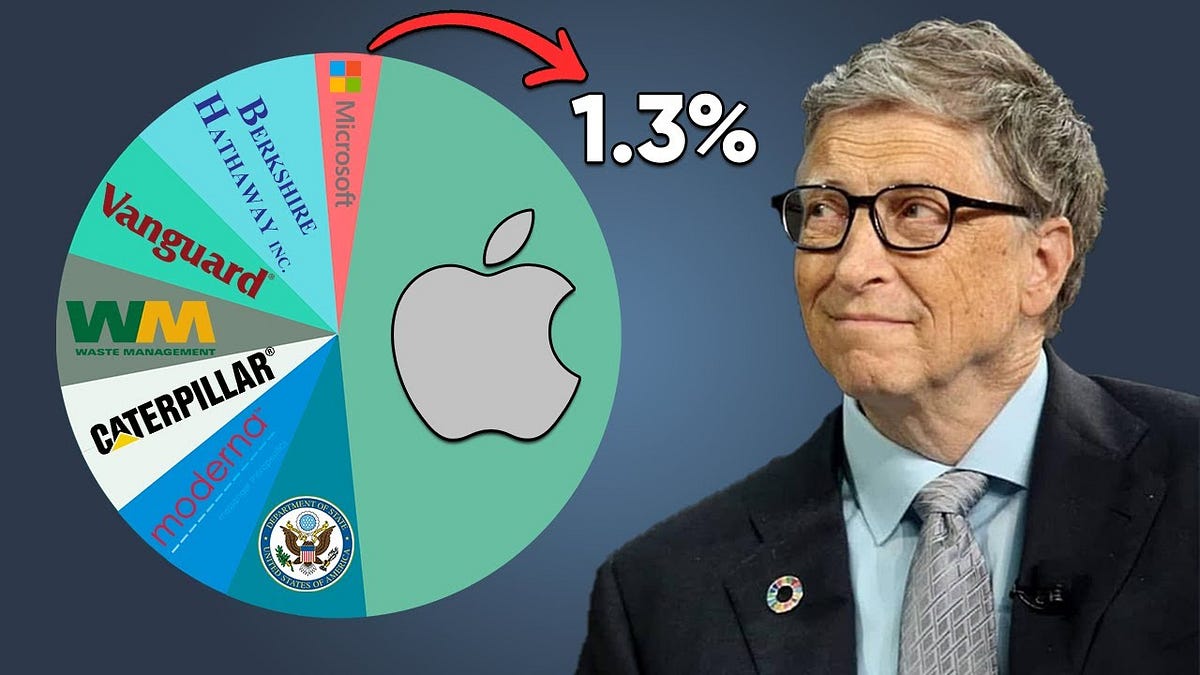
Apple’s market capitalization has grown exponentially since its public offering in 1980.
The company went public at $22 per share and has split multiple times since then.
Apple became the world’s first trillion-dollar company in August 2018.
By 2024, Apple’s market cap exceeds $3 trillion, making it the world’s most valuable company.
Apple’s Revenue Milestones:
Microsoft has also achieved remarkable financial success under different leadership structures.
The company’s market cap peaked at over $2.8 trillion in 2024.
Microsoft’s cloud computing services now generate more revenue than traditional software licensing.
Both companies demonstrate that successful tech giants can coexist without ownership consolidation.
Apple’s board includes independent directors from various industries and backgrounds.
Current board members bring expertise in technology, finance, retail, and international business.
The board exercises oversight over major strategic decisions and executive compensation.
No single individual or entity controls the board, maintaining corporate governance independence.
Notable Board Members Include:
Bill Gates has diversified his wealth far beyond Microsoft ownership over the past two decades.
His investment strategy focuses on global health, education, and sustainable technology initiatives.
The Bill & Melinda Gates Foundation manages over $65 billion in assets for philanthropic purposes.
Gates’ personal investments include positions in various public and private companies.
Major Holdings Include:
Gates sold most of his Microsoft shares after stepping down from active leadership roles.
He currently owns less than 2% of Microsoft’s outstanding shares.
This reduction allowed him to diversify risk and fund philanthropic activities.
Gates maintains technology advisor status but has no operational control over Microsoft.
Apple and Microsoft compete across multiple technology categories with varying degrees of success.
Both companies have evolved beyond their original computer-focused business models.
Current market positions reflect different strategic approaches and customer segments.
Desktop/Laptop Market Share:
Mobile Operating Systems:
Cloud Computing Services:
Both companies have successfully expanded beyond their original product categories.
Apple generates significant revenue from services, accessories, and content distribution.
Microsoft has transitioned from software licensing to cloud-based subscription models.
This diversification reduces direct competition while expanding total addressable markets.
Apple continues expanding its ecosystem approach under Tim Cook’s leadership.
The company invests heavily in original content, financial services, and health technology.
Apple’s focus remains on premium products with integrated hardware and software experiences.
Environmental sustainability and privacy protection have become key brand differentiators.
Upcoming Apple Initiatives:
Artificial intelligence integration will shape Apple’s next generation of products and services.
Regulatory pressure on big tech companies may impact Apple’s business practices.
Competition from Chinese manufacturers challenges Apple’s premium pricing strategy in global markets.
Supply chain resilience remains critical for Apple’s manufacturing operations.
The Securities and Exchange Commission (SEC) requires public companies to disclose major shareholdings.
Form 10-K annual reports contain comprehensive ownership and financial information.
Proxy statements reveal executive compensation and board member details.
These documents are freely available through the SEC’s EDGAR database system.
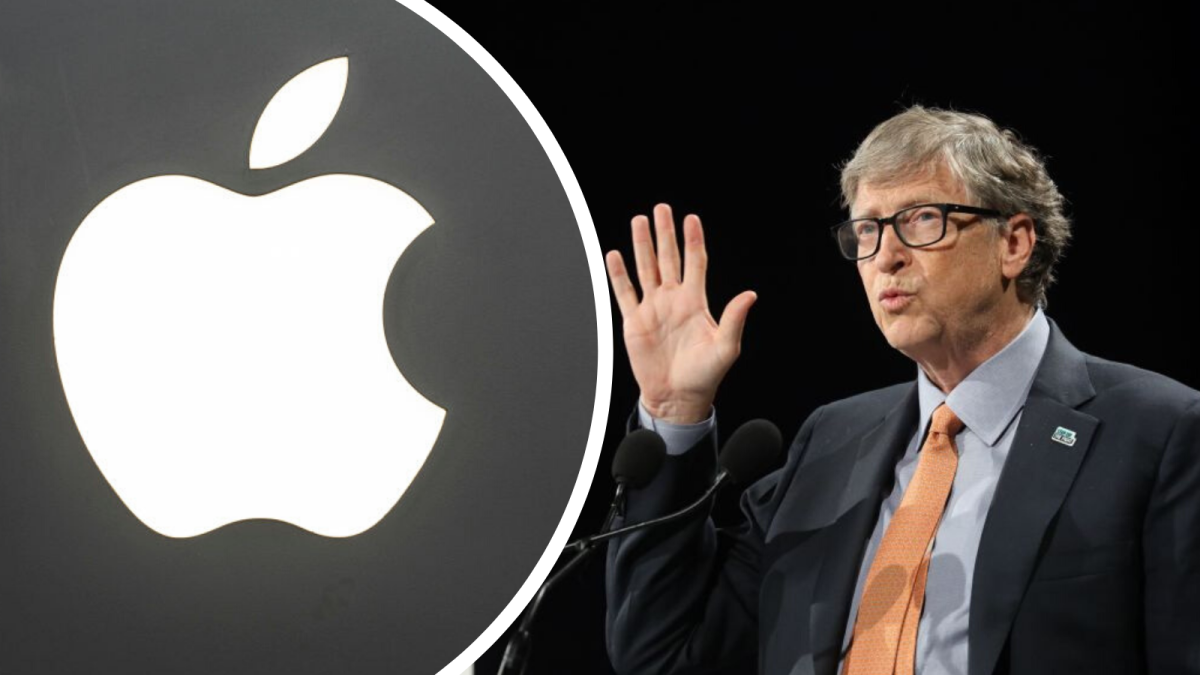
Despite their competitive history, Apple and Microsoft now collaborate on various initiatives.
Microsoft Office suite remains one of the most popular productivity applications on Mac computers.
Apple devices support Microsoft’s cloud services and enterprise software solutions.
Both companies participate in industry standards organizations and advocacy groups.
Examples of Current Cooperation:
The companies still compete directly in several important market segments.
Enterprise productivity software represents a key battleground between the two firms.
Cloud computing services targeting business customers create ongoing competitive pressure.
Both companies invest heavily in artificial intelligence and machine learning capabilities.
How much of Apple does Bill Gates own?
Bill Gates does not directly own shares in Apple Inc.
However, the Bill & Melinda Gates Foundation Trust previously held a small number of Apple shares as part of its investment portfolio.
That stake has since been sold and was never significant.
Who now owns Apple?
Apple Inc. is a publicly traded company, meaning it’s owned by millions of individual and institutional shareholders.
The largest shareholders include investment firms like Vanguard Group and BlackRock.
No single individual “owns” Apple outright.
Who is Bill Gates Apple founder?
Bill Gates is not the founder of Apple.
Apple was founded in 1976 by Steve Jobs, Steve Wozniak, and Ronald Wayne.
Bill Gates co-founded Microsoft, a competitor, in 1975.
What companies do Bill Gates own?
Bill Gates owns or invests in several companies through Cascade Investment LLC, his private investment firm.
Holdings include shares in Coca-Cola FEMSA, Deere & Co., Waste Management, and Ecolab, among others.
He also co-founded TerraPower, a nuclear innovation company.
Who is the biggest shareholder of Apple?
The largest shareholders of Apple are institutional investors.
As of the latest filings, Vanguard Group and BlackRock are the top holders.
Tim Cook, Apple’s CEO, owns less than 1% of the company.
Does Bill Gates own an iPhone?
Yes, Bill Gates confirmed in interviews that he now uses an iPhone,
although he prefers Android due to its flexibility and pre-installed Microsoft apps.
He has previously used both platforms for different reasons.
The question “Who owns Apple Bill Gates” reflects a fundamental misunderstanding of technology industry ownership structures.
Bill Gates does not own Apple and never has owned Apple throughout the company’s 48-year history.
Apple remains a publicly traded corporation owned by millions of shareholders worldwide, with no single controlling entity.
Microsoft and Apple continue operating as independent competitors, collaborating when beneficial while maintaining distinct corporate identities.
Understanding accurate ownership information helps consumers make informed decisions about technology products and investments.
The next time someone asks whether Bill Gates owns Apple, you can confidently explain the truth behind this persistent myth.
Both companies have succeeded by focusing on their core competencies rather than acquiring competitors, proving that healthy competition drives innovation and benefits consumers.
Key Takeaways:
Macron wife age difference is approximately 24 years, with Brigitte...

Fortune Justin Bieber: Justin Bieber’s fortune is estimated to exceed...