What time does it get daylight? Today in Lahore, Pakistan, the sun rises at 5:34 AM PKT, marking the start of natural daylight. Sunrise is the moment when the upper edge of the sun first appears over the horizon, bringing warmth, light, and a natural rhythm to daily life.
The exact time varies depending on your city and the season, with northern cities like Gilgit seeing daylight slightly earlier. Knowing when daylight begins helps plan outdoor activities, photography, or morning routines efficiently.
From energizing workouts to enjoying nature’s beauty, tracking sunrise times ensures you make the most of every day. Stay aware of changing daylight hours for optimal scheduling.

What Determines the Time of Sunrise and Sunset?
The primary factor determining the time of sunrise and sunset is the position of the sun relative to the observer’s horizon. Sunrise occurs when the upper edge of the sun first becomes visible above the horizon, marking the beginning of daylight, while sunset is when the sun disappears below the horizon, transitioning into dusk and night.
This timing is influenced by the earth’s rotation, orbit around the sun, and the tilt of its axis. Sunrise and sunset times vary depending on your geographic location and the time of year.
The atmosphere also plays a role through refraction, bending sunlight slightly so the sun appears to rise earlier and set later than it geometrically should. This phenomenon extends the duration of daylight each day beyond what a purely geometrical calculation might suggest.
How Does Latitude Affect Sunrise and Sunset Times?
Latitude is a critical factor in the timing and length of daylight hours. Closer to the equator, sunrise and sunset times are relatively consistent throughout the year, with roughly 12 hours of daylight and 12 hours of night. This is because the sun rises almost vertically.
However, as you move toward higher latitudes, closer to the poles, daylight hours change dramatically across seasons. In the Northern or Southern hemisphere’s summer, days can be very long or even last all day, known as the “midnight sun” phenomenon, while winter days become very short or even have continuous darkness.
Locations like Alaska experience extreme variation where in summer the sun may not set at all, and in winter it barely rises above the horizon. This latitude-related difference is what makes the timing and duration of daylight so fascinating from an astronomical perspective.
What Role Does Longitude and Time Zone Play?
Longitude helps to determine the local time of sunrise and sunset because it affects the position of the sun relative to your location’s meridian. While latitude impacts the duration of daylight, longitude determines the exact local time these events occur based on Earth’s rotation.
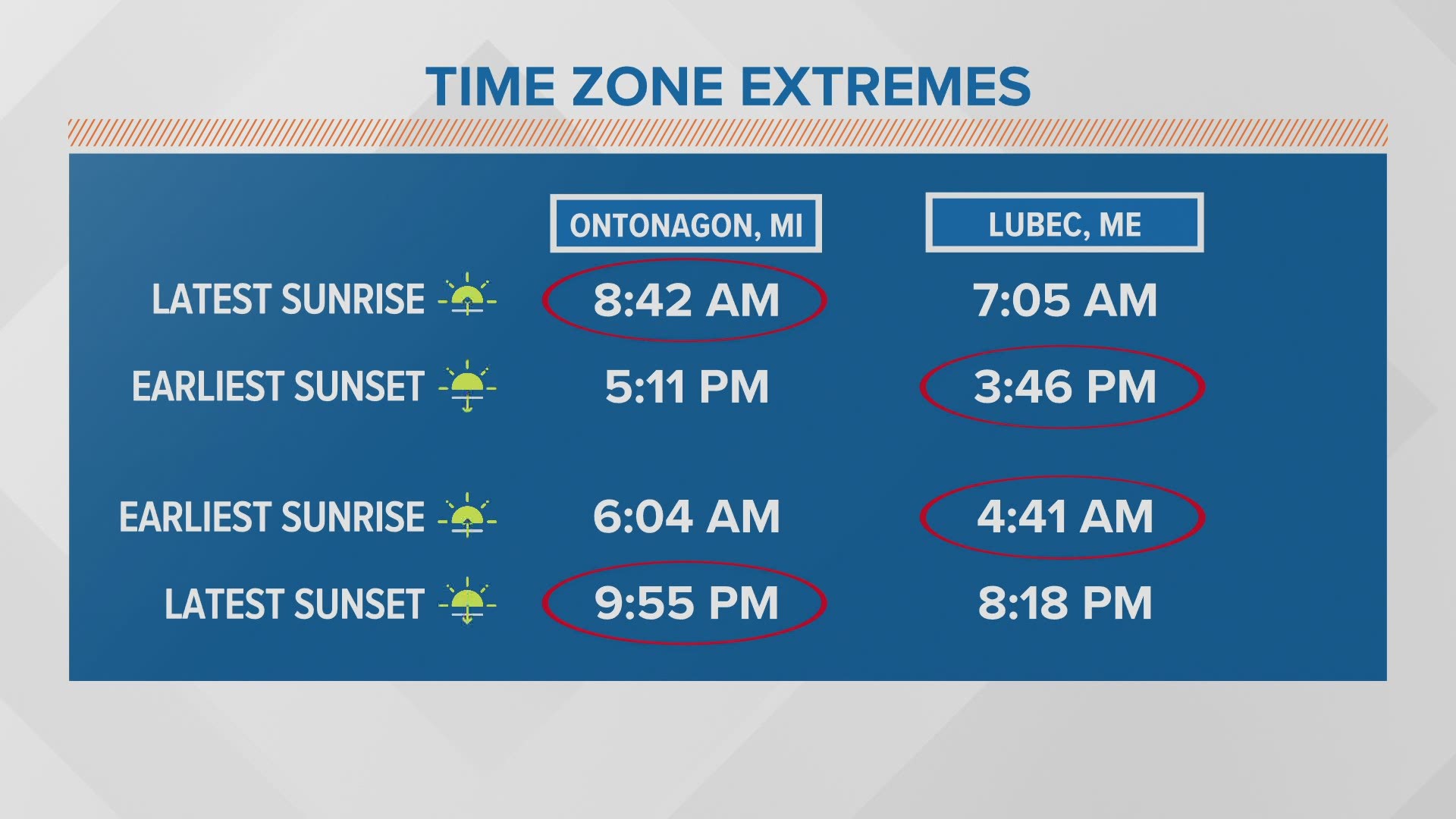
Time zones are established to standardize time across regions roughly within the same longitude. However, because time zones cover large longitudinal areas, the exact sunrise or sunset time within a time zone can differ substantially.
For example, sunrise in the western part of a time zone will occur later in local time than in the eastern part. This adjustment allows us to use a “standard time” or daylight saving time for convenience, but it introduces some variation, so calculating the exact sunrise or sunset time for your specific longitude inside the time zone is essential.
How Does the Earth’s Tilt Influence Daylight Hours?
The Earth’s axis is tilted about 23.5 degrees relative to its orbit around the sun. This tilt causes the sun to take different paths across the sky throughout the year, affecting the time of sunrise and sunset and the total daylight duration.
During summer solstice in the northern hemisphere, the North Pole is tilted towards the sun, resulting in the longest day and shortest night of the year. Conversely, the winter solstice marks the shortest daylight period due to the tilt away from the sun.
This axial tilt and orbit result in the changing seasons and the varying angle at which sunlight hits the earth, influencing the sun’s altitude and the length of time the sun remains above the horizon each day.
What time does it get daylight in Pakistan?
In Pakistan, the time when daylight begins varies by location and season. On August 25, 2025, in Lahore, the sun rose at 5:34 AM PKT, marking the start of daylight.
In northern regions like Gilgit, the sun rises earlier due to their geographical position, while southern cities such as Karachi experience later sunrises. For instance, on the same date, Karachi’s sunrise occurred at 6:11 AM PKT.
The duration of daylight also changes throughout the year. On June 21, the summer solstice, Lahore experiences its longest day, with approximately 13 hours and 40 minutes of daylight.
Understanding these variations is crucial for planning daily activities, especially for those relying on natural light for tasks such as photography, agriculture, or outdoor events. By consulting local sunrise and sunset times, individuals can optimize their schedules to make the most of daylight hours.
What time does it get daylight Today?
On Monday, August 25, 2025, the sunrise times in Pakistan’s major cities were as follows:
-
Lahore: 5:34 AM PKT
-
Islamabad: 5:36 AM PKT
-
Karachi: 6:11 AM PKT
-
Gilgit: 5:29 AM PKT
These times indicate when daylight began in each city. The exact time the sun rises can vary slightly due to atmospheric conditions and the observer’s location.
How Do Sunrise and Sunset Times Change Throughout the Year?
Sunrise and sunset times do not follow a simple pattern but change gradually throughout the year as the earth orbits the sun. After the equinoxes, days become either longer or shorter depending on the season, shifting by approximately 2 to 3 minutes each day near mid-latitudes.
In spring and summer, sunrise occurs earlier and sunset later, increasing the number of daylight hours. In autumn and winter, the opposite happens, with sunrise shifting later and sunset earlier, leading to shorter daylight periods.
A graph plotting sunrise and sunset times throughout the year can provide a visual appreciation of how daylight hours wax and wane, influenced by your location’s latitude and the earth’s tilt.
What Happens to Sunrise and Sunset in Alaska and Other Far North Locations?
In places like Alaska or other far north regions, sunrise and sunset times exhibit stark contrast compared to more temperate areas. During summer days, the sun can remain above the horizon for 20 hours or more, with the phenomenon of the midnight sun where it never truly sets.
In winter, these locations experience very short days, sometimes with only a few hours of daylight or complete darkness. The sun may stay just below the horizon, creating a prolonged twilight rather than full daylight or night.
This extreme variation is due to the high latitude and the axial tilt of the earth, profoundly influencing the course of the year and daylight hours in these areas.
How Does Daylight Saving Time Affect Sunrise and Sunset?
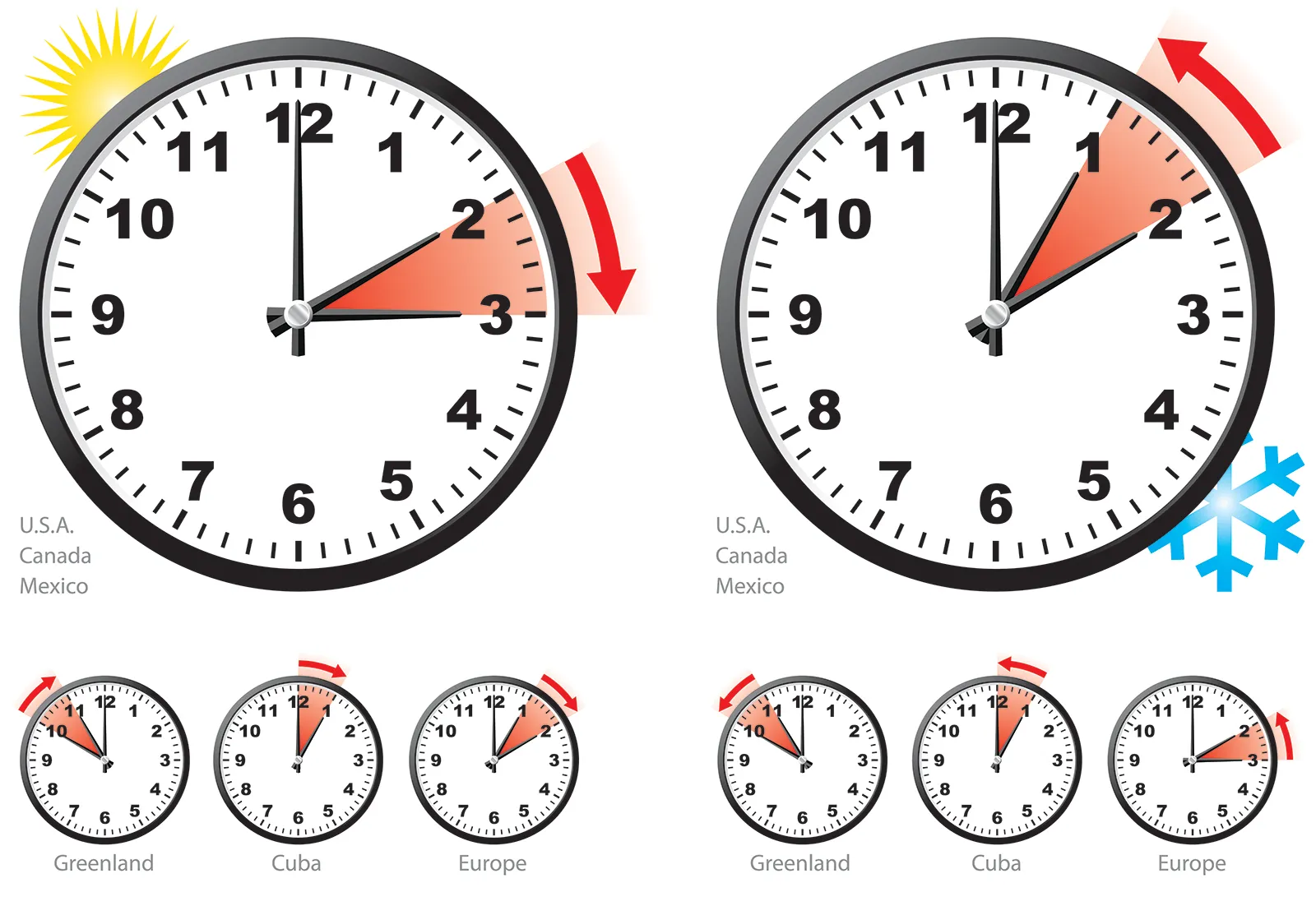
Daylight saving time (DST) is implemented to shift the clock forward by one hour during longer summer days to extend evening daylight. This practice affects the time of sunrise and sunset by effectively making both occur an hour later by the clock.
For example, if the sun would normally rise at 6:30 a.m. standard time, with DST it rises at 7:30 a.m. This adjustment aims to provide more usable daylight in the evenings, positively impacting energy consumption and lifestyle but can complicate calculations and local time understanding.
Not all places observe daylight saving time, and different countries have varying start and end dates, which should be considered when calculating sunrise and sunset times.
What Is Twilight and How Does It Relate to Sunrise and Sunset?
Twilight is the period before sunrise and after sunset when the sky is partially illuminated but the sun is below the horizon. Twilight phases include civil, nautical, and astronomical, determined by the solar altitude below the horizon in degrees.
This period is important for activities such as astronomy and navigation, as well as human perception of daylight and dusk. Twilight extends the amount of natural light you experience beyond the simple sunrise or sunset time.
During twilight, the sun’s light scatters in the atmosphere, allowing the sky to be lit faintly before the sun appears at sunrise or after it sets at dusk, bridging the day and night sky seamlessly.
How Can You Calculate Sunrise and Sunset with a Calculator or Online Tools?
Calculating accurate sunrise and sunset times involves considering latitude, longitude, time zone, date, and atmospheric conditions. There are online calculators and astronomical websites that help perform these calculations quickly.
The calculation typically uses celestial mechanics formulas, accounting for the earth’s tilt, the sun’s declination, and the observer’s position relative to the horizon and meridian. By inputting your location coordinates and the day of the year into such a calculator, you can get precise times in local standard or daylight saving time.
Some websites provide tables and graphs that show sunrise and sunset times over the entire year for specific locations, helping you plan activities according to daylight hours, seasonal changes, and even moon phases.
Why Are Sunrise and Sunset Times Important in the USA and Around the World?
Sunrise and sunset times matter for many reasons globally and specifically in the USA. They influence daily schedules, agriculture, outdoor leisure, and even cultural and religious practices. Awareness of daylight hours helps us adapt to the seasons, manage energy consumption, and plan events.
In states like Maine or areas near the prime meridian in the USA, local sunrise and sunset times dictate optimal timing for solar power generation, commuting, and more. Understanding these times can also heighten appreciation of natural phenomena like equinoxes and solstices.
Internationally, sunrise and sunset times define climate rhythms and human adaptation strategies, reflecting how geology and astronomy combine to shape daily life through the course of the year.
FAQs
What time did the sun rise today in Lahore?
On August 25, 2025, the sun rose in Lahore at 5:34 AM Pakistan Standard Time (PKT).
Which city in Pakistan sees the sunrise first?
The city of Gilgit in northern Pakistan experiences the earliest sunrise. On August 25, 2025, the sun rose there at 5:29 AM PKT.
What is the longest day in Lahore in 2025?
The longest day in Lahore in 2025 occurred on June 21, the summer solstice, when daylight lasted for 13 hours and 40 minutes.
How much time does the sun take to rise in Pakistan?
The duration of sunrise in Pakistan varies depending on the location and time of year. Generally, the sun rises gradually over several minutes, with the exact duration varying by geographic location and atmospheric conditions.
Summary: Key Takeaways on Sunrise and Sunset Times
-
Sunrise and sunset times depend mainly on the Earth’s rotation, axial tilt, latitude, longitude, and atmospheric refraction.
-
Latitude influences the length of daylight hours and can cause extreme variations like the midnight sun or polar nights in far north regions such as Alaska.
-
Longitude and time zones determine the local clock time of sunrise and sunset, but exact times vary within zones.
-
The earth’s tilt causes seasonal changes in sunrise, sunset, and daylight duration throughout the year.
-
Daylight saving time shifts sunrise and sunset times by about one hour to provide more evening daylight in summer months.
-
Twilight occurs before sunrise and after sunset, providing extended partial daylight for various activities.
-
Online calculators and tables can help find exact sunrise and sunset times, using geographic and astronomical data.
-
Sunrise and sunset times influence many practical and cultural aspects of life both in the USA and worldwide.
Learning when it gets daylight and how the sun’s movement shapes our days brings us closer to nature’s rhythms and improves our ability to live harmoniously with the cycles of day and night.
Conclusion