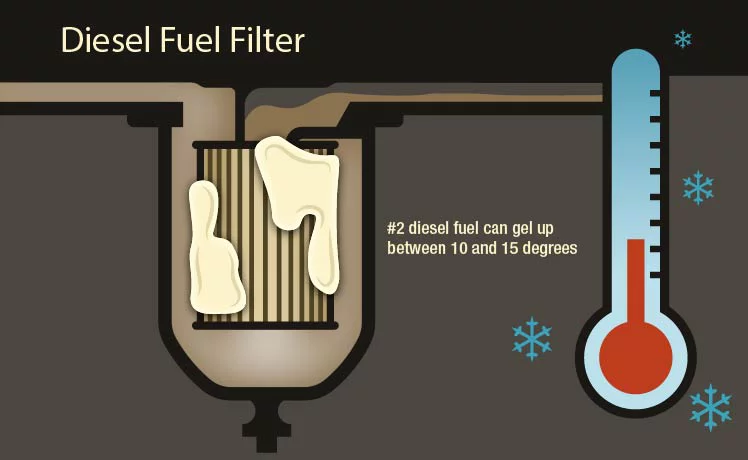
What Temp Does Diesel Gel? Diesel typically starts to gel between 10°F and 15°F (-12°C to -9°C), depending on the blend and additives used. Knowing what temp diesel gels is crucial for drivers in cold climates because gelled fuel can clog fuel lines, filters, and prevent the engine from starting.
Standard diesel begins forming wax crystals as temperatures drop, reducing flow and causing performance issues. Winterized or treated diesel can resist gelling at lower temperatures, but extreme cold still poses a risk.
Monitoring fuel type, using anti-gel additives, and keeping tanks full are essential steps to prevent problems. Understanding what temp diesel gels helps maintain engine reliability in freezing conditions.
What Is Diesel Gel and Why Does It Occur?
Diesel gel refers to the process whereby diesel fuel becomes thick, waxy, and partially solidifies when exposed to cold temperatures. This fuel gelling happens because diesel contains paraffin wax, which begins to solidify as the temperature drops.
When wax crystals form and grow, they interfere with the smooth fuel flow through the fuel lines and filters, causing blockages that can stall the diesel engine or prevent it from starting. The gelling process is more common during winter months or in regions with cold climate.
Traditional diesel has a cloud point—the temperature at which wax crystals first appear—and as temperatures continue to drop, more wax precipitates out, leading to a gelled fuel state that can clog fuel filters and damage the fuel pump. Understanding why diesel fuel gels is the first step to effectively preventing problems related to cold weather diesel operation.
At What Temp Does Diesel Gel?
The exact temperature does diesel gel varies based on the diesel type and formulation, but generally, diesel begins to gel at around between 10°F and 15°F (-12°C to -9°C). This threshold is called the gel point or the cold filter plugging point (CFPP).
When the temperature drops below this point, wax crystals start to precipitate and entangle, causing the diesel fuel to thicken. The gel point can be higher or lower depending on the quality of the fuel, wax content, and presence of additives.
For example, summer diesel fuels typically have higher gel points compared to winter diesel blends specially formulated to resist gelling at lower temperatures.
Knowing the approximate temp does diesel gel helps operators plan preventive measures before cold weather arrives, reducing the risk of frozen fuel and failed starts in their diesel vehicles.
What Is the Cloud Point and How Does It Relate to Diesel Gelling?
The cloud point is the temperature at which wax crystals first appear in diesel fuel, causing it to look cloudy or hazy. It’s the initial stage of the fuel gels formation process and a key indicator of when diesel will start to experience cold-weather problems.
The cloud point is typically a few degrees higher than the gel point. For instance, diesel fuel may show a cloud point of about 20°F (-7°C), but the gel point might be around 15°F (-9°C). As the temperature continues to fall below the cloud point, more wax crystallizes and eventually leads to full gel formation.
By monitoring the diesel fuel’s cloud point and ambient conditions, you can anticipate gelling issues and take timely actions such as switching to winter blend diesel or adding diesel fuel additives to help prevent fuel gelling.
How Does Wax in Diesel Fuel Cause Gelling?
The presence of wax in diesel fuel is the primary reason why fuel gels when exposed to cold temperatures. Diesel, especially traditional diesel, contains paraffin wax as a natural component of petroleum.
At warmer temperatures, this wax is fully dissolved, allowing diesel to remain liquid and flow easily. But as the temp drops, the wax molecules start to bond together and form solid crystals. These crystals grow larger and combine to create a semi-solid mass, which hinders fuel flow through fuel lines and filters.
The wax clogging can cause fuel filters to plug, reducing fuel supply to the diesel engine and making the diesel vehicle difficult or impossible to start. Understanding the role wax plays in diesel gel helps in selecting the right fuel and additives to modify the wax behavior for better cold-weather performance.
What Are the Signs That Diesel Fuel Has Gelled?
Knowing the symptoms of diesel fuel gel can help you detect gelling early and take action before it results in serious engine trouble. Common signs of gelled diesel fuel include:
-
Difficulty starting or a no-start condition in your diesel engine.
-
Engine sputtering or loss of power while driving due to interrupted fuel flow.
-
Clogged or frozen fuel filters that need replacement.
-
Fuel lines feeling thicker or sluggish when handled during a cold start.
-
Presence of waxy deposits or crystals when inspecting the fuel tank or filters.
If you notice any of these symptoms during cold conditions, your fuel is likely gelling. Immediate steps are needed to ungel diesel fuel and restore proper flow to avoid damage to the fuel system or costly repairs.

How Can You Prevent Diesel Fuel From Gelling in Cold Weather?
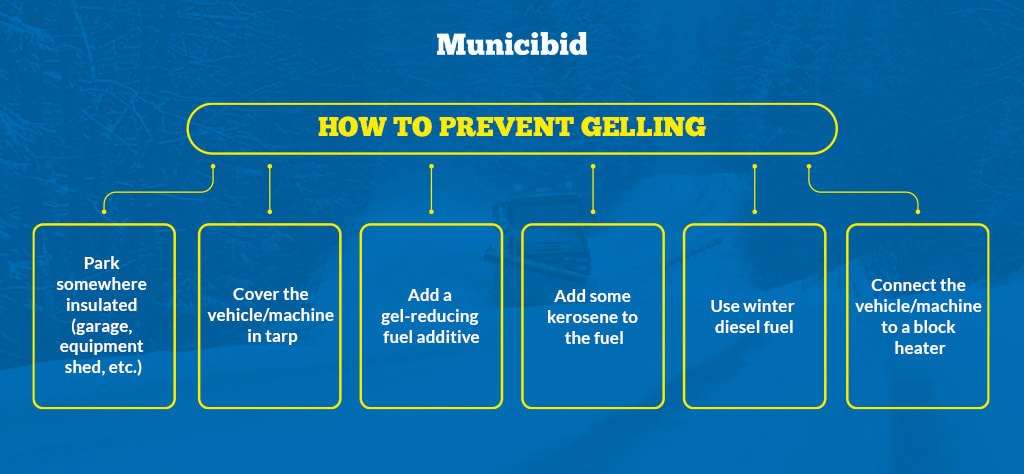
Effective preventing fuel gelling involves a combination of proper fuel management and the use of specialized products. Key methods to prevent diesel fuel gel include:
-
Use winter blend diesel that is designed to have a lower gel point and better cold flow properties.
-
Keep the fuel tank as full as possible to reduce condensation and temperature fluctuations inside the tank.
-
Use diesel fuel additives or anti-gel treatments early in the season, before the temperature drops below the fuel’s cloud or gel point.
-
Store diesel vehicles in heated garages or use fuel line heaters to maintain fuel temperature.
-
Routinely replace or clean fuel filters before winter to ensure clean and unobstructed fuel flow.
By combining these steps, you can dramatically reduce the risk of fuel gels and maintain reliable diesel operation even when temperatures plunge.
What Are Fuel Additives and How Do They Help Prevent Diesel Gel?
Fuel additives—commonly called anti-gels—are chemical treatments designed to modify the wax crystals in diesel fuel. These additives work by breaking down wax molecules into smaller, less obstructive pieces or by preventing them from bonding together.
Adding an anti-gel to diesel fuel can lower the gel point and improve the fuel’s flow properties at low temperatures. This keeps the wax dispersed and stops it from accumulating in fuel filters and lines. Many diesel fuel additives also contain detergents that help keep the system clean and protect the fuel pump from wear caused by gelled fuel.
Using the right additive at the first sign of cold weather—and following the manufacturer’s dosing instructions—is one of the most effective ways to help prevent diesel fuel gelling and ensure dependable winter starts.
How Important Is Using Winter Blend Diesel in Cold Temperatures?
Using winter diesel or winter blend diesel dramatically lowers the risk of cold-weather gelling. This type of fuel is specially formulated to contain less wax or to have a blend of hydrocarbons that remain liquid at lower temperatures.
Winter diesel typically has a much lower gel point compared to traditional summer diesel, meaning it resists gelling even when the temperature drops well below freezing. Many suppliers offer blends tailored for varying cold climates, ensuring the diesel fuel used matches the expected temperature range.
Switching to winter blend diesel before the onset of cold weather is one of the best ways to protect your fuel and maintain smooth diesel starts without relying solely on additives or equipment.
What Should You Do If Your Diesel Fuel Has Already Gelled?
If you encounter gelled diesel fuel, acting quickly can minimize engine damage and get your vehicle back on the road. Some common steps include:
-
Move the diesel vehicle into a warmer area, such as a heated garage, to allow the fuel to slowly thaw.
-
Use a diesel winter rescue additive, which can break down wax crystals allowing the fuel to flow again.
-
Replace fuel filters if they are clogged or damaged by gelled fuel.
-
Avoid attempting to start the diesel engine repeatedly if you know the fuel is gelled, as this can damage the fuel pump or injectors.
-
In severe cases, drain and replace the fuel with fresh winter-grade diesel and treat with anti-gel additives.
Proper diagnosis and timely treatment are key to ungel diesel fuel without costly downtime.
How Can You Protect Your Diesel Vehicle’s Fuel System Against Gelling?
Protecting the entire fuel system from the effects of cold weather requires a comprehensive approach:
-
Use quality, cold-weather diesel blends and maintain a clean fuel supply.
-
Install fuel heaters or heated fuel lines if operating in extremely cold environments.
-
Regularly inspect and replace the fuel filter as clogged filters increase the risk of fuel starvation.
-
Keep the fuel tank topped up to reduce moisture build-up and freezing.
-
Use diesel fuel additives proactively, especially as temperatures approach the cloud point and gel point.
-
Schedule maintenance checks before winter months to ensure the diesel vehicle is prepared.
By taking these steps, you can dramatically reduce the chance of fuel gelling occurs during cold spells and keep your diesel equipment running reliably.
FAQs
At what temperature does diesel start to gel?
Diesel typically starts to gel between 10°F and 15°F (-12°C to -9°C), depending on the blend and additives. Ultra-low sulfur diesel can gel at slightly higher temperatures.
Will diesel gel while driving?
Yes, diesel can gel in extremely cold conditions, especially if the fuel system or tank isn’t insulated or treated with anti-gel additives.
Does gelled diesel cause damage?
Gelled diesel itself usually doesn’t cause permanent damage, but it can block fuel lines and filters, preventing the engine from running and potentially straining the fuel pump.
Can diesel gel in summer?
No, diesel rarely gels in summer because temperatures are well above the gelling point. However, extremely cold storage or air conditioning in rare cases may slightly thicken fuel.
Will gelled diesel return to normal?
Yes, warming the fuel above its pour point will return it to normal liquid form. This can be done by moving the vehicle to a warmer area or using a fuel heater.
How to tell if diesel is gelled?
Signs of gelled diesel include engine hesitation, clogged fuel filters, sluggish performance, or waxy fuel appearance in the tank or lines.
Can gelled diesel damage injectors?
Yes, if gelled diesel is forced through injectors, it can cause clogging or uneven spray patterns, leading to poor combustion and engine performance.
How to stop diesel from gelling?
-
Use winterized diesel blends in cold climates.
-
Add anti-gel additives before extreme cold.
-
Keep fuel tanks full to reduce condensation and cold exposure.
-
Insulate or heat fuel lines and tanks when possible.
Key Takeaways: What to Remember About Diesel Fuel Gel
-
Diesel begins to gel typically around 15°F (-9°C), but this varies with fuel type and additives.
-
Gelling occurs due to paraffin wax crystallization that clogs fuel filters and lines.
-
The cloud point is the first sign of wax formation; the gel point is when flow is impeded.
-
Using winter blend diesel and fuel additives can significantly lower the risk of gelling.
-
Signs of gelled diesel include engine stalling, difficult cold starts, and clogged fuel filters.
-
If diesel has gelled, slowly thaw the fuel and use diesel winter rescue products to restore flow.
-
Proper fuel system upkeep, including clean filters and fuel heaters, helps prevent gelling.
-
Maintaining a full fuel tank reduces condensation and freezing risks inside the tank.
-
Adding anti-gel to diesel fuel proactively before cold snaps is critical to preventing problems.
-
Being prepared and understanding the science of diesel fuel gel ensures your diesel vehicle stays reliable in cold weather.
Understanding at what temperature does diesel gel and knowing how to prevent it helps protect your investment and keeps your diesel engine ready to perform, no matter how low the temperature drops.
Conclusion