Jan 01, 1970
0 years old
What interrogation technique does Dallas Police use? It is a question often asked by those curious about law enforcement methods and how confessions are obtained. In Dallas, police officers employ a combination of structured interrogation strategies designed to gather accurate information while adhering to legal and ethical guidelines.
These methods include both accusatory approaches like the Reid Technique and non-coercive strategies such as the PEACE model, depending on the situation and the suspect involved.
Understanding these techniques helps the public gain insight into police practices and the balance between effective investigation and protecting individuals’ rights.
In recent years, Dallas police departments have recognized the need to adapt interrogation techniques to reduce the risk of coercion and false confessions. Although the Reid Technique remains a foundational tool, Dallas law enforcement agencies have incorporated more non-coercive and rapport-based tactics into their investigative approach.
Modern police interrogation in Dallas aims to balance eliciting truthful confessions with protecting suspects’ rights, adhering to ethical interrogative standards, and limiting the inadmissible use of coercion. This evolution also reflects lessons learned internationally and from high-profile cases where overly aggressive tactics led to wrongful convictions.
Dallas police now often consult with polygraph experts and use advanced investigative interview and interrogation methods that utilize scientific evidence to guide their questioning rather than relying solely on psychological pressure.
Building rapport is a critical non-coercive tactic used in Dallas police interrogations. Investigators understand that positive communication and establishing a connection can increase suspects’ willingness to share truthful information voluntarily.
A police interrogator taking time to build rapport may initiate conversations about neutral topics or express empathy to relax a suspect before systematically addressing the criminal investigation.
Using rapport to make the suspect feel respected and heard can create an environment conducive to honest dialogue, decreasing the likelihood that suspects will refuse to answer or become hostile.
In Dallas, this approach is seen as a way to elicit confessions that are reliable and voluntarily given, reducing the chances of later challenges in criminal defense due to coercion claims.
Deception, while controversial, remains a part of many police interrogation techniques, including those used in Dallas. Law enforcement officers might employ deceptive tactics such as presenting false evidence or exaggerating the strength of the case to elicit confessions or weaken a suspect’s resolve to maintain innocence.
This tactic is controversial because it walks a fine line between effective police work and coercion. In Dallas, deception is used within legal boundaries and is subject to oversight to ensure suspects’ rights are not violated.
The use of deception is generally more limited than in past decades, reflecting changes influenced by the broader criminal justice system’s push for more ethical interrogation methods.
Police officers in Dallas are trained to avoid deception techniques that might lead to coerced or false confessions, which could jeopardize convictions and lead to exonerations.

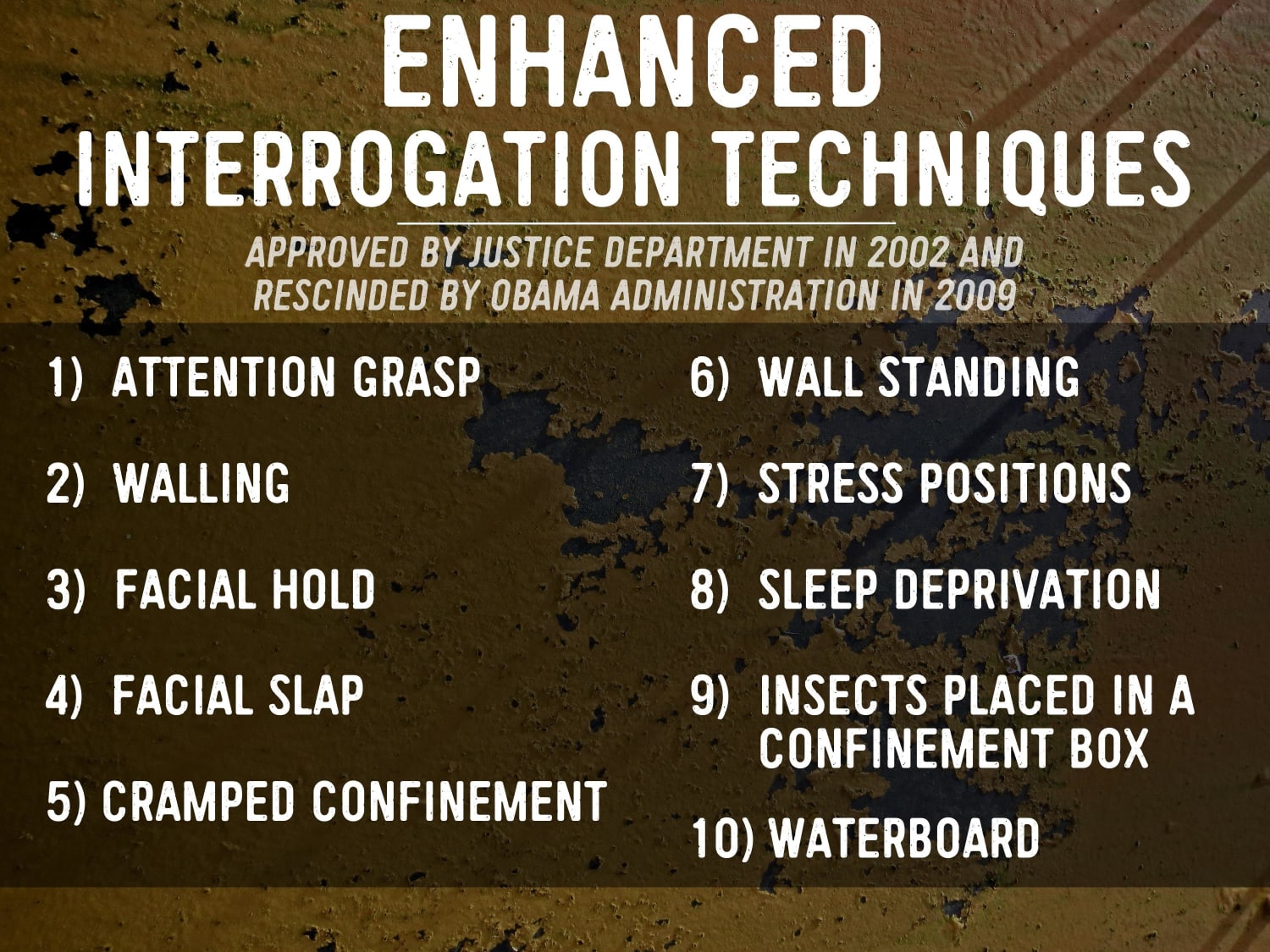
Coercive interrogation tactics, such as threats, physical harm, or prolonged isolation, have a deeply problematic history within the U.S. criminal justice system, including infamous cases like the abuses at Abu Ghraib or use of torture techniques in the war on terror.
Dallas police officially prohibit such tactics, adhering to constitutional protections like the right to remain silent and prohibiting inhumane treatment. Though accusations of coercion surface occasionally, Dallas’s police departments make continuous efforts to prevent coercive interrogation.
When coercion is alleged, it often leads to a consultation with a Texas criminal defense lawyer and potential legal challenges to the admissibility of any confession obtained. The shift away from coercion towards evidence-based and rapport-building tactics marks a significant cultural and procedural change in Dallas police interrogation today.
Interrogations in Dallas operate within the U.S. legal framework that safeguards suspects’ rights. Key legal provisions include the Miranda warning, which informs suspects of their right to remain silent and to have legal counsel.
Police officers must ensure suspects understand these rights to avoid confessions becoming inadmissible in court. Texas criminal defense lawyers often challenge interrogation tactics that verge on coercion or violate procedural rules.
The Dallas police must also follow state regulations impacting detainee interrogation to prevent unlawful tactics that could result in suppression of evidence or dismissal of charges. Additionally, use of polygraphs or other investigative methods is closely regulated to protect suspects from being pressured unfairly.
The Dallas criminal defense community actively monitors and responds to the interrogation tactics used by police. Defense attorneys often scrutinize the interrogation process for signs of coercion, deception, or violation of suspects’ constitutional rights.
When warranted, they advocate for the suppression of coerced or inadmissible confessions that could unjustly convict an innocent man or woman. Texas criminal defense lawyers specializing in Dallas criminal defense collaborate with investigators, sometimes consulting experts familiar with interrogation psychology and polygraph examinations, to challenge questionable confessions.
Their involvement encourages police departments to uphold higher standards and adapt non-coercive interrogation techniques to withstand legal scrutiny.
Looking ahead, the future of interrogation techniques in Dallas is likely to reflect broader criminal justice reforms focusing on transparency, fairness, and scientific rigor.
Advances in investigative technology, including digital recording and behavioral analysis tools, will further guide interrogators in eliciting reliable confessions without crossing ethical lines.
Dallas police departments may continue to minimize the use of psychologically coercive tactics, favoring approaches that build rapport and use evidence-based interrogation methods.
Ongoing training, combined with consultation from experts and feedback from the Dallas criminal defense community, will shape interrogation practices that respect suspects’ rights while enhancing the efficacy of law enforcement investigations.
What method of interrogation is used by police?
Police often use structured methods like the Reid Technique (accusatory) or PEACE model (non-coercive) to obtain confessions and gather information during investigations.
What is focused deterrence Dallas police?
Focused deterrence is a policing strategy used in Dallas and other cities to target high-risk offenders with a mix of law enforcement and community-based interventions, aiming to prevent violent crime.
Does the Reid Technique work?
The Reid Technique can elicit confessions, but it has been criticized for increasing the risk of false confessions, especially among vulnerable individuals like juveniles.
What is the best interrogation technique?
The best technique depends on context; many experts favor the PEACE model, which emphasizes rapport-building, open-ended questions, and evidence evaluation, reducing the risk of false confessions.
What is the John Reid method?
The John Reid Method refers to the Reid Technique, developed by John E. Reid, which is an accusatory approach designed to encourage suspects to admit guilt through psychological tactics.
Why do people falsely confess?
False confessions occur due to coercion, stress, fear of harsher punishment, exhaustion, or mental vulnerability, often exacerbated by aggressive interrogation tactics.
What is the PEACE model vs. Reid technique?
The PEACE model is non-coercive, using planning, open-ended questions, and active listening. The Reid Technique is accusatory, focused on detecting deception and eliciting confessions, often using psychological pressure.
What is the pause technique in interrogation?
The pause technique involves strategically remaining silent after a suspect speaks, encouraging them to provide more information or elaborate, leveraging natural discomfort with silence.
The Reid Technique remains a foundational interrogation method used by Dallas police in 2025, featuring a structured nine-step approach.
Dallas police have evolved their interrogation techniques to include more non-coercive tactics, emphasizing respect for suspects’ rights and ethical standards.
Effective Dallas interrogation tactics used include isolating suspects, strategic questioning, and rapport building, while explicitly avoiding coercion or torture.
Dallas investigators use deception selectively and legally, avoiding coercive tactics that lead to false confessions.
Legal safeguards such as the Miranda warning and consultation with Texas criminal defense lawyers protect suspects during police interrogations.
The Dallas criminal defense community plays a pivotal role in challenging questionable confessions and promoting ethical interrogation practices.
Future interrogation techniques in Dallas will likely focus on transparency, scientific validation, and continued improvement in tactics to elicit truthful and voluntary confessions.
By understanding these dynamics, readers gain valuable insight into the ongoing balance Dallas police maintain between effective law enforcement and protecting individual rights within the interrogation process.
In conclusion, the Dallas Police Department primarily employs a mix of structured interrogation techniques, combining elements of the Reid Technique and evidence-based strategies like focused deterrence for serious offenses.
While the Reid Technique emphasizes psychological tactics and an accusatory approach to elicit confessions, Dallas law enforcement also integrates modern best practices that prioritize rapport-building, investigative planning, and community-focused strategies to ensure accuracy and reliability.
Understanding the methods used helps contextualize police interactions during investigations and highlights the balance between effective law enforcement and protecting individual rights during interrogations.

Macron wife age difference is approximately 24 years, with Brigitte...

Fortune Justin Bieber: Justin Bieber’s fortune is estimated to exceed...