What Does the Colour Blue Mean on a Mood Ring? The color blue on a mood ring means calmness, relaxation, and inner peace. It often reflects a balanced emotional state where the body is at ease and the mind feels steady.
Light blue usually signals serenity, friendliness, and open communication, while dark blue suggests deeper emotions such as affection, love, or reflective calm. Many people see blue as a reassuring color, indicating emotional stability and trust.
Since mood rings respond to body temperature, blue shades generally appear when you are neither stressed nor overheated, but instead at a comfortable, relaxed state. In short, the blue colour on a mood ring signifies harmony, emotional control, and a sense of security, making it one of the most positive readings.
What Is a Mood Ring and How Does It Work?
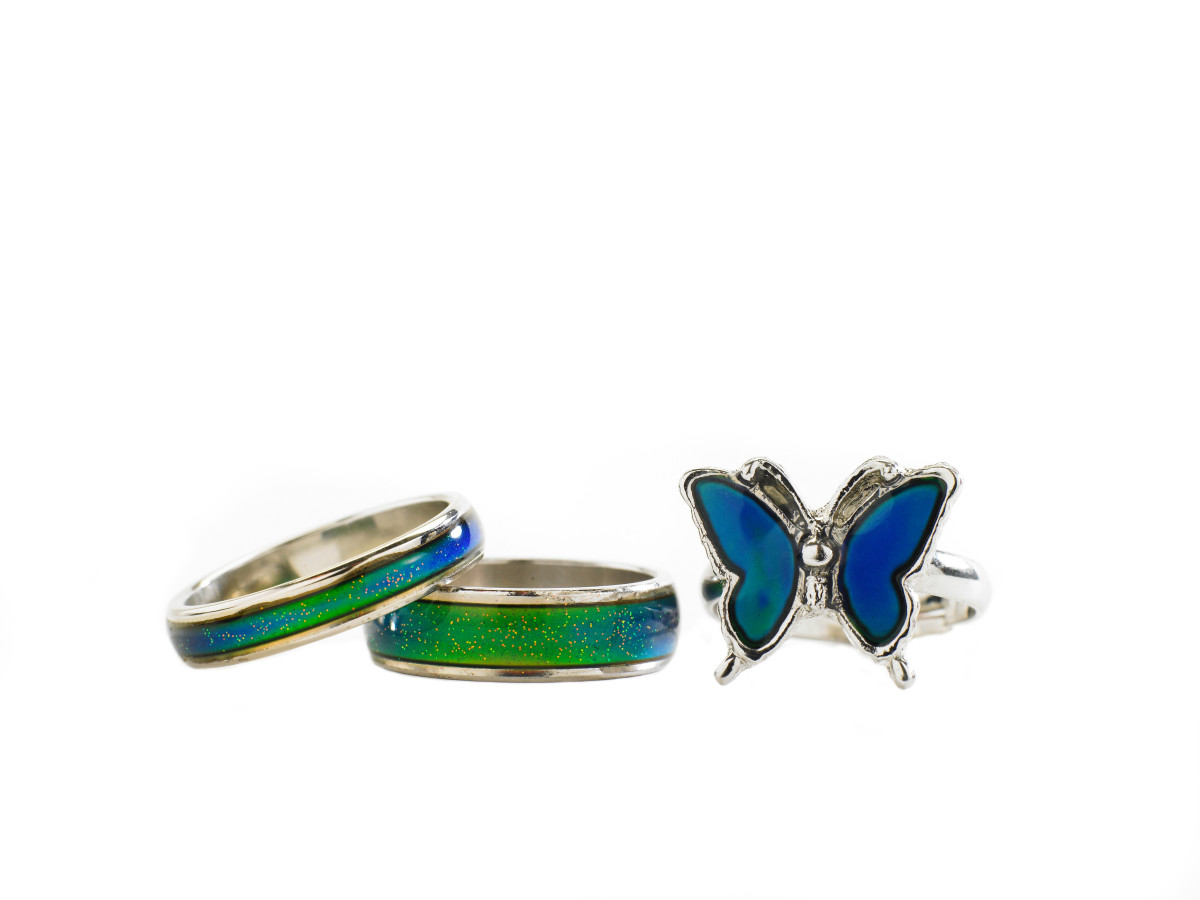
A mood ring is a type of mood jewelry invented by Josh Reynolds and Maris Ambats, two New York inventors, in the 1970s. The ring contains a thermochromic element—typically liquid crystals within the ring—that react to body temperature fluctuations by changing color based on temperature.
This color change can reflect variations in the wearer’s body temperature, which is often linked to their emotional state. When someone feels calm or relaxed, their peripheral body temperature might rise, causing the mood ring to change color accordingly.
Because the wearer’s mood can influence their physiological state, the ring’s color in response to temperature offers a visual cue to their emotions.
What Is the Science Behind Mood Ring Color Changes?
The science behind mood ring technology hinges on the thermochromic properties of liquid crystals. These crystals respond to minute changes in temperature by twisting and untwisting their molecular structure, which alters the way they reflect light. This produces the various hues seen on the ring.
Mood rings are sensitive to temperature changes between 31°C and 37°C (approximately 88°F to 99°F), ranges that correlate closely with typical human skin temperatures.
Because emotional changes can influence body temperature, the mood ring color reflects these subtle shifts. The colors on a mood ring come from these temperature-induced shifts in the liquid crystals, rather than directly from the emotion itself.
Why Does a Mood Ring Change Color?
Your body’s temperature change affects the ring’s color. When blood flow increases due to excitement or stress, peripheral temperatures rise or fall, causing the mood ring to change color. This creates a dynamic spectrum of hues on the color spectrum of the ring.
Hence, colors and meanings on a mood ring can vary widely depending on how calm, tense, or emotionally balanced the wearer is. This is why some days your ring may change color from green to blue, or even to purple, reflecting different emotional states or even external temperature influences.
What Does the Colour Blue Mean on a Mood Ring?
A blue mood ring often symbolizes calmness and emotional balance. The blue mean on a mood revels in tranquility and relaxation, signaling that the wearer is in a peaceful state. This blue color is typically linked with feelings of serenity, openness, and trust.
In the mood ring color chart, blue is a common mood ring color that suggests the wearer is feeling happy or content but in a subdued, peaceful way.
A light blue mood ring can indicate an even greater level of relaxation or calm, while dark blue often points to deeper, more reflective states of mind. The blue mean on a mood thus serves as a soothing signal for those who wear it.

What Are the Different Shades of Blue on a Mood Ring and Their Meanings?
The blue on a mood ring can appear in different shades, each with unique significance in the mood ring color meanings:
-
Light Blue: This hue often represents relaxation, a lighthearted and serene mood. The wearer may feel calm and at ease, physically and emotionally. As your mood ring changes color, a shift to light blue means your body temperature is on the milder side, reflecting comfort and contentment.
-
Dark Blue/Deep Blue: This shade can indicate a more serious, introspective emotion and a state of calm focus. Sometimes, it suggests the wearer is experiencing emotional balance but in a more reserved or thoughtful way. The deep blue hue also symbolizes trust and loyalty when viewed through the lens of traditional color psychology tied to emotional states.
-
Blue-Green Shades: These hues overlap with green—the sign of vitality and growth—but retain the calmness of blue. This shows the wearer is relaxed but also open and energetic.
The blue mood ring meaning encompasses a spectrum of calm emotions—making it one of the most positive and reassuring colors on a mood ring.
How Accurate Is the Blue Mood Ring Meaning in Reflecting Your Mood?
While the mood ring mean gives a charming and sometimes insightful view into the wearer’s emotional landscape, it’s important to understand that the accuracy of mood rings is limited.
The ring responds to external and internal temperature changes, which can stem from various factors beyond mood—including environment, health, and physical activity.
The science behind mood ring assures us that color changes are primarily temperature-driven, not direct mood-readers. Thus, a blue mood ring meaning should be seen as a suggestive cue rather than a definitive statement about the wearer’s emotional state.
Can Wearing a Blue Mood Ring Impact Your Emotional State?
Interestingly, the color blue is often associated with calmness in color psychology. Wearing a blue mood ring itself may foster feelings of tranquility and reduce stress for some people, enhancing the wearer’s peacefulness by association.
The mood ring can also serve as a personal reminder to stay calm and balanced. This suggests that beyond indicating mood, the blue mood ring might subtly influence the wearer’s emotional state through visual and symbolic effects.
How Does Blue Compare to Other Colors on a Mood Ring?
On the mood ring color chart, blue is often contrasted with other common colors like:
-
Green Mood Ring: Symbolizes energetic and balanced feelings, often linked to vitality.
-
Purple Mood Ring: Associated with creativity, spiritual insight, or heightened sensitivity.
-
Black Mood Ring: Indicates low body temperature or stress—often interpreted as emotional detachment or uncertainty.
-
Yellow Mood Ring: Reflects happiness, optimism, or nervousness.
Compared to these, the blue shades are mostly positive, regarded as symbols of calmness and emotional balance rather than heightened excitement or stress.
What Does It Mean When a Mood Ring Turns Black or Other Unusual Colors?
A black mood ring usually means the body temperature has dropped below the reaction range of the ring’s crystals, or the wearer could be experiencing emotional withdrawal or stress. This color can suggest uncertainty or a guarded emotional state.
Other rarer colors like white or gray may represent indifference or confusion. These colors are generally seen as less desirable compared to the blue mean on a mood, which tends to reflect more positive emotional states.
How to Use a Mood Ring Color Chart to Interpret Your Mood!
To get the most from your mood ring, consulting a mood ring color chart is essential. Understanding the colors on a mood ring and their mean on a mood ring helps you connect your ring’s color change with your current emotional and physiological state.
Keep in mind that every wearer’s body reacts differently, so using the mood ring guide as a flexible tool for insight is best. Enjoy the journey as your ring shifts through the color spectrum, revealing a nuanced palette of feelings and reactions.
What does purple mean on a mood ring?
The purple color on a mood ring is one of the most intriguing and symbolic shades, often linked to a mix of calmness, creativity, and deeper emotional awareness. Unlike more straightforward colors such as blue or green, purple carries layered meanings that touch on both emotional and spiritual aspects.
Emotional Meaning
When a mood ring turns purple, it typically reflects a state of romance, passion, or strong affection. It suggests the wearer may be experiencing deep love, intimacy, or an emotional connection with someone important.
In lighter shades, purple can signify cheerfulness, optimism, and sensitivity, while darker shades lean toward passion, desire, or strong emotional intensity.
Mental and Spiritual Connection
Purple is also widely associated with creativity, imagination, and inspiration. Artists, writers, and thinkers often embrace this color as symbolic of new ideas and inner vision.
On a spiritual level, purple may reflect balance between the mind and heart, indicating that the wearer feels centered and aware. It can also suggest curiosity or a search for meaning.
Physical and Environmental Influence
Since mood rings work by responding to changes in body temperature, purple often appears when the wearer is in a comfortable and engaged state—neither too stressed nor too relaxed. Warm surroundings or positive interactions can help produce this color.

FAQs
What does blue mean for a mood ring?
Blue generally signifies a calm, relaxed, and peaceful state of mind. It reflects tranquility, emotional stability, and often introspection. Specific shades—like light blue—suggest serene contentment, while deeper blues lean toward emotional depth and introspective calm.
Why is my mood ring always dark blue?
If your mood ring frequently shows dark blue, it’s likely indicating that you’re experiencing deep relaxation, a sense of calm, or even strong affectionate or loving feelings.
What does the pink color mean on a mood ring?
Pink typically represents love, affection, warmth, and happiness. It may reflect emotional sensitivity, caring thoughts toward someone, or feelings of tenderness and curiosity.
Do mood rings actually work?
Mood rings change color based on finger temperature, not emotions directly. Since body temperature can shift with emotional changes, there is an indirect link—but they’re not scientifically proven mood indicators and can be influenced by environment, activity, or physiology.
What color is “sad” on a mood ring?
There’s no universally defined “sad” color on mood rings, but in psychological studies, dark blue or gray can correspond to low mood states or melancholy.
What does dark blue mean?
Dark blue may indicate intense emotional states such as deep love, passion, emotional reflection, or elevated calm. It emphasizes depth and emotional intensity.
How long does a mood ring last?
Typical mood ring lifespan ranges from a couple of years to around five years. Exposure to water, extreme temperatures, or frequent resizing can damage the liquid crystal and shorten its function.
What is purple on a mood ring?
Purple generally suggests a blend of creativity, romance, spiritual awareness, and emotional balance. It may indicate passion, deep affection, inner creativity, or reflective calm, depending on the shade.
Summary: Key Points to Remember About Blue on a Mood Ring
-
Mood rings change color due to liquid crystals reacting to the wearer’s body temperature.
-
The blue color on a mood ring typically symbolizes calmness, tranquility, and emotional balance.
-
Different shades like light blue and dark blue reflect subtle variations in calm or thoughtful moods.
-
The blue mood ring meaning is positive and often associated with peaceful emotional states.
-
Mood rings are temperature-based, so colors reflect physiology more than direct emotions.
-
Wearing a blue mood ring might boost feelings of calm and relaxation thanks to color psychology.
-
Other colors like black or purple have very different meanings—black often signals stress or cold, purple creativity or introspection.
-
Use a mood ring color chart as a fun and informative tool to interpret your ring’s changing hues.
-
Remember, mood rings offer playful insights rather than clinical diagnoses about mood.
-
Ultimately, the world of mood rings is a fascinating blend of science, style, and emotional expression, where the calming blue mean on a mood is one of the most beloved signals.
Embrace your mood ring—the perfect window to your own emotional world, glowing in serene blue and many other striking colors that tell the story of your day.
Conclusion