Jan 01, 1970
0 years old
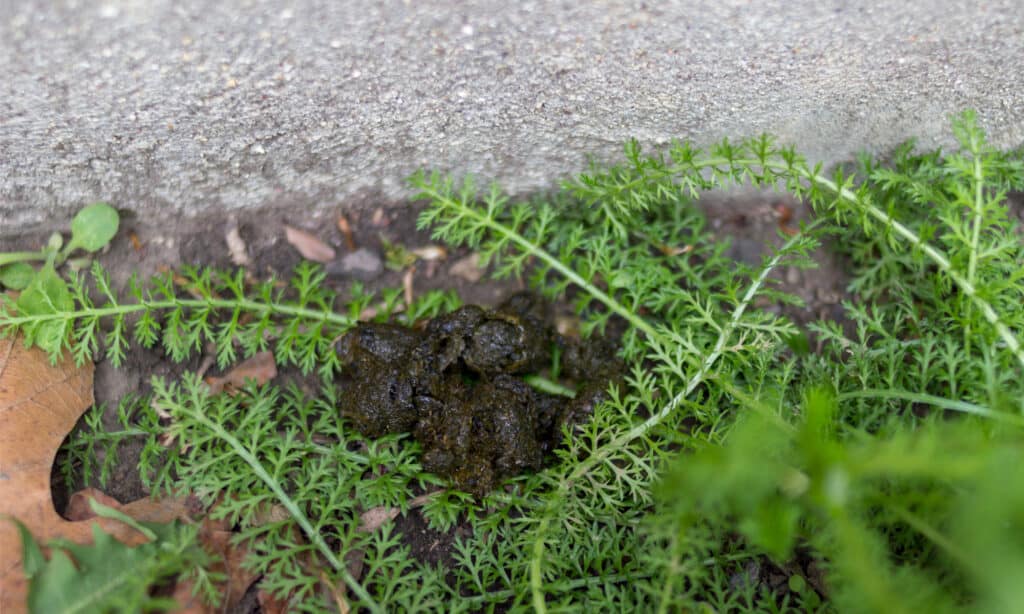
What Does Skunk Poop Look Like? Skunk poop is usually tube-shaped and about 1–2 inches long. It has blunt ends and often contains insect parts, seeds, berries, feathers, or fur, since skunks are omnivores.
The droppings are generally dark brown to black in color and may resemble those of a cat or raccoon, but the presence of insect shells or berry skins is a strong clue that it’s from a skunk.
Fresh skunk droppings are soft, but they harden over time, making the insect fragments or seeds inside more noticeable. Unlike some animals that bury their waste, skunks typically leave their droppings above ground, often along trails, near gardens, or close to their dens.

Skunk poop, also called skunk feces or skunk droppings, is the excrement left behind by skunks, which are nocturnal mammals commonly found in many wildlife habitats and suburban areas. Understanding how to identify skunk poop starts with knowing its general characteristics.
Skunk droppings are usually tubular in shape and approximately 1 to 2 inches long with a diameter of about half an inch to an inch. They often appear dark brown or black and may have blunt ends, which differ from the tapered ends seen in some other animal droppings.
Skunks are omnivores, meaning they consume a wide variety of foods including insects, small animals, fruit, and pet food. This diet can influence the appearance of their droppings, which often contain undigested food particles such as insect exoskeletons, rodent fur, and occasionally larva or grub remains.
Identifying skunk droppings involves noting several distinctive features.
Skunk droppings can often be confused with raccoon droppings or rodent feces, but some differences stand out. Raccoon droppings, for example, tend to be larger and sometimes contain more undigested food like seeds or cat feces, as raccoons are also scavengers.
Raccoon feces can be tubular like skunk scat but usually wetter and more distinct in shape due to their larger size. Rodent droppings, by contrast, are generally much smaller, often only a quarter of an inch long and more pellet-like or oval, not tubular.
Rodent poop usually lacks the characteristics seen in skunk feces, such as the insect exoskeletons or food particles unique to the skunks’ diet. By knowing how to differentiate these droppings, you can more accurately identify skunk presence and avoid confusion with other common pests.
Spotting skunk droppings near your home can signal that a skunk infestation or living area is nearby—perhaps near dens under porches, decks, or sheds. This is important because skunks, while beneficial as insect and rodent control agents, can pose risks if they begin living too close.
Skunks are nocturnal animals, so their droppings might be the best clue to their presence when you don’t see them directly. Identifying skunk droppings helps homeowners and pest control professionals decide when skunk removal or wildlife removal is necessary.
When left unchecked, skunk infestation can cause damage, such as digging in lawns and gardens or spraying their pungent anal gland odor when feeling threatened.
While skunks play an important ecological role, their droppings and presence can carry health dangers. Skunk feces may contain roundworm eggs and bacteria that cause diseases like leptospirosis and salmonella.
These pathogens can be harmful to both humans and pets, especially if the droppings are disturbed during cleanup and pathogens become airborne or spread on surfaces.
Additionally, skunks are known for their defensive spray, a pungent musk that can cause discomfort, nausea, and eye irritation, and the risk of being sprayed increases significantly when encountering skunks unexpectedly.
Proper identification and humane wildlife control measures reduce the likelihood of direct encounters and health risks associated with skunks.
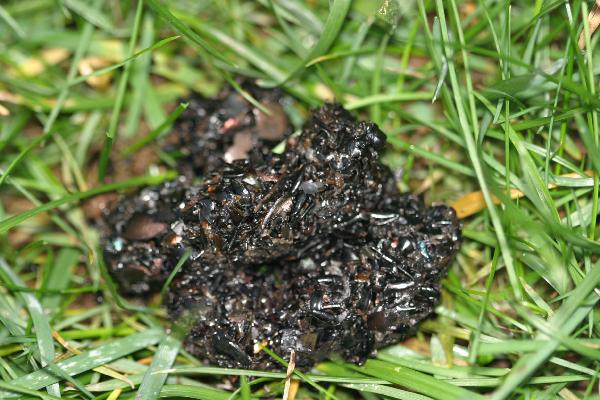
The contents of skunk scat provide many clues to understand their diet and habits. Skunks eat insects, small animals like rodents and lizards, fruits, and occasionally pet food left outside. Because of this varied diet, their feces may contain insect exoskeletons, larva, small bones, and seeds.
This makes skunk droppings distinct from other animal scats that might be more homogenous. For example, undigested insect parts, such as beetle shells or grub pieces, are a characteristic feature often found in skunk feces.
Seeing these in the droppings can help you confirm that the scat is skunk-derived rather than raccoon or rodent. Keeping an eye out for these indicators can be very helpful in wildlife control efforts.
Skunks are fairly consistent in leaving their droppings near their dens or along regular travel routes. Skunk droppings often measure about 1 to 2 inches long, positioned near dens, feeding areas, or resting spots.
Because skunks are mostly nocturnal animals, they tend to deposit feces in locations where they feel safe, including under porches, in sheds, or near dense shrubbery.
The frequency of skunk feces deposits depends on the skunk’s feeding and activity patterns, but skunks may leave droppings multiple times per night, especially during active foraging. Spotting several droppings in one place can indicate a skunk infestation or an area that should be monitored for humane wildlife control.
When you know how to identify skunk droppings, the next step often involves humane skunk removal and effective wildlife control.
Skunks are famous for their strong, pungent spray, which they use as a defense mechanism. However, many people wonder if skunk droppings smell as bad as their spray. The answer is: not exactly, but skunk feces can still have a noticeable odor.
Unlike the spray, which contains sulfur-based chemicals that are extremely potent, skunk poop has a musky, earthy smell that comes from their diet and digestive process. It’s not as overwhelming as a direct spray but can be unpleasant, especially if there are multiple droppings in one area.
The smell of skunk droppings can vary depending on what the skunk has been eating. Skunks are omnivores, feeding on insects, small animals, fruits, and vegetables.
Their droppings often contain seeds, fur, and insect shells, which contribute to a slightly sour or musty odor. While it’s noticeable to humans, it generally won’t fill a room like a sprayed area would.
From a practical standpoint, the odor of skunk poop can alert homeowners to skunk activity in their yard or garden. If you detect a musky smell near your property, combined with tubular droppings containing seeds or insect remains, it’s likely that skunks have been foraging nearby.
Yes, learning how to identify skunk droppings plays a crucial role in preventing a skunk infestation. Early detection of skunk scat near your lawn or home allows you to act quickly with appropriate wildlife control measures.
By spotting droppings early, you can remove attractants and seal possible denning areas before a skunk infestation becomes established.
Understanding skunk behavior, diet, and the appearance of their feces can help homeowners implement humane approaches to wildlife control. Regular monitoring of your property and knowing what to look for in skunk poop help maintain a safe and skunk-free environment.
What do skunk droppings look like?
Skunk droppings are tube-shaped, about 1–2 inches long, often containing insect parts, seeds, or hair.
Does skunk poop smell bad?
Yes, skunk feces has a strong, unpleasant odor, though not as intense as their spray.
Is skunk poop harmful to dogs?
Yes. Skunk droppings can carry parasites, roundworms, and harmful bacteria that may infect dogs.
Do skunks bury their poop?
No, skunks usually leave droppings above ground, often along pathways or near their dens.
How to tell if a skunk is near?
Signs include a musky odor, overturned soil from digging, droppings, or small burrows near structures.
What does rat poop look like?
Rat droppings are smaller (½ inch), dark, pellet-shaped, and usually found in clusters.
Do skunks poop near their den?
Yes, skunks often leave droppings close to their dens or foraging areas.
How do you know if a skunk has been around?
Look for foul odor, droppings, cone-shaped digging holes, or nighttime sightings of the animal.
Skunk poop is tubular, about 1 to 2 inches long, dark brown or black, and often has blunt ends.
Skunk droppings may contain undigested insect exoskeletons, larva, small animal remains, and seeds, reflecting their omnivorous diet.
Skunk feces can be confused with raccoon or rodent droppings but differ in size, shape, and content.
Identifying skunk droppings near your home signals possible skunk living areas and helps with timely wildlife control.
Skunk droppings can carry diseases like salmonella and leptospirosis, posing health risks to humans and pets.
Effective skunk removal involves humane trapping and removing attractants to prevent future infestations.
Safe cleanup of skunk feces requires protective gear and proper disinfecting to avoid infection and odor issues.
Early identification of skunk droppings supports humane wildlife control approaches and prevents skunk infestations.
Knowing how to identify skunk droppings is an essential skill for anyone involved in wildlife control or simply aiming to maintain a healthy, pest-free living space. With this knowledge, you can better protect your family, pets, and property while respecting the important role skunks play in the environment.
Skunk droppings are a clear sign of skunk activity around your property. They are tubular, dark, and commonly filled with seeds, insects, and other food remnants, which makes them identifiable compared to other wildlife feces.
Recognizing skunk poop is important for homeowners, as it not only signals the presence of these animals but also alerts to possible health risks since droppings may carry parasites or harmful bacteria.
If you notice droppings near dens, gardens, or pathways, it likely means skunks are active nearby. Early identification can help you take preventive measures to protect pets, avoid property damage, and discourage further skunk activity in your area.

Macron wife age difference is approximately 24 years, with Brigitte...

Fortune Justin Bieber: Justin Bieber’s fortune is estimated to exceed...