Jan 01, 1970
0 years old
What does purple mean on a mood ring? Purple on a mood ring generally signifies calmness, relaxation, or a neutral emotional state. When your mood ring turns purple, it indicates that your body temperature is relatively stable, reflecting a peaceful or balanced mood.
Mood rings work by responding to changes in skin temperature through liquid crystals, and purple is often associated with a harmonious state of mind, where stress and excitement are minimal. People who notice their ring staying purple for extended periods are typically experiencing steady emotions or a sense of inner calm.
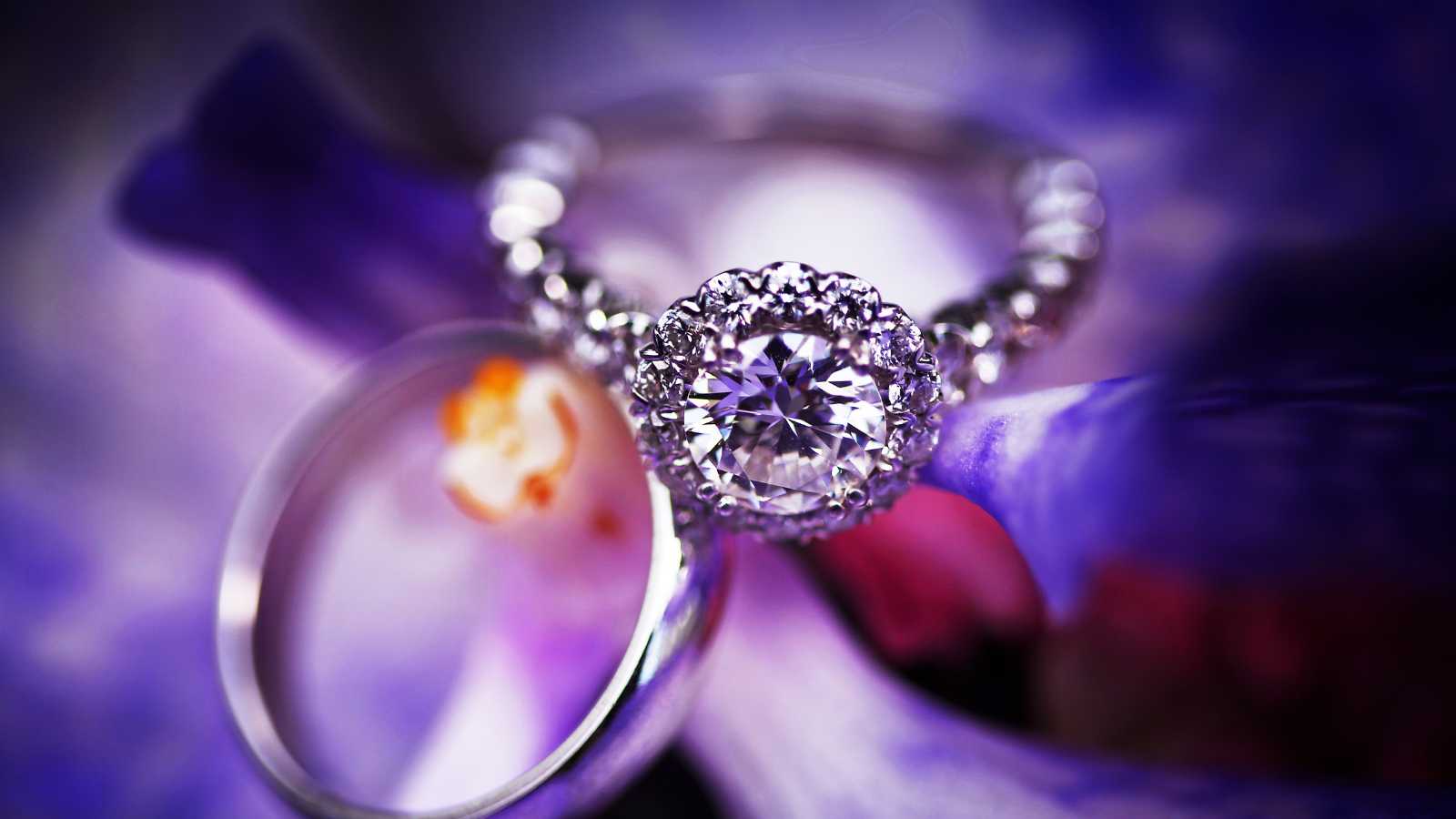
A mood ring is a type of mood jewelry that uses thermochromic liquid crystals to change color in response to temperature changes. The ring’s color reflects variations in the wearer’s skin temperature, which can correlate with shifts in their emotional state.
When wearing a mood ring, its color shifts because of the liquid crystals embedded in the ring which react to temperature by twisting their molecular structure to reflect different wavelengths of light, producing an array of colors.
Mood rings were first introduced in the 1970s and became an instant cultural phenomenon. This innovative ring is typically made with a copper or gold band, topped with a glass stone containing these special liquid crystals.
The mood ring color changes throughout the day as the wearer’s body temperature fluctuates due to environmental factors and their psychological and physiological state.
In essence, the mood ring’s function lies not in directly sensing emotions but in tracking temperature, which may indirectly correspond with emotional variations. Because of this unique interaction, every mood ring offers a personal color journey throughout the day.
Behind mood ring colors lies fascinating thermochromic technology. Thermochromic substances change color based on temperature fluctuations. The liquid crystals in mood rings are a form of thermochromic crystals that alter their molecular arrangement according to temperature changes.
This rearrangement causes the ring to emit different hues visible to the eye. When the temperature changes, the liquid crystals either compress or elongate, which shifts the wavelength of light they reflect.
This physical property results in the mood ring displaying a color spectrum ranging from black and brown through cool colors like blue and green to warm colors like yellow, orange, and red. Purple is somewhat unique—it sits between blue and red on the color spectrum, representing an intermediate temperature range.
This color spectrum is captured in the popular mood ring color chart used by enthusiasts and sellers to interpret what each color means about the wearer’s state. Understanding this science behind mood rings helps clarify why the color purple might indicate certain moods or physiological states.
The color of your mood ring depends largely on your body temperature. When your body temperature rises or falls, it affects the ring’s liquid crystals, causing a change in the ring’s color. For example, a decrease in body temperature typically leads to the ring shifting to cooler colors such as blue or green, which suggests a calm or relaxed mood.
Conversely, when body temperature increases, the ring may change to warmer hues such as yellow or red, often linked with excitement or anxiety. Purple tends to appear at a temperature point between these cooler and warmer shades, reflecting a mood or emotional state that is more complex or nuanced.
Because body temperature can fluctuate for many reasons beyond emotions—including environment, physical activity, and health—the mood ring color should be interpreted with some flexibility. Yet, with practice and attention, you can often observe intriguing correlations between your mood and the color your ring displays.
Purple on a mood ring is often considered mysterious and deep. According to the mood ring color chart, the purple mean generally points to a mixed or thoughtful emotional state. When your mood ring turns purple, it may suggest that you are feeling introspective, imaginative, or even a bit sensitive.
Purple is also a color that represents spirituality, creativity, and depth of feeling according to color psychology. It mixes the calm stability of blue with the passion of red, which means it can suggest a blend of calmness and excitement, or emotional complexity.
A purple mood ring may also indicate a cooler body temperature than red or orange but warmer than blue. If your mood ring turns purple, this might mean your emotional state is nuanced—perhaps you are contemplating something important or feeling a sense of mystery or intrigue. Some suggest a purple mood ring means the wearer is relaxed yet alert, or in a calm but intense mood.
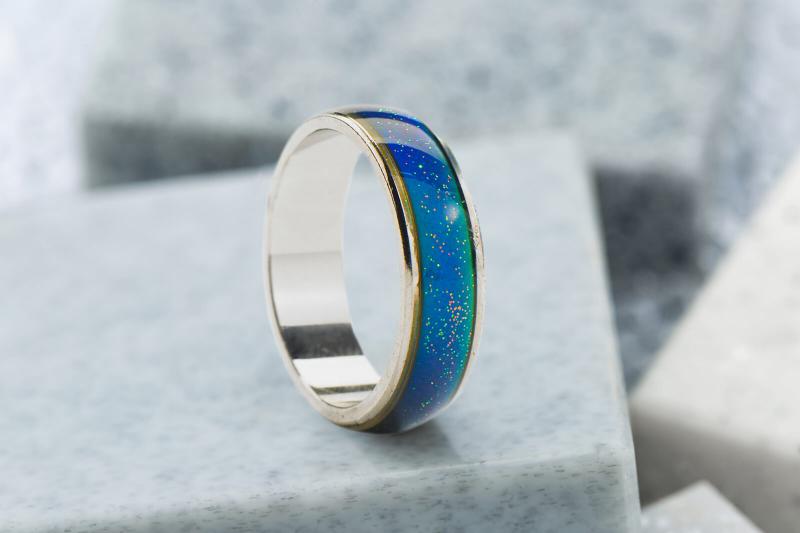
To understand the significance of purple, it’s helpful to compare it to other common colors on mood rings. Blue or green often indicate calm or relaxed feelings, while red or orange are generally linked to excitement or stress.
Purple lies between these on the mood spectrum, which means it might represent balance or inner complexity. For example, a blue mood ring often indicates tranquility, peace, or contentment.
A green mood ring suggests a balanced, neutral, or restful state. Red or yellow colors indicate more energetic or anxious moods. Purple mood ring color mean suggests something more introspective or spiritual than these more straightforward emotional signals.
Compared to black mood rings, which often mean anxiety or stress, purple usually implies a more positive or thoughtful mood. The purple color provides a unique window into moods that aren’t simply “happy” or “sad” but more layered.
Not all purples are created equal. The shade of purple on your mood ring can affect its interpretation according to the mood ring color chart. A lighter shade of purple may suggest a relaxed and calm demeanor combined with subtle emotional depth.
A darker, richer purple might indicate emotional intensity, spiritual reflection, or even slight nervousness. The hue on your mood ring depends on small variations in temperature and possibly even environmental factors like humidity.
Because the liquid crystal in the ring responds to these subtle factors, the exact shade of purple can shift dynamically. When observing your mood ring’s color changes, consider the shade and saturation of purple to better gauge its meaning.
In the realm of color psychology, lighter purple or lavender often equates to tranquility and spiritual awareness, while darker purples may signify ambition or emotional complexity. These gradations allow the mood ring to reflect not just general feelings but subtle details within your emotional state.
Yes. Purple on a mood ring could be signaling specific subtle emotional states. While no mood ring can diagnose emotions with clinical precision, purple often suggests creativity, deep contemplation, or sensitivity. The wearer might be in a thoughtful mood, musing on a problem or feeling particularly empathetic.
Purple on a mood ring may represent a transition state between calm and active emotional states, indicating feelings such as curiosity or mild excitement blended with relaxation. Some users interpret purple to mean their mood is balanced but complex—neither too stressed nor too relaxed.
It’s important to remember the science behind mood ring color changes focuses on temperature, which means emotional states like calmness, anxiety, or excitement correlate only indirectly. Still, noticing purple can encourage self-awareness and introspection about your feelings.
The history of mood rings begins in the 1970s when mood jewelry became widespread, driven by the novelty of liquid crystals that change color. Created by jeweler Josh Reynolds, the first mood rings used thermochromic liquid crystals that react to temperature variations, which were marketed as a way to reveal your emotional state.
Early mood rings came with color charts to interpret the colors and meanings based on temperature-induced hue shifts. Purple, as one of the core colors, was identified as representing a thoughtful or imaginative mood, adding depth beyond typical “happy” or “sad” colors.
Over decades, mood rings have maintained their appeal by blending science, art, and psychology into a fun and interactive experience. Modern mood rings still rely on the same principles, and the color meanings remain consistent with the original charts, including the symbolic meaning behind purple.
The accuracy of mood rings in reflecting your true emotional state is often debated. Since mood rings use body temperature as a proxy for mood, various external factors like room temperature or physical activity can influence the ring’s color regardless of emotions.
While mood rings work with the science of thermochromic liquid crystals, the correlation between color changes and emotional states is not exact or scientific in clinical terms. The mood ring color chart offers general interpretations, but one should not rely on a mood ring as a strict mood detector.
However, mood rings can be a useful tool for increasing emotional awareness. Wearing a mood ring encourages you to observe subtle changes in your body and feelings, making the ring a fun and symbolic reminder to check in with your emotions regularly.
Does a mood ring actually work?
Mood rings don’t literally read your emotions. They respond to temperature changes in your skin, which can vary with blood flow and body heat, so the color changes are more physical than emotional.
What color is angry on a mood ring?
Traditionally, red or dark red indicates anger or intense emotion on a mood ring, as the stone reacts to higher skin temperature caused by agitation.
Why does my mood ring stay purple?
Purple usually indicates a calm, relaxed, or neutral mood. If your ring stays this color, it may reflect a steady skin temperature or the ring not reacting strongly to subtle changes.
Can mood rings get wet?
Mood rings are not waterproof. Exposure to water can damage the liquid crystal or metal setting, so it’s best to remove the ring before washing hands or showering.
What ruins a mood ring?
Mood rings can be ruined by water, harsh chemicals, prolonged sunlight, or physical impact, which can damage the liquid crystal or metal band.
How do you activate a mood ring?
Mood rings don’t require activation. They work naturally when in contact with skin, as the liquid crystal inside reacts to body heat, changing colors accordingly.
What does brown mean on a mood ring?
Brown usually signifies nervousness, tension, or unease. It often appears when the wearer’s skin is cooler than normal or under stress.
A mood ring uses liquid crystals that change color based on body temperature reflecting the wearer’s emotional state indirectly.
The purple mood ring often symbolizes thoughtfulness, creativity, emotional complexity, or spiritual awareness.
Purple sits between warm and cool colors on the mood ring color chart, reflecting an intermediate or mixed emotional state.
Different shades of purple convey subtle differences, from calmness (lighter purple) to deeper intensity (darker purple).
The science behind mood rings involves thermochromic crystals responding to temperature changes, not direct mood detection.
The history of mood rings dates back to the 1970s and established purple as a meaningful color in mood ring interpretations.
The accuracy of mood rings can be affected by external factors, but they remain valuable for self-reflection and emotional awareness.
Use a mood ring as a mindfulness tool and observe patterns between color changes and your feelings.
Next time your mood ring turns purple, remember that this color often means you might be in a calm but introspective mood, blending creativity with emotional depth. Enjoy the world of mood rings and their beautiful colors and meanings!
In conclusion, purple on a mood ring typically represents calmness, relaxation, or a balanced emotional state. It is often associated with peace of mind and contentment, suggesting that the wearer is feeling stable and comfortable.
However, it’s important to remember that mood rings don’t measure emotions directly—the color change results from skin temperature variations affecting the liquid crystal inside the ring. While purple can indicate a relaxed mood, factors such as room temperature, physical activity, and body heat can also influence the color.
Ultimately, purple is seen as one of the more positive and peaceful shades on a mood ring’s spectrum, symbolizing harmony and emotional equilibrium.
Macron wife age difference is approximately 24 years, with Brigitte...

Fortune Justin Bieber: Justin Bieber’s fortune is estimated to exceed...