Jan 01, 1970
0 years old
What does possum poop look like? Possum droppings are typically dark, tubular, and tapered at one end, often containing remnants of seeds or fruit depending on their diet. They are larger than rat droppings and may be found in clusters, especially in latrine areas where possums consistently deposit feces.
Recognizing possum poop is important for homeowners and gardeners, as it can indicate the presence of these nocturnal animals in your yard or attic.
While possum droppings are not inherently poisonous, they can carry bacteria, parasites, and other pathogens that pose health risks. Knowing how to identify possum poop helps in taking appropriate measures for safety, cleanup, and wildlife management.
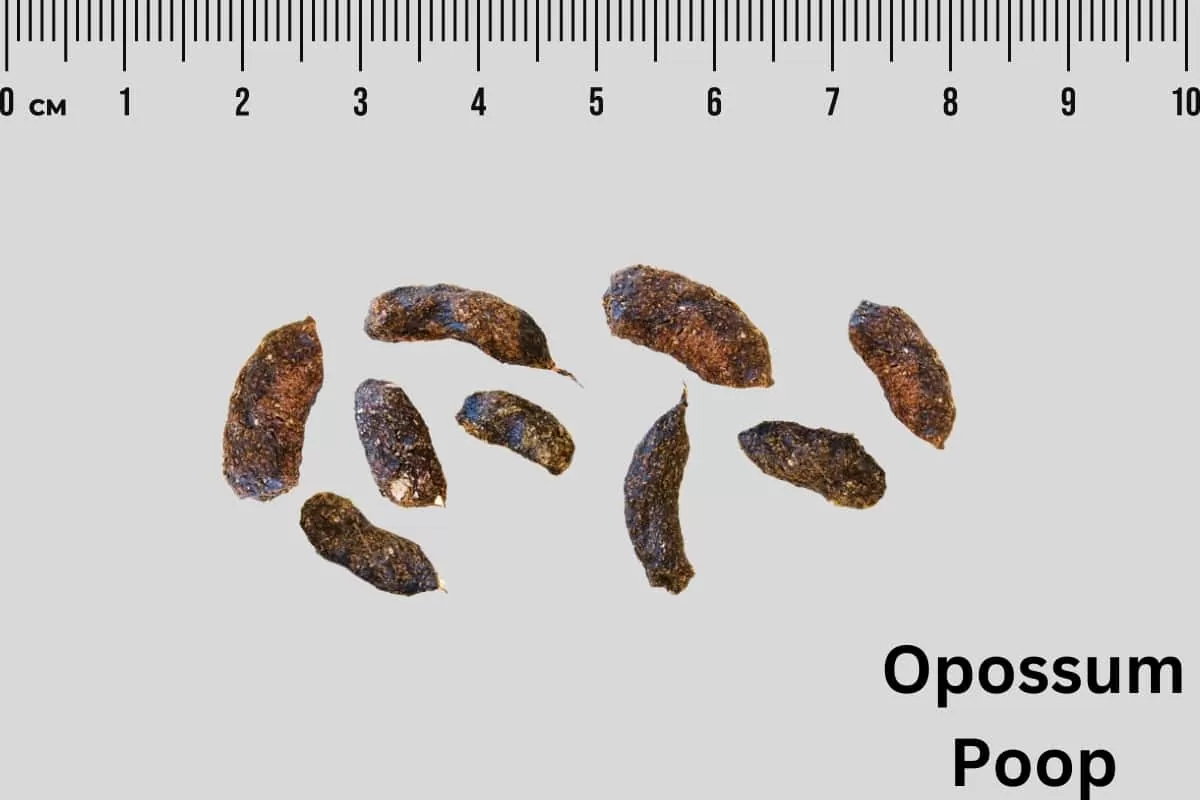
Opossum poop is generally small, cylindrical, and dark brown to black in color. The droppings are often about 1 to 2 inches long and can sometimes taper at the ends, making them easy to distinguish from other animal feces.
The poop is usually found in clusters or scattered throughout areas where possums are active. One characteristic feature of opossum droppings is the presence of seeds or small bone fragments inside.
This happens because opossums are opportunistic omnivores—they eat a variety of foods such as fruit, insects, small animals, and sometimes human food waste. Identifying opossum poop partly depends on this unique mix in their feces.
It’s common for people to confuse opossum scat with droppings from raccoons, rats, or even dogs. However, possum poop is typically smaller and more cylindrical than raccoon feces, which are often larger and segmented.
Unlike rat poop, which is usually shiny and blackish, possum droppings have a duller appearance with visible undigested matter.
Unlike dog poop which can vary widely in shape and size but tends to be softer, opossum feces have more of a consistent cylindrical shape and may have bits of seeds or bones. Additionally, opossum droppings lack the white or yellowish coating sometimes seen on bird droppings.
Possums are common nocturnal wildlife in many areas, often attracted to gardens, sheds, and homes. While these creatures are generally harmless, their feces can pose health risks to humans. Understanding why possum poop can be dangerous and how to handle it safely is important for homeowners and anyone dealing with wildlife.
Possum feces can carry bacteria, parasites, and pathogens that may cause illnesses in humans. Some of the potential health risks include:
Salmonella: Causes digestive issues such as diarrhea, fever, and cramps.
Leptospirosis: A bacterial infection that can lead to kidney damage, liver failure, and flu-like symptoms.
Parasites: Roundworms, protozoa, and other parasites may be present in droppings.
The danger is not from the poop itself, but from the microorganisms it can harbor. Direct contact or inhaling dust contaminated by dried feces increases the risk of infection.
Possum droppings are generally dark, tubular, and tapered at one end, sometimes containing seeds or plant matter. They are larger than rat droppings and often found in latrine areas, where possums repeatedly defecate. Proper identification is key to taking appropriate safety measures.
If you need to remove possum feces, follow these safety tips:
Wear protective gear: Gloves, a mask, and long sleeves to prevent direct contact.
Disinfect the area: Use a bleach solution or commercial disinfectant.
Avoid stirring dust: Wet the droppings before cleaning to prevent inhalation of pathogens.
Proper disposal: Seal feces in a plastic bag and discard safely.
Regularly cleaning areas where possums are active can reduce health risks and prevent infestations.
Identifying opossum poop is a practical way to determine whether you have a possum infestation on your property. Since possums are nocturnal critters, spotting the animals themselves may be difficult, but their scat serves as evidence of their presence.
Knowing that you have possums helps decide if you need pest control measures or possum removal. Possums sometimes cause damage by rummaging through trash cans or nesting in attics. Early signs of opossum droppings can alert you to an emerging problem before it gets out of hand.
Opossum droppings often appear near food sources or places where these marsupials rest. For instance, you might find them near trash cans, compost piles, or fruit trees where possums forage. They also tend to leave droppings in quiet, sheltered spots like under decks, attics, or crawl spaces.
Because possums mark their territory with feces and urine to communicate with other possums, droppings are typically left in strategic spots. If you notice scat in your attic or around your home’s foundation, it could be a clear sign of possum activity.
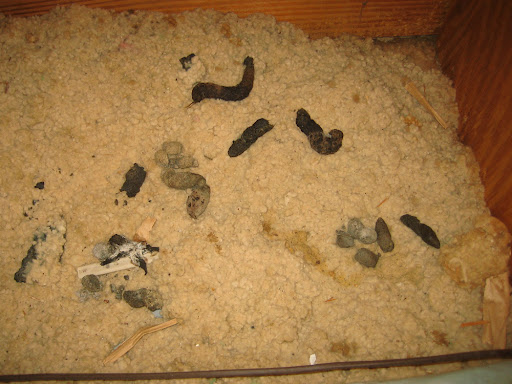
Opossum feces are usually small—about 1 to 2 inches in length—and cylindrical in shape. The form is firm but not as hard or pellet-like as rodent droppings. The droppings tend to taper at the ends or appear blunt, and are rarely segmented into several pieces.
The size and shape are important identification features because they help distinguish possum poop from rat or raccoon droppings. For example, rat droppings are smaller and more rod-shaped, while raccoon droppings are larger and chunkier.
Opossum poop frequently contains seeds from fruits, small bits of bones, insect shells, or plant matter. Since opossums are omnivorous, their diet can include a wide variety of foods depending on what is available.
The presence of recognizable undigested material helps identify opossum feces compared to other animal droppings. For example, rat poop rarely has seed fragments, and dog poop may not clearly show such contents unless the dog recently ate fruit.
Yes. There are health risks associated with opossum feces. Possum droppings and urine can carry bacteria such as Leptospira (which causes leptospirosis) and Salmonella. Leptospirosis is a bacterial infection that can cause serious illness in humans and pets.
It is important to avoid direct contact with opossum feces or contaminated soil. Always use gloves and a mask when cleaning areas suspected to contain possum droppings. Properly clean and disinfect the area to reduce risks of bacterial infection.
Because of the health risks like salmonella and leptospirosis, handle opossum droppings with caution. Wear disposable gloves, a mask, and avoid stirring up dust while cleaning. Spray the droppings with a disinfectant or a bleach solution to soak them and kill harmful bacteria before picking them up.
Always seal the fecal matter in a plastic bag before disposal. Afterward, clean the area thoroughly and wash your hands even if you wore gloves. Never touch feces by hand without protection, and be especially careful around children or pets.
If you have confirmed possum droppings and want to prevent problems, pest control and possum removal options include:
Securing garbage cans with lids to reduce food access
Removing fallen fruit and other food sources from your yard
Sealing entrances to attics, crawl spaces, or sheds where possums might nest
Using humane traps for live capture and relocation (always check local regulations)
Consulting professional wildlife control for larger infestations
Effective possum removal helps reduce possum damage and lower health risks associated with opossum feces. Early identification through poop look-alike signs can save you time and money.

Is possum poop toxic?
Possum poop is not inherently toxic, but it can carry bacteria, parasites, and pathogens that may pose health risks to humans.
How to tell the difference between rat and possum poo?
Possum droppings are larger, often segmented, and tapered at one end, while rat droppings are smaller, smooth, and rod-shaped.
Do possums poop in one spot?
Yes, possums often create a latrine area where they consistently deposit feces.
Do possums poop when scared?
Yes, possums may defecate when frightened or threatened as a defense mechanism.
Can humans get sick from possums?
Yes, humans can contract diseases such as leptospirosis, salmonella, or parasitic infections from contact with possum feces.
How do you identify possum poop?
Possum poop is dark, tubular, tapered at one end, and sometimes contains seeds from their diet of fruits and plants.
Is possum poop a parasite?
Possum feces can contain parasites like roundworms or protozoa, but the poop itself is not a parasite.
How to remove possum poop?
Wear gloves and a mask, use disinfectant, and carefully remove the feces. Dispose of it safely and clean the area thoroughly to avoid contamination.
Opossum poop is typically small, cylindrical, and dark brown to black in color, measuring about 1 to 2 inches long.
Possum droppings often contain seeds, bone fragments, or undigested food due to their omnivorous diet.
Distinguishing possum scat from raccoon, rat, or dog feces is essential for accurate animal identification.
Opossum poop can pose health risks like leptospirosis and salmonella; always use protective gear when cleaning.
Finding opossum droppings near food sources or entry points to your home often indicates a possum infestation.
Safely cleaning and disinfecting areas with possum droppings helps prevent bacterial infections.
Proper pest control and possum removal techniques minimize property damage and health hazards.
Early detection of opossum poop is a key way to identify opossum presence and manage potential problems effectively.
By becoming familiar with the appearance and implications of opossum droppings, you can better protect your home and health while coexisting with local wildlife.
In conclusion, possum poop is typically dark, tubular, and tapered at one end, often containing seeds or plant material from their diet.
Recognizing the appearance of possum droppings is important for homeowners, gardeners, and anyone dealing with wildlife, as it helps distinguish possum feces from that of rats, raccoons, or other animals.
While possum poop is not inherently toxic, it can carry bacteria and parasites that pose health risks, so proper precautions should be taken when cleaning.
Identifying and safely removing possum feces ensures both personal safety and proper hygiene. Understanding what possum poop looks like also helps in monitoring wildlife activity and addressing potential pest issues effectively.

Macron wife age difference is approximately 24 years, with Brigitte...

Fortune Justin Bieber: Justin Bieber’s fortune is estimated to exceed...