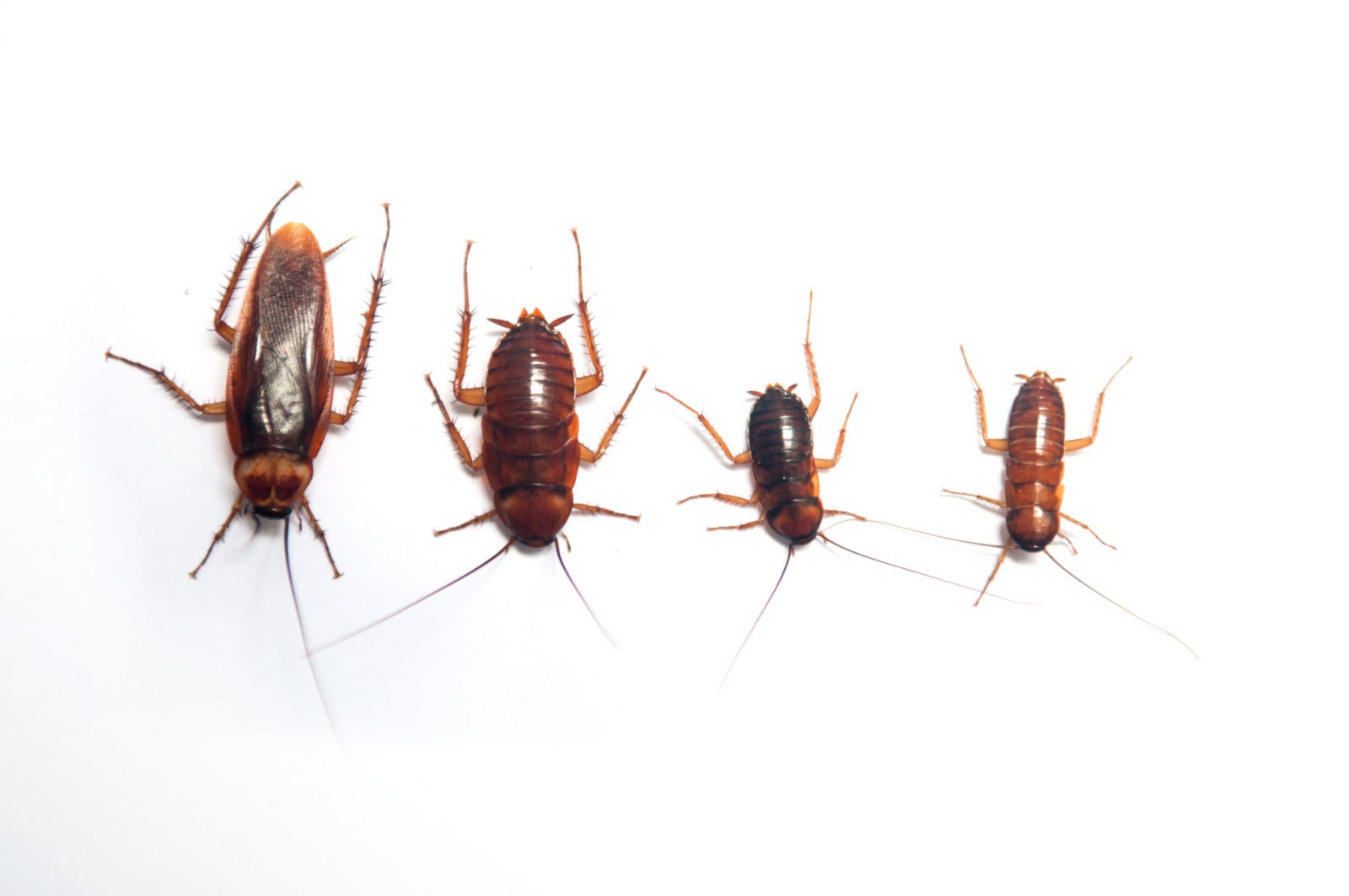
What does a baby cockroach look like? A baby cockroach, also called a nymph, is much smaller than an adult, usually measuring just 1/8 to 1/4 inch long. They have an oval, flat body shape, long antennae, and move quickly when disturbed.
Right after hatching, baby roaches appear whitish in color, but they darken to light brown or reddish-brown as they grow. Unlike adults, they don’t have fully developed wings, making them easier to distinguish.
Spotting baby cockroaches is often a clear sign of an infestation, since they only hatch where adult roaches are nesting. Knowing what a baby cockroach looks like can help you take quick action before the infestation spreads and becomes more difficult to manage.

What Are Baby Cockroaches? Understanding Cockroach Nymphs
Baby cockroaches are commonly called cockroach nymphs. These are immature versions of adult roaches, which hatch from eggs and gradually grow in size through several molting stages. Unlike adult roaches, baby cockroaches typically lack fully developed wings, and their coloration is often lighter or more translucent.
Cockroach nymphs are smaller but share many characteristics with their adult counterparts—they have six spiny legs, long antennae, and segmented bodies. Identifying baby cockroaches helps confirm if a cockroach infestation is present, as spotting even one baby roach can indicate a breeding population nearby.
How Do Baby Cockroaches Look Compared to Adult Roaches?
Baby cockroaches generally look like miniature versions of adult roaches but without wings or with only underdeveloped wings.
Their bodies tend to be more rounded, and their color ranges from pale cream to light brown or black depending on the cockroach species. As baby cockroaches grow, they begin to look more and more like adult roaches.
For example, baby german cockroaches start out translucent white and darken with age, while baby american cockroaches are typically larger and reddish-brown even as nymphs. The size of a baby cockroach ranges from just a few millimeters up to about half an inch.
How to Identify a Baby Cockroach in Your Home?
- Identifying baby cockroaches in your home requires close observation of their physical features and behavior.
- Baby cockroaches have six spiny legs and long antennae, which they use to sense their environment.
- They tend to stay close to food and water sources like kitchens and bathrooms or areas like basements and crawl spaces.
- Look for tiny, fast-moving insects with a segmented body similar to an adult roach but smaller.
- Baby cockroaches usually lack wings but have small wing pads, depending on their development stage.
- Spotting a cockroach nymph near food debris, grease, or damp areas can indicate infestation.
- Use a flashlight to inspect dark corners after turning off the lights, as baby roaches tend to avoid light.
What Do Baby German Cockroaches Look Like?
Baby german cockroaches are some of the most common baby roaches found indoors. When they hatch, they are white or translucent and turn darker as they molt. German cockroach nymphs have a flattened oval shape and long antennae, but no wings until adulthood.
They are generally smaller than other species’ nymphs and tend to cluster near food and water sources. Identifying a baby german roach involves noting their shiny brown color with two dark stripes on the pronotum in adults, a feature that develops as the nymph grows.
What Are Baby American Cockroaches and How Do They Appear?
Baby american cockroaches are generally larger than german cockroaches even as nymphs. Their color ranges from reddish-brown to a dark brown shade. Unlike baby german cockroaches, baby american cockroaches have wing pads present during late nymph stages but no fully developed wings.
American cockroaches are typically found in areas like basements, crawl spaces, and near food and water sources. Their nymphs are more robust and slightly hairy in appearance compared to other species. Recognizing baby american cockroaches helps target control methods suitable for larger and hardier roach species.
How to Spot Baby Oriental Cockroaches?
Baby oriental cockroaches or their nymphs are usually shiny black or dark brown, with a rounder body shape than other cockroach nymphs. They tend to be slower moving and prefer damp environments like basements and drains.
Baby oriental cockroach nymphs do not have wings at any stage, but their bodies have a glossy appearance that helps differentiate them from other species. They often hide in moist areas and can be mistaken for other insects without careful inspection.
How Do Baby Roaches Hatch and Develop?
Baby cockroaches hatch from eggs laid in egg cases called oothecae. Each ootheca can contain dozens of baby roaches, which emerge as tiny nymphs and start feeding immediately. Newly hatched baby cockroaches are pale and soft-bodied, making them vulnerable until their first molt.
Cockroach nymphs go through several growth stages, shedding their exoskeletons in a process called molting. With each molt, baby cockroaches grow larger and darker, eventually developing wing pads and other adult features. Knowing the growth cycle helps in applying effective pest control methods at the right time.
Are Baby Cockroaches Dangerous? What Risks Do They Pose?
Baby cockroaches may seem harmless due to their small size, but they can pose many health risks. Like adult roaches, baby roaches can carry bacteria, allergens, and pathogens that contaminate food and surfaces, potentially triggering asthma and allergic reactions.
Because cockroaches are prolific breeders, seeing a few baby roaches often means a larger infestation is present or developing. Effective pest control is important to prevent disease spread and property damage caused by increasing numbers of roaches.
How to Tell the Difference Between Baby Cockroaches and Bed Bugs?
Baby cockroaches are sometimes mistaken for other pests like bed bugs due to similar size at immature stages. However, bed bugs have a more oval, flattened shape and lack long antennae or spiny legs. Baby cockroaches have segmented bodies, long antennae, and are generally faster-moving.
The color difference is also noticeable—baby cockroaches range from pale white to brown or black, while bed bugs are reddish-brown at all stages. Knowing these distinctions can prevent confusion and ensure correct pest treatment.
What Are Effective Pest Control Methods Against Baby Cockroaches?
Controlling baby cockroaches involves a combination of sanitation, exclusion, and chemical treatments. Cleaning food crumbs, storing food properly, and eliminating water sources reduce attractants for roaches. Seal cracks and crevices where baby cockroaches can hide.
Products like boric acid or diatomaceous earth are effective against cockroach nymphs, as these substances damage their exoskeleton upon contact. Professional pest control services can also identify species of cockroaches and recommend targeted treatments to eliminate both baby and adult cockroaches.
How to get rid of baby cockroaches?
Identify and Confirm the Infestation
- Baby cockroaches, also called nymphs, are usually small, fast, and brown or tan in color.
- Spotting them is a strong sign of an active infestation since they only hatch where adult cockroaches are nesting.
- If you see baby roaches in kitchens, bathrooms, or around food and water sources, it means egg cases are nearby.
Eliminate Food and Water Sources
Cockroaches thrive in environments with easy access to food crumbs, grease, or standing water. To get rid of them, start by thoroughly cleaning your home.
Wipe down counters, sweep floors, vacuum regularly, and store food in airtight containers. Don’t forget to take out the trash frequently and fix leaky pipes or faucets that provide water for roaches.
Use Roach Baits and Traps
Gel baits are among the most effective solutions for killing both baby and adult roaches. Place them near common hiding spots such as under sinks, behind appliances, and along baseboards.
As roaches consume the bait and return to their nest, the poison spreads to others, gradually reducing the infestation. Sticky traps can also help monitor activity and reduce their numbers.
Apply Natural and Chemical Solutions
For a more natural approach, sprinkle boric acid or diatomaceous earth in thin layers around infested areas. These powders damage the roaches’ exoskeletons and kill them over time. Commercial insecticidal sprays and dusts are also effective but should be used carefully, especially in homes with children or pets.
Seal Entry Points and Hiding Spots
Prevent roaches from spreading by sealing cracks, gaps around pipes, and crevices where they hide. Use caulk or weather stripping to close off entry points. Keeping clutter to a minimum also eliminates hiding spots, making your home less hospitable for roaches.
When to Call Pest Control
If baby cockroaches keep reappearing despite your efforts, it may indicate a severe infestation. In such cases, professional pest control services can provide stronger treatments and long-term solutions to eliminate nests and prevent future outbreaks.
What does a baby cockroach look like in the house?
Size and Shape
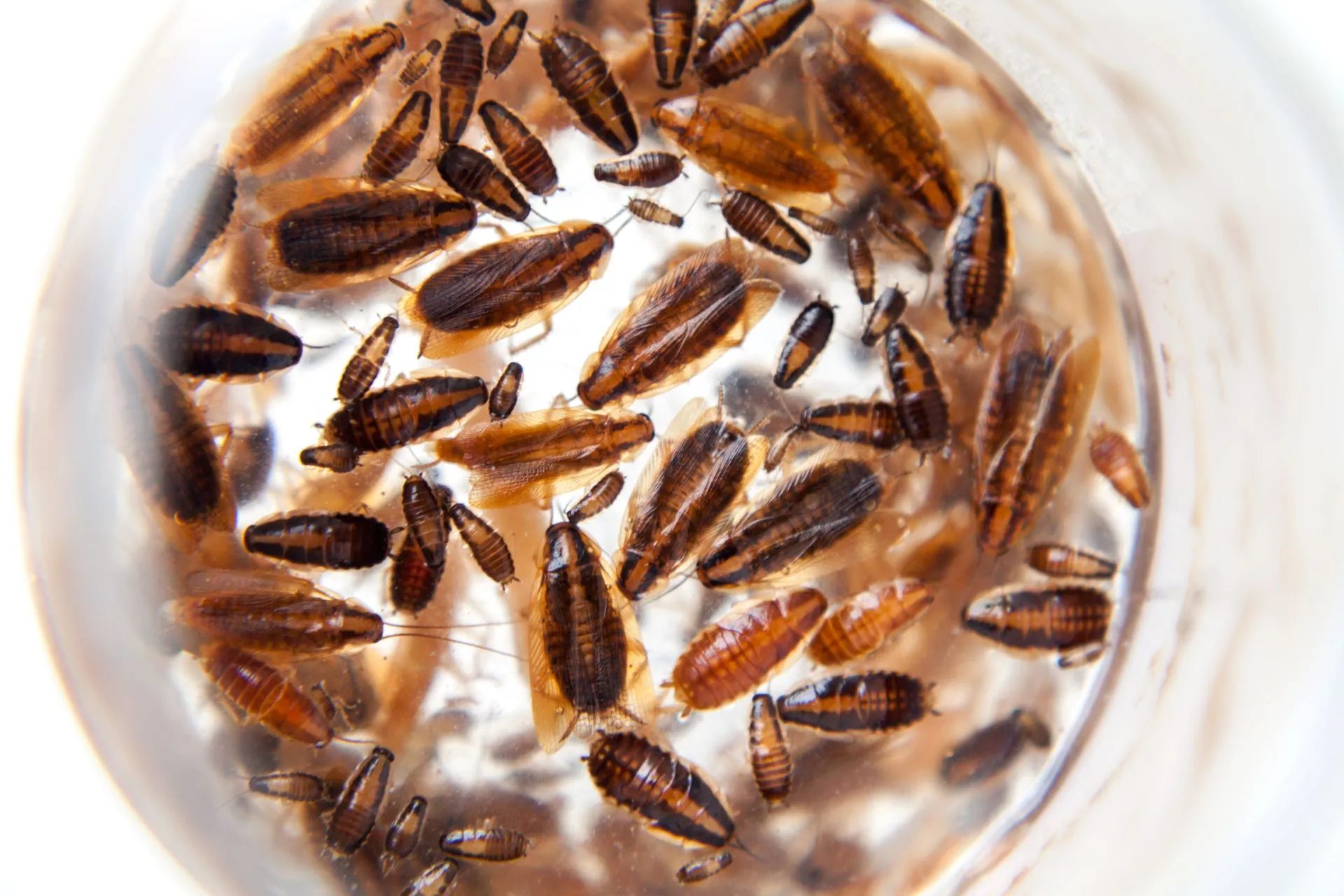
Baby cockroaches, also known as nymphs, are typically very small—ranging from 1/8 to 1/4 inch long. They have an oval-shaped body similar to adults but lack fully developed wings. Their small size makes them quick and difficult to spot, especially in cluttered or dark areas.
Color and Appearance
When they first hatch, baby cockroaches are pale white or gray, but within a few hours, their exoskeleton hardens and turns brown or reddish-brown.
Unlike adult roaches, baby roaches do not have wings, so they rely entirely on crawling to move around. Over time, they shed their skin multiple times, becoming larger and darker with each stage.
Where They Hide Indoors?
Inside the house, baby cockroaches are usually found in warm, moist, and dark areas. Common hiding spots include under sinks, behind kitchen appliances, inside cabinets, near drains, or in bathroom corners. They are most active at night, so spotting them during the day often suggests a larger infestation.
Why Identifying Baby Roaches Matters?
Seeing a baby cockroach indoors is not just a minor issue—it’s a warning sign. Since nymphs only appear where adults are nesting and laying eggs, their presence almost always indicates an active and growing infestation. Early identification allows homeowners to take action before the population multiplies.
FAQs
How to know if it’s a baby cockroach?
Baby cockroaches (nymphs) are small, oval-shaped, fast-moving, and usually white right after hatching, then dark brown as they grow.
What can be mistaken for a baby roach?
Termite nymphs, bed bug nymphs, carpet beetles, and beetle larvae are often confused with baby roaches.
Why am I seeing tiny baby roaches?
Seeing baby roaches means there’s an active infestation nearby—they only hatch where adult roaches live and breed.
How to get rid of baby cockroaches?
Use gel baits, insecticidal dusts, or traps, and eliminate food, water, and clutter to disrupt their survival.
How can I get rid of small cockroaches?
Combine professional-grade roach baits with thorough cleaning, sealing cracks, and fixing leaks to cut off entry and hiding spots.
How bad is seeing a baby cockroach?
Very bad—it indicates a nest is nearby, and where there’s one baby, dozens more are likely hidden.
How to get rid of roaches fast?
Apply gel baits, boric acid, or diatomaceous earth, and consider calling pest control for a rapid, large-scale infestation.
Where do cockroaches lay babies?
Cockroaches don’t lay babies directly—they lay egg cases (oothecae) in dark, hidden areas like cracks, under appliances, or inside cabinets.
Summary: Key Points to Remember
-
Baby cockroaches, or cockroach nymphs, are smaller, wingless versions of adult roaches that go through molting stages to mature.
-
They are commonly found near food and water sources in kitchens, bathrooms, basements, and crawl spaces.
-
Baby german, american, and oriental cockroaches have distinct sizes, shapes, and colors that help in accurate identification.
-
Baby cockroaches carry health risks similar to adults, including spreading bacteria and allergens.
-
They can be confused with pests like bed bugs, but key physical differences exist such as antennae and body shape.
-
Early identification of baby cockroaches helps prevent larger infestations and facilitates more effective pest control.
-
Use proper sanitation, seal entry points, and apply insecticides like boric acid for best results in controlling baby roaches.
-
Professional pest control can assist in identifying species and eradicating entire cockroach populations.
Recognizing exactly what baby cockroaches look like and where they hide is the first step to keeping your home roach-free and healthy.
Conclusion
A baby cockroach, also known as a nymph, looks like a smaller version of an adult roach but without fully developed wings. They typically hatch white or pale gray before turning dark brown or reddish as they harden and grow.
Unlike adults, baby roaches move very quickly, hide in cracks, and are usually spotted in kitchens, bathrooms, or other dark, moist areas where food and water are available. Identifying them early is important because their presence almost always signals an infestation and nearby egg cases.
If you notice tiny, fast-moving insects resembling baby cockroaches, it’s best to act quickly with cleaning, sealing entry points, and using baits or calling pest control to prevent the problem from worsening.