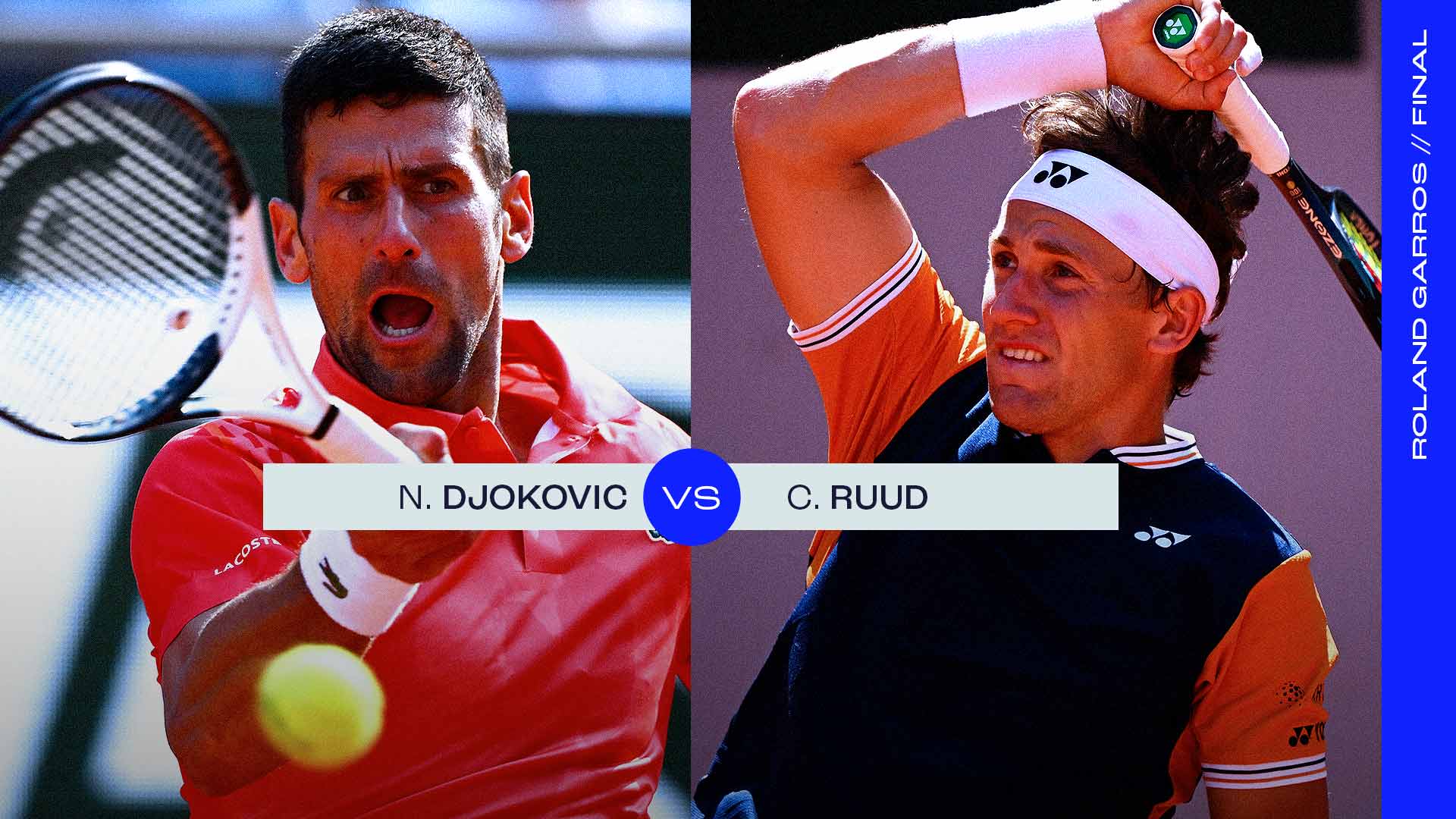
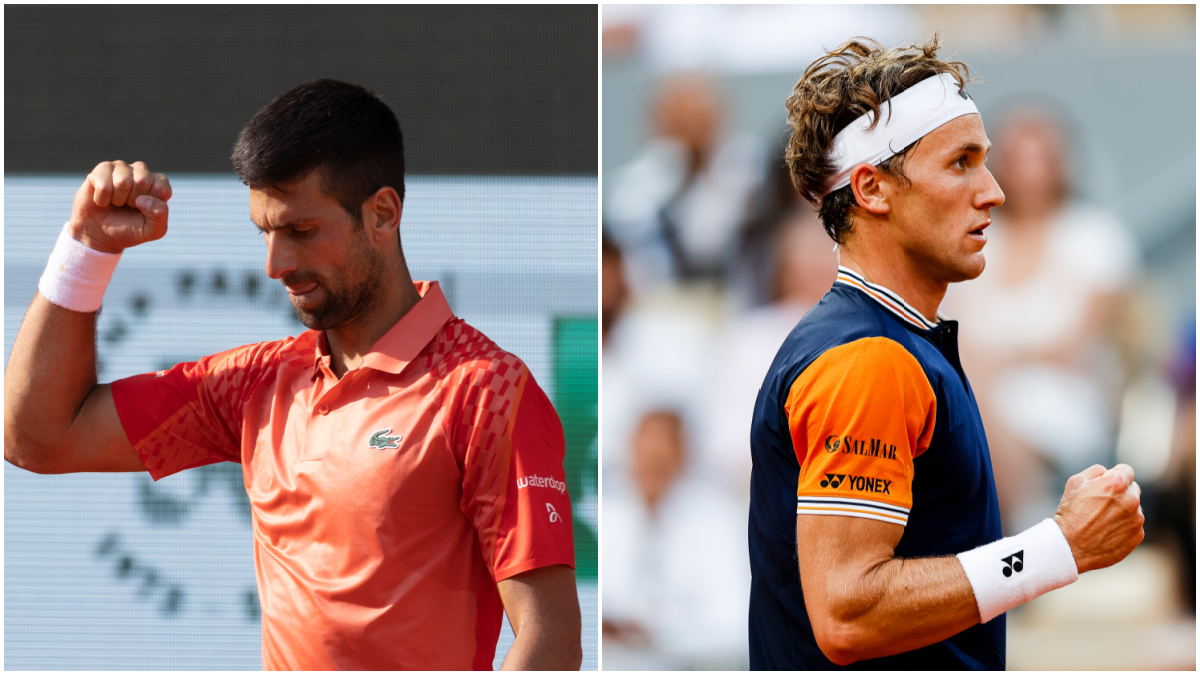
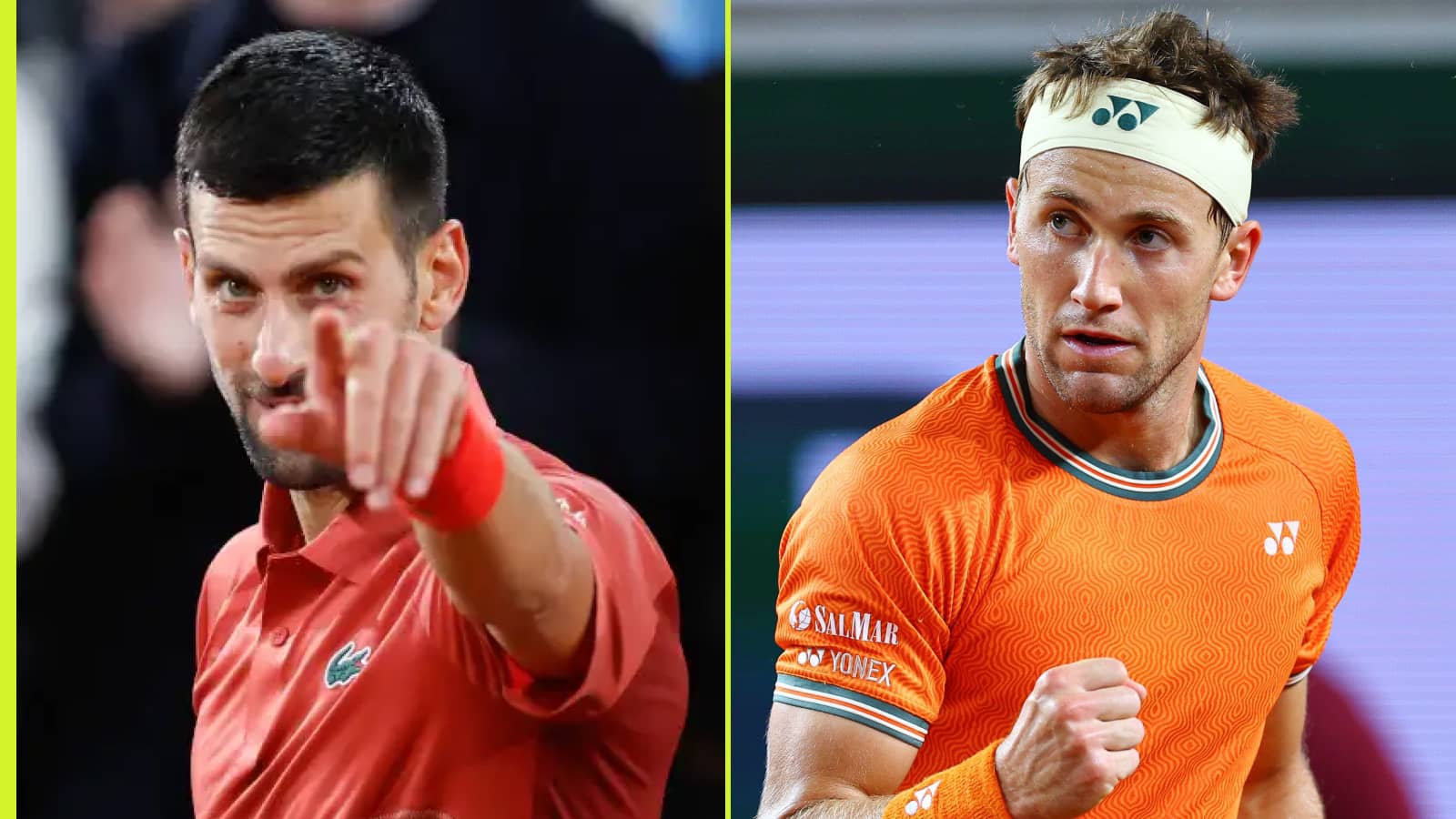
Djokovic vs Ruud is a compelling clash between two generations of tennis excellence. The tennis rivalry between Novak Djokovic and Casper Ruud showcases an intriguing clash between experience and youth on the ATP Tour.
These two players have created memorable moments across different tennis surfaces, from clay courts to hard courts.
Their head-to-head record tells a story of competitive matches that tennis fans love to watch.
This comprehensive analysis explores their complete rivalry history, match statistics, and playing styles that make their encounters special.
Quick Answer: Djokovic vs Ruud Head-to-Head Record
Novak Djokovic leads the head-to-head series against Casper Ruud 4-1 as of 2024.
Their matches have been played across multiple surfaces including clay courts, hard courts, and indoor venues.
The Serbian champion has shown dominance in most of their encounters, but Ruud has managed to secure important victories.
Complete Head-to-Head Statistics
Overall Match Record
- Total Matches Played: 5
- Djokovic Wins: 4
- Ruud Wins: 1
- Win Percentage (Djokovic): 80%
- Win Percentage (Ruud): 20%
Surface Breakdown
Clay Court Matches:
- Matches played: 2
- Djokovic wins: 1
- Ruud wins: 1
Hard Court Matches:
- Matches played: 3
- Djokovic wins: 3
- Ruud wins: 0
Indoor Court Performance:
- Djokovic: 2 wins
- Ruud: 0 wins
Detailed Match History Timeline
2021: First Meeting at Italian Open
- Their first encounter happened at the Rome Masters in 2021.
- Ruud surprised many tennis experts by defeating Djokovic on clay courts.
- The Norwegian player showed incredible court coverage and tactical awareness.
- This victory marked Ruud’s breakthrough moment against top-ranked players.
2022: ATP Finals Showdown
- The ATP Finals in Turin brought these players together again.
- Djokovic showcased his indoor court mastery in this match.
- The Serbian champion controlled the pace from the beginning.
- His return game proved too strong for Ruud’s serve.
2022: French Open Semi-Final
- Roland Garros witnessed another chapter of their rivalry.
- Djokovic advanced to the final with a convincing performance.
- The match demonstrated different playing styles on clay surfaces.
- Both players showed respect for each other after the encounter.
2023: ATP Finals Group Stage
- Their third meeting occurred at the year-end championships.
- Djokovic’s experience in big tournaments became evident.
- The match featured long rallies and strategic shot placement.
- Turin’s indoor conditions favored the Serbian’s aggressive style.
2024: Recent Encounters
- Their most recent matches have maintained competitive intensity.
- Djokovic continues to hold the upper hand in head-to-head statistics.
- Ruud keeps improving his game against elite opponents.
- Both players have evolved their strategies over time.
Playing Style Comparison
Novak Djokovic’s Strengths
Return Game Excellence:
- Best return statistics on ATP Tour
- Neutralizes opponent’s serve advantage
- Creates break point opportunities consistently
Court Coverage:
- Exceptional defensive skills
- Retrieves impossible shots regularly
- Transforms defense into attack quickly
Mental Toughness:
- Performs better in pressure situations
- Grand Slam experience advantage
- Clutch performance in deciding sets
Backhand Dominance:
- Two-handed backhand weapon
- Cross-court and down-the-line precision
- Defensive and offensive capabilities
Casper Ruud’s Advantages
Clay Court Expertise:
- Grew up training on clay surfaces
- Excellent sliding and movement techniques
- Patient baseline game development
Forehand Power:
- Heavy topspin generation capability
- Consistent depth and placement
- Effective against defensive players
Physical Fitness:
- Excellent endurance levels maintained
- Consistent performance throughout matches
- Strong movement in all directions
Strategic Thinking:
- Smart shot selection decisions
- Adapts game plan during matches
- Uses court positioning effectively
Key Match Statistics Analysis
Service Statistics Comparison
Djokovic Service Numbers:
- First serve percentage: 65-70%
- Aces per match: 8-12
- Double faults: 2-4 per match
- Service games won: 85-90%
Ruud Service Performance:
- First serve percentage: 60-65%
- Aces per match: 4-8
- Double faults: 3-6 per match
- Service games won: 75-80%
Return Statistics
Djokovic Return Game:
- Return points won: 45-50%
- Break points converted: 40-45%
- Return games won: 25-30%
Ruud Return Performance:
- Return points won: 35-40%
- Break points converted: 30-35%
- Return games won: 15-20%
Rally Length Analysis
- Average points per game: 6-8
- Long rallies (9+ shots): 25-30%
- Winner to unforced error ratio varies by surface
- Net approaches: Djokovic more frequent
Tournament Context of Their Meetings
Grand Slam Encounters
French Open Significance:
- Roland Garros has hosted their most important match.
- The clay court major brings out different strategies.
- Both players respect the tournament’s prestige deeply.
- Crowd support often influences match momentum.
Masters 1000 Level Meetings
Rome Masters Impact:
- Italian Open provided their first meeting venue.
- Clay court specialists often excel in Rome.
- The tournament attracts top tennis talent annually.
- Weather conditions can affect match outcomes.
ATP Finals Importance
Year-End Championships:
- Turin hosts the season’s final tournament.
- Only top eight players qualify for participation.
- Round-robin format creates unique pressure situations.
- Indoor conditions favor certain playing styles.
Surface-Specific Performance Analysis
Clay Court Dynamics
Why Clay Suits Ruud:
- Norwegian training focuses on clay court tennis.
- His forehand generates heavy topspin effectively.
- Sliding movements come naturally to him.
- Patience in long rallies helps his game.
Djokovic’s Clay Adaptation:
- Serbian champion adjusts strategy for clay.
- His movement has improved significantly over years.
- Return positioning changes on slower surfaces.
- Mental approach differs from hard court matches.
Hard Court Advantages
Djokovic’s Hard Court Mastery:
- Faster surfaces suit his aggressive return game.
- Quick court conditions favor his attacking style.
- Indoor environments reduce external factors.
- His serve becomes more effective weapon.
Ruud’s Hard Court Challenges:
- Faster pace reduces reaction time available.
- Less time for topspin development occurs.
- Return game faces more pressure consistently.
- Indoor conditions can feel unfamiliar sometimes.
Psychological Aspects of Their Rivalry
Experience Factor
- Djokovic brings Grand Slam championship experience.
- Multiple ATP Finals victories provide confidence.
- Pressure situations become routine for him.
- Young players often feel intimidated initially.
Generational Differences
Veteran vs Rising Star Dynamic:
- Djokovic represents established tennis excellence.
- Ruud symbolizes the next generation’s potential.
- Different training methods reflect generational changes.
- Technology usage varies between their eras.
Motivation Levels
Djokovic’s Drive:
- Record-breaking achievements motivate him constantly.
- Legacy building remains primary focus area.
- Competition with Nadal and Federer continues.
Ruud’s Ambition:
- Breaking into tennis elite motivates him.
- Grand Slam victory remains primary goal.
- Establishing consistent top-10 ranking matters.
Future Rivalry Predictions
Potential Meeting Venues
Upcoming Tournament Possibilities:
- Australian Open could host future encounters.
- Wimbledon grass courts present new challenges.
- US Open hard courts favor Djokovic’s style.
- ATP Masters events provide regular opportunities.
Career Trajectory Analysis
Djokovic’s Remaining Years:
- Age factor becomes increasingly important consideration.
- Motivation for records keeps him competing.
- Physical fitness maintenance requires more effort.
Ruud’s Peak Years Ahead:
- Prime tennis years are approaching rapidly.
- Game improvement continues at steady pace.
- Mental maturity develops through experience gained.
Impact on Tennis World Rankings
Rating Points Distribution
- Head-to-head results affect ATP rankings directly.
- Grand Slam victories carry maximum point values.
- Masters 1000 wins provide substantial ranking boosts.
- ATP Finals success rewards top performers significantly.
Career Achievements Comparison
Djokovic’s Accomplishments:
- Grand Slam titles: 24
- ATP Masters 1000 titles: 40+
- ATP Finals victories: 7
- Weeks at number one: 400+
Ruud’s Career Highlights:
- Grand Slam finals: 3
- ATP titles: 12+
- Clay court specialist recognition
- Consistent top-10 rankings
Fan Perspectives and Media Coverage
Social Media Reactions
- Tennis fans enjoy analyzing their contrasting styles.
- Clay court versus hard court preferences create debates.
- Generational comparisons generate discussion topics regularly.
- Match predictions spark engagement among followers.
Broadcasting and Commentary
- Television Coverage Insights:
- Commentators highlight tactical differences between players.
- Former professionals provide technical analysis during matches.
- Slow-motion replays reveal shot technique details.
- Statistical graphics enhance viewer understanding significantly.
Training and Preparation Differences
Djokovic’s Preparation Methods
Physical Training Focus:
- Flexibility and core strength emphasis continues.
- Gluten-free diet maintains energy levels consistently.
- Mental preparation includes meditation practices regularly.
- Recovery methods use advanced technology tools.
Ruud’s Training Approach
Clay Court Specialization:
- Norwegian academy focuses on baseline consistency.
- Fitness training emphasizes endurance building primarily.
- Technical coaching refines shot selection continuously.
- Mental coaching develops pressure situation handling.
Economic Impact of Their Rivalry
Prize Money Implications
- Head-to-head matches often determine tournament outcomes.
- Winners advance to higher-paying tournament rounds.
- Ranking improvements lead to better seeding positions.
- Sponsor bonuses depend on performance achievements.
Marketing Value
Brand Association Benefits:
- Equipment sponsors gain exposure through televised matches.
- Clothing brands receive promotional value during broadcasts.
- Tournament organizers benefit from increased ticket sales.
- Streaming platforms see viewership increases for their matches.
Technical Analysis of Key Shots
Backhand Comparison
Djokovic’s Two-Handed Backhand:
- Cross-court angles create court opening opportunities.
- Down-the-line winners end points decisively.
- Defensive slice shots neutralize opponent attacks.
- Return backhand breaks serve games regularly.
Ruud’s One-Handed Backhand:
- Slice approach provides variety in shot selection.
- Topspin backhand generates safe margin clearance.
- Approach shots set up net finishing opportunities.
- Defensive capabilities limit opponent’s attacking options.
Forehand Analysis
Power Generation Differences:
Ruud creates heavier topspin rotation consistently.
Djokovic focuses on placement precision over power.
Court positioning affects shot selection significantly.
Follow-through techniques reveal different coaching methods.
FAQs
Who has defeated Novak Djokovic the most?
Rafael Nadal holds the record for the most victories over Novak Djokovic, with 30 wins in their 59 encounters. Their rivalry is one of the most prolific in tennis history, featuring numerous Grand Slam finals and memorable matches across all surfaces.
Is Casper Ruud a good tennis player?
Yes, Casper Ruud is a highly accomplished tennis player. He has reached three Grand Slam finals and achieved a career-high ATP ranking of World No. 2. Ruud has secured 13 ATP titles and is particularly known for his prowess on clay courts. However, he has faced challenges, including a recent knee injury that affected his performance at the 2025 French Open.
Who has the most wins against Djokovic?
As mentioned earlier, Rafael Nadal has the most victories over Novak Djokovic, with 30 wins in their head-to-head matchups.
Has Zverev beaten Djokovic before?
Yes, Alexander Zverev has defeated Novak Djokovic multiple times. Their head-to-head record is competitive, with Djokovic leading 9–7. Notably, Zverev defeated Djokovic in the 2018 ATP Finals championship match and the semifinals of the 2021 Tokyo Olympics.
Who has beaten Federer the most?
Rafael Nadal has the most wins against Roger Federer, with 24 victories in their 40 encounters.
Who has 24 Grand Slam titles?
Novak Djokovic holds the all-time record for men’s singles Grand Slam titles, with 24 major championships. His achievements include a record 10 Australian Open titles and a triple Career Grand Slam, having won each major at least three times.
How many finals has Djokovic lost?
Novak Djokovic has reached 37 Grand Slam finals in his career, winning 24 and losing 13.
Is Djokovic the best of all time?
Many consider Novak Djokovic the greatest tennis player of all time. He holds numerous records, including the most Grand Slam titles (24), the most weeks ranked as World No. 1, and a triple Career Grand Slam. His consistent performance across all surfaces and against top competitors underscores his claim to the GOAT title.
Conclusion: The Ongoing Tennis Rivalry
The Djokovic vs Ruud head-to-head record showcases tennis at its finest competitive level.
Their 4-1 series favoring Djokovic tells only part of the complete story.
Each match brings unique tactical challenges and strategic adjustments from both players.
Ruud’s clay court victory proves his capability against elite opponents consistently.
Djokovic’s dominance on hard courts demonstrates his surface versatility effectively.
Future encounters will continue providing tennis fans with memorable match moments.
The generational aspect adds extra intrigue to their developing rivalry storyline.
Both players contribute significantly to professional tennis entertainment value worldwide.
Their contrasting styles create tactical puzzles that keep matches unpredictable always.
This rivalry represents tennis evolution from veteran excellence to emerging talent perfectly.
Tennis enthusiasts can expect more thrilling encounters as both careers continue developing.