Jan 01, 1970
0 years old
Bill Gates maggot milk has become a hot topic on social media and news platforms recently. People are talking about something called “EntoMilk” and connecting it to the billionaire Microsoft founder.
But what’s the real story behind this buzz? Let’s cut through the noise and get to the facts about this controversial topic.
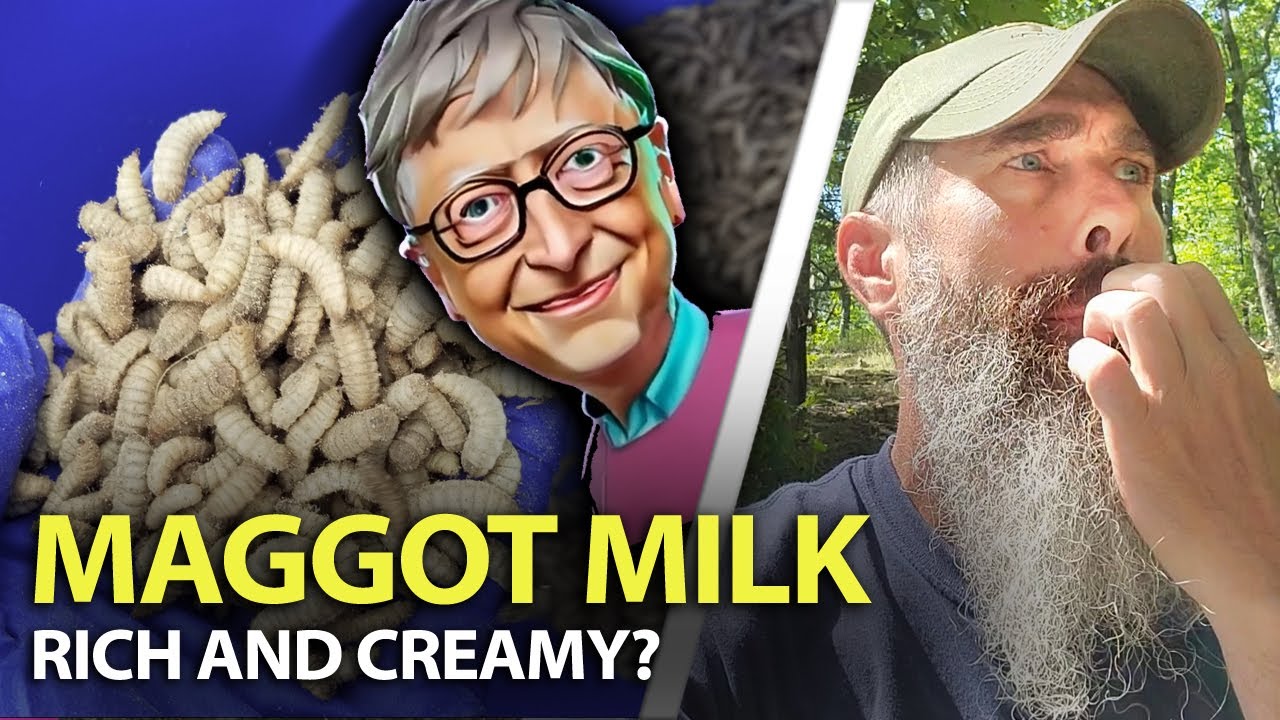
Bill Gates maggot milk refers to claims that the tech billionaire has launched a product called “EntoMilk.” This supposed product is described as a dairy alternative made from black soldier fly larvae. The term “maggot milk” comes from the fact that these larvae look like small white worms or maggots.
However, here’s the truth bomb:
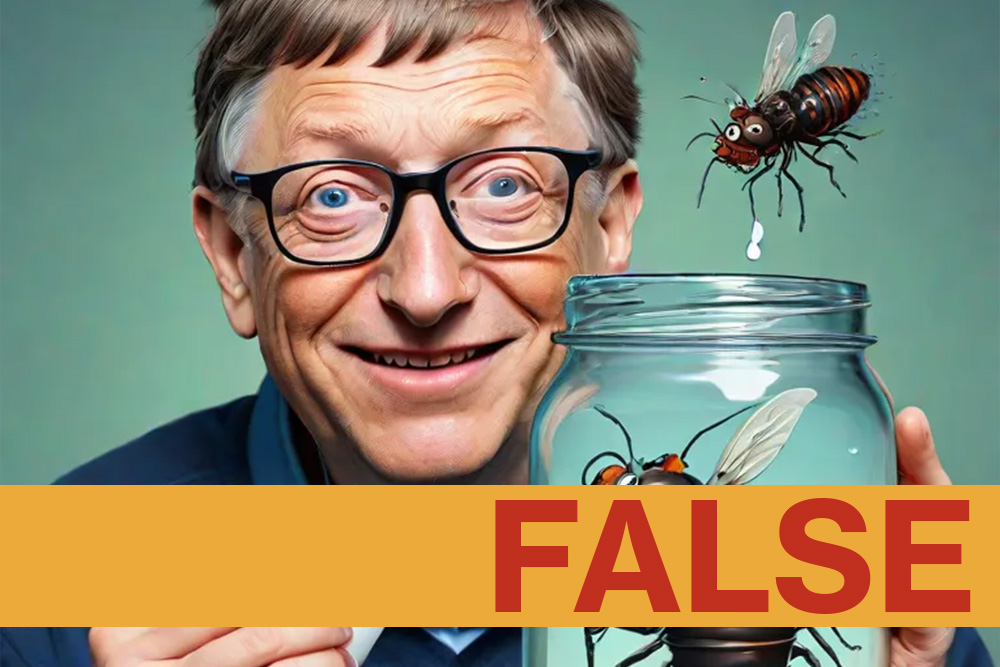
Bill Gates has not launched a product called EntoMilk or any other insect-based milk product. The Bill and Melinda Gates Foundation confirmed that it has no involvement with EntoMilk.
The whole story is based on false information that spread across social media platforms. Videos and articles suggesting Gates is behind this initiative are misleading. People mixed up different news stories and created a false narrative.
EntoMilk is a real product, but it has nothing to do with Bill Gates. EntoMilk is a leading dairy substitute made from black soldier fly larvae.
The product is the brainchild of Leah Bessa, who started exploring insects as an alternative protein source after completing her Masters in Food Science at Stellenbosch University.
Leah Bessa created this product through her South African startup called Gourmet Grubb. South-African startup Gourmet Grubb has gained traction in recent months for its insect-based ice cream and EntoMilk, alternative dairy products made from black soldier fly larvae.
The company was founded in Cape Town, South Africa, and has been working on insect-based food products since 2017.
Their main focus is creating sustainable food alternatives using insects. They make ice cream, milk alternatives, and other products from black soldier fly larvae.
Bill Gates has been vocal about the need for sustainable food alternatives. He has invested in various food technology companies and spoken about climate change. Gates says rich countries should shift entirely to synthetic beef.
His interest in food innovation and sustainability made him an easy target for conspiracy theories. Gates’s financial backing of cultivated Memphis Meats added to rising fears around food insecurity, plus a host of different conspiracy theories.
People often mix up different news stories about Gates and food technology. This creates confusion and false connections between him and various food products. Social media algorithms make these false stories spread faster than fact-checks.
Black soldier fly larvae are the young form of a specific type of fly called Hermetia illucens.
These insects are not actually maggots, even though they look similar. They are considered one of the most promising insects for sustainable protein production.
Here are some key facts about black soldier fly larvae:
Insect-based milk alternatives like EntoMilk offer several nutritional advantages.
This “milk” is about five times higher in protein than dairy, is lactose-free, and contains plenty of minerals, from calcium to zinc to iron.
The protein content is particularly impressive compared to traditional dairy milk. Regular cow’s milk contains about 3.4 grams of protein per 100ml. EntoMilk contains significantly more protein per serving.
Key nutritional benefits include:
Scientists have been studying insect protein for decades. Black soldier fly larvae are rich in fatty acids, proteins and minerals. Research shows that insect protein can be just as nutritious as traditional animal proteins.
The amino acid profile of black soldier fly larvae is complete. This means it contains all nine essential amino acids that our bodies cannot produce. The protein is easily digestible and has a high biological value.
Studies have shown positive results when insects are used in animal feed. Numerous studies have shown that adding black soldier fly larvae powder to monogastric animals has no negative effects on animal growth performance, meat quality and immunity.
The world faces a growing food security challenge. The UN predicts that the world will need to double food production to feed the global population by 2050. Traditional farming methods may not be enough to meet this demand.
Insect farming offers several advantages:
The production process for EntoMilk involves several steps. The insects are reared on a farm and cleaned and sterilized before they are used. The process starts with raising black soldier fly larvae in controlled environments.
The larvae are fed organic waste materials like food scraps and vegetable matter. This makes the process environmentally friendly by reducing waste. Once the larvae reach the right size, they are harvested and processed.
The processing involves:
Consumer acceptance of insect-based foods varies by region and culture. In many Asian and African countries, eating insects is already common. Western countries are slowly warming up to the idea of insect protein.
Market research shows growing interest in alternative proteins. Young consumers are more open to trying insect-based products than older generations. Environmental concerns are driving much of this interest.
Challenges for market acceptance include:
Food safety is a major concern with any new food product. Insect-based foods must meet strict safety standards. Regulatory bodies around the world are developing guidelines for insect foods.
The European Food Safety Authority has approved several insect species for human consumption. The US FDA is working on regulations for insect-based foods. Countries like Thailand and Mexico have long-established insect food industries.
Safety considerations include:
Traditional dairy farming has a significant environmental impact. Cattle farming is responsible for about 14.5% of global greenhouse gas emissions. Insect farming produces a fraction of these emissions.
Environmental benefits of insect farming:
The alternative protein market is growing rapidly. Investment in this sector reached billions of dollars in recent years. Plant-based and insect-based proteins are leading this growth.
Future developments may include:
Several myths surround insect-based foods and their connection to public figures. Let’s address the most common misconceptions:
Myth 1: Bill Gates is forcing people to eat insects. Reality: Gates has never promoted insect consumption for humans.
Myth 2: Insect foods are unsafe to eat. Reality: Properly processed insect foods are safe and nutritious.
Myth 3: Eating insects is disgusting and unnatural. Reality: Billions of people worldwide regularly eat insects.
Myth 4: Insect farming is just a fad. Reality: Insect farming is a growing industry with real benefits.
Myth 5: Traditional farming is always better. Reality: Insect farming can be more sustainable in many cases.
The global insect protein market is expected to reach $1.2 billion by 2026. This represents significant economic opportunities for farmers and food companies. Several countries are investing heavily in insect farming technology.
Economic benefits include:
Insect-based foods offer several health benefits. They are high in protein, vitamins, and minerals. However, some people may have allergic reactions to insects.
Health benefits include:
Potential health concerns:
Bill Gates maggot milk is a myth that has been debunked by fact-checkers. The real EntoMilk product was created by South African entrepreneur Leah Bessa. This confusion shows how misinformation can spread quickly on social media.
Insect-based foods like EntoMilk represent an interesting development in sustainable nutrition. They offer high protein content and environmental benefits. However, they face challenges in consumer acceptance and regulatory approval.
The future of alternative proteins looks promising. As the world seeks sustainable food solutions, insect farming may play a bigger role. But it’s important to separate facts from fiction when discussing these topics.
Whether you’re interested in trying insect-based foods or not, understanding the real story helps combat misinformation.
The next time you see claims about “Bill Gates maggot milk,” you’ll know the truth. Innovation in food technology continues, but we should always verify information before believing or sharing it.

Macron wife age difference is approximately 24 years, with Brigitte...

Fortune Justin Bieber: Justin Bieber’s fortune is estimated to exceed...