Jan 01, 1970
0 years old
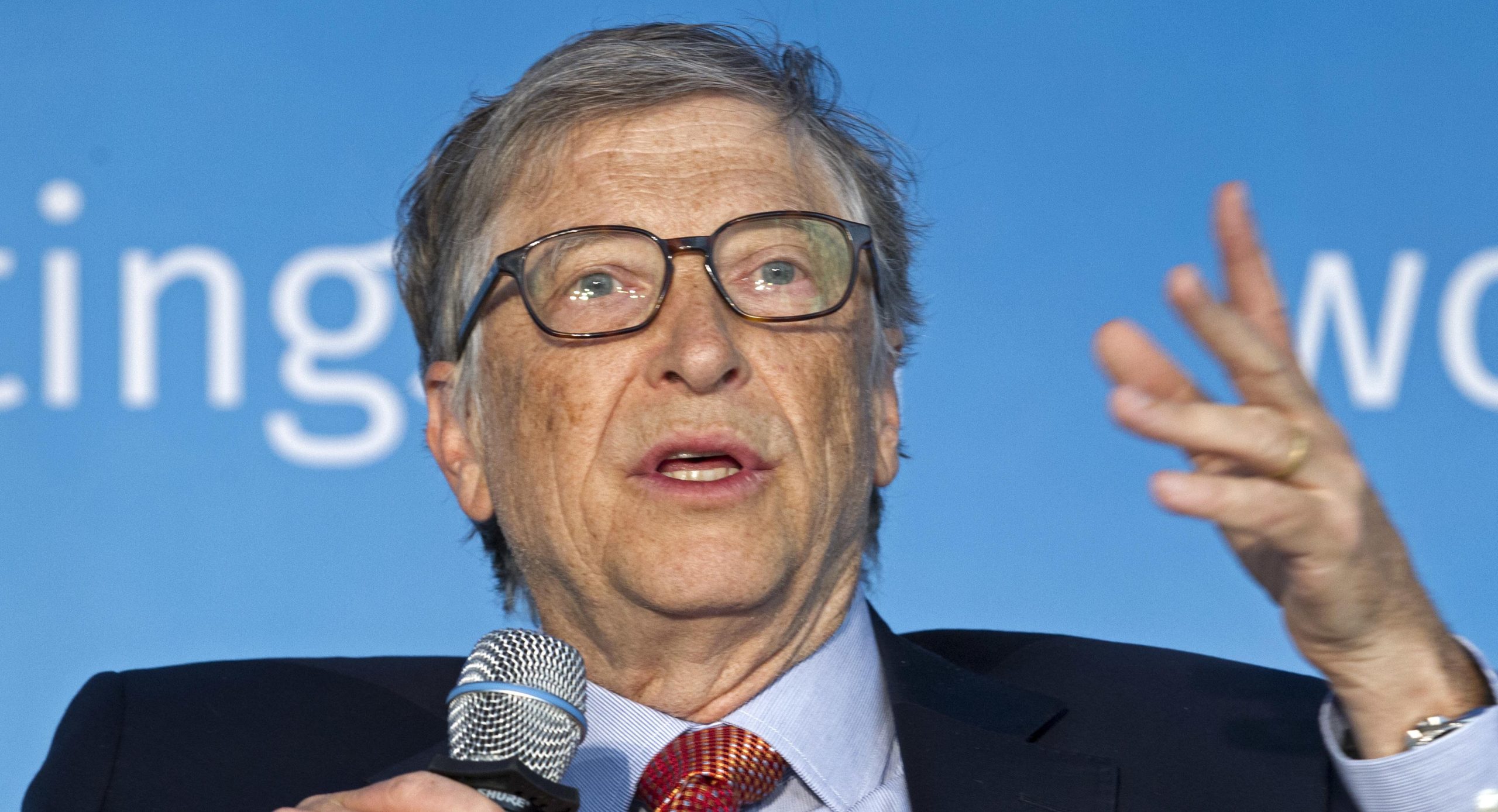
Bill Gates bird flu warning has everyone talking about pandemic preparedness in 2025. The tech billionaire’s predictions about future health crises are making headlines again.
With H5N1 cases rising and experts sounding alarms, understanding these warnings matters more than ever.
This guide reveals what Gates actually said, why his predictions carry weight, and what steps you can take to stay protected.

Bill Gates warned about pandemic risks years before COVID-19 hit the world.
In 2018, he predicted that “there is a significant probability of a large and lethal, modern-day pandemic occurring in our lifetimes” because of “the continual emergence of new pathogens, the increasing risk of a bioterror attack and how connected our world is through air travel.”
Gates pushed for better pandemic preparedness through his foundation work.
His warnings focused on the need for universal flu vaccines and better global health systems.
The Microsoft founder stressed that governments must invest in disease surveillance programs.
He also highlighted how quickly viruses can spread in our connected world.
Gates never specifically claimed bird flu would become the next pandemic.
Instead, he warned about the general risk of respiratory viruses jumping between species.
His foundation supports research into vaccine development for various infectious diseases.
The philanthropist emphasized prevention over reaction when dealing with health threats.
Gates accurately predicted many aspects of the COVID-19 pandemic response.
His 2015 TED talk warned about global unpreparedness for infectious disease outbreaks.
The billionaire’s foundation works directly with leading epidemiologists and virologists.
Gates has access to cutting-edge research and global health surveillance data.
His predictions influence government policy and international health responses.
The tech mogul’s warnings often come years before problems become apparent.
Gates combines technology insights with public health expertise in his analysis.
His foundation’s partnerships provide early access to emerging health threats data.
The Johns Hopkins Center for Health Security in partnership with the World Economic Forum and the Bill and Melinda Gates Foundation hosted Event 201, a high-level pandemic exercise on October 18, 2019, in New York, NY.
This simulation exercise predicted many challenges that emerged during COVID-19.
The event highlighted gaps in global communication during health crises.
Participants identified supply chain vulnerabilities that proved accurate later.
The exercise revealed how misinformation spreads during pandemic situations.
Event 201 showed the economic impacts of shutting down global travel.
The simulation predicted political tensions over vaccine distribution.
Participants practiced coordinating responses between government agencies and private companies.
While the current public health risk is low, CDC is watching the situation carefully and working with states to monitor.
The U.S. government maintains stockpiles of antiviral medications for bird flu.
Federal agencies coordinate surveillance programs across state boundaries.
International health organizations share data about virus mutations and spread.
Governments invest in research for next-generation pandemic vaccines.
Public health officials develop communication strategies to prevent panic.
Many countries restrict poultry imports from areas with active outbreaks.
Emergency response plans include protocols for isolating infected patients.
Leading virologists consider H5N1 a moderate threat for human pandemic development.
Scientists worry about virus mutations that could increase human transmission.
The virus would need specific genetic changes to spread easily between people.
Experts monitor virus evolution in both animal and human infections carefully.
Most specialists believe we have better tools now than during the COVID-19 pandemic.
Vaccine development timelines have shortened due to new mRNA technologies.
Health experts stress that early detection systems work better than before.
International cooperation on health threats has improved since 2020.
Avoid direct contact with wild birds, especially dead or sick ones.
Cook poultry and eggs thoroughly to temperatures above 165°F (74°C).
Wash hands frequently with soap and water after any animal contact.
Wear protective equipment when cleaning areas where birds have been.
Stay informed through reliable health authorities like the CDC and WHO.
Report unusual bird deaths to local wildlife or health authorities.
Maintain good general health through proper nutrition and exercise.
Keep emergency supplies including basic medications and food for several days.
Artificial intelligence helps scientists predict virus mutations before they happen.
Satellite imagery tracks bird migration patterns to predict outbreak locations.
DNA sequencing technology identifies virus changes within hours of sample collection.
Mobile apps could alert people about disease outbreaks in their area.
Big data analytics help health officials allocate resources more effectively.
Telemedicine reduces exposure risks during infectious disease outbreaks.
Social media monitoring helps authorities track and counter misinformation.
Blockchain technology could secure global health data sharing systems.
Poultry industry losses reach billions of dollars during major bird flu outbreaks.
Egg prices spike when commercial laying operations face infections.
International trade restrictions disrupt global food supply chains.
Tourism decreases in areas with active bird flu cases.
Healthcare costs increase with human infections and monitoring programs.
Agricultural insurance claims rise during widespread animal disease outbreaks.
Labor shortages affect farms when workers fear exposure to infected animals.
Stock markets react negatively to news about expanding outbreaks.
Poultry Industry: Direct losses from culling infected flocks and production shutdowns.
Food Service: Menu changes and increased costs for egg and chicken products.
Transportation: Reduced cargo volumes for agricultural products during trade restrictions.
Insurance: Higher premiums for agricultural and business interruption coverage.
Manufacturing: Supply chain disruptions affect food processing operations.
Retail: Price volatility and shortages of poultry products on store shelves.
Export Markets: Trade barriers reduce international sales of agricultural products.
Technology Sector: Increased demand for health monitoring and diagnostic equipment.
The World Health Organization coordinates international bird flu monitoring efforts.
Countries share virus samples and research data through established protocols.
International agreements facilitate rapid response to cross-border outbreaks.
Global funding supports surveillance programs in developing countries.
Multinational companies collaborate on vaccine development and distribution.
Scientific communities maintain open communication channels across borders.
Emergency response teams can deploy internationally within hours during crises.
Trade organizations work together to minimize economic disruptions from outbreaks.
Scientists work on universal flu vaccines that protect against multiple strains.
mRNA technology allows faster vaccine development than traditional methods.
Clinical trials for H5N1 vaccines show promising results in early studies.
Manufacturing capacity must scale up quickly during pandemic situations.
Cold storage requirements complicate vaccine distribution in remote areas.
Regulatory approval processes balance speed with safety requirements.
Global vaccine equity remains a challenge during health emergencies.
Booster shot strategies need refinement for maximum protection.
Sensational headlines often exaggerate bird flu risks beyond scientific evidence.
Social media amplifies both accurate information and dangerous misinformation.
Public trust in health authorities affects compliance with prevention measures.
Celebrity endorsements influence public perception more than expert opinions.
Fear-based messaging can cause panic buying and unnecessary anxiety.
Balanced reporting helps people make informed decisions about their health.
Scientific literacy determines how well people understand risk information.
Cultural factors affect how different communities respond to health warnings.
Next-generation surveillance systems will detect outbreaks faster than current methods.
Artificial intelligence will predict pandemic threats with greater accuracy.
International cooperation frameworks will improve based on COVID-19 lessons.
Vaccine platforms will allow rapid development for new disease threats.
Supply chain resilience will reduce shortages during health emergencies.
Public health infrastructure investments will strengthen global preparedness.
Early warning systems will give communities more time to prepare.
Educational programs will improve public understanding of health risks.
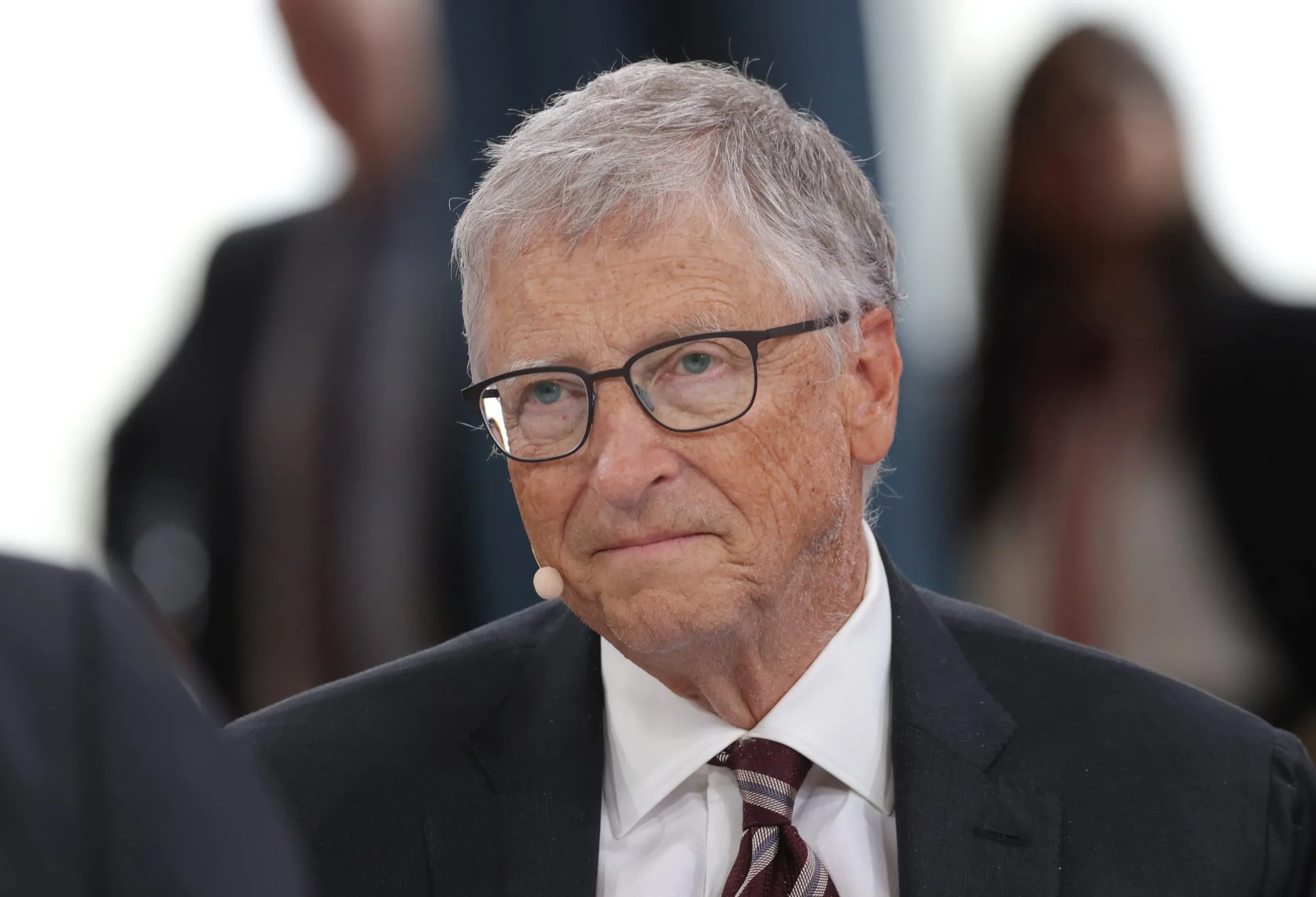
Bill Gates bird flu warning serves as a crucial reminder about pandemic preparedness.
His predictions, based on scientific evidence, highlight real risks we face today.
Understanding these warnings helps us make better personal and policy decisions.
Current bird flu statistics show the importance of continued vigilance and monitoring.
Individual preparation combined with strong public health systems offers the best protection.
Staying informed through reliable sources helps separate facts from misinformation.
The lessons learned from COVID-19 improve our ability to handle future health threats.
Balanced awareness without panic gives us the best chance to stay healthy and safe.
Stay Informed: Follow CDC, WHO, and local health department updates regularly.
Practice Prevention: Maintain good hygiene and avoid contact with sick animals.
Support Science: Trust evidence-based information over social media rumors.
Prepare Responsibly: Keep basic emergency supplies without hoarding.
Stay Connected: Maintain communication with family and community during health events.
Advocate for Preparedness: Support public health infrastructure investments.
Learn Continuously: Understand how diseases spread and how vaccines work.
Remain Vigilant: Monitor developments but avoid excessive anxiety about future threats.
The future of pandemic preparedness depends on combining individual responsibility with collective action.
Bill Gates’ warnings remind us that investment in health security pays dividends when crises emerge.
By staying informed, prepared, and connected to reliable sources, we can face future health challenges with confidence and resolve.

Macron wife age difference is approximately 24 years, with Brigitte...

Fortune Justin Bieber: Justin Bieber’s fortune is estimated to exceed...