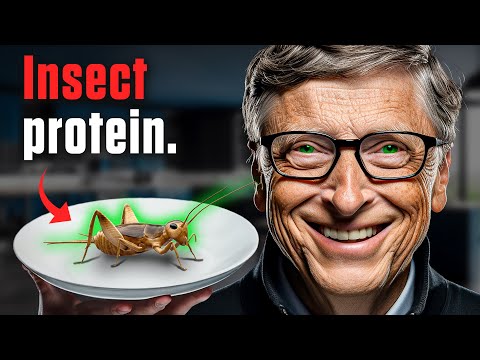
All things bugs Bill Gates has become a hot topic as the tech billionaire pours millions into insect-based solutions. You might wonder why someone who built Microsoft is now betting big on bugs.
The answer will surprise you – Gates sees insects as the key to solving world hunger, climate change, and food security.
This isn’t just another rich guy’s hobby project.
It’s a calculated move that could change how we eat forever.

What’s the Deal with Bill Gates and Bugs?
The Microsoft Founder’s New Mission
Bill Gates investing in insects isn’t random.
The Gates Foundation has committed over $100 million to insect protein research since 2019.
This investment spans multiple companies working on cricket flour, mealworm farming, and black soldier fly larvae.
Gates believes alternative proteins will feed 9 billion people by 2050.
Traditional livestock farming can’t scale to meet this demand.
That’s where bugs come in.
Why Insects Matter More Than You Think
Here’s something most people don’t know about insects as food:
- Crickets contain 65% protein compared to beef’s 25%
- Mealworms produce 2,000 times less greenhouse gas than cattle
- Insects need 2,000 times less water than beef production
- Bug farming uses 99% less land than traditional livestock
These numbers explain why Gates is so bullish on bugs.
The Science Behind Bill Gates’ Insect Investment Strategy
Nutritional Powerhouse Facts
- All things bugs Bill Gates talks about center on nutrition density.
- Insects pack more nutrients per gram than any traditional protein source.
- A single cricket contains all nine essential amino acids.
- They’re loaded with vitamin B12, iron, and zinc.
- Compare that to a steak that’s mostly fat and water.
Environmental Impact That Changes Everything
- The environmental case for insects is overwhelming.
- Livestock farming creates 14.5% of global greenhouse gas emissions.
- Insect farming produces almost zero methane.
- Cattle need 20,000 liters of water per kilogram of meat.
- Crickets need just 1 liter.
- This efficiency gap is why Gates sees insects as climate change fighters.
Bill Gates’ Top Insect Investment Companies
Ynsect – The $425 Million Bug Farm
- Gates invested heavily in Ynsect, a French company building the world’s largest insect farm.
- They raise yellow mealworms in vertical towers.
- Each facility can produce 20,000 tons of insect protein annually.
- The company uses automated systems to feed and harvest billions of bugs.
- Their valuation hit $1.5 billion in 2022.
Aspire Food Group – Cricket Protein Leaders
- This Canadian company received Gates Foundation funding for cricket farming.
- They’ve built fully automated cricket farms across North America.
- Their cricket flour appears in energy bars, protein powders, and pasta.
- Aspire can produce 9,000 tons of cricket protein per year.
- They’re expanding to Asia and Europe next.
EnviroFlight – Black Soldier Fly Specialists
- Gates backed this Ohio-based company focusing on black soldier fly larvae.
- These bugs eat organic waste and convert it into protein.
- One pound of larvae can consume 4 pounds of food waste.
- They’re solving waste management while creating protein.
- The company supplies fish farms, pet food makers, and chicken producers.
The Global Food Crisis Bill Gates Wants to Solve
Population Growth Meets Protein Demand
- By 2050, Earth will have 9.7 billion people.
- Current food production can’t feed everyone.
- We need 70% more protein than we produce today.
- Traditional farming is already maxed out.
- Gates sees insects as the only scalable solution.
Climate Change Threatens Food Security
- Rising temperatures destroy crops worldwide.
- Droughts make livestock farming impossible in many regions.
- Insects thrive in controlled environments regardless of weather.
- They reproduce faster than any traditional protein source.
- A cricket reaches maturity in just 6 weeks.
- Cattle take 18-24 months.
How Insect Farming Actually Works
The Cricket Production Process
- Modern cricket farms look like high-tech warehouses.
- Millions of crickets live in climate-controlled containers.
- They eat organic waste, kitchen scraps, and specially formulated feed.
- Automated systems monitor temperature, humidity, and lighting.
- After 6 weeks, crickets are harvested and processed into flour.
Mealworm Farming Revolutionized
- Mealworms grow in stacked trays inside vertical towers.
- Each tray holds thousands of larvae feeding on organic matter.
- Robots sort, feed, and harvest the worms automatically.
- The entire process from egg to harvest takes 10 weeks.
- One facility can produce protein equivalent to 3,000 cattle.
Black Soldier Fly Larvae Operations
- These operations start with organic waste from restaurants and grocery stores.
- Larvae eat the waste and convert it into biomass.
- They grow 5,000 times their original weight in just 14 days.
- The larvae are then dried and ground into protein powder.
- This process creates zero waste while producing valuable protein.
The Economics of Bug Farming vs Traditional Livestock
Cost Comparison That Shocks Everyone
- Traditional beef costs $8-12 per pound to produce.
- Cricket protein costs $2-4 per pound.
- Mealworms cost even less at $1-3 per pound.
- These prices drop as production scales up.
- Gates predicts insect protein will cost 50% less than meat by 2030.
Investment Returns on Insect Farming
- Bug farms generate revenue faster than cattle ranches.
- A cricket farm breaks even in 12-18 months.
- Cattle operations take 3-5 years to turn profitable.
- Insect farms produce year-round regardless of season.
- Weather doesn’t affect indoor bug production.
Market Size and Growth Projections
- The global insect protein market was worth $400 million in 2022.
- Experts predict it will reach $8 billion by 2030.
- That’s 2,000% growth in 8 years.
- Gates positioned himself early in this explosive market.

Consumer Acceptance – The Biggest Challenge
The “Ick Factor” Problem
- Most Americans and Europeans won’t eat whole insects.
- This psychological barrier limits market growth.
- Companies solve this by creating insect flour and protein powders.
- You can’t tell cricket flour from wheat flour in cookies.
- Protein bars with cricket powder taste completely normal.
Marketing Strategies That Work
- Successful insect food companies avoid mentioning bugs prominently.
- They focus on sustainability and nutrition benefits.
- Products are branded as “alternative protein” or “sustainable nutrition.”
- Cricket flour gets labeled as “superfood protein powder.”
- This messaging works better than emphasizing insects.
Cultural Shifts in Food Attitudes
- Younger consumers care more about environmental impact.
- Gen Z and millennials embrace alternative proteins.
- They’re willing to try insect-based foods for climate reasons.
- This demographic shift supports Gates’ long-term bet.
Regulatory Landscape for Insect Food
FDA Approval Process
- The FDA classifies insects as “generally recognized as safe” (GRAS).
- This means they don’t need special approval for food use.
- However, facilities must meet standard food safety requirements.
- Insect farms undergo regular inspections like other food producers.
European Union Regulations
- The EU approved crickets, mealworms, and locusts for human consumption.
- These insects can be sold whole or as ingredient powder.
- Strict safety standards govern insect farming operations.
- Labels must clearly indicate insect content.
Global Regulatory Trends
- Countries worldwide are creating insect food regulations.
- Singapore leads with comprehensive insect protein guidelines.
- Canada allows cricket and mealworm sales nationwide.
- Australia permits insect farming for human consumption.
- This regulatory acceptance supports Gates’ investment thesis.
Environmental Impact of Insect Farming
Greenhouse Gas Reduction
- Insect farming produces 100 times less greenhouse gas than beef.
- A cricket farm generates the same emissions as a small office building.
- Cattle ranching creates methane equivalent to millions of cars.
- Switching to insect protein could reduce agriculture emissions by 40%.
Water Conservation Benefits
- Beef production requires 1,800 gallons of water per pound.
- Cricket farming needs less than 1 gallon per pound.
- This difference matters as water scarcity increases globally.
- Insect farms can operate in desert regions using minimal water.
Land Use Efficiency
- Cattle ranching uses 77% of agricultural land worldwide.
- Insect farms need 99% less space for equivalent protein output.
- A cricket farm the size of a warehouse replaces 1,000 acres of pasture.
- This efficiency frees up land for reforestation or other uses.
Nutritional Benefits of Insect Protein
Complete Amino Acid Profiles
- Insects contain all essential amino acids humans need.
- This makes them “complete proteins” like meat and eggs.
- Plant proteins usually lack one or more essential amino acids.
- Insect protein digestibility scores match or exceed beef.
Vitamin and Mineral Content
- Crickets contain more vitamin B12 than salmon.
- Mealworms have 5 times more iron than spinach.
- Black soldier fly larvae provide high levels of calcium and zinc.
- These nutrients are often deficient in plant-based diets.
Bioavailability Advantages
- The human body absorbs insect nutrients more efficiently than plant nutrients.
- Iron from insects absorbs 3 times better than iron from beans.
- Protein from crickets digests faster than protein from nuts.
- This bioavailability makes insects superior to many plant alternatives.
Technology Innovations in Insect Farming
Automated Harvesting Systems
- Modern insect farms use robotic systems for harvesting.
- These robots can process millions of insects per hour.
- Automation reduces labor costs by 80%.
- Consistent harvesting improves product quality.
Climate Control Technology
- Precise temperature and humidity control maximize insect growth.
- Smart sensors monitor conditions 24/7.
- Automated systems adjust environment based on insect lifecycle stage.
- This technology doubles production efficiency.
Feed Optimization Systems
- AI analyzes optimal nutrition for different insect species.
- Automated feeding systems deliver precise portions.
- Waste stream analysis maximizes feed conversion rates.
- These systems reduce feed costs by 30%.
Bill Gates’ Long-Term Vision for Insect Protein
Solving Global Hunger
- Gates believes insect protein can end malnutrition worldwide.
- Insects provide affordable nutrition for developing countries.
- Local insect farms create jobs and food security.
- This aligns with Gates Foundation’s humanitarian mission.
Climate Change Mitigation
- Widespread insect farming could reduce agricultural emissions by 50%.
- This contribution helps meet Paris Climate Agreement goals.
- Insect protein offers a practical climate solution that scales.
Food System Transformation
- Gates envisions insects becoming mainstream protein sources.
- Future grocery stores will stock cricket flour alongside wheat flour.
- Restaurants will serve insect-based dishes as normal menu items.
- This transformation could happen within 10-15 years.
Investment Opportunities in Insect Farming
Direct Company Investments
- Several insect farming companies accept private investors.
- Minimum investments typically start at $10,000-50,000.
- Returns depend on company growth and market acceptance.
- Early investors in successful companies see 10x-20x returns.
Insect Farming Equipment Manufacturers
- Companies making insect farming equipment show strong growth.
- Automated harvesting systems, climate control, and processing equipment.
- This sector benefits from growing insect farming adoption.
Food Processing and Distribution
- Companies that process insects into consumer products.
- Protein powder manufacturers, snack food companies, and ingredient suppliers.
- These businesses have lower barriers to entry than farming.
Challenges Facing Insect Farming Industry
Scaling Production Efficiently
- Current insect farms produce relatively small quantities.
- Scaling to industrial levels requires significant capital investment.
- Technical challenges emerge at larger production scales.
- Quality control becomes more difficult with increased volume.
Supply Chain Development
- Insect farming needs specialized equipment and expertise.
- Limited suppliers create bottlenecks for industry growth.
- Transportation and storage require new infrastructure.
- Cold chain logistics are essential for product quality.
Market Education and Acceptance
- Consumer education requires sustained marketing investment.
- Changing food preferences takes time and resources.
- Cultural barriers vary significantly by region.
- Success requires patient, long-term marketing strategies.
The Future of Insect Protein in 2030
Market Predictions
- Industry experts predict insect protein will capture 10% of global protein market.
- This represents approximately $150 billion in annual revenue.
- Cricket flour will become as common as almond flour.
- Insect protein will appear in 50% of protein bars and powders.
Technological Advancements
- Genetic optimization will improve insect growth rates.
- Automated systems will reduce production costs by 70%.
- New processing techniques will create meat-like textures.
- Flavor enhancement will make insect products indistinguishable from traditional foods.
Global Adoption Trends
- Asian markets will lead insect protein adoption.
- European consumers will embrace insect flour in baked goods.
- North American markets will focus on protein powders and bars.
- Developing countries will adopt insects for food security.
Why Bill Gates Is Right About Insects
The Math Just Works
- Population growth plus climate change equals food crisis.
- Traditional farming cannot meet future protein demand.
- Insects provide the only scalable solution.
- The numbers support Gates’ investment thesis completely.
Technology Makes It Possible
- Modern automation solves insect farming’s historic limitations.
- Controlled environments eliminate seasonal production issues.
- Processing technology creates appealing consumer products.
- These innovations make mass adoption feasible.
Investment Timing Is Perfect
- Gates invested before mainstream adoption began.
- Early positioning captures maximum returns.
- Regulatory approval removes major barriers.
- Consumer acceptance is reaching tipping point.
FAQs
What did Bill Gates say about food?
He’s urged that “we should all grow our own food and do our own waste processing,” encouraging sustainability and local food production.
He also noted, “The idea of switching to lab‑made fats and oils may seem strange… But their potential to significantly reduce our carbon footprint is immense.”
What is the new butter Bill Gates?
Bill Gates supports Savor, a startup making cow‑free butter from CO₂, using a thermochemical process that builds fat chains identical to dairy. It reportedly has a carbon footprint as low as 0.8 g CO₂/kg and tastes like real butter.
What food companies is Bill Gates involved in?
He invests in companies creating animal‑free fats and oils—such as Savor and C16 Biosciences—via Breakthrough Energy Ventures, focusing on climate‑friendly alternatives to dairy and palm oil.
What are some things Bill Gates has done?
Beyond Microsoft, Bill Gates co-founded the Gates Foundation, invested in clean‑tech, nuclear energy (TerraPower), and sustainable agriculture initiatives. He actively funds innovations in health, climate, and food security.
Is Bill Gates a vegan?
No. While Gates promotes plant‑based and sustainable foods, he openly admits loving cheeseburgers and meat. He advocates for alternatives, not veganism.
What is Bill Gates’ favorite color?
Bill Gates is color‑blind, so he doesn’t have a favorite color the way most people do.
Conclusion – The Insect Revolution Is Coming
All things bugs Bill Gates represents a fundamental shift in how we think about food.
His massive investments in insect farming aren’t just business moves.
They’re calculated bets on humanity’s future.
The evidence supports his vision completely.
Insects provide more nutrition, use fewer resources, and cost less to produce.
Climate change makes traditional livestock farming increasingly impossible.
Population growth demands new protein sources.
Technology makes insect farming commercially viable.
Gates positioned himself at the forefront of this revolution.
His investments will likely generate enormous returns while solving global problems.
The insect protein industry will explode over the next decade.
Smart investors and consumers should pay attention.
The future of food is smaller than you think.
But it’s more powerful than you imagine.
All things bugs Bill Gates might sound strange today.
Tomorrow, it will sound like genius.