
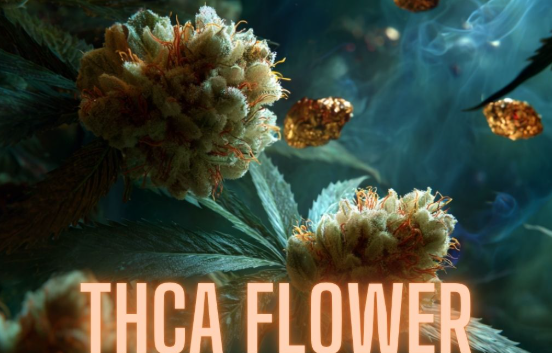
As cannabis legalization expands across the United States, more people are exploring not only traditional THC and CBD products but also lesser-known cannabinoids with unique properties. One such compound that’s quickly gaining traction is THCa, or tetrahydrocannabinolic acid. Found in raw cannabis plants, THCa offers a compelling combination of potential health benefits and flexibility in use—especially in the form of IndaCloud THCa flower.
In this blog, we’ll dive deep into what THCa flower is, how you can Buy Cheap THCA Online, how it works, how to use it, the legal landscape surrounding it, and what makes our premium online selection of THCa flower stand out in a crowded marketplace.
THCa flower is cannabis flower rich in tetrahydrocannabinolic acid (THCa), the non-psychoactive precursor to THC (tetrahydrocannabinol). Unlike delta-9 THC—the compound known for producing a euphoric high—THCa does not create intoxicating effects in its raw form. Only when it is heated through smoking, vaping, or cooking does THCa convert to THC via a process called decarboxylation.
This unique property allows THCa flower to offer both non-psychoactive and psychoactive potential depending on how it is consumed. That duality makes it incredibly versatile, attracting both wellness enthusiasts and recreational users.
With the surge in popularity around cannabis alternatives, it’s no surprise that THCa flower is gaining attention. Here are several reasons why more people are making the switch:
Unlike many cannabis products that undergo chemical extraction, THCa flower is typically sold in its natural, raw form. This means fewer additives and a cleaner consumption experience—ideal for users who prefer organic or holistic wellness approaches.
Since THCa must be heated to become psychoactive, consumers have greater control over how they want to experience the flower. Want the therapeutic benefits without the high? Use it raw or infuse it in juices. Seeking relaxation or a euphoric effect? Smoke or cook it.
THCa flower is available in a variety of sativa, indica, and hybrid strains, as well as indoor and sun-grown variations. Whether you’re looking for energizing daytime use or sedating evening relief, there’s a THCa flower strain to meet your needs.
Because of its chemical makeup, THCa flower offers flexible consumption options. Here are some of the most popular ways to enjoy it:
The most direct method, smoking THCa flower instantly activates the THCa into THC, providing traditional cannabis effects. This method is ideal for users seeking fast onset and full-body relaxation or euphoria, and many enthusiasts enhance this experience by using bongs for smoother, more controlled inhalation.
Vaping also decarboxylates THCa but at lower temperatures, preserving terpenes and offering a more flavorful and smooth experience.
When THCa flower is baked into edibles or infused into oils, the heat activates the THC. This method produces longer-lasting effects and is perfect for users who prefer not to inhale cannabis.
For non-psychoactive benefits, THCa flower can be juiced or added to smoothies. This method preserves the THCa in its raw form, which some believe offers anti-inflammatory and neuroprotective benefits.
While research on THCa is still emerging, early studies and anecdotal evidence suggest that it may offer several therapeutic benefits:
Because THCa is non-psychoactive until heated, these potential benefits can be accessed without intoxication—a major draw for medical patients or those sensitive to THC.
The legality of THCa flower is one of the most commonly asked questions—and understandably so. The short answer is: it depends on your local jurisdiction.
At the federal level in the United States, hemp-derived products containing less than 0.3% delta-9 THC are technically legal under the 2018 Farm Bill. Since raw THCa doesn’t count as delta-9 THC, THCa flower can be considered legal in many areas—as long as it meets the delta-9 THC threshold.
However, state laws vary widely. Some states treat THCa flower as cannabis due to its ability to convert into THC, regardless of the delta-9 content. Therefore, it’s critical to check your state and local laws before purchasing or using THCa flower.
Another important concern is drug testing. Yes, if you smoke, vape, or cook THCa flower and thereby convert it into THC, you will test positive for cannabis use. Drug tests typically screen for THC metabolites, which your body produces after metabolizing THC—not THCa directly. But once decarboxylated, THCa is essentially the same as THC in the eyes of a drug test.
If you’re subject to regular testing, it’s safest to avoid THCa flower altogether.
We take pride in offering an expertly curated selection of THCa flower, hand-selected by our team of knowledgeable cannabis growers and researchers. Our mission is to deliver not only the highest-quality hemp flower but also the best value and convenience to our customers.
While THCa flower can offer numerous benefits, it’s important to use it responsibly. This product is not recommended for those who are sensitive to THC, as heating the flower can induce psychoactive effects.
THCa flower represents a new frontier in cannabis consumption. It offers a unique blend of versatility, natural benefits, and convenience that’s hard to match. Whether you’re seeking natural relief from chronic symptoms, looking for a milder alternative to delta-9 THC, or simply curious about cannabis innovation, THCa flower is well worth exploring.
At the end of the day, it’s about choosing the product that best fits your lifestyle and wellness goals. With our carefully selected THCa flower, you’re getting a product that’s safe, high-quality, and backed by a team that knows the plant inside and out.
What is THCa flower?
THCa flower is cannabis in its raw form, rich in tetrahydrocannabinolic acid—a non-psychoactive cannabinoid that converts to THC when heated.
How is it used?
You can smoke, vape, cook, or consume THCa flower raw, depending on whether you want psychoactive effects or purely therapeutic ones.
Is it legal?
In many places, yes—if the delta-9 THC level is below 0.3%. But always check your local laws.
Will it make me fail a drug test?
Yes, if heated and consumed. The THC produced will be detected in standard cannabis drug screenings.