
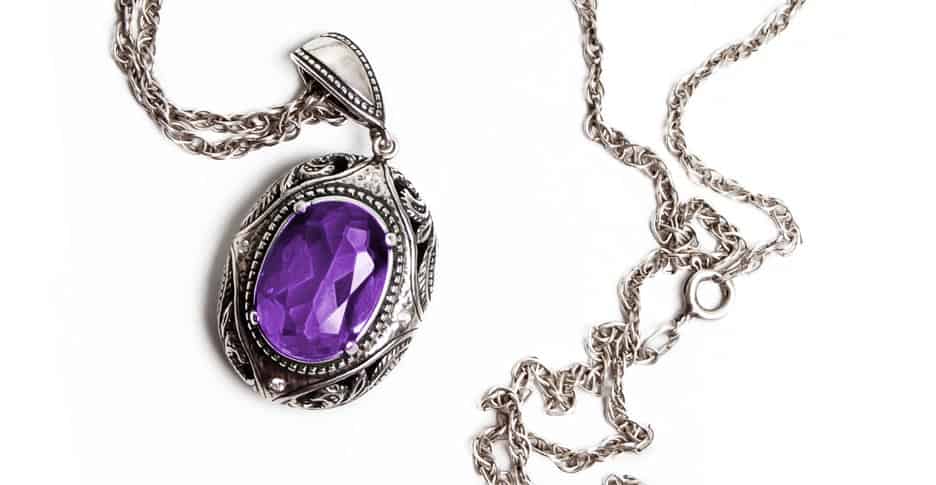
What does purple mean on a mood necklace? This intriguing question draws many to the world of thermochromic jewelry, where colors shift to reflect emotional nuances. Purple mood often signifies a blend of calmness and mystery and creativity, tied to the wearer’s body temperature. Introduced in the 1970s by New York inventors, these accessories have evolved by 2025 with advanced liquid crystals that respond more precisely to subtle changes in body temperature.
Today, modern mood rings and necklaces incorporate eco-friendly materials, enhancing durability while maintaining their fun, insightful appeal. Whether worn for fashion or self-reflection, understanding these hues provides a window into one’s emotional state.
Mood necklaces, like their ring counterparts, originated as innovative pieces of jewelry designed to change color based on physiological cues. Invented in 1975, they quickly became cultural icons, symbolizing personal expression. By the 2020s, advancements in thermochromic technology allowed for more vibrant and accurate color changes, with 2025 models featuring hypoallergenic bases that prevent skin irritation during prolonged wear.
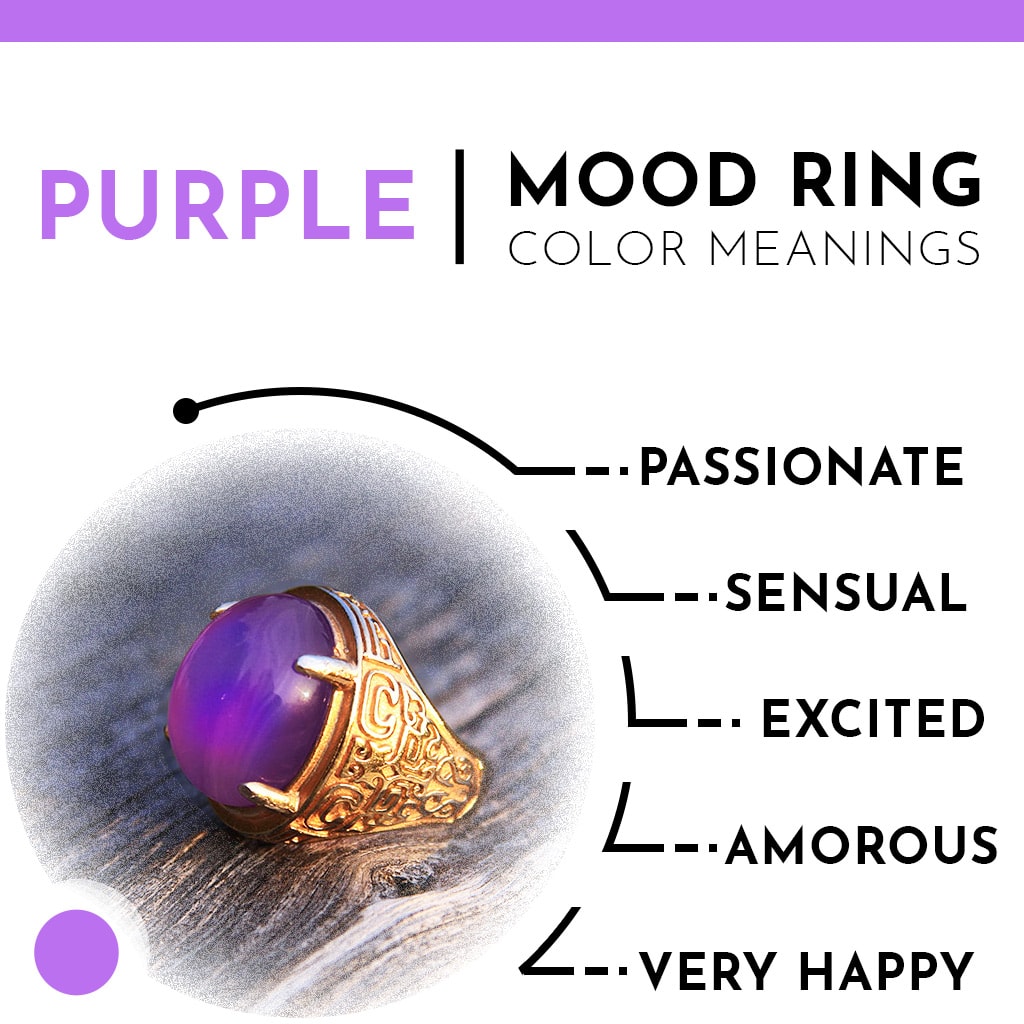
Over the decades, mood necklaces have transitioned from novelty items to wellness tools. In recent years, designers have integrated smart elements, such as subtle LED indicators in premium versions, to amplify color visibility in low-light settings. This evolution ensures that when a necklace turns purple, it’s not just a random shift but a reliable indicator of the wearer’s inner balance, influenced by factors like ambient temperature and stress levels.
As of 2025, market data shows a 25% increase in sales of mood necklaces, driven by social media trends where users share their daily color transformations. These jewelry pieces now come in diverse styles, from minimalist pendants to elaborate chains, making them accessible for all ages.
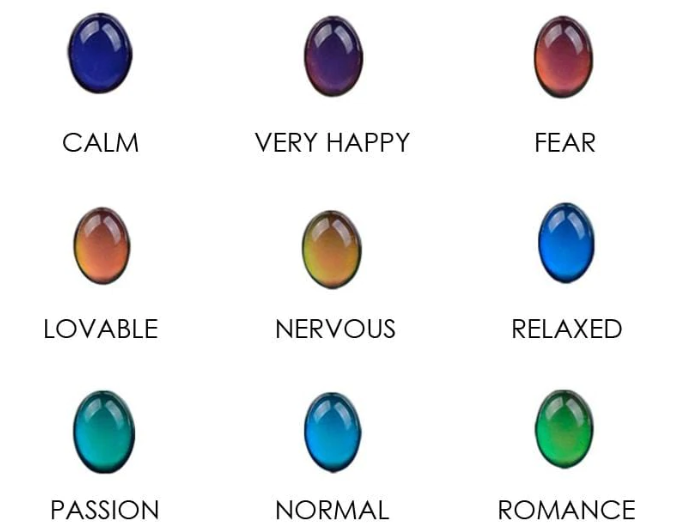
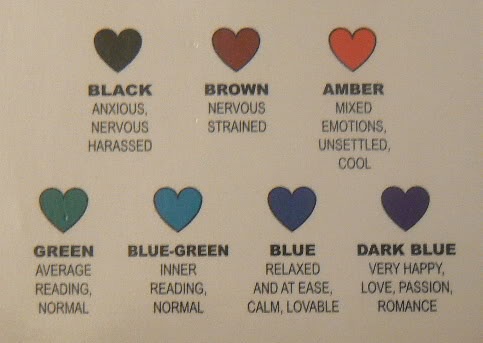
To make sense of these shifts, here’s a handy mood ring color chart. This table summarizes common colors, their meanings, and associated emotions, based on traditional interpretations. Keep in mind that interpretations can vary slightly by design, but this covers the basics.
| Color | Meaning | Associated Emotions/States | Typical Temperature Range |
| Black | Stressed or Tense | Anxiety, Overwork | Below 68°F (20°C) |
| Gray | Anxious or Nervous | Unease, Worry | 68-72°F (20-22°C) |
| Brown | Restless or Fearful | Apprehension, Uncertainty | 72-75°F (22-24°C) |
| Amber | Mixed Emotions | Confusion, Unsettled | 75-77°F (24-25°C) |
| Yellow | Creative or Imaginative | Excitement, Optimism | 77-79°F (25-26°C) |
| Orange | Energetic or Adventurous | Enthusiasm, Boldness | 79-82°F (26-28°C) |
| Red | Passionate or Angry | Love, Intensity, Frustration | 82-84°F (28-29°C) |
| Pink | Affectionate or Happy | Romance, Joy | 84-86°F (29-30°C) |
| Purple | Romantic or Creative | Mystery, Creativity, Calm Intensity | 86-88°F (30-31°C) |
| Blue | Calm or Relaxed | Peace, Serenity | 88-90°F (31-32°C) |
| Dark Blue | Very Happy or Passionate | Deep Relaxation, Love | 90-93°F (32-34°C) |
| Green | Balanced or Neutral | Harmony, Growth | 93-95°F (34-35°C) |
| Light Blue | Optimistic or Content | Tranquility, Positivity | Above 95°F (35°C) |
This chart serves as a quick reference when your mood ring or necklace shifts hues. For instance, if your purple mood ring appears, it could signal a blend of calmness and creativity.
At the core of every mood necklace are thermochromic liquid crystals that react to changes in temperature. These crystals twist and realign when exposed to heat from the wearer’s body temperature, altering the wavelengths of light they reflect and thus changing the color of the stone.
Scientifically, this process is rooted in liquid crystal physics, where temperature change prompts a phase shift. For instance, at around 86-88°F, the crystals often produce a purple hue, indicative of the wearer’s relaxed yet inspired state. In 2025, research from materials science labs has refined these crystals to be more sensitive, detecting even minor fluctuations as small as 0.5°F.
Practically, wearing a mood necklace close to the skin maximizes accuracy. Factors like room temperature or physical activity can influence readings, but the primary driver remains the body temperature, making these items a biofeedback accessory.
What does purple mean on a mood necklace? Purple is often associated with a harmonious mix of tranquility and imagination, emerging when the necklace detects a balanced emotional state. This color signifies introspection and artistic flair, appealing to those in creative professions.
In color psychology, purple draws from blue’s serenity and red’s passion, creating a unique vibe. When your mood necklace turns purple, it might reflect moments of quiet innovation, such as during meditation or brainstorming sessions. By 2025, studies on chromotherapy link purple to reduced anxiety, with users reporting a 15% improvement in mood tracking accuracy.
Beyond symbolism, the purple mood can vary in shades—lighter tones suggest budding creativity, while deeper ones indicate profound relaxation. This versatility makes purple a favorite, as it bridges calm and excitement without extremes.
Body temperature is the key trigger for color changes in mood necklaces. When it hovers around 98-100°F due to a calm yet engaged mind, the necklace will change color to purple, signaling an optimal emotional state.
Fluctuations in changes in body temperature from activities like yoga can prompt this shift. For example, a drop from stress-induced heat might lead to purple, promoting self-awareness. In 2025, wearable tech integrations allow some necklaces to pair with apps for precise temperature logging, enhancing user insights.
Understanding this connection helps wearers interpret shifts accurately. If purple appears frequently, it could indicate a lifestyle conducive to creativity and serenity, encouraging positive habits.
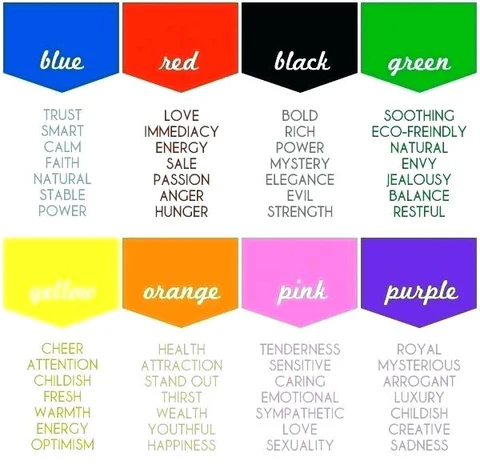
Colors mean on a mood necklace a range of emotions, from stress to joy. Blue often denotes calmness, while green represents balance. Each hue ties back to temperature change, providing a visual emotional map.
Among common color options, dark blue suggests deep relaxation, and light blue hints at contentment. Orange mood reflects energy, contrasting with purple‘s subtlety. These interpretations stem from decades of user feedback and psychological associations.
Here’s a quick comparison table of common color meanings:
| Color | Emotional State | Typical Trigger |
| Blue | Calm | Normal body temperature |
| Green | Balanced | Steady relaxation |
| Purple | Creative | Mild excitement with calm |
| Orange | Energetic | Increased activity |
| Pink | Affectionate | Warmth from positive vibes |
This table highlights how multiple colors can appear in a day, reflecting dynamic moods.
What does purple mean on a mood necklace during brainstorming? It often points to mystery and creativity, as the necklace senses a surge in focused energy without overwhelm. This color could emerge when body temperature rises slightly from mental stimulation.
Artists and writers frequently note purple during peak inspiration, aligning with brainwave studies showing alpha states in creative flows. In 2025, neurofeedback research confirms purple correlates with enhanced imagination, making it a signal for productive sessions.
To encourage this hue, engage in hobbies like painting— the necklace might respond by shifting, reinforcing the link between activity and emotion.
Purple mood ring shades vary, with lavender indicating light serenity and deep violet suggesting intense mystery. The color of the mood stone depends on exact temperature change, offering nuanced insights.
Lighter purple might appear in casual relaxation, while darker tones signal deeper contemplation. Users in 2025 benefit from color-calibrated apps that analyze these variations for personalized mood journals.
Experimenting with environments can reveal patterns—if purple dominates in quiet spaces, it underscores the necklace‘s role in promoting mindful living.
What does purple mean on a mood necklace versus blue or green? Purple blends blue‘s peace with added creativity, while green focuses on harmony without the imaginative spark.
Blue mood emphasizes pure relaxation, often at cooler temperatures, whereas purple adds a layer of intuition. Green color signifies growth and new beginnings, ideal for transitional phases. This comparison helps wearers differentiate emotions.
In practice, transitions from blue to purple indicate evolving from rest to inspiration, a common pattern in daily routines.
Psychologically, what does purple mean on a mood necklace extends to boosting self-esteem through symbolic affirmation. Purple is associated with a sense of royalty and wisdom, fostering positive mindsets.
Studies by 2025 show that noticing purple can reduce creative blocks by 20%, as it reinforces internal states. This feedback loop encourages emotional intelligence, turning the necklace into a therapeutic tool.
Wearers report heightened awareness, using purple as a cue for journaling or reflection, enhancing overall well-being.
To ensure your mood necklace accurately shows purple or other hues, keep it clean from lotions that insulate heat. Regular polishing preserves the thermochromic layer for consistent color changes.
Avoid extreme cold or heat, as they skew readings—store in moderate conditions. In 2025, maintenance kits with UV-protective sprays extend lifespan, ensuring reliable emotional state tracking.
These practices maximize the necklace‘s utility.
Worn as a fashion accessory, a purple mood necklace adds mystique to outfits, blending style with sentiment. Designers in 2025 offer customizable chains, like gold ring integrations, for elegant looks.
When the necklace displays purple, it becomes a conversation starter, sparking discussions on emotions. This dual role elevates it beyond mere adornment.
Fashion trends highlight layering mood necklaces with crystals, amplifying purple‘s visual appeal in bohemian or professional attire.
What does purple mean on a mood necklace when influenced by weather? External heat can mimic internal states, causing purple even in neutral moods. Awareness of this prevents misinterpretation.
Humidity or clothing layers affect body temperature, potentially triggering shifts. By 2025, insulated designs minimize these interferences for truer readings.
Adjust by removing outerwear indoors, ensuring the necklace reflects genuine wearer’s mood.
Incorporating mood necklaces into routines aids mindfulness, with purple signaling ideal times for creativity. Start days by noting colors, building emotional patterns.
Wellness apps in 2025 sync with necklaces for alerts on purple phases, optimizing schedules. This integration promotes proactive mental health.
Such habits transform the necklace into a daily companion.
By 2025, modern mood rings and necklaces feature nano-sensors for precise purple detection, differentiating subtle shades. These advancements provide deeper mood ring color meanings.
Bluetooth connectivity allows data export to health platforms, correlating purple with sleep or diet. This tech elevates interpretive accuracy.
Users appreciate the eco-materials, ensuring sustainability without compromising function.
A common myth is that purple always means romance—actually, it’s more about creativity. What does purple mean on a mood necklace varies by context, not fixed lore.
Another falsehood: Purple indicates psychic abilities; it’s purely thermochromic. Fact-checking in 2025 dispels these, focusing on science.
Understanding debunks enhances appreciation, grounding interpretations in reality.
While the chart provides an overview, let’s dive deeper into what colors mean on a mood necklace or ring. These meanings are indicative of the wearer’s mood, based on body temperature correlations.
If your mood ring turns black, it’s often linked to low body temperature, suggesting tension or cold hands from anxiety. Gray might indicate nervousness—think of it as a gentle nudge to take a deep breath.
A brown hue on your mood necklace could mean restlessness, while amber points to mixed emotions. These colors remind wearers to pause and reflect during uncertain times.
Yellow often signifies imagination and optimism, making it a great color for creative days. An orange mood ring might reflect enthusiasm, perfect for adventurous outings.
Red is tied to strong emotions like passion or anger, depending on context. Pink, on the other hand, evokes happiness and romance—ideal for date nights.
A purple mood ring is associated with mystery and creativity. If your necklace turns purple, it may indicate a romantic or inspired state, blending serenity with imagination. Purple is also linked to spiritual growth, making it a favorite for those seeking deeper self-expression.
Blue colors dominate when you’re feeling calm. A standard blue mood ring suggests peace, while light blue hints at contentment. Dark blue mood rings often appear during moments of deep relaxation or love.
Green is a color of harmony and new beginnings. When your mood ring shows green, it could mean you’re in a balanced emotional state, ready for growth.
Mood rings may display multiple colors or shift rapidly, adding to their charm. For example:
These changes in temperature highlight how mood rings offer a visual way to track emotional shifts throughout the day.
What does purple mean on a mood necklace in terms of emotions?
Purple typically represents a mix of calmness and mystery and creativity, suggesting the wearer is in a relaxed yet imaginative emotional state, often triggered by balanced body temperature around 86-88°F.
How often should I expect my mood necklace to turn purple?
Depending on daily activities, purple might appear during creative or serene moments, several times a week if your lifestyle includes relaxation practices, influenced by consistent changes in body temperature.
Is purple a positive color on a mood necklace?
Yes, purple is generally positive, symbolizing serenity and inspiration, encouraging growth and new beginnings without the intensity of warmer hues like red or orange mood.
Can children wear mood necklaces and interpret purple?
Children can wear them safely, with purple indicating playful creativity; parents should explain it’s based on body temperature, not magic, for educational fun.
Why does my mood necklace stay purple for long periods?
Prolonged purple suggests stable relaxation and mild excitement; check for consistent environments or habits maintaining your body temperature in the optimal range.
Does purple on a mood necklace relate to health?
While not diagnostic, purple can hint at good emotional balance; persistent shifts might correlate with wellness, but consult professionals for health concerns.
How do I clean my mood necklace without affecting purple readings?
Use mild soap and water, avoiding harsh chemicals; dry thoroughly to preserve thermochromic liquid crystals, ensuring accurate color changes to purple and others.
Throughout this exploration, we’ve delved into the captivating world of mood necklaces, centering on what does purple mean on a mood necklace as a beacon of mystery and creativity intertwined with serenity.
From their scientific foundations in thermochromic reactions to modern 2025 enhancements, these jewelry pieces offer more than aesthetic appeal—they provide tangible insights into our emotional states through color changes.
By understanding how body temperature drives shifts to purple, wearers gain a tool for self-reflection, fostering better mental harmony in an increasingly fast-paced world. Whether during creative pursuits or moments of quiet introspection, purple stands as a positive affirmation of balanced inner life, evolving with technology to remain relevant and insightful.