Jan 01, 1970
0 years old
Idaho farm land Bill Gates has become a hot topic among those tracking billionaire investments in American agriculture. Bill Gates and Idaho farm land have become hot topics across America as people wonder if the tech billionaire is quietly buying up the Gem State.
You’ve probably heard the rumors floating around social media and news outlets about Bill Gates purchasing massive amounts of farmland across America.
The real question on everyone’s mind is simple: Is Bill Gates actually buying up Idaho’s precious agricultural land?

Here’s the straight truth about Bill Gates and farmland ownership.
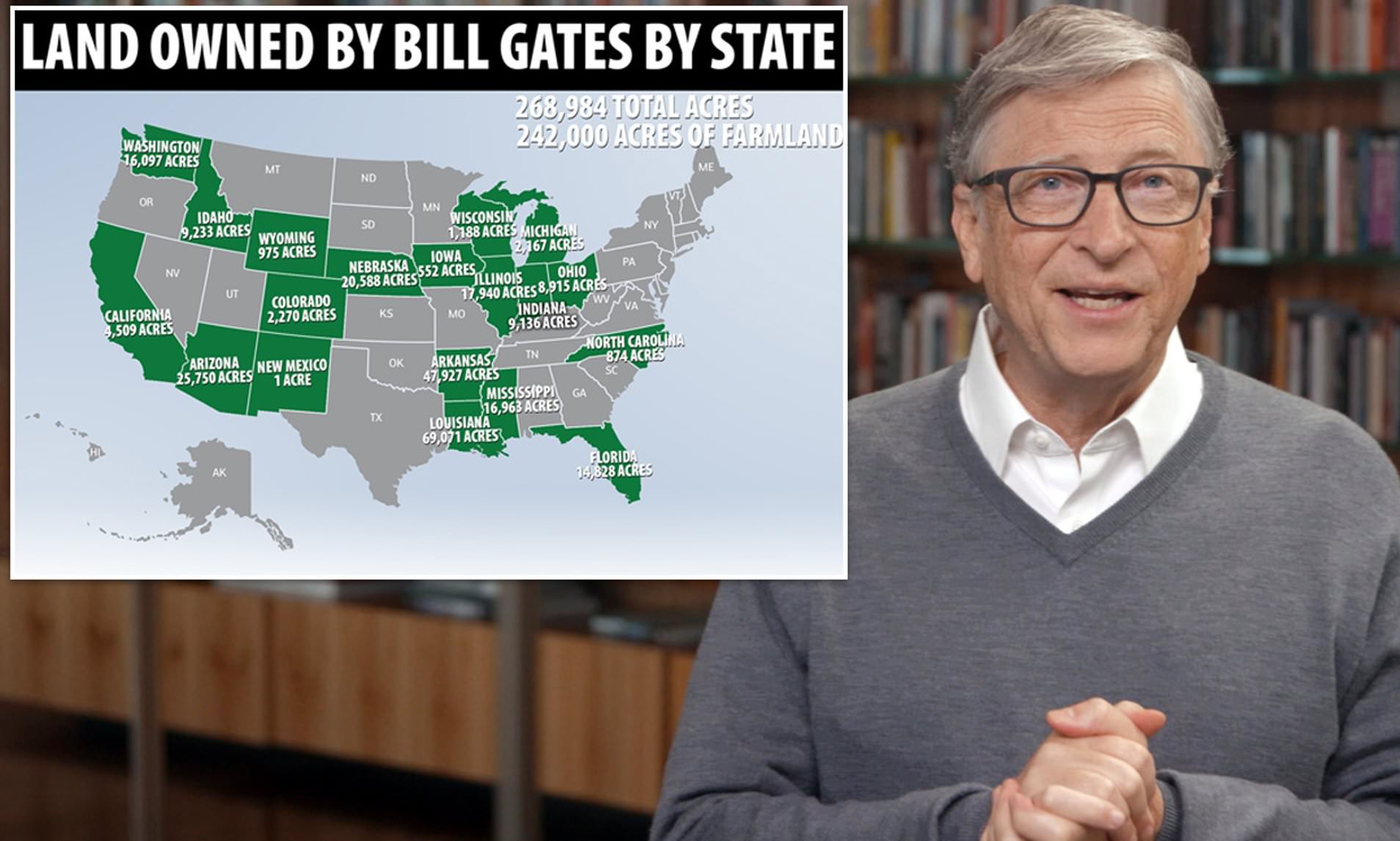
Bill Gates currently owns almost 250,000 acres of highly productive farm ground spread out over 17 states, making him America’s largest private farmland owner.
But before you panic about Idaho potatoes, let’s dig into the facts.
The Microsoft co-founder has been quietly accumulating agricultural land since 2017 through his investment company, Cascade Investment LLC.
His farmland empire spans from Washington state to Florida, creating a patchwork of agricultural holdings that has caught the attention of farmers, politicians, and conspiracy theorists alike.
Now let’s talk about Idaho specifically.
Bill Gates has property holdings across the country, including rich farmland along the Palouse, but stories don’t mention his Idaho holdings.
The Palouse region extends into both Washington and Idaho, creating some confusion about his exact Idaho presence.
Here’s what we know for certain about Gates and Idaho:
The tech mogul owns significant farmland in Washington state, particularly in the Horse Heaven Hills area.
Some of this land sits very close to the Idaho border, which might explain why people think he’s buying up Idaho.
But the reality is different from the rumors.
Most major Idaho landowners are actually local families and companies like the Simplot family, known for their potato empire.
The confusion about Gates and Idaho farmland comes from several sources.
First, his Washington state purchases are geographically close to Idaho’s agricultural regions.
Second, Idaho produces about 30% of America’s potatoes, making it a strategically important agricultural state.
Third, social media has amplified concerns about billionaires controlling food production.
Many Idahoans are naturally protective of their agricultural heritage and land ownership traditions.
The state has a strong culture of family farming and local ownership that goes back generations.
When people hear about a tech billionaire buying farmland, they immediately worry about their local way of life.
Let’s examine why Gates is actually buying farmland across America.
During an “Ask Me Anything” session on Reddit, Gates clarified his reasons for investing in farmland, stating, “I own less than 1/4000 of the farmland in the US. I have invested in these farms to make them more productive and create more jobs.”
His stated goals include improving agricultural productivity and supporting sustainable farming practices.
Gates has consistently said his farmland investments are purely financial decisions made by his investment team.
The purchases align with his broader interests in agricultural technology and climate solutions.
However, critics remain skeptical about his true intentions and the concentration of land ownership.
The numbers tell an interesting story about Gates’ farmland empire.
His total holdings amount to about 378 square miles of land, which equates to around 1/10th the size of the state of Ohio.
While this sounds massive, it represents a tiny fraction of America’s total farmland.
According to a 2022 report from the U.S. Department of Agriculture, there are 895,300,000 acres of farmland in the U.S.
Gates owns roughly 242,000 acres, which is about 0.027% of all American farmland.
To put this in perspective, the average farm has 444 acres, while Bill Gates owns 268,000 acres.
Gates’ farmland portfolio spans across multiple states, creating a diverse agricultural investment.
His largest holdings are concentrated in states with prime agricultural conditions and strong farming economies.
Washington state represents one of his biggest investments, particularly in the Columbia River region.
Louisiana, Arkansas, and Nebraska also feature significant Gates-owned properties.
Other states in his portfolio include Arizona, Florida, Illinois, Iowa, and Michigan.
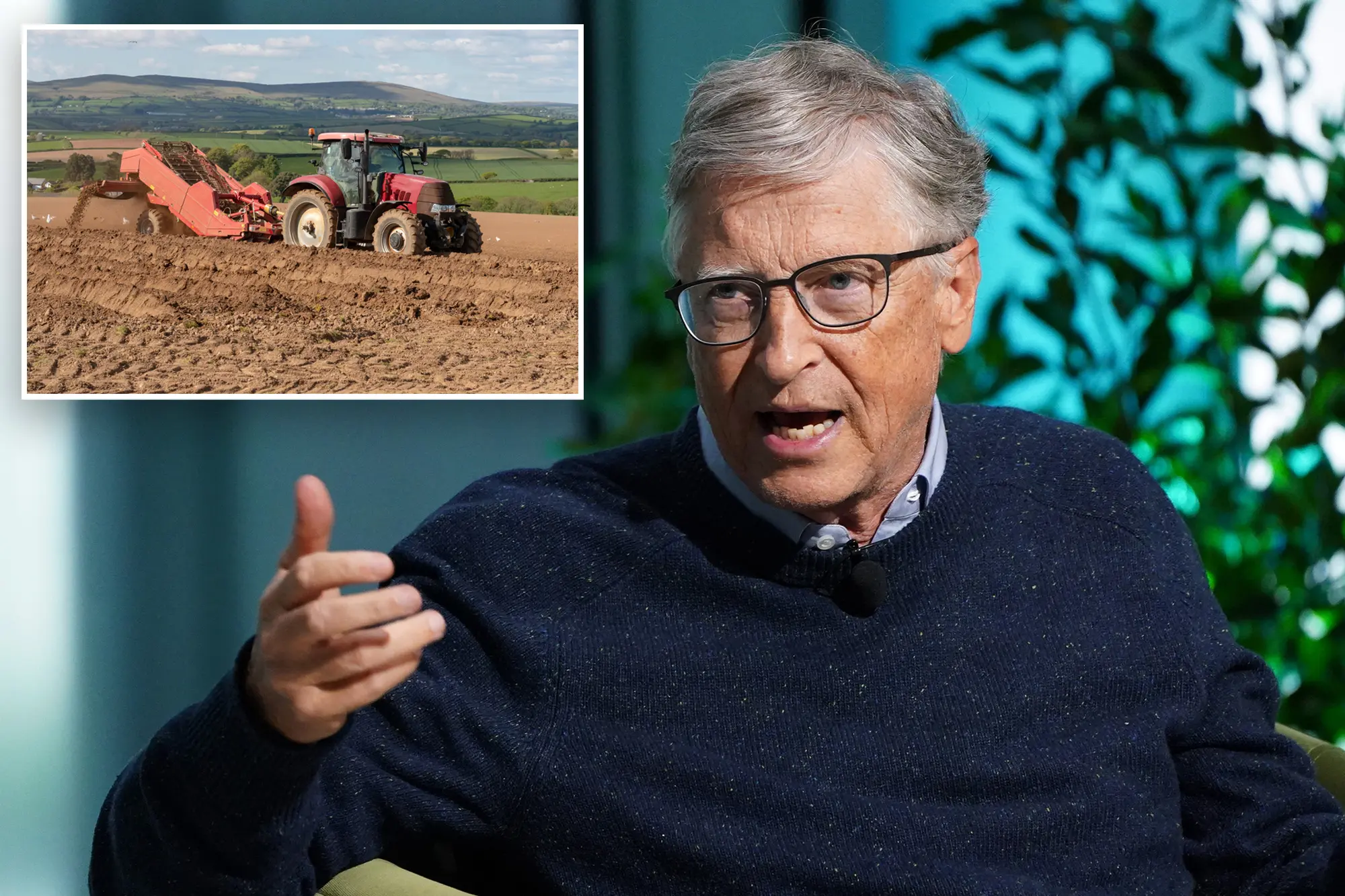
One of the most concerning aspects of Gates’ farmland acquisition strategy involves the use of shell companies.
Recent investigations revealed that Gates set up 20 shell companies to hide his purchase of $113 million of Nebraska farmland.
This secretive approach has raised questions about transparency in large-scale land acquisitions.
Many farmers and local communities don’t realize they’re selling to Gates until after the transactions are complete.
The shell company structure makes it difficult to track the full extent of his holdings.
Legal experts say this approach, while legal, undermines community input on large land sales.
The concentration of farmland ownership in the hands of billionaires creates real concerns for rural communities.
Local farmers worry about being priced out of land purchases when competing against Gates’ deep pockets.
Family farming traditions that have existed for generations face pressure from corporate-style agriculture.
Small towns that depend on local farm families for economic stability fear losing their community character.
Property taxes and land values can be affected by large-scale purchases from wealthy investors.
However, Gates’ representatives argue that his investments create jobs and improve productivity.
Many Americans worry about the implications of concentrated farmland ownership for national food security.
The concern centers on whether a small number of wealthy individuals could potentially control food production.
Critics argue that essential food resources should remain in the hands of diverse, local owners.
Supporters counter that efficient, well-funded operations can actually improve food security through higher productivity.
The debate reflects broader concerns about wealth concentration and corporate control in essential industries.
Agricultural advocacy groups have organized petitions demanding that Bill Gates explain his farmland purchases to Congress.
Gates’ farmland investments align with his broader interest in agricultural technology and innovation.
His foundation has invested billions in agricultural research and development projects worldwide.
The farmland purchases may serve as testing grounds for new farming technologies and sustainable practices.
Precision agriculture, drone monitoring, and data-driven farming represent areas of particular interest.
Critics worry that this technology-focused approach could further consolidate agriculture into fewer hands.
Supporters argue that innovation is necessary to feed a growing global population sustainably.
From a purely financial perspective, farmland has proven to be a solid long-term investment.
Agricultural land typically provides steady returns through both rental income and land appreciation.
Farmland values have generally increased over time, making it an attractive hedge against inflation.
The investment also provides diversification benefits for large portfolios like Gates’.
In a Reddit AMA in 2021, Gates said, “my investment group chose to do this. It is not connected to climate.”
However, the scale of his purchases suggests strategic thinking beyond simple financial returns.
The concentration of farmland ownership has caught the attention of politicians at various levels.
Some states have begun considering regulations on foreign ownership of agricultural land.
However, Gates’ American citizenship means these restrictions don’t directly apply to his purchases.
Rural politicians have expressed concerns about the social and economic impacts of large-scale land consolidation.
Congressional representatives from farming states have called for greater transparency in large land acquisitions.
The issue has become part of broader debates about wealth inequality and corporate power.
While Gates gets the most attention, he’s not the only billionaire investing in farmland.
Compared to the top farmland owners in the US, Bill Gates owns a relatively modest amount. For example, John Malone owns approximately 2.2 million acres.
The Wonderful Company, owned by Stewart and Lynda Resnick, controls vast agricultural operations in California.
Ted Turner owns significant ranch land that includes some agricultural production.
Many pension funds and institutional investors also own substantial farmland portfolios.
Current trends suggest that farmland ownership will continue consolidating into fewer hands.
Rising land prices make it increasingly difficult for new farmers to enter the business.
Family farms face pressure to sell to larger operations or outside investors.
Climate change may make some agricultural regions more valuable than others.
Technology advances could favor large-scale, well-funded operations over traditional family farms.
Policy responses may shape how this consolidation proceeds in coming decades.
Idaho’s agricultural sector faces the same pressures affecting farming nationwide.
The state’s potato industry remains largely in local hands, but this could change over time.
Idaho’s geographic advantages make it an attractive target for agricultural investors.
Water rights and irrigation infrastructure add complexity to land transactions in the state.
Local communities are working to preserve family farming traditions while remaining economically competitive.
State politicians have shown interest in protecting Idaho agriculture from outside control.
Agricultural economists have mixed views on the implications of Gates’ farmland purchases.
Some experts see the investments as bringing needed capital and efficiency to agriculture.
Others worry about the social and economic effects of ownership concentration.
Land grant universities have conducted research on farmland ownership trends.
Rural sociologists study the community impacts of changing ownership patterns.
Financial analysts view farmland as an increasingly important asset class.
Where in Idaho does Bill Gates own land?
Bill Gates reportedly owns farmland in southern Idaho, particularly in areas suitable for potato and seed crop production. The land is part of his larger U.S. agricultural investment portfolio managed by Cascade Investment LLC.
Who owns the most farmland in Idaho?
While Bill Gates owns substantial acreage, J.R. Simplot Company is considered one of the largest private farmland owners in Idaho. The company has deep roots in Idaho agriculture, particularly in potatoes and food processing.
Why are billionaires buying U.S. farmland?
Billionaires are buying farmland as a long-term investment due to its stability, rising food demand, and potential for renewable energy development. Farmland also acts as a hedge against inflation.
Who is the largest land owner in the world—Bill Gates?
No, Bill Gates is not the largest landowner in the world. That title belongs to King Charles III, who technically controls over 6.6 billion acres via the Crown. Gates is the largest private U.S. farmland owner, not global landowner.
Who is the biggest owner of farmland?
In the U.S., Bill Gates is the largest private farmland owner with over 275,000 acres. However, some agricultural corporations and investment firms may control even more via leases or subsidiaries.
How much land is owned by the government in Idaho?
The U.S. federal government owns around 61% of Idaho’s total land. Most of it is managed by agencies like the Bureau of Land Management and the U.S. Forest Service.
The truth about Bill Gates and Idaho farmland is more nuanced than social media headlines suggest.
While Gates has become America’s largest private farmland owner, he doesn’t appear to be specifically targeting Idaho.
His purchases represent a tiny fraction of American farmland but raise legitimate questions about ownership concentration.
The use of shell companies and secretive purchasing methods understandably concerns local communities.
Idaho’s agricultural sector remains largely in local hands, though this could change as economic pressures mount.
The broader trend toward farmland consolidation affects Idaho and other agricultural states regardless of Gates’ specific involvement.
Rural communities, policymakers, and agricultural stakeholders must work together to address these challenges while preserving farming traditions and food security.
The story of Bill Gates and farmland reflects larger questions about wealth, power, and control in modern America.
Understanding the facts helps separate legitimate concerns from unfounded fears.
Idaho’s agricultural future depends on thoughtful policies that balance economic efficiency with community values and local ownership traditions.
The debate over farmland ownership will continue as America grapples with questions of food security, rural community preservation, and economic concentration.
Idaho’s residents can stay informed and engaged while working to preserve their agricultural heritage for future generations.

The most beautiful porn stars of 2026 are redefining beauty...

Macron wife age difference is approximately 24 years, with Brigitte...