Jan 01, 1970
0 years old
Looking for Bill Gates book recommendations that can transform your thinking in 2025? The Microsoft founder has shared hundreds of book reviews over the years, creating one of the most trusted reading lists in the world.
From business strategy to global health, his picks cover topics that matter most to ambitious readers.
Here’s your complete guide to the books that shaped one of the world’s most successful entrepreneurs.
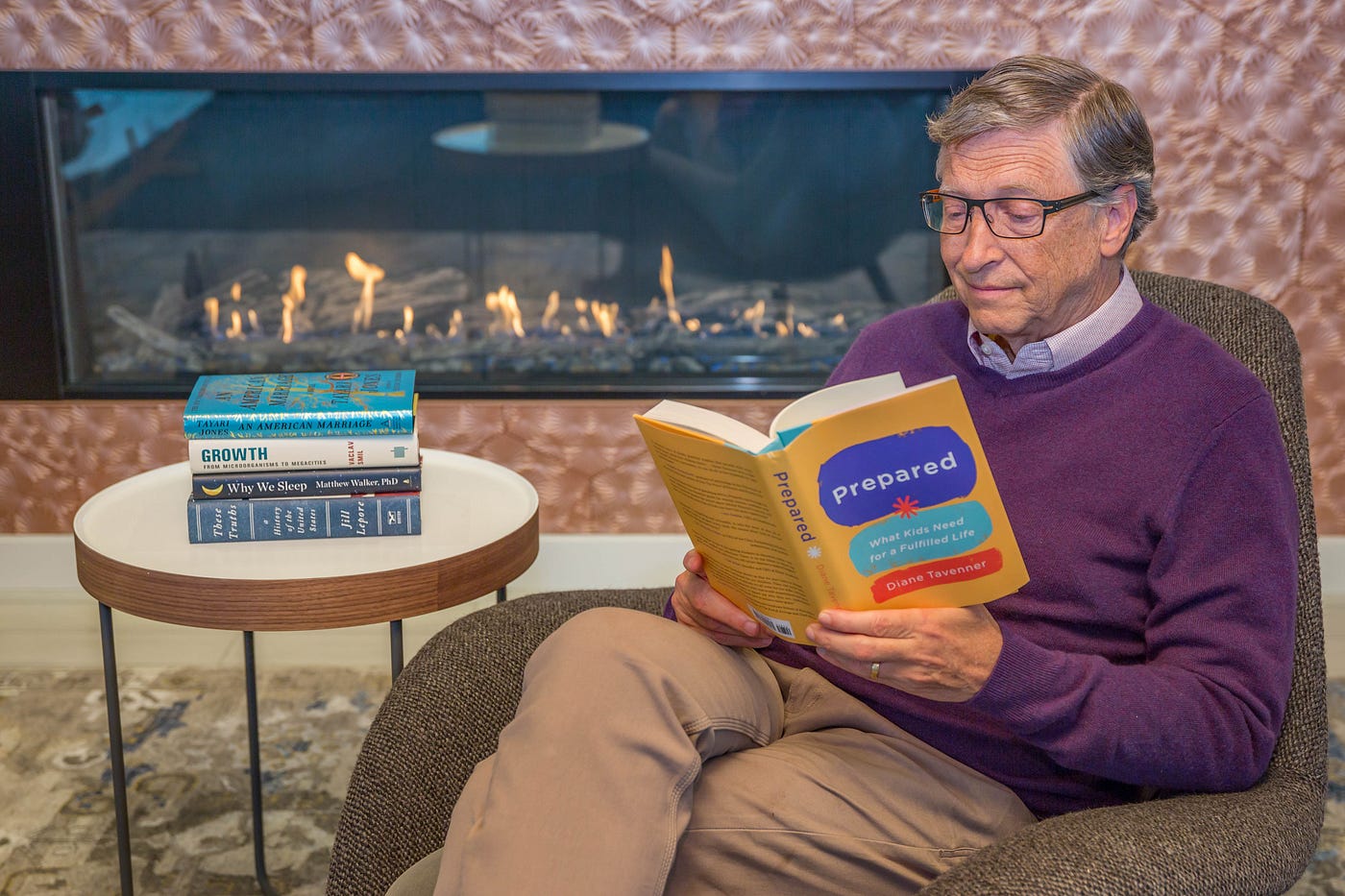
Bill Gates reads about 50 books per year.
That’s roughly one book every week.
His reading habit started in childhood and became a cornerstone of his success strategy.
Gates doesn’t just read for entertainment.
He follows a systematic approach that maximizes learning and retention.
His method includes:
When the world’s fourth-richest person recommends a book, people listen.
Gates has a net worth of over $130 billion as of 2025.
His book recommendations have launched bestsellers and influenced global conversations.
Publishers often see sales spikes of 300-500% after Gates features their books.
This spiritual guide made Gates’ list for its practical approach to mindfulness.
The book teaches readers how to live in the present moment.
Gates appreciated how Tolle connects ancient wisdom with modern psychology.
Key Takeaways:
Harari’s masterpiece explores human history from a unique perspective.
Gates called it “one of the most important books I’ve ever read.”
The book challenges readers to think differently about civilization and progress.
Statistics:
This memoir about education and family dysfunction resonated deeply with Gates.
Westover’s journey from rural Idaho to Harvard showcases the transformative power of learning.
Gates praised the book’s honest portrayal of family loyalty versus personal growth.
Impact Metrics:
This Harvard Business School classic explains why successful companies fail.
Gates credits this book with shaping Microsoft’s strategy during critical transitions.
Christensen’s theory of disruptive innovation became a cornerstone of Gates’ business philosophy.
Business Applications:
Pinker’s data-driven analysis of human progress impressed Gates tremendously.
The book argues that violence has declined throughout history.
Gates found the optimistic, fact-based approach refreshing in a world of negative news.
Research Highlights:
This book aligns perfectly with Gates’ evidence-based worldview.
Rosling teaches readers to think with data instead of emotions.
Gates wrote the foreword and calls it “essential reading for anyone who wants to understand the world.”
Statistical Insights:
This Pulitzer Prize-winning book explores the history of genetics.
Gates appreciated Mukherjee’s ability to explain complex science clearly.
The book influenced Gates’ thinking about genetic engineering and disease prevention.
Scientific Impact:
Smil’s comprehensive analysis of energy systems fascinated Gates.
The book connects energy usage to human progress throughout history.
Gates calls Smil “one of my favorite authors” and has recommended multiple Smil books.
Energy Insights:
Gates wrote this book himself, making it a unique addition to his reading recommendations.
The book outlines practical solutions to climate change.
It became a bestseller and sparked global discussions about clean energy.
Climate Data:
This profound exploration of aging and death moved Gates deeply.
Gawande examines how modern medicine handles end-of-life care.
Gates praised the book’s honest discussion of mortality and medical limitations.
Healthcare Statistics:
Gawande’s simple yet powerful concept impressed Gates immediately.
The book shows how checklists prevent errors in complex situations.
Gates applied checklist principles to the Gates Foundation’s global health programs.
Implementation Results:
This biography of doctor Paul Farmer inspired Gates’ global health work.
Kidder follows Farmer’s mission to bring quality healthcare to Haiti.
The book influenced Gates’ approach to addressing health inequality.
Global Health Impact:
Piketty’s analysis of wealth inequality caught Gates’ attention.
The book uses centuries of data to examine economic trends.
Gates appreciated the rigorous research despite disagreeing with some conclusions.
Economic Data:
This economic history explains why some countries prosper while others struggle.
The authors argue that institutions matter more than geography or culture.
Gates found the book’s framework useful for understanding global development challenges.
Development Insights:
Haidt’s exploration of moral psychology fascinated Gates.
The book explains why people disagree about politics and ethics.
Gates valued the insights for understanding global cooperation challenges.
Psychological Research:
Isaacson’s biography of the Renaissance genius captivated Gates.
The book explores how curiosity drove Leonardo’s innovations.
Gates related to Leonardo’s interdisciplinary approach to learning.
Historical Insights:
Disney’s former CEO shares leadership lessons that impressed Gates.
Iger’s strategic vision transformed Disney into a media empire.
Gates praised the book’s practical advice for managing large organizations.
Business Achievements:
This powerful memoir about education and family dysfunction made Gates’ annual list.
Westover’s journey from isolated childhood to PhD showcases education’s transformative power.
Gates connected the story to his foundation’s education initiatives.
Educational Impact:
Has Bill Gates made a book?
Yes—Bill Gates has authored four nonfiction books:
The Road Ahead (1995)
Business @ the Speed of Thought (1999)
How to Avoid a Climate Disaster (2021)
How to Prevent the Next Pandemic (2022)
Which religion is Bill Gates?
Bill Gates was raised Protestant (Congregationalist), but he now identifies as agnostic, valuing moral values over formal religious belief.
What did Bill Gates do at 13?
At age 13 in 1968, Gates gained early access to a computer at his school and spent roughly 10,000 hours programming, which he credits for jumpstarting his future success.
What is the name of Bill Gates’ new book announced in 2025?
His first memoir is titled Source Code: My Beginnings, released February 1, 2025.
Does Elon Musk have books?
Elon Musk hasn’t authored his own books, but several biographies—like Elon Musk: Tesla, SpaceX, and the Quest for a Fantastic Future by Ashlee Vance—cover his life and career.
Does Bill Gates read 50 books a year?
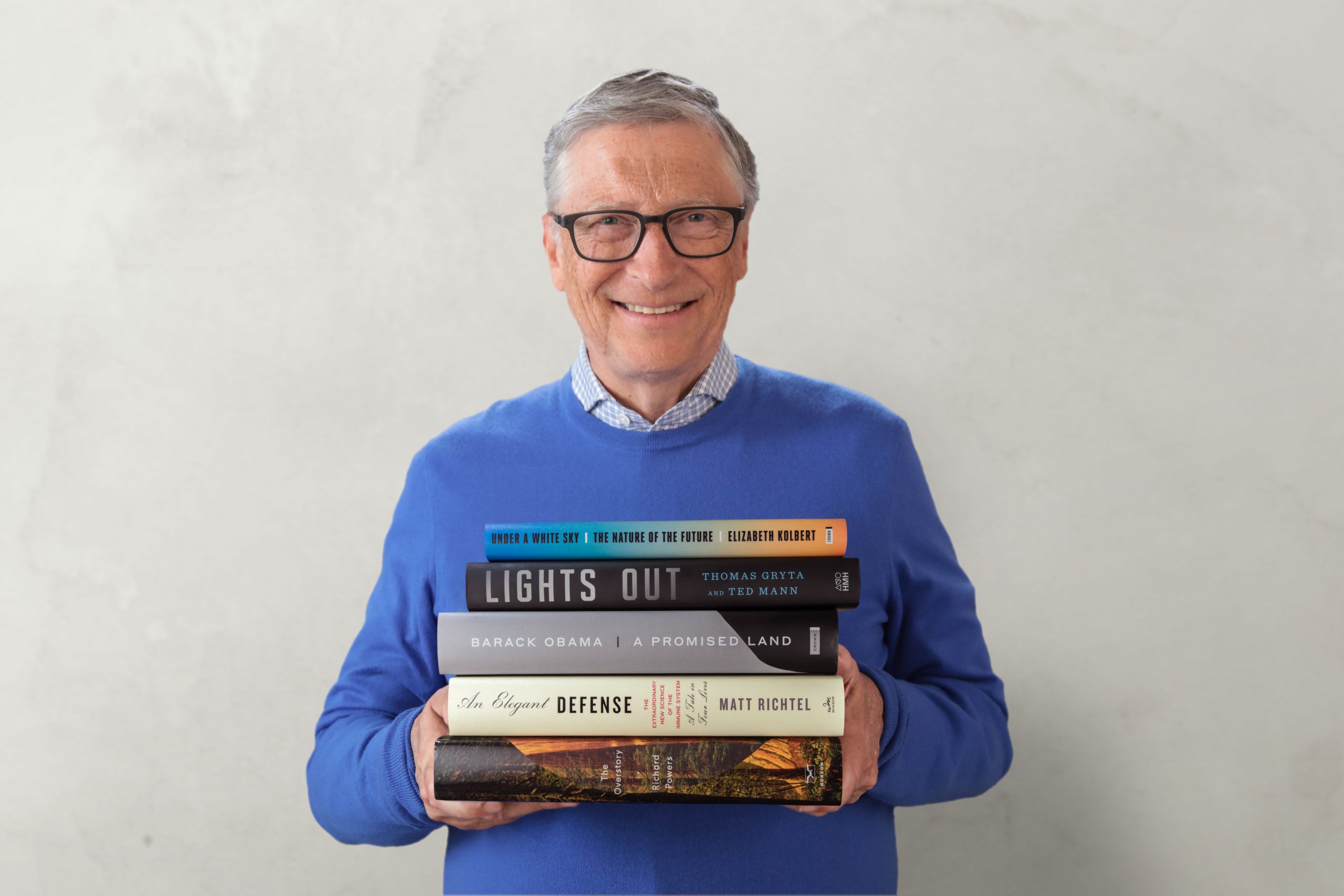
Yes. Bill Gates is a prolific reader, frequently stating that he reads around 50 books per year and shares annual book lists publicly.
Bill Gates book recommendations offer a roadmap for intellectual growth and practical success.
His reading list spans multiple disciplines and addresses the world’s most pressing challenges.
By following his example and recommendations, readers can accelerate their learning and expand their impact.
The books on Gates’ list don’t just inform—they transform how readers think and act.
Whether you’re interested in business strategy, scientific innovation, or global development, Gates’ recommendations provide trusted guidance.
Start with one book from his list today and begin your own journey of continuous learning and growth.
The investment in reading will pay dividends for years to come, just as it has for one of the world’s most successful entrepreneurs and philanthropists.

The most beautiful porn stars of 2026 are redefining beauty...

Macron wife age difference is approximately 24 years, with Brigitte...