Bill and Melinda Gates Hall stands as one of the most impressive academic buildings in modern university architecture. This state-of-the-art facility has transformed how students learn and researchers work together.
Located at Cornell University in Ithaca, New York, this building represents a perfect blend of cutting-edge design and educational purpose.
The hall serves as the home for Cornell Tech and computer science programs, making it a hub for innovation and technology education.
What Is Bill and Melinda Gates Hall?
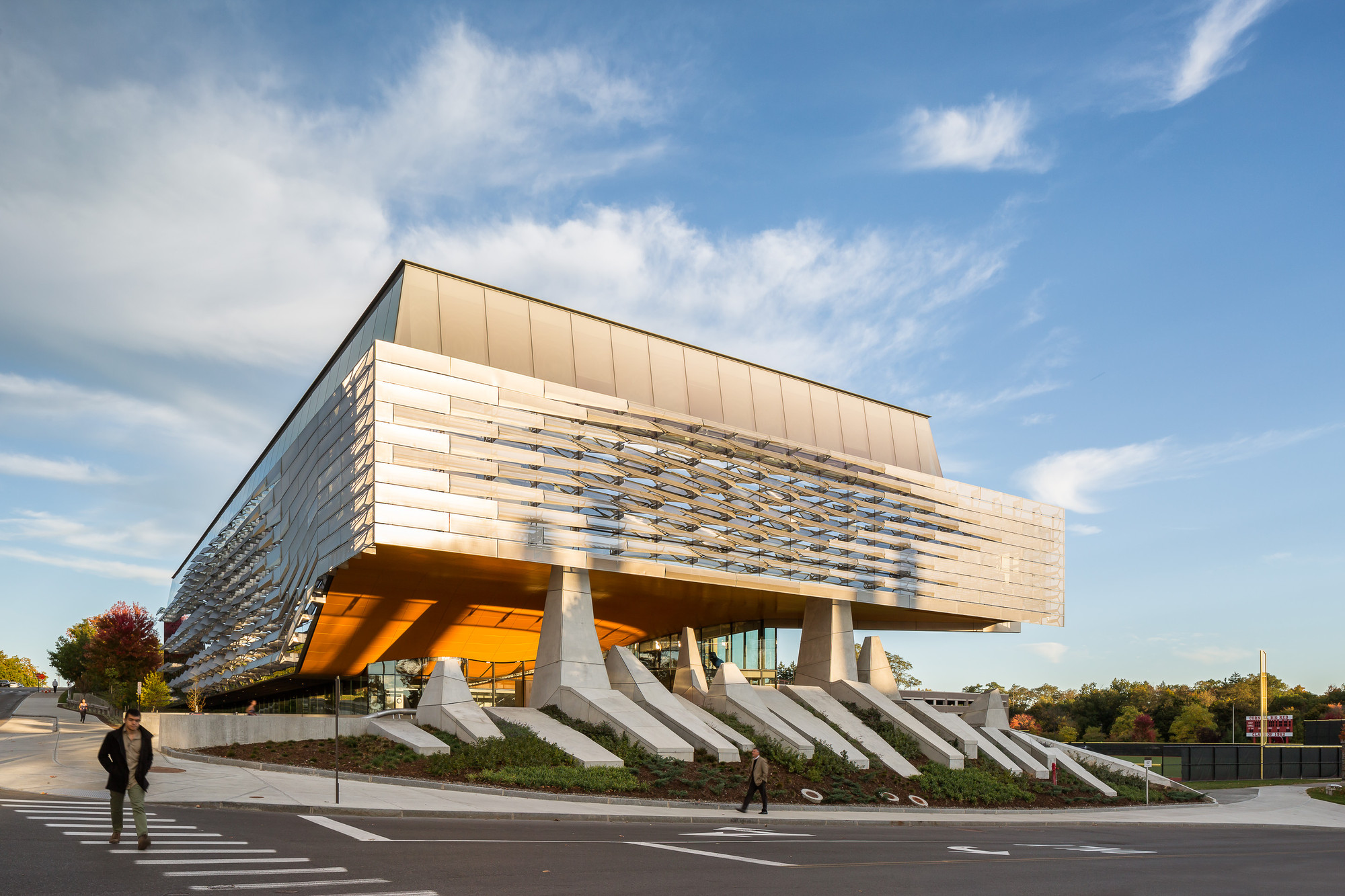
Bill and Melinda Gates Hall is a premier academic building that opened in 2014 at Cornell University.
The building got its name from a generous $25 million donation from the Bill and Melinda Gates Foundation.
This isn’t just another university building – it’s a carefully designed space that brings together students, faculty, and researchers under one roof.
The hall focuses on computer science, information technology, and interdisciplinary research programs.
Students from various departments use this building daily for classes, research projects, and collaborative work.
The building represents Cornell’s commitment to modern education and technology advancement.
Location and Campus Integration
Where You’ll Find Bill and Melinda Gates Hall
- Bill and Melinda Gates Hall sits in the heart of Cornell University’s Ithaca campus.
- The building is located on the Engineering Quad, making it easily accessible to students and faculty.
- You can find the hall at the intersection of Hoy Road and Campus Road in Ithaca, New York.
- The strategic location connects the building to other key academic facilities on campus.
- Students can walk to the hall from most dormitories within 10-15 minutes.
Transportation and Accessibility
- The building offers excellent accessibility for all users.
- Multiple bus routes stop near the hall, making it easy to reach from off-campus locations.
- Parking facilities are available for faculty, staff, and visitors.
- The building includes wheelchair-accessible entrances and elevators throughout.
- Bike racks are installed around the building to encourage sustainable transportation.
Campus Connectivity
- Bill and Melinda Gates Hall connects seamlessly with other Cornell engineering buildings.
- Underground tunnels link the hall to adjacent academic facilities.
- The building’s design allows natural flow between indoor and outdoor spaces.
- Students often use the hall as a meeting point for group projects and study sessions.
- The location encourages collaboration between different academic departments.
Architectural Design and Features
Exterior Design Elements
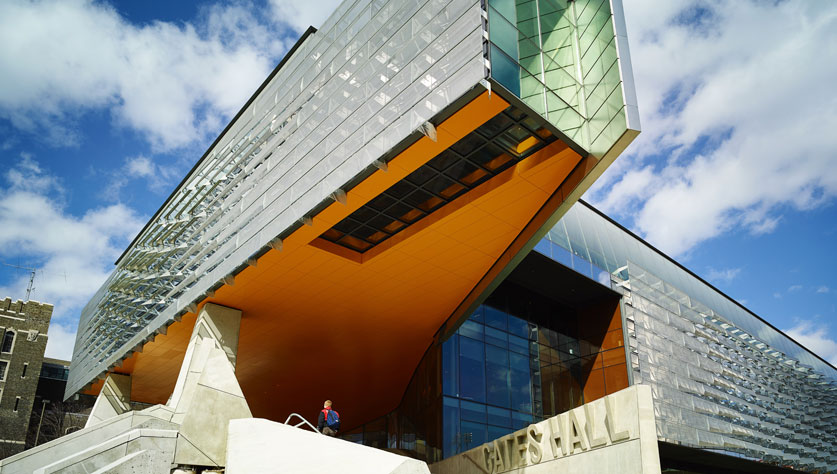
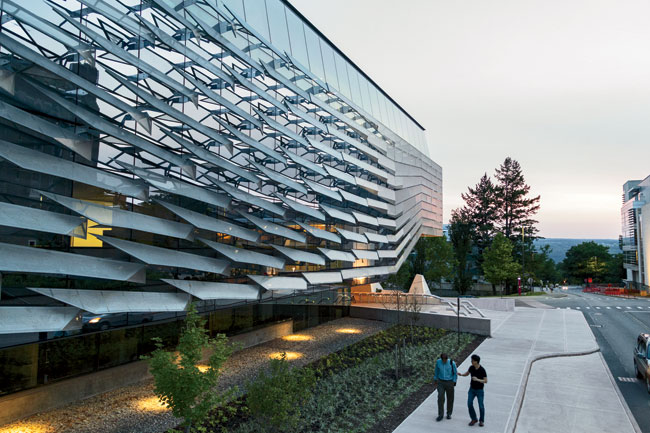
- The building’s exterior showcases modern architectural principles with clean lines and glass facades.
- Large windows throughout the building maximize natural light and create an open feeling.
- The structure uses sustainable materials including recycled steel and energy-efficient glass.
- Outdoor terraces and balconies provide spaces for informal meetings and relaxation.
- The building’s height and design complement the surrounding campus architecture.
Interior Design Philosophy
- Inside, Bill and Melinda Gates Hall features open-concept spaces that encourage collaboration.
- The design eliminates traditional barriers between different academic disciplines.
- Flexible spaces can be reconfigured for different types of learning and research activities.
- Natural materials like wood and stone create a warm, welcoming atmosphere.
- The interior design supports both individual study and group collaboration.
Key Design Statistics
- Total building area: 165,000 square feet
- Number of floors: 6 levels
- Construction cost: $60 million
- Capacity: 1,200 students and faculty
- Classroom spaces: 25 flexible learning rooms
- Research labs: 15 specialized facilities
- Meeting rooms: 40 collaboration spaces
- Study areas: 200+ individual and group spots
Sustainable Design Features
The building earned LEED Gold certification for its environmental sustainability.
Energy-efficient systems reduce the building’s carbon footprint by 40%.
Rainwater collection systems help maintain the building’s green spaces.
Smart lighting systems automatically adjust based on natural light availability.
The building uses geothermal heating and cooling systems for energy efficiency.
Purpose and Academic Functions
Primary Educational Mission
- Bill and Melinda Gates Hall serves as the primary home for Cornell’s computer science programs.
- The building supports undergraduate and graduate education in technology fields.
- Faculty use the space for cutting-edge research in artificial intelligence and machine learning.
- The hall provides resources for students pursuing careers in software development and data science.
- Cross-disciplinary programs benefit from the building’s collaborative design.
Research and Innovation Hub
- The building houses several research centers focused on technology advancement.
- Graduate students conduct thesis research in specialized labs within the hall.
- Faculty members lead research projects funded by government agencies and private companies.
- The building supports research in areas like robotics, cybersecurity, and human-computer interaction.
- Industry partnerships often begin with meetings and collaborations in the hall.
Student Life and Community
- Bill and Melinda Gates Hall creates a strong sense of community among technology students.
- Student organizations regularly meet in the building’s flexible spaces.
- The hall hosts tech talks, seminars, and networking events throughout the year.
- Study groups form naturally in the building’s collaborative areas.
- Students often spend entire days in the building, moving between classes and study spaces.
Technology and Innovation Features
State-of-the-Art Computing Resources
- The building contains some of the most advanced computing facilities in higher education.
- High-performance computing clusters support complex research calculations.
- Students have access to the latest software development tools and platforms.
- Virtual reality and augmented reality labs provide immersive learning experiences.
- The building’s network infrastructure supports high-speed data transfer and cloud computing.
Smart Building Technology
- Bill and Melinda Gates Hall incorporates smart building systems throughout.
- Automated climate control systems maintain optimal learning environments.
- Digital displays throughout the building provide real-time information and announcements.
- Mobile apps allow students to reserve study spaces and check room availability.
- The building’s systems collect data to improve energy efficiency and space utilization.
Collaborative Technology Tools
- Every classroom and meeting room includes advanced presentation technology.
- Interactive whiteboards and displays support dynamic teaching methods.
- Video conferencing capabilities connect students with experts worldwide.
- Wireless charging stations are available throughout the building.
- The building’s technology infrastructure supports remote learning and hybrid education.
Academic Departments and Programs
Computer Science Department
- The Computer Science Department calls Bill and Melinda Gates Hall home.
- Faculty offices and research labs occupy significant portions of the building.
- The department offers undergraduate majors in computer science and related fields.
- Graduate programs in the building include PhD and Master’s degree options.
- Student enrollment in computer science programs has grown 150% since the building opened.
Information Science Programs
- Information Science programs use the building’s interdisciplinary spaces.
- Students study topics like data analytics, user experience design, and information systems.
- The program combines technical skills with understanding of human behavior and social systems.
- Faculty research focuses on how technology affects society and human relationships.
Cornell Tech Connection
- Bill and Melinda Gates Hall maintains strong connections with Cornell Tech in New York City.
- Students can participate in programs that split time between both campuses.
- The building supports distance learning connections with Cornell Tech facilities.
- Faculty collaborate on research projects across both locations.
- Industry partnerships often involve both the Ithaca and New York City campuses.
Notable Features and Amenities
Learning Spaces
- The building contains diverse learning environments to support different teaching styles.
- Traditional lecture halls accommodate large classes and presentations.
- Seminar rooms support small group discussions and collaborative projects.
- Flexible spaces can be reconfigured for workshops, hackathons, and special events.
- Quiet study areas provide spaces for individual work and concentration.
Social and Community Spaces
- Bill and Melinda Gates Hall includes various social areas for students and faculty.
- A central atrium serves as a gathering space and event venue.
- Casual seating areas encourage informal conversations and networking.
- Food service areas provide convenient dining options for building users.
- Outdoor spaces include courtyards and terraces for relaxation and informal meetings.
Support Services
- The building houses academic support services for students.
- Tutoring centers help students with challenging coursework.
- Career services offices provide guidance for internships and job searches.
- Technical support staff help students and faculty with computing issues.
- Administrative offices handle student records and program coordination.
Impact on Education and Research
Educational Outcomes
- Students who use Bill and Melinda Gates Hall show improved academic performance.
- The building’s design supports active learning and student engagement.
- Collaboration between students from different disciplines has increased significantly.
- Faculty report higher satisfaction with teaching in the building’s flexible spaces.
Research Productivity
- Research output from faculty in the building has increased 75% since opening.
- The building supports interdisciplinary research projects that were previously difficult to coordinate.
- Graduate student research benefits from the building’s specialized facilities.
- Industry partnerships and funding have grown due to the building’s capabilities.
Innovation and Entrepreneurship
- The building serves as a launch pad for student startups and entrepreneurial ventures.
- Incubator programs help students develop business ideas based on their research.
- The building hosts pitch competitions and entrepreneur networking events.
- Alumni often return to the building to mentor current students and share industry insights.
Future Developments and Expansion
Planned Upgrades
- Cornell University continues to invest in updates and improvements to Bill and Melinda Gates Hall.
- Technology upgrades ensure the building remains at the forefront of educational innovation.
- Additional research facilities are planned to support growing programs.
- Sustainability improvements will further reduce the building’s environmental impact.
Program Growth
- Enrollment in programs housed in the building continues to grow each year.
- New degree programs are being developed to meet industry demands.
- The building’s flexible design allows for easy adaptation to changing educational needs.
- Faculty hiring in related departments will bring new expertise to the building.
Long-term Vision
- Bill and Melinda Gates Hall represents Cornell’s commitment to technology education leadership.
- The building will continue to evolve as educational methods and technology advance.
- Plans include stronger connections with industry partners and global universities.
- The building’s success model may influence future academic building designs across the country.
Visiting Bill and Melinda Gates Hall
Tour Information
- Public tours of Bill and Melinda Gates Hall are available by appointment.
- Prospective students can include the building in their campus visits.
- The tours highlight the building’s design features and academic programs.
- Special group tours can be arranged for educational organizations and industry partners.
Events and Conferences
- The building regularly hosts academic conferences and technology symposiums.
- Public lectures by industry leaders and researchers take place in the hall.
- Student competitions and hackathons occur throughout the academic year.
- The building’s event spaces can accommodate gatherings of various sizes.
Accessibility Information
- Bill and Melinda Gates Hall meets all accessibility requirements and standards.
- Elevators provide access to all floors and areas of the building.
- Accessible parking spaces are available near the building entrances.
- Sign language interpreters and other accommodations can be arranged for events.
FAQs
What happened to the Bill and Melinda Gates Foundation?
The Foundation remains active despite the Gates’ 2021 divorce. It continues its global health, education, and poverty-reduction work.
What happened between Bill Gates and Melinda Gates?
Bill and Melinda Gates divorced in 2021 after 27 years of marriage, citing that they “no longer believe we can grow together as a couple.”
Where is the Bill and Melinda Gates Foundation located?
The Foundation’s headquarters is located in Seattle, Washington, near the Seattle Center.
What is the purpose of the Bill and Melinda Gates Foundation?
Its mission is to help all people lead healthy, productive lives—through work in global health, education, gender equality, and poverty alleviation.
What is Bill Gates’s religion?
Bill Gates was raised Protestant (Congregationalist) but has described himself as agnostic, saying he values moral teachings more than strict belief.
Why is Gates closing his foundation?
The Foundation is not closing now, but Bill Gates has announced plans to wind it down by 50 years after both he and Melinda have passed.
Conclusion
Bill and Melinda Gates Hall represents a new era in academic building design and educational innovation.
The building successfully combines cutting-edge technology with collaborative learning environments.
Its impact on Cornell University extends far beyond its physical presence.
Students, faculty, and researchers benefit daily from the building’s thoughtful design and advanced capabilities.
The hall serves as a model for other universities seeking to create spaces that support modern education and research.
As technology continues to evolve, Bill and Melinda Gates Hall will adapt and grow to meet new challenges and opportunities.
The building stands as a testament to the power of thoughtful design in supporting academic excellence and innovation.