
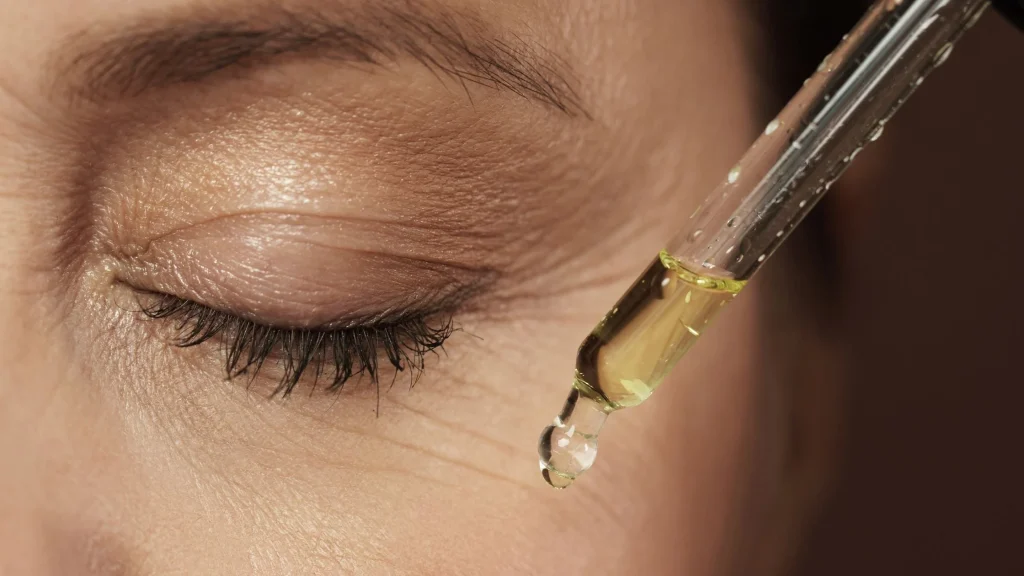
The science of skincare continues to evolve as researchers explore biological ingredients that may help maintain healthy, youthful-looking skin. While retinol, hyaluronic acid, vitamin C, and peptides remain familiar ingredients in modern skincare formulations, placenta extract represents a less conventional ingredient with an emerging body of scientific research.
Investigated for its potential skin-conditioning, moisturizing, and anti-aging properties, placental extract contains a complex mixture of biological compounds that varies according to its source and manufacturing process. But what makes this ingredient interesting, and how much of its reputation is supported by clinical evidence?
Placenta extract is a biological ingredient obtained through the processing of placental tissue. Depending on its origin and extraction method, it may contain various amino acids, peptides, proteins, and other biological compounds.
Animal-derived extracts, including those obtained from porcine and equine sources, have been investigated in cosmetic and dermatological research.
Unlike conventional skincare ingredients that consist of a single active molecule, placenta extract is a complex mixture. Its composition can vary considerably between manufacturers, making the source, extraction method, purification process, and final formulation particularly important.
Consumers interested in exploring different formulations may encounter placenta extract skincare products through specialized skincare retailers such as OKDERMO. However, products should be evaluated individually according to their ingredient composition, intended application, safety information, and local regulatory requirements.
As skin ages, changes occur in its structure, moisture-retention capacity, and elasticity. Collagen and elastin deterioration, cumulative ultraviolet exposure, and changes in the skin barrier can contribute to the development of fine lines, wrinkles, dryness, and uneven texture.
Placental extracts have attracted scientific interest because they contain biological compounds that may influence processes associated with skin conditioning and cellular activity.
Researchers have investigated their potential relevance to several cosmetic concerns, including:
Although these areas of investigation are promising, the presence of biologically active compounds does not automatically establish the clinical effectiveness of a finished skincare product.
One interesting study published in JMIR Dermatology in November 2023 examined the effects of an eye cream containing horse placental extract on wrinkles around the eyes.
The study involved 24 healthy women between the ages of 37 and 54. Participants applied the cream to one side of their face for two weeks, allowing researchers to compare treated and untreated areas.
The investigators reported improvements in several wrinkle measurements, including the maximum width and number of wrinkles around the eye corners.
However, the study had important limitations. It was relatively small, lasted only two weeks, and did not include a placebo cream comparison. The researchers were also employees of the company associated with the tested product.
Consequently, the results cannot establish whether placenta extract alone was responsible for the observed improvements. Larger, independently conducted clinical trials are needed to confirm these findings.
Maintaining adequate hydration is essential for healthy-looking skin. When the outermost skin layer loses moisture, the complexion may appear dull, rough, and less supple. Dehydration can also make superficial fine lines more noticeable.
Amino acids and certain protein-derived compounds are commonly investigated in cosmetic science for their potential contribution to skin conditioning.
Research into placenta-derived ingredients has also explored moisture retention and skin barrier function.
A randomized, double-blind, placebo-controlled study published in 2025 investigated oral porcine placenta peptides in 90 adults with dry skin and visible wrinkles around the eyes.
After 12 weeks, researchers reported improvements in several skin parameters, including hydration, elasticity, and moisture retention.
While these findings are noteworthy, the study evaluated an oral supplement rather than a topical cream or serum. Its results should therefore not be directly attributed to placenta-based skincare products applied to the skin.
Uneven pigmentation and dullness are common concerns among individuals experiencing skin aging or cumulative sun exposure.
Some research involving orally administered placental extracts has investigated changes in skin pigmentation and melanin measurements. However, convincing clinical evidence establishing topical placenta extract as an effective treatment for hyperpigmentation remains limited.
Unlike established pigmentation treatments, placenta extract should not be considered a proven therapy for melasma, persistent dark spots, or post-inflammatory hyperpigmentation.
Individuals experiencing these concerns may benefit from a professional dermatological assessment to identify the underlying cause and determine appropriate treatment options.
Modern anti-aging skincare includes numerous ingredients with different mechanisms of action.
Retinoids are extensively studied for their effects on visible skin aging, texture, and pigmentation. Hyaluronic acid is primarily valued for its moisturizing properties, while cosmetic peptides encompass a diverse group of ingredients investigated for different skin-conditioning applications.
Placenta extract differs from these ingredients because it contains a mixture of biological substances rather than one standardized active compound.
This complexity makes it scientifically interesting but also creates challenges when evaluating effectiveness, reproducibility, and long-term safety.
Rather than viewing placenta extract as a replacement for established skincare ingredients, it is more appropriate to consider it an emerging ingredient whose benefits require further investigation.
A well-designed skincare formulation may combine multiple ingredients to address hydration, comfort, and visible signs of aging.
The quality and transparency of a formulation are particularly important when evaluating biologically derived cosmetic ingredients.
Consumers should pay attention to the following factors:
The term placenta extract alone does not provide sufficient information to determine whether a product is effective or appropriate for a particular individual.
Regulatory requirements also differ internationally. For example, European Union cosmetics legislation prohibits ingredients derived from human cells, tissues, or other products of human origin.
Consumers should also distinguish topical cosmetic formulations from injectable placenta-derived preparations and oral supplements. These represent different product categories with different safety considerations and regulatory requirements.
Regardless of which advanced ingredients are incorporated into a skincare routine, the fundamentals of maintaining healthy skin remain important.
Daily broad-spectrum sun protection, gentle cleansing, and suitable moisturization provide a foundation for managing visible skin aging.
When introducing a new cosmetic formulation, particularly one containing complex biological ingredients, testing it on a small area of skin can help identify potential irritation or sensitivity.
People with sensitive skin, known allergies, existing dermatological conditions, or concerns related to pregnancy and breastfeeding should discuss unfamiliar biological ingredients with a qualified healthcare professional.
Introducing multiple new skincare products simultaneously can also make it more difficult to identify the cause of an adverse reaction.
Placenta-derived ingredients represent an intriguing area of research at the intersection of biotechnology, cosmetic science, and dermatology.
Early clinical findings suggest potential applications in improving certain aspects of skin appearance, including hydration and superficial wrinkles. Nevertheless, significant questions remain regarding optimal formulations, standardized extraction methods, long-term safety, and the reproducibility of clinical results.
Future research may help identify which specific placenta-derived compounds contribute to cosmetic effects and whether these benefits can be consistently achieved in topical formulations.
For now, an evidence-based approach remains essential. Consumers should prioritize transparent product information, realistic expectations, and established skincare practices while recognizing that promising preliminary research is not the same as proven clinical effectiveness.
The ultimate goal of modern skincare should not simply be younger-looking skin, but healthier, comfortable, well-maintained skin at every age.