
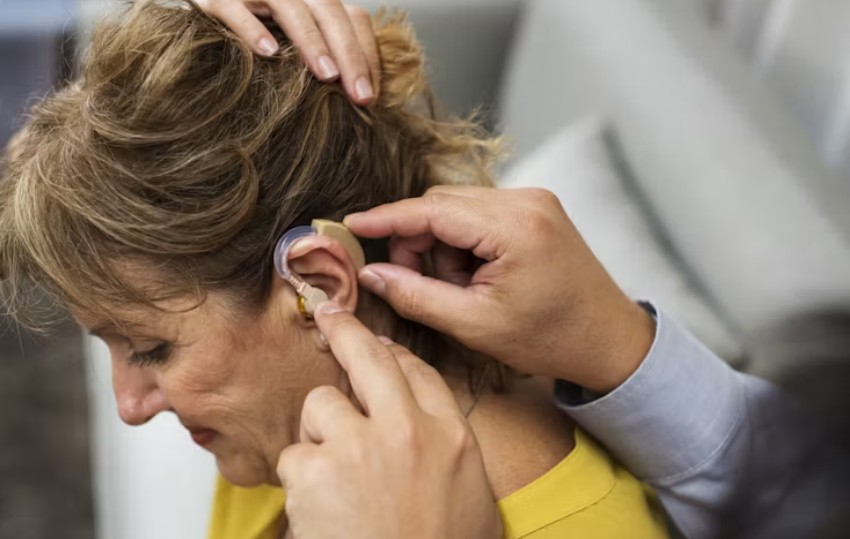
Hearing plays an important role in everyday communication, work, and social interactions, yet it is often overlooked until a noticeable problem develops. A professional hearing test service can assess how well you hear different sounds and identify changes that may otherwise go unnoticed. Regular hearing assessments can be a useful part of your overall well-being, particularly for adults who find it difficult to follow conversations or hear clearly in noisy environments.
Hearing allows people to communicate, enjoy entertainment and remain aware of sounds around them. It involves a complex process in which sound waves enter the ear and are converted into signals that the brain can interpret.
Changes in hearing can happen gradually. Some people may not immediately recognise that their hearing has changed because they become accustomed to increasing the volume on their television, asking others to repeat themselves or relying more heavily on visual cues during conversations.
A hearing assessment provides a structured way to understand hearing ability rather than relying solely on personal impressions.
Hearing difficulties can present in different ways. One common sign is frequently asking people to repeat themselves, particularly during conversations involving several people. Others may find it difficult to follow conversations when there is background noise.
Some people may notice that they regularly increase the volume of their television, computer or mobile device. Difficulty hearing someone speaking from another room can also be worth paying attention to.
Occasional difficulty hearing does not necessarily indicate a significant problem, but persistent changes may be a good reason to seek a professional assessment.
A hearing assessment generally involves several steps designed to understand how a person responds to different sounds. A hearing professional may begin by asking about the individual’s hearing history, concerns and everyday listening experiences.
Depending on the assessment, different tests may be performed to evaluate how well each ear detects sounds at various frequencies and levels.
The results can provide useful information about an individual’s hearing profile. If an issue is identified, the hearing professional can explain the findings and discuss appropriate next steps.
Hearing changes are not limited to older adults. People of different ages can experience hearing difficulties for various reasons, including regular exposure to loud environments.
Workplaces, concerts, recreational activities, and prolonged use of loud audio equipment can all expose people to higher sound levels. Being aware of personal listening habits can therefore be helpful regardless of age.
Adults who spend considerable time in noisy environments may benefit from paying closer attention to any changes in their ability to communicate or hear everyday sounds.
Good hearing supports effective communication in both professional and personal settings. Conversations can become tiring when someone has to concentrate heavily to understand what another person is saying.
Difficulty hearing can also affect group discussions, meetings, and social gatherings. Background noise may make it particularly challenging to distinguish individual voices.
Identifying hearing changes early can help people better understand what they are experiencing and consider suitable ways to manage their listening needs.
Online hearing questionnaires and informal listening checks may provide general information, but they cannot replace a professional assessment. A structured hearing evaluation can provide a more detailed picture of how an individual responds to different sounds.
Professional assessment can also help distinguish between different types of hearing concerns. This information may be useful when deciding whether further evaluation or support is appropriate.
Rather than waiting until communication becomes consistently difficult, adults can consider a hearing assessment when they notice persistent changes.
Looking forward to hearing does not end with regular assessments. Everyday listening habits also matter. When possible, reducing exposure to excessively loud sounds and taking breaks from noisy environments can help reduce unnecessary strain on the ears.
People who use headphones can also pay attention to listening volume and duration. In particularly loud environments, appropriate hearing protection may be useful.
These simple habits can become part of a broader approach to maintaining healthy hearing throughout daily life.
Many people are comfortable scheduling regular checks for their vision, teeth and general health but may overlook their hearing. Making hearing assessments part of a wider health routine can encourage greater awareness of changes over time.
A professional assessment can provide a useful baseline and help individuals understand their current hearing abilities. If changes occur later, previous results may also provide helpful information for comparison.
Being proactive can make it easier to address concerns before they begin to interfere significantly with everyday communication.
Hearing affects many aspects of daily life, from conversations with family and colleagues to enjoying music and remaining aware of the environment. Because hearing changes can sometimes develop gradually, recognising potential signs and seeking professional guidance can be valuable.
A professional hearing test service provides an opportunity to understand hearing ability through a structured assessment. Combined with sensible listening habits and awareness of changes, regular hearing checks can help adults make informed decisions about their hearing and communication needs.