
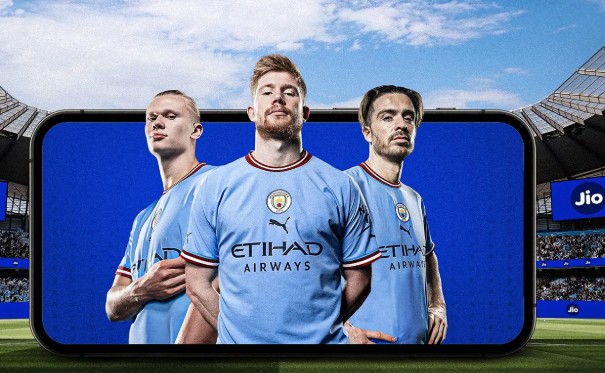
The wealthiest Manchester City players built their fortunes through a combination of top-tier contracts, performance bonuses, image rights and global endorsement deals, and several have gone on to create businesses and careers well beyond the pitch. Erling Haaland’s long-term contract signed in 2025 placed him among the best-paid players in world football, Kevin De Bruyne famously used data analysts to negotiate his own City deal, Sergio Agüero launched an esports organisation, Vincent Kompany founded a football club in Brussels and Micah Richards became one of the most recognisable voices in football broadcasting.
Exact fortunes are rarely public, and published net worth figures are estimates that vary widely between sources. What’s easier to see is how players turn football success into longer-term income, and how City’s global profile helps them do it.
For elite players, salary is only the starting point. Base wages at a club like Manchester City are among the highest in the Premier League, reflecting the club’s success and financial strength. On top of that, contracts often include bonuses linked to appearances, goals, clean sheets and trophies, which can add substantially to earnings during successful seasons.
City’s achievements over the past decade, including multiple Premier League titles and the club’s first Champions League win in 2023 as part of a treble, have meant that bonuses have often been significant. Winning trophies also increases players’ market value, which influences future contracts and commercial opportunities.
Beyond football income, players build wealth through endorsements, investments, business ventures and media work. The most successful ones treat their playing careers as a platform for long-term financial security, knowing that careers at the top level rarely last beyond their mid-thirties.
Contract negotiations at the top level have become increasingly sophisticated. Kevin De Bruyne provided one of the best-known examples in 2021, when he worked with a data analytics company rather than a traditional agent to build the case for his new contract. The analysis compared his performance with other elite players and helped demonstrate his value to the club, attracting widespread attention as a new approach to player negotiations.
Erling Haaland’s contract extension in January 2025, reported to run until 2034, was one of the longest deals in Premier League history. Long-term contracts like this provide stability for both player and club and reflect how highly City values its biggest stars.
Image rights are another important element. Top players often earn income from the commercial use of their name and likeness in club marketing, sponsorship campaigns and merchandise. These agreements are usually complex, involving separate contracts and companies, and they help explain why the most marketable players can earn far more than their basic salary suggests.
Playing for a club with a worldwide audience dramatically increases a player’s commercial appeal. City’s matches are broadcast across the globe, and its players are recognisable to fans from Europe to Asia and North America. Brands value that reach, which is why City’s biggest names often sign deals with sportswear companies, luxury brands, technology firms and consumer products.
Haaland is a prime example of a modern football star with global commercial appeal. His goalscoring records, social media following and distinctive personality have made him a sought-after partner for international brands. Other City players have also built strong personal brands through fashion, lifestyle content and social media, reaching audiences beyond traditional football fans.
Fans play a big role in this ecosystem. Supporters who wear their favourite player’s name on the back of sky blue shirts help drive the popularity that makes players attractive to sponsors. Shirt sales linked to star players are one of the clearest signs of their commercial influence.
Sergio Agüero, City’s record goalscorer, turned his passion for gaming into a business. In 2020, he founded KRÜ Esports, an organisation competing in professional gaming, and he built a large following streaming online. After retiring from football in 2021 due to a heart condition, gaming and content creation became major parts of his public life.
Vincent Kompany, the former City captain, founded BX Brussels, a football club in Belgium’s capital designed to provide opportunities for young players from diverse and often disadvantaged backgrounds. The project reflects his interest in community development and has combined sporting goals with social impact. Kompany later moved into management, coaching at the highest level in Belgium, England and Germany.
Micah Richards transitioned from defender to broadcaster, becoming a popular pundit known for his enthusiasm and humour. His media career, including television analysis and podcasts, shows how former players can build successful second careers by connecting with audiences through personality and expertise.
These examples show different paths. Some former players invest in industries they’re passionate about, others build community projects, and many use media and personal branding to stay involved in the game.
Players’ business ventures highlight the importance of planning ahead. Football careers are short and uncertain, and injuries can end them suddenly, as Agüero’s early retirement showed. Players who build income streams outside football are better prepared for life after playing.
Personal branding matters too. Players who connect with fans through authentic interests, whether gaming, fashion, community work or media, often find opportunities that last beyond their playing days. Their success depends not just on football ability but on how well they engage with audiences.
Finally, these stories show how football clubs and players benefit each other. City’s global profile helps players attract commercial partners, while star players help the club reach new fans around the world.
If you follow City, keep an eye on how today’s squad members build their personal brands and business interests alongside their careers. Many of the ventures that will define former players in ten years’ time are being shaped right now, often quietly, while they’re still winning trophies on the pitch.