
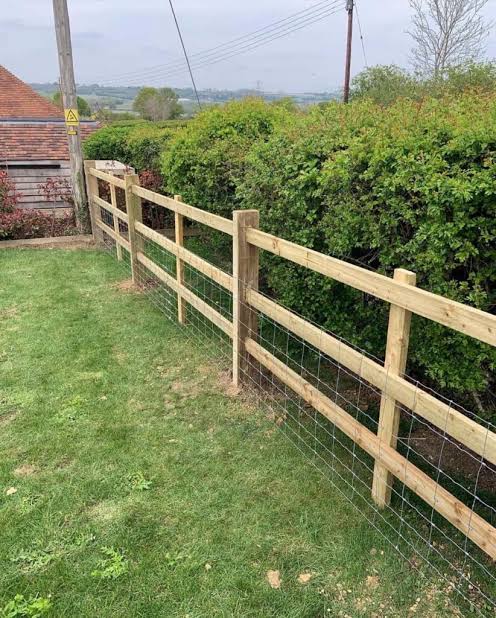
A fence can appear dependable from a distance while small changes develop in less noticeable areas. Loose hardware, minor board movement, vegetation contact, surface wear, and changing soil conditions may emerge gradually rather than causing an obvious failure. Routine inspection gives property owners an opportunity to recognize these changes while they remain easier to evaluate.
Regular checks can also help owners determine when fence repairs deserve consideration instead of waiting until a section becomes visibly unstable. For wood fencing, inspections can reveal surface conditions that may influence future staining plans. The purpose is not to assume every imperfection requires immediate work, but to understand how the fence is changing over time.
Hawk Fences LLC can assess individual concerns within the context of the complete fence. Looking at posts, panels, gates, hardware, wood surfaces, and surrounding site conditions provides a clearer picture than focusing exclusively on one visible problem. Consistent observation can also help distinguish recent damage from normal aging that has developed gradually.
Property owners often see the sections closest to driveways, patios, and entrances every day. Rear boundaries, side yards, and areas behind landscaping may receive considerably less attention, allowing changes to remain unnoticed.
A complete walk around the perimeter creates a simple baseline for maintenance. Owners can observe alignment, surface condition, vegetation, ground changes, and components that look different from neighboring sections.
Repeating the inspection periodically makes comparisons more useful. A condition that seems minor during one visit may deserve closer evaluation if it becomes noticeably different several months later.
Posts support substantial portions of many fencing systems, making their condition important during routine checks. Owners can look along the fence line to identify sections that appear to lean, shift, or sit differently from surrounding areas.
Changes in alignment do not automatically indicate a major problem. Soil movement, weather exposure, impact, and other conditions can affect one location without influencing the entire structure.
Hawk Fences can evaluate whether visible movement appears isolated or connected with neighboring components. Understanding the extent of a change helps establish whether monitoring or professional attention is the more appropriate next step.
Individual fence components experience different levels of weather exposure and physical stress. Boards may loosen, panels can shift, and rails may show changes that are difficult to notice without viewing the fence from nearby.
Looking at several neighboring areas provides useful context. One unusual board is easier to recognize when comparable components remain stable and properly positioned.
Damage may be more visible from one side than the other. Examining multiple viewpoints can reveal movement, vegetation contact, or hardware concerns concealed from the property’s primary viewing area.
A broader inspection reduces the chance of overlooking localized deterioration.
Gates experience repeated movement that stationary fence sections do not. Hinges, latches, fasteners, and supporting posts therefore deserve regular attention, especially around entrances used several times each day.
Owners can notice whether a gate begins dragging, becomes difficult to latch, or appears differently aligned. These symptoms may involve the gate itself, surrounding hardware, or changes in the supporting structure.
Early evaluation can identify the source before repeated use creates additional strain. Gate operation provides practical information because small alignment changes often become noticeable during ordinary opening and closing.
Landscaping changes continuously throughout growing seasons. Shrubs spread, vines climb, branches extend, and groundcover can conceal lower portions of fencing that were previously easy to inspect.
Regular contact can make visual evaluation more difficult and may keep sections shaded or damp for longer periods. Dense vegetation can also hide loose components or surface changes until they become more noticeable.
Maintaining reasonable access around the fence simplifies inspection and property care. Owners do not need to remove established landscaping, but controlling direct contact can keep important fence components easier to observe.
Fence inspections should include the ground surrounding the structure rather than stopping at visible materials. Erosion, persistent moisture, soil displacement, and low areas can provide useful clues about changing site conditions.
Heavy rainfall may create channels or expose areas that previously remained covered. Owners should note whether these changes appear near posts or occur repeatedly in the same sections.
Documenting ground conditions can help explain later movement. A leaning section may make more sense when earlier photographs show gradual erosion or recurring water accumulation nearby.
Wood changes naturally as it remains exposed outdoors. Sunlight, rain, moisture, shade, and temperature variation can create differences in color and surface texture across the same fence.
Routine inspection helps owners recognize when previous staining is wearing differently between sections. Areas receiving strong sunlight may not age identically to shaded portions, while boards near dense landscaping can experience different exposure conditions.
Surface observations are particularly useful before planning maintenance. Understanding where weathering is most pronounced provides better context for determining what preparation may eventually be required.
Gradual deterioration can be difficult to judge accurately from memory alone. A post that appears slightly different may have shifted recently, or it may have looked similar for several years.
Photographs taken from consistent positions create a useful visual record. Owners can compare alignment, wood surfaces, landscaping, soil levels, and other conditions without relying entirely on recollection.
Hawk Fences LLC can use information about previous changes when evaluating a concern. A simple history may help clarify whether a condition developed suddenly after an event or progressed slowly over several seasons.
Routine schedules are useful, but significant storms provide another reason to examine fencing. Strong wind, heavy rainfall, falling branches, and moving outdoor objects can affect individual sections unexpectedly.
Owners should look beyond the most obvious impact point. Nearby posts, rails, fasteners, and panels may have experienced movement even when only one damaged component immediately attracts attention.
Fence repairs can be considered when inspection reveals specific problems requiring professional evaluation. Identifying damage soon after severe weather also makes it easier to connect visible changes with a likely event.
An inspection is most useful when observations inform future decisions. Property owners can separate concerns that need professional attention from conditions that simply deserve continued monitoring.
Wood surface observations can also help with planning staining at an appropriate stage. Owners may need to address damaged components, cleaning requirements, vegetation, or moisture conditions before scheduling finishing work.
Keeping maintenance decisions connected to actual fence condition prevents unnecessary guesswork. Instead of following a rigid schedule alone, owners can consider material condition, environmental exposure, and documented changes together.
Routine inspections help property owners understand how a fence responds to weather, daily use, landscaping, soil conditions, and ordinary aging. Posts, panels, gates, hardware, wood surfaces, and surrounding ground can each reveal different information about overall condition.
Small changes do not automatically mean extensive work is necessary. Careful observation helps identify when fence repairs may be appropriate while providing a record of areas that remain stable and dependable.
Regular inspection also makes maintenance easier to plan rather than purely reactive. By documenting changes, watching surface condition, and examining the entire perimeter after significant weather, owners can make informed decisions based on what the fence is actually showing instead of waiting for minor concerns to become obvious disruptions.